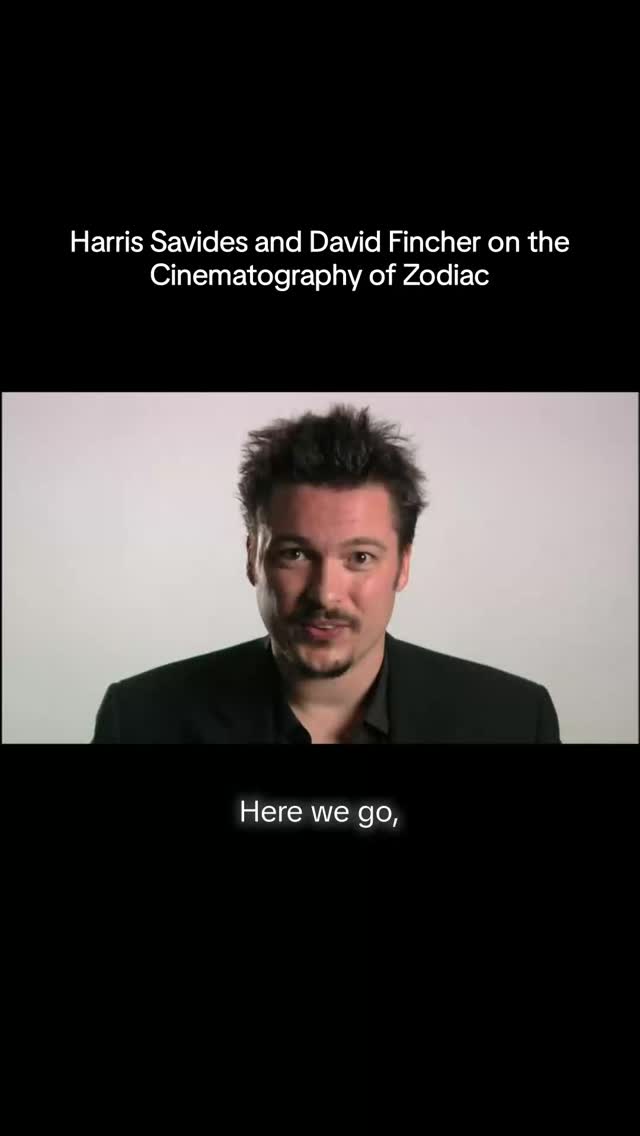
In the annals of modern cinematic thrillers, David Fincher’s 2007 masterpiece, Zodiac, stands as a testament to the power of meticulous detail and an unyielding commitment to verisimilitude. Beyond its gripping narrative and stellar performances, the film is a masterclass in visual storytelling, thanks in no small part to the late, great cinematographer Harris Savides, ASC. What truly elevates Zodiac from a mere crime procedural to a haunting, immersive experience is this almost obsessive dedication to authenticity, particularly evident in the recreation of the infamous Zodiac Killer’s hood.
Savides, in recounting the arduous process, illuminated the painstaking lengths to which the production went to ensure every element resonated with the chilling reality of the source material. The primary reference, of course, was Brian Hartnell’s harrowing eyewitness testimony from the Lake Berryessa attack. This wasn't merely about getting the general shape right; it was about capturing the psychological impact of the disguise. From the texture of the wool pants to the almost anachronistic detail of clip-on sunglasses hidden behind that narrow eye slit, every choice was a deliberate stroke designed to obscure identity and, in doing so, amplify the terror of the unknown.
The Psychology of Obscurity
The Zodiac hood is more than just a costume; it's a character in itself, a physical manifestation of the killer's elusive nature. Savides and Fincher understood that the efficacy of this visual lay not in its grandeur, but in its unsettling banality and the precise control over what was revealed and, more importantly, what was hidden. The choice of wool, for instance, isn't arbitrary. It’s a common, almost domestic fabric, making the figure both relatable and utterly alien. The clip-on sunglasses, a detail easily overlooked, speak to a calculated effort to further mask identity, creating a deeper void where a face should be. This forensic approach to costume design, viewed through the lens of cinematography, becomes a crucial component of the film's pervasive dread.
“Even the width of an eye slit became a point of contention between director and cinematographer, proving that in Fincher's world, there is no such thing as a small detail.”
This anecdote, particularly the debate over the width of the eye slit, encapsulates the Fincherian ethos. In an industry often prone to broad strokes, Fincher, a director known for his exacting standards, demands a level of precision that borders on the obsessive. For Savides, a cinematographer celebrated for his naturalistic lighting and nuanced approach to texture and color, this collaboration was a meeting of two meticulous minds. Their discussions weren't just about aesthetics; they were about psychological impact. A slightly wider slit might humanize the killer; a narrower one enhances the monstrous anonymity. It’s a subtle distinction, but one that profoundly impacts the audience's visceral reaction.
Savides' Vision and Fincher's Precision
Savides' work on Zodiac, shot primarily on the Thomson Viper FilmStream digital camera, was groundbreaking for its time. While many DPs were still grappling with the nuances of digital capture, Savides embraced its capabilities, particularly its ability to render deep blacks and subtle color shifts, crucial for the film's desaturated, almost archival aesthetic. His lighting philosophy, often characterized by a soft, naturalistic approach, was expertly wielded to create environments that felt lived-in and authentic, yet always with an underlying current of unease. He understood that the terror in Zodiac wasn't about jump scares or overt horror; it was about the slow, creeping dread of the unknown, the mundane turning sinister.
The creative partnership between Fincher and Savides, also seen in films like The Game and Milk (though Savides only shot a portion of the latter), was marked by a shared commitment to visual integrity. Savides’ ability to translate Fincher’s often abstract visual directives into concrete, compelling imagery is a testament to his artistry. In Zodiac, this manifested in everything from the cool, clinical tones of the newsrooms to the eerie, desaturated landscapes where the murders occurred. The very fabric of the film is woven with this meticulous attention to detail, from the production design to the cinematography, all serving the larger narrative of an elusive killer and an increasingly desperate search for truth.
Ultimately, the story of the Zodiac hood in Zodiac is more than just a production anecdote. It's a powerful illustration of how the smallest, most seemingly insignificant choices in filmmaking can profoundly impact the final product. It underscores the belief that in true cinematic artistry, there are no throwaway details. Every thread, every shadow, every inch of fabric or width of a slit, is a deliberate decision, carefully weighed and executed, to craft an experience that lingers long after the credits roll. It's a lesson for every aspiring cinematographer and filmmaker: the devil, and often the terror, truly is in the details.