In the annals of cinematic innovation, David Fincher’s 2007 masterpiece, Zodiac, stands as a pivotal moment, not just for its gripping narrative and meticulous direction, but for its audacious and ultimately transformative approach to visual storytelling. While much has been lauded about Fincher's directorial prowess, the film's indelible visual signature is a testament to the collaborative genius of cinematographer Harris Savides, ASC, and production designer Donald Graham Burt, who together forged a hyper-authentic world that felt less like a movie set and more like a time portal.
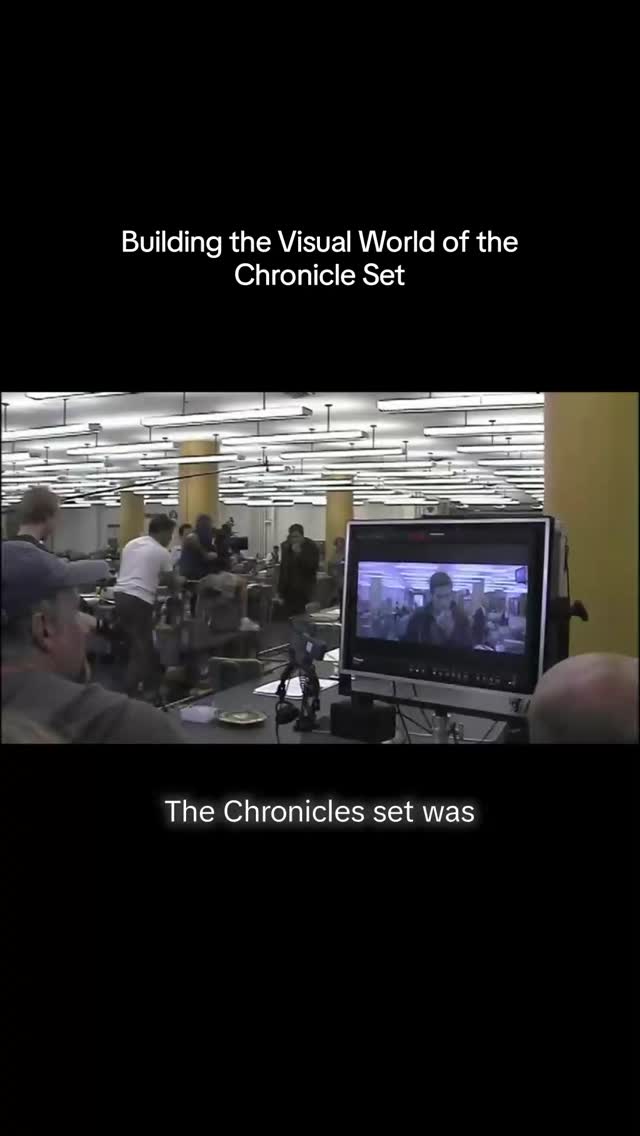
The foundation of this authenticity began not with the camera, but with the very spaces the story inhabited. Burt’s production design for the San Francisco Chronicle offices, for instance, wasn't merely a set built on a soundstage. It was an entire, fully functional environment constructed within an active post office building in downtown Los Angeles. This wasn't just a clever logistical hack; it was a philosophical commitment. The inherent grittiness, the existing architectural nuances, and the sheer scale of a real-world structure imbue the space with an undeniable lived-in quality. Every scuff, every shadow, every echo felt inherently genuine, providing Savides with a canvas already rich in character. This commitment to verisimilitude meant that even before a single frame was captured, the world of Zodiac possessed a tactile, almost documentary-like presence.
The Viper's Unseen Revolution
However, the true game-changer for Zodiac, and arguably for the industry at large, was Harris Savides’ revolutionary decision to shoot with the Thomson Viper FilmStream camera. At a time when digital cinema was still largely viewed with skepticism by many traditionalists, Savides and Fincher embraced it not as a compromise, but as an opportunity. The Viper, a 4:4:4 full-bandwidth HD camera, was unique in its ability to record uncompressed, raw data directly to hard drives, bypassing the traditional video tape-based workflows of other digital cameras at the time. This wasn't merely about convenience; it was about data integrity and creative control.
“We used the Viper because we wanted to get as much information as possible into the digital realm, then manipulate it. It wasn’t about replicating film; it was about creating a new aesthetic.” – Harris Savides, ASC
Savides, known for his masterful work on film with directors like Gus Van Sant (Gerry, Elephant) and Noah Baumbach (Margot at the Wedding), was no stranger to pushing boundaries. With Zodiac, his embrace of the Viper allowed for unprecedented flexibility in post-production. The raw data captured offered a much wider dynamic range and color space compared to compressed video formats, giving Fincher and colorist Kevin Bailey immense latitude to sculpt the film's distinctive, desaturated, yet richly textured look. This wasn't a digital mimicking of film; it was a deliberate forging of a new digital aesthetic, one that felt grittier, more immediate, and profoundly modern.
Lighting for Digital Authenticity
The choice of the Viper also influenced Savides’ lighting philosophy. While he still employed his signature naturalistic approach, the capabilities of the digital sensor allowed for a more nuanced handling of available light and subtle practicals. He often utilized soft, diffused sources, letting the existing ambient light of Burt’s meticulously designed sets play a significant role. This contributed to the film's sense of realism, avoiding overly stylized or theatrical lighting that might detract from its documentary feel. The interplay of shadows and practical light sources, especially within the dimly lit newsroom, was rendered with remarkable fidelity by the Viper, further enhancing the film's immersive quality.
The collaboration on Zodiac serves as a powerful case study in how technical innovation, when paired with thoughtful artistic intent, can redefine cinematic language. From Burt's commitment to tangible authenticity in production design to Savides' daring adoption of nascent digital technology, every choice was in service of a singular vision: to transport the audience directly into the unsettling, obsessive world of the Zodiac killer investigation. It was a masterclass in world-building, not just recreating a period, but making it breathe, making it feel unsettlingly present.
Today, with digital cinematography being the industry standard, it's easy to overlook the courage it took to make such a choice in 2007. But Zodiac, and the groundbreaking work of Harris Savides and Don Burt, stands as a testament to the pioneering spirit of filmmakers who understood that the tools of cinema are not just about capturing images, but about shaping experience, pushing boundaries, and, ultimately, making history.