David Fincher is a filmmaker renowned for his meticulousness, bordering on the obsessive, and nowhere is this more evident than in his 2007 masterpiece, Zodiac. The film isn't just a procedural; it's a chilling immersion into a real-life nightmare, and a significant part of its unsettling verisimilitude stems from an almost pathological commitment to historical accuracy. This dedication wasn't limited to the broader narrative strokes; it permeated every facet of the production, from the smallest prop to the very fabric of the costumes.
Consider the chilling detail cited: the costume department's painstaking recreation of Darlene Ferrin's outfit, reportedly going as far as to access actual crime scene evidence. This isn't just set dressing; it's an act of forensic filmmaking. Such an approach imbues the film with an almost documentary-like authenticity, allowing the audience to feel the weight of the real events. For cinematographers, this level of fidelity presents a unique challenge and opportunity: how do you light and frame a scene when the historical reference material dictates so much? It demands a delicate balance between artistic interpretation and faithful recreation, often necessitating deep dives into archival photographs and witness testimonies to inform lighting choices that feel period-appropriate and emotionally resonant.
The Unseen Hand of Digital Innovation
Beyond the tangible elements of production design and costuming, Zodiac was a pioneering effort in digital cinematography, distinguished by its revolutionary use of the Thomson Viper FilmStream camera. In an era still largely dominated by film, Fincher and his longtime collaborator, DP Harris Savides, ASC (though Savides only shot a portion before dropping out due to creative differences, replaced by Nicolas Karakatsanis and then by Jeff Cronenweth, ASC for the bulk of the film), embraced the Viper's ability to capture raw, uncompressed data. This wasn't merely a technical choice; it was an aesthetic one. The Viper, with its 1920x1080 resolution, offered a different texture than film – a pristine, yet often unsettlingly clinical, clarity. This clean digital canvas, devoid of the inherent grain and organic imperfections of celluloid, lent itself perfectly to the film's forensic gaze, allowing every detail, every subtle nuance of the production design and performance, to be scrutinized.
"The Viper wasn't just a camera; it was a philosophical statement about capturing reality in its rawest, most unadulterated form. It gave us a canvas of unsettling clarity, perfect for a story where every detail mattered."
The decision to shoot digitally, especially with a camera like the Viper, was a bold one for its time. It allowed for unprecedented control in post-production, particularly in color grading. Fincher is notorious for his extensive DIT and color-correction workflows, and the raw data from the Viper provided maximum flexibility. This wasn't about mimicking film; it was about forging a new digital aesthetic. The cool, desaturated palette, the deep, impenetrable blacks, and the precise rendition of skin tones all contribute to the film's pervasive sense of dread and paranoia. It's a look that feels both contemporary and eerily timeless, perfectly encapsulating the film's historical yet eternally unsettling subject matter.
Crafting the Haunting Atmosphere
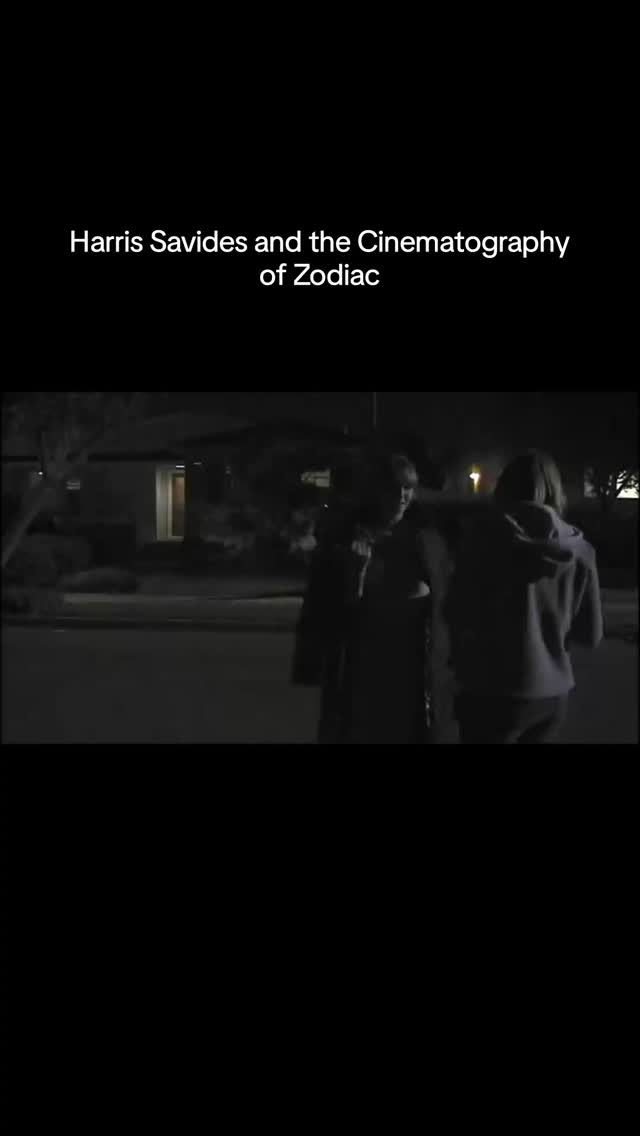
The cinematography of Zodiac, regardless of who was behind the lens for which sequence, is characterized by its precise compositions and often static, observational framing. This approach mirrors the meticulous, almost obsessive, nature of the investigators themselves. Long takes and controlled camera movements allow the audience to absorb the meticulously recreated environments, emphasizing the claustrophobia and futility of the hunt. Lighting, too, plays a crucial role in establishing the film's tone. Often, scenes are lit with a naturalistic, almost mundane quality, only to be punctuated by moments of stark, high-contrast illumination that heighten tension and underscore the lurking menace. Think of the chilling nighttime sequences, where streetlights and car headlights cut through the darkness, isolating characters and emphasizing their vulnerability.
The lens choices, while not always publicly detailed, would have been critical in achieving this look. Given the digital sensor and Fincher's preference for sharp, clean imagery, it's likely that a combination of modern, highly corrected prime lenses and perhaps some vintage glass for specific period-appropriate scenes were employed to achieve the desired balance of clinical precision and subtle character. The depth of field is often controlled to draw the viewer's eye to specific details, whether it's a clue on a desk or the haunted expression on a character's face. This precision in visual storytelling is a hallmark of Fincher's work, and in Zodiac, it serves to amplify the film's central theme: the elusive nature of truth and the overwhelming weight of unanswered questions.
Ultimately, Zodiac stands as a testament to the power of obsessive craftsmanship. From the costume department's forensic research to the groundbreaking digital capture with the Thomson Viper, every choice was made to enhance the film's unsettling realism. For cinematographers, it's a masterclass in how technical innovation, when coupled with an unwavering artistic vision, can transcend mere storytelling to create an immersive, haunting experience that lingers long after the credits roll. It reminds us that sometimes, the most profound cinematic impact comes from the most rigorous pursuit of authenticity, even in the face of the unspeakable.