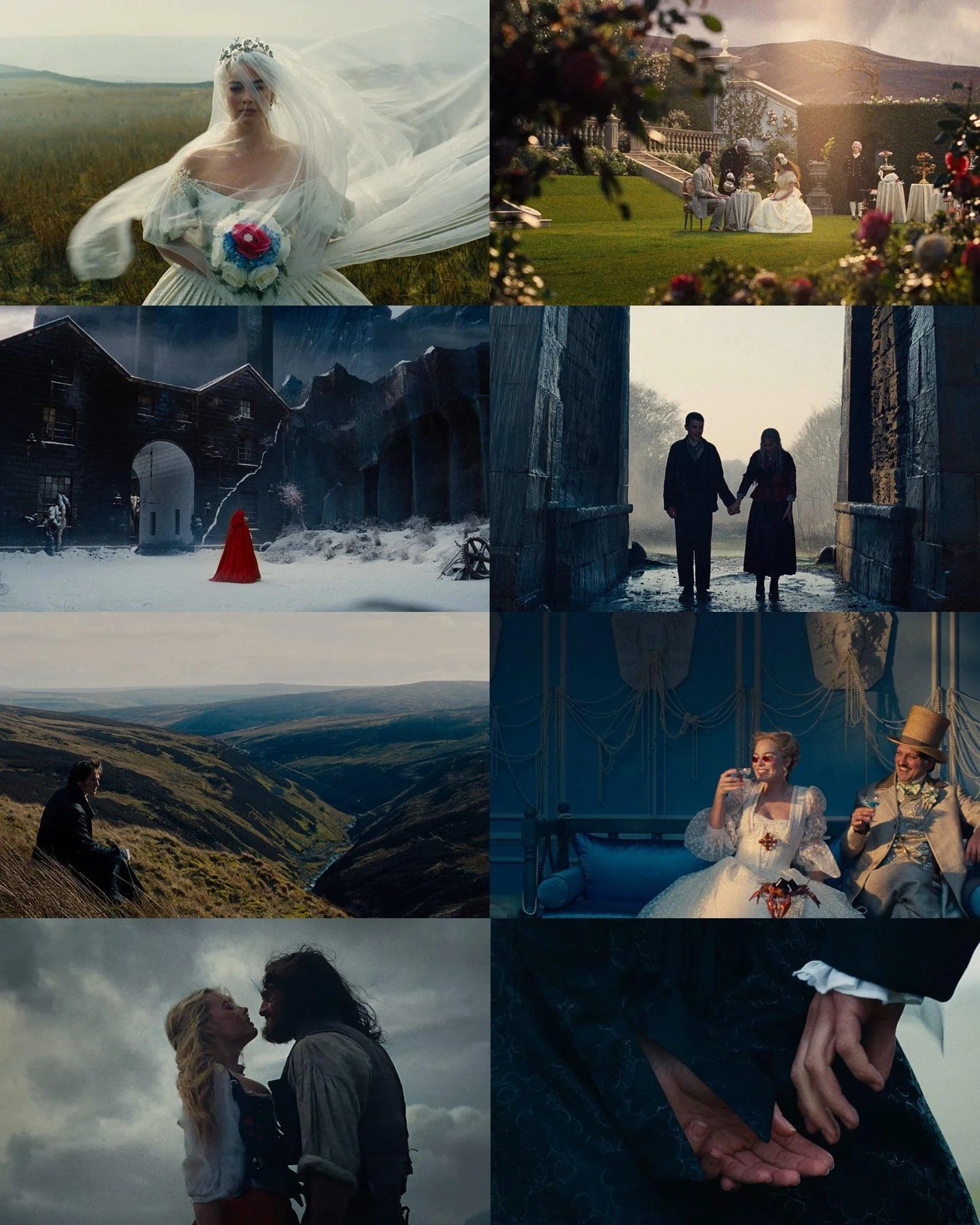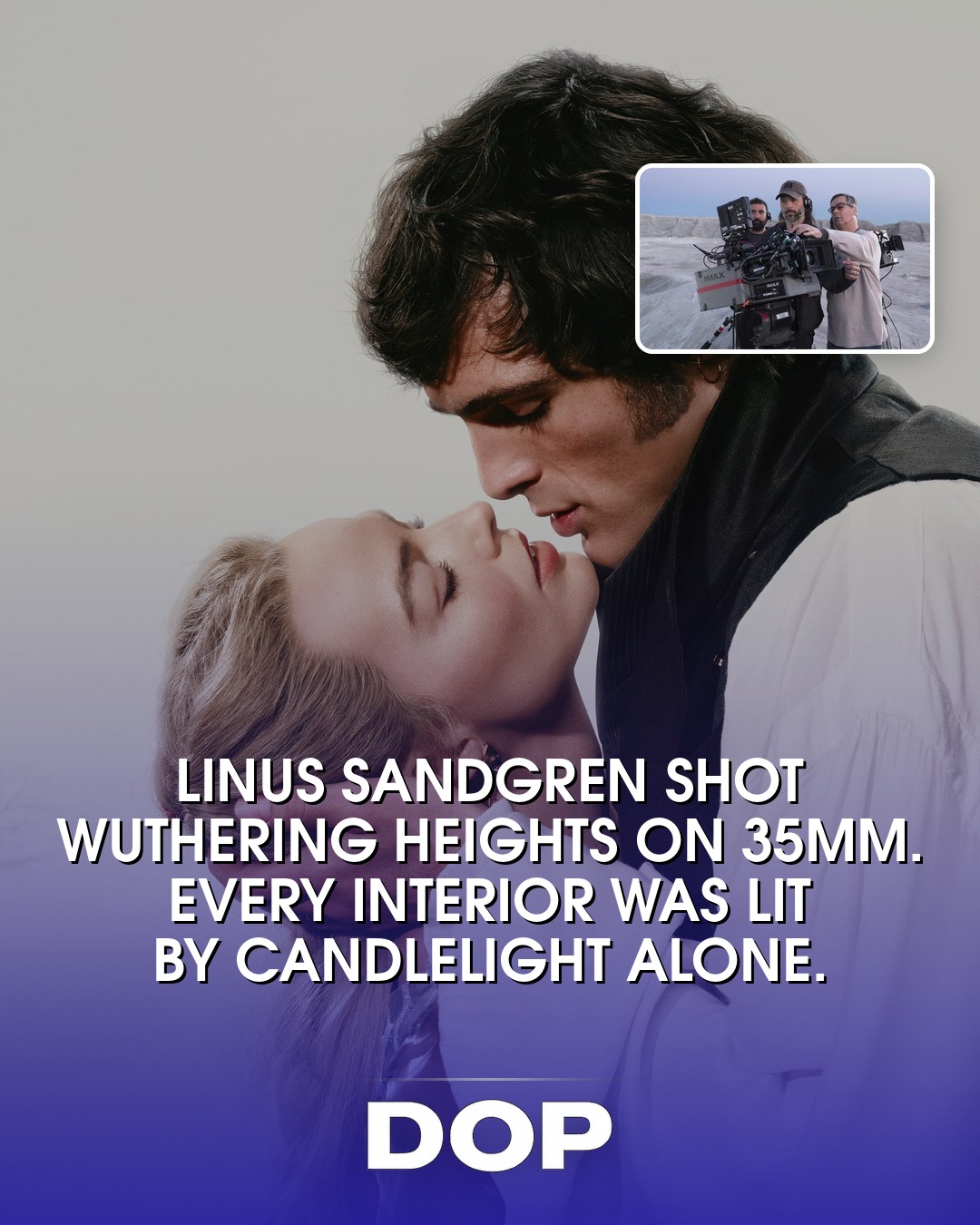
In an era increasingly dominated by the pristine, often sterile, aesthetic of digital capture, the news of Linus Sandgren's approach to Emerald Fennell’s Wuthering Heights adaptation sends a ripple of excitement through the cinematography community. Sandgren, a master of evocative imagery, known for his work on films like La La Land and No Time to Die, has made a profound statement by committing to 35mm film, specifically leveraging the unique characteristics of two distinct stocks – three-perf and VistaVision – to craft a world steeped in organic grain and the ethereal glow of tungsten-lit interiors.
This isn't merely a nostalgic nod to celluloid; it's a deliberate and highly technical choice. The decision to shoot interiors almost exclusively by candlelight, eschewing modern HMIs, speaks to a deep understanding of light's psychological and emotional impact. Candlelight, with its flickering, low-intensity, and inherently warm color temperature, interacts with film stock in a way that digital sensors, for all their advancements, struggle to replicate without extensive post-processing. The organic grain response of 35mm film under such conditions isn't just noise; it’s texture, it’s life, it’s the very breath of the past. The subtle color shifts, particularly the way film renders the amber and orange tones of firelight, would imbue the Wuthering Heights manor and the Linton estate with an unparalleled sense of claustrophobic romance and simmering tension.
Mastering the Interior Glow
Sandgren's philosophy here aligns with a long tradition of cinematographers who understood that the source of light profoundly influences the mood. Think of John Alcott's groundbreaking work on Barry Lyndon, where natural and practical light sources were paramount. While not as extreme in its dedication to naturalism, Sandgren's approach to Wuthering Heights shares that spirit of authenticity. The challenge of lighting entire sets with candles is immense. It requires meticulous planning, a deep understanding of exposure latitude, and a willingness to embrace the limitations as creative opportunities. The choice of film stock becomes critical here. Different stocks have varying sensitivities and color responses, and Sandgren's selection would undoubtedly be geared towards maximizing the subtle nuances of candlelight, allowing the blacks to fall into true darkness while holding detail in the flickering highlights.
“The organic grain response of 35mm film under such conditions isn't just noise; it’s texture, it’s life, it’s the very breath of the past.”
The interplay of three-perf and VistaVision is particularly intriguing. Three-perf 35mm offers a more economical use of film stock per frame, often used for its slightly wider aspect ratio potential without anamorphic lenses, or simply as a way to reduce film costs while retaining the 35mm look. VistaVision, on the other hand, is a large-format 35mm process where the film runs horizontally through the camera, exposing a much larger negative area. This results in significantly finer grain and higher resolution when projected or scanned. Sandgren's strategic deployment of these formats would likely be dictated by specific scene requirements – perhaps VistaVision for breathtaking establishing shots or pivotal close-ups where detail and texture are paramount, and three-perf for more dynamic, handheld, or dialogue-heavy sequences.
Conquering the Moors: Exterior Innovation
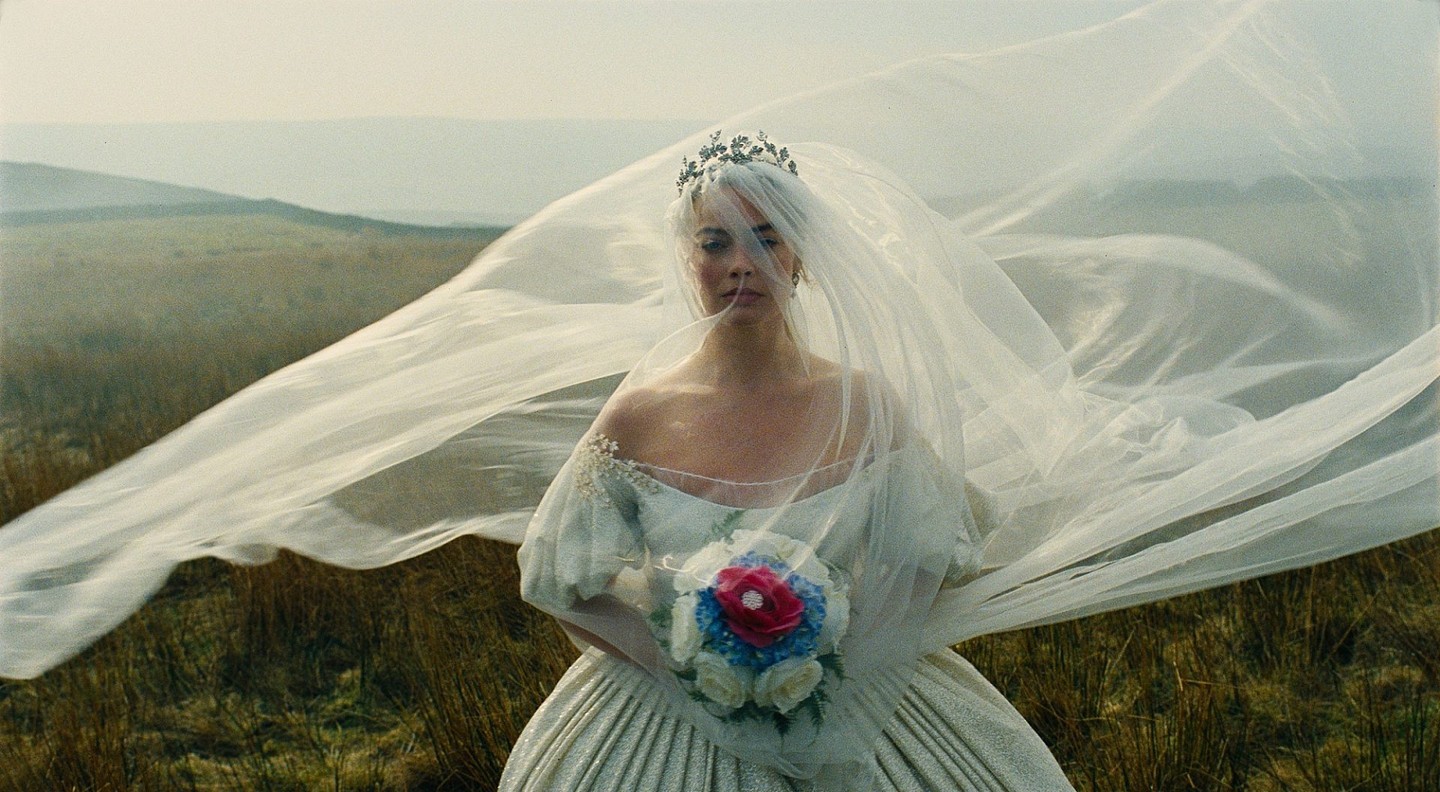
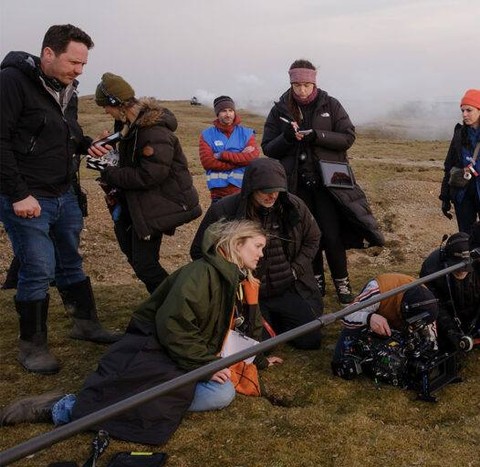
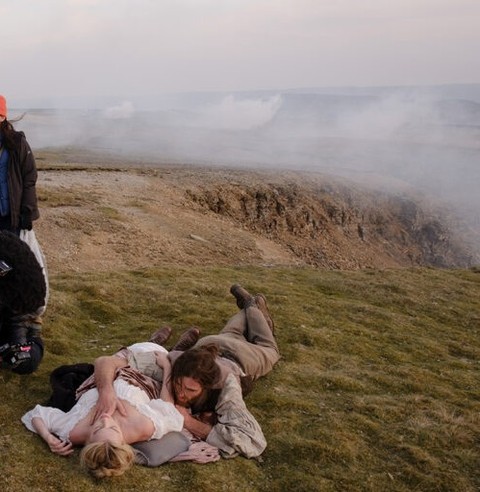
While the interiors promise a masterclass in controlled, atmospheric lighting, the exterior approach reveals another layer of Sandgren's ingenuity. The construction of a 360-degree studio lighting rig for the moor set is a testament to the production's commitment to visual consistency and control, even in seemingly untamed landscapes. The moors of Wuthering Heights are not merely a backdrop; they are a character, raw and unforgiving. To be able to light this expansive set from any direction, regardless of the sun's position or the caprices of natural weather, provides an unparalleled level of creative freedom. This isn't about creating artificial daylight; it's about shaping it, sculpting it, and ensuring that the visual language of the film remains cohesive, whether depicting the stark beauty of a sunrise or the brooding menace of an approaching storm.
This custom rig would allow Sandgren and his gaffing team to craft specific looks for different times of day or weather conditions, using an array of powerful lights, likely a combination of large-format HMIs (for punch and color temperature control) and perhaps even large-scale tungsten units for specific effects, all diffused and shaped to mimic natural light sources. The ability to look in any direction without compromising the lighting setup is a dream for any cinematographer, eliminating the constant battle against the sun and allowing for uninterrupted creative flow. It suggests a meticulous pre-visualization process and a significant investment in achieving a very particular aesthetic.
Ultimately, Linus Sandgren's choices for Wuthering Heights are a bold declaration of artistic intent. By embracing the inherent qualities of film, by meticulously crafting light, and by innovating with practical solutions for both interiors and exteriors, he is not just shooting a film; he is weaving a visual tapestry that promises to be as haunting and enduring as Emily Brontë's original masterpiece. This is cinematography as an act of profound dedication, a reminder that the tools, when wielded with vision and mastery, can transcend mere technicality and elevate storytelling to an art form.