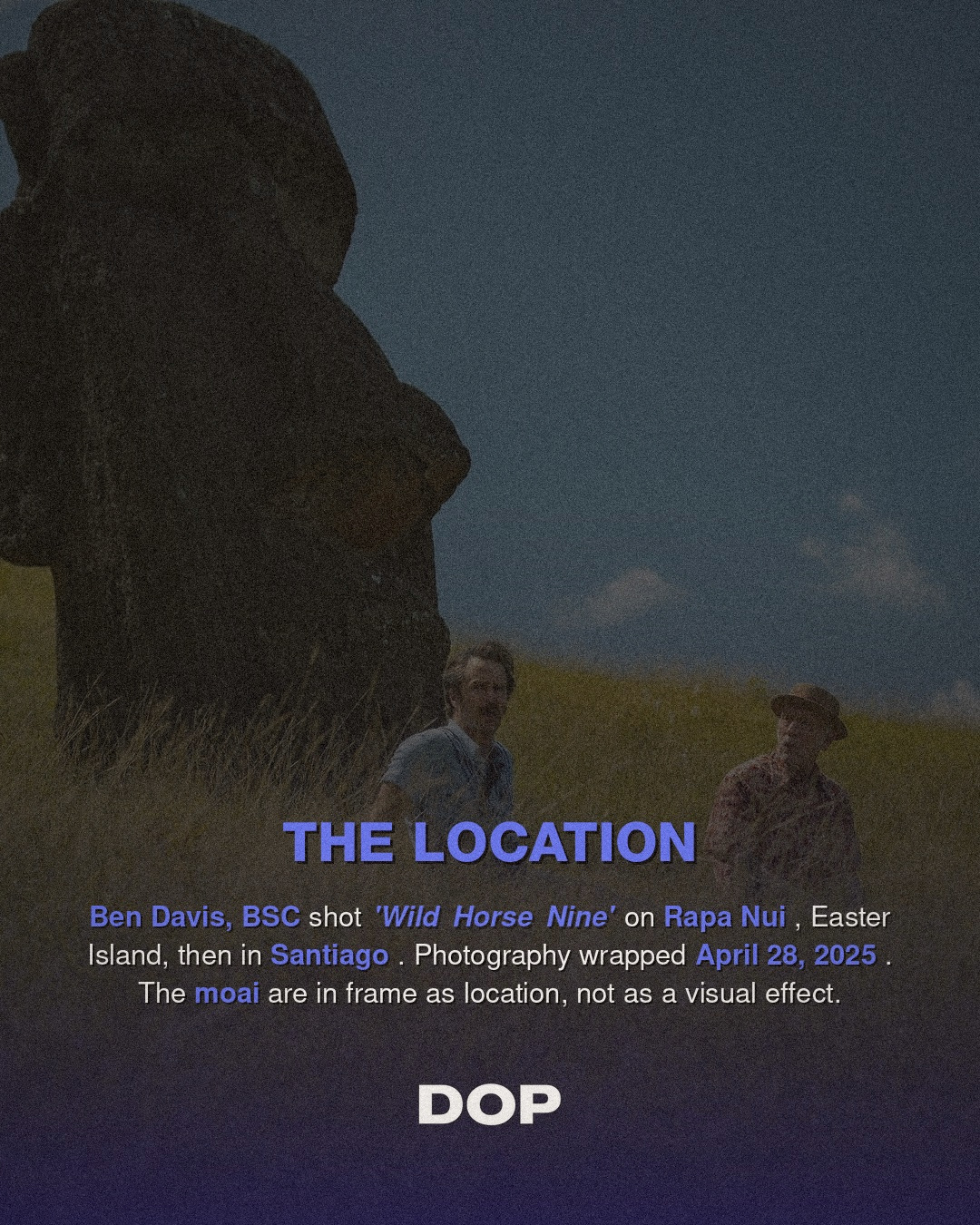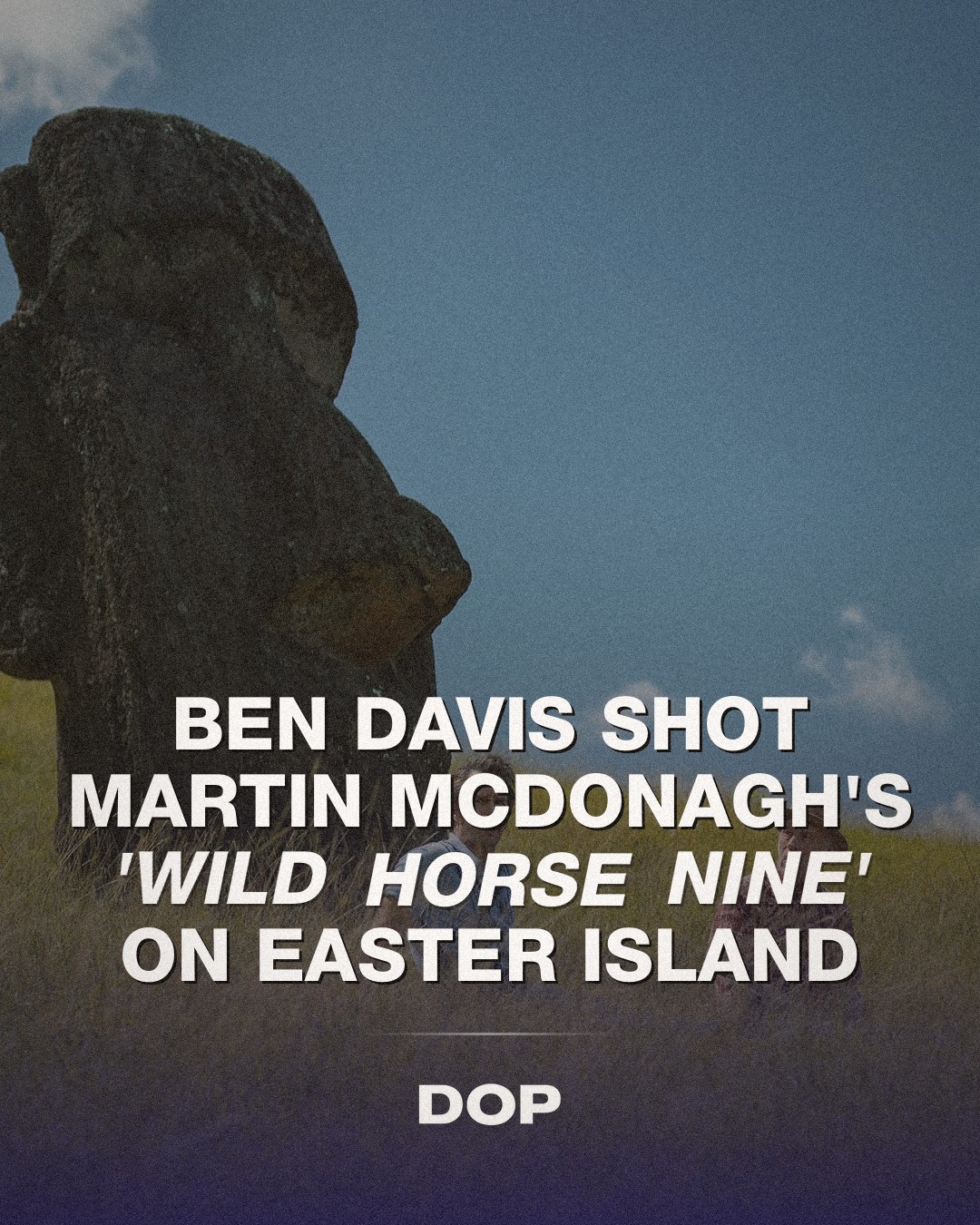
The recent buzz from Venice 83, where Martin McDonagh's Wild Horse Nine garnered an unprecedented 14-minute, 44-second standing ovation, the festival's longest this year, has our lenses firmly focused on its Director of Photography, Ben Davis BSC. Known for his versatility and distinctive visual language across blockbusters like Guardians of the Galaxy and prestige dramas such as Three Billboards Outside Ebbing, Missouri, Davis reunites with McDonagh for what promises to be another masterclass in cinematic storytelling. The film's principal photography, which wrapped on April 28, 2025, traversed the ancient, mystical landscapes of Rapa Nui (Easter Island) before moving to the vibrant cityscape of Santiago, Chile.
The very mention of Rapa Nui immediately conjures images of the monolithic moai, those colossal stone figures gazing out over the Pacific. For a cinematographer of Davis's caliber, these iconic sentinels are not merely set dressing; they are characters in themselves, imbued with history, mystery, and a silent gravitas that will undoubtedly shape the film's visual and emotional texture. How does one light a landscape dominated by such ancient wonders? We can anticipate Davis leveraging natural light, perhaps harnessing the golden hours to cast long, dramatic shadows that emphasize the moai's scale and enigmatic expressions, or utilizing the stark, high-contrast light of midday to highlight their rugged materiality against the vast ocean and sky.
The Davis Aesthetic: Crafting Visual Narratives
Ben Davis's filmography is a testament to his adaptability, yet a thread of meticulous composition and evocative lighting ties his diverse projects together. From the vibrant, comic-book hues of the Marvel Cinematic Universe to the stark, melancholic beauty of McDonagh's previous works, Davis consistently delivers images that serve the narrative, often becoming a character in their own right. His approach frequently involves a balanced use of practical light and subtle augmentation, creating naturalistic yet highly stylized environments. For Wild Horse Nine, particularly on Rapa Nui, we might expect a more restrained, perhaps even austere, palette, allowing the raw beauty of the island and the stoic presence of the moai to speak volumes.
Considering the transition from Rapa Nui to Santiago, Davis will have faced distinct challenges and opportunities. The shift from an isolated, ancient landscape to a bustling urban environment demands a versatile approach to cinematography. We could see a move from wide, expansive vistas on Easter Island, perhaps captured with anamorphic lenses to emphasize epic scale and isolation, to tighter, more intimate framing in Santiago, possibly utilizing spherical lenses for a different kind of visual immediacy. The contrast in color temperature and light quality between the two locations will be fascinating to observe, undoubtedly used to underscore thematic shifts within the story.
“Ben Davis possesses that rare ability to find the profound in the everyday and the epic in the intimate. His lens doesn't just record; it interprets, it feels, it tells the story with every frame.”
Technical Choices and Thematic Resonance
While specific camera and lens choices remain under wraps, given Davis's previous work, it's plausible he continued with digital cinema cameras known for their dynamic range and color fidelity, such as ARRI Alexa models. The ability to capture subtle nuances in the stark Rapa Nui light and the complex urban glow of Santiago would be paramount. Lens choices are equally critical; for the wide, desolate expanses of Easter Island, a set of lenses with a distinct character, perhaps vintage anamorphics or modern optics designed for unique bokeh and fall-off, could imbue the moai and their surroundings with an almost mythic quality. For Santiago, a more naturalistic, perhaps slightly grittier, look might be achieved to reflect the human drama unfolding there.
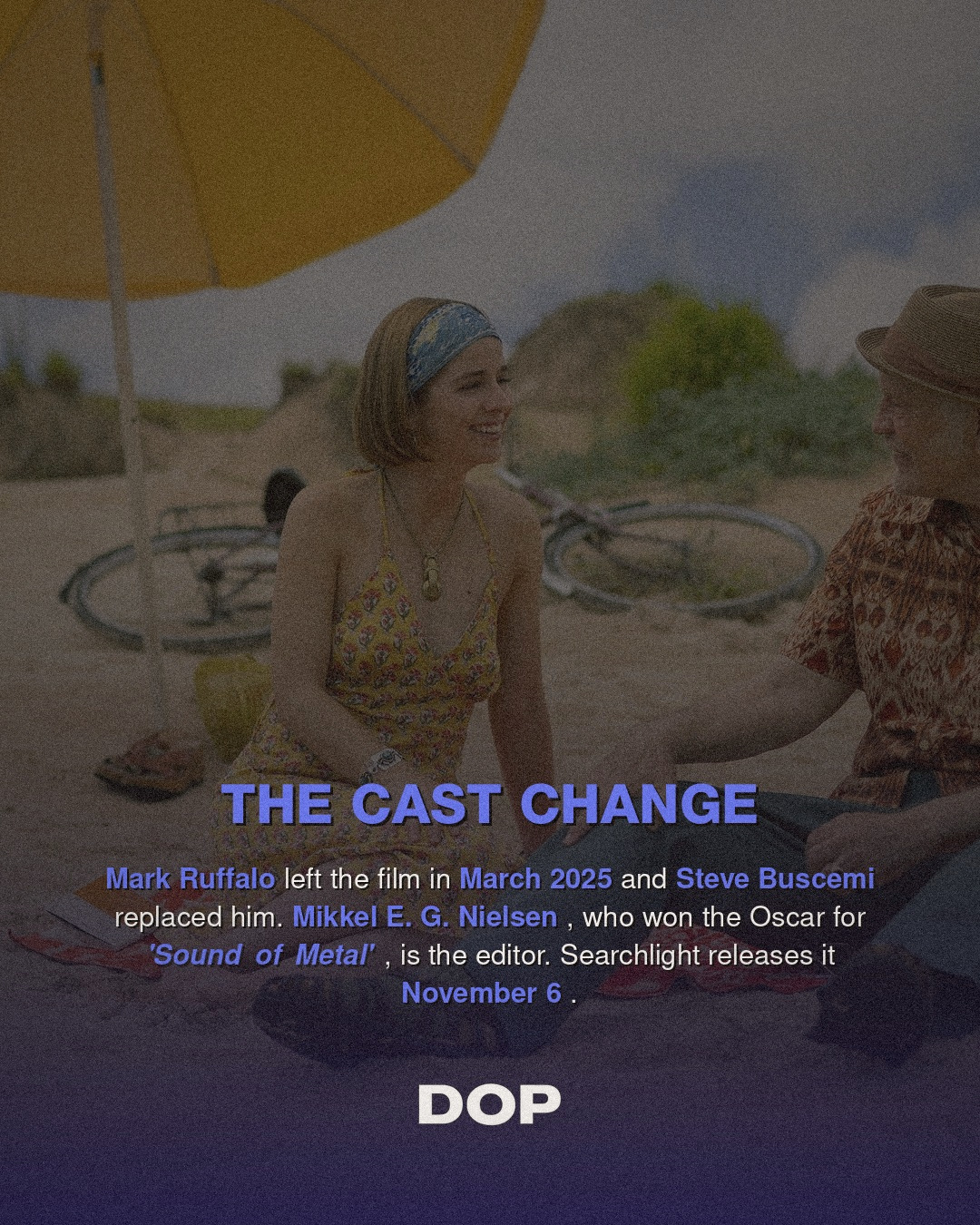
The film's reception at Venice, with John Malkovich and Sam Rockwell's emotional reactions, hints at a deeply moving narrative. This emotional resonance is something Davis is adept at visually supporting. He understands that cinematography isn't just about beautiful images; it's about conveying emotion, subtext, and the inner lives of characters. The reported replacement of Mark Ruffalo by Steve Buscemi during production also adds an intriguing layer, suggesting a complex narrative that required significant shifts. Mikkel E. G. Nielsen, an Academy Award-winning editor, will undoubtedly shape Davis's footage into a cohesive and impactful cinematic experience, working hand-in-hand with the visual rhythm established by the cinematography.
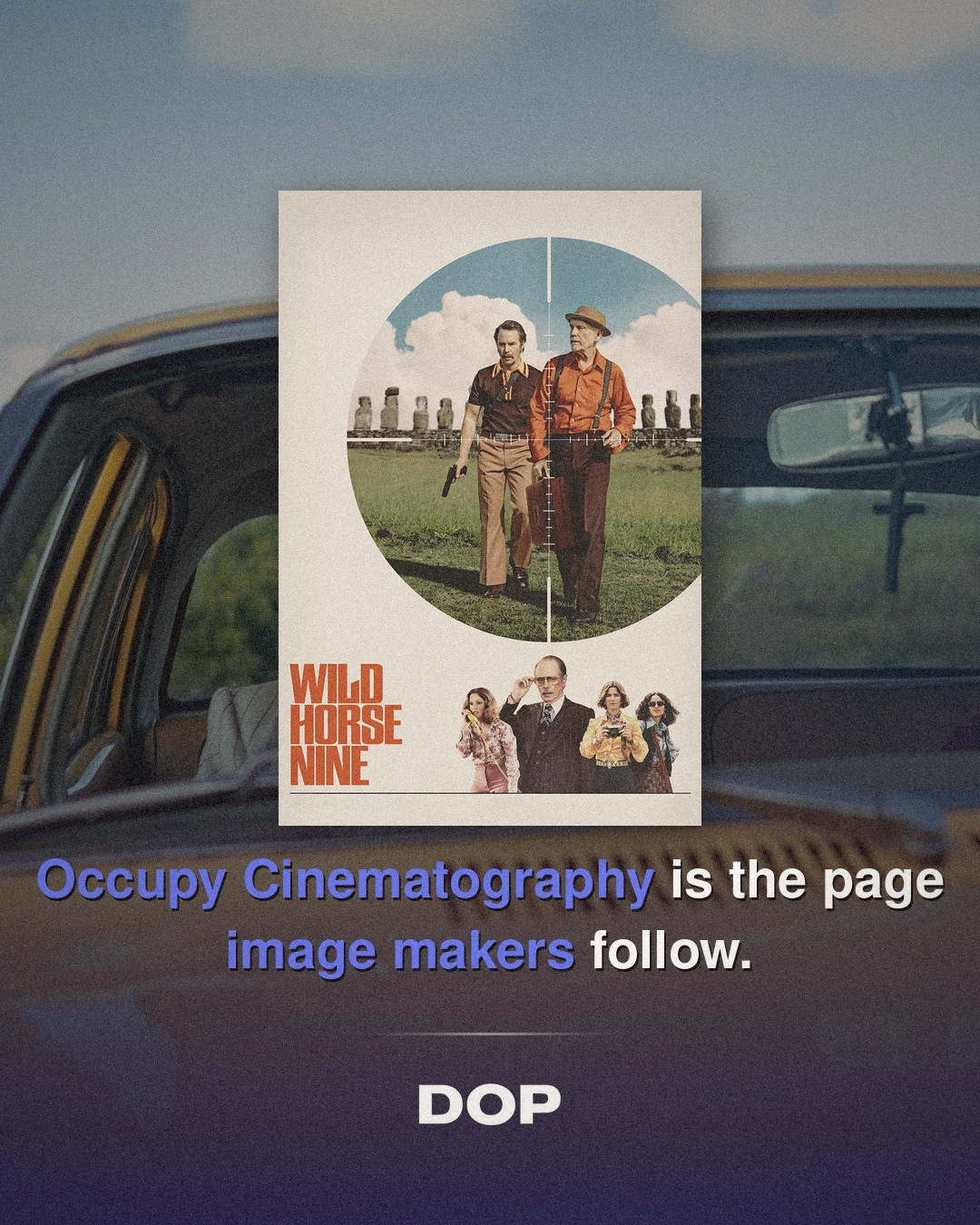
As Wild Horse Nine prepares for its November 6 release by Searchlight, cinematographers and film enthusiasts alike will be eagerly dissecting Davis's choices. His ability to blend the grand with the intimate, the ancient with the modern, and the mythical with the deeply human, all while maintaining a visual integrity unique to his craft, makes this collaboration with Martin McDonagh a must-see. The moai in frame, as mere location, become silent witnesses to a story that, by all accounts, has already moved audiences to tears. We can't wait to see how Ben Davis BSC has brought their timeless gaze, and the wild heart of this story, to life.