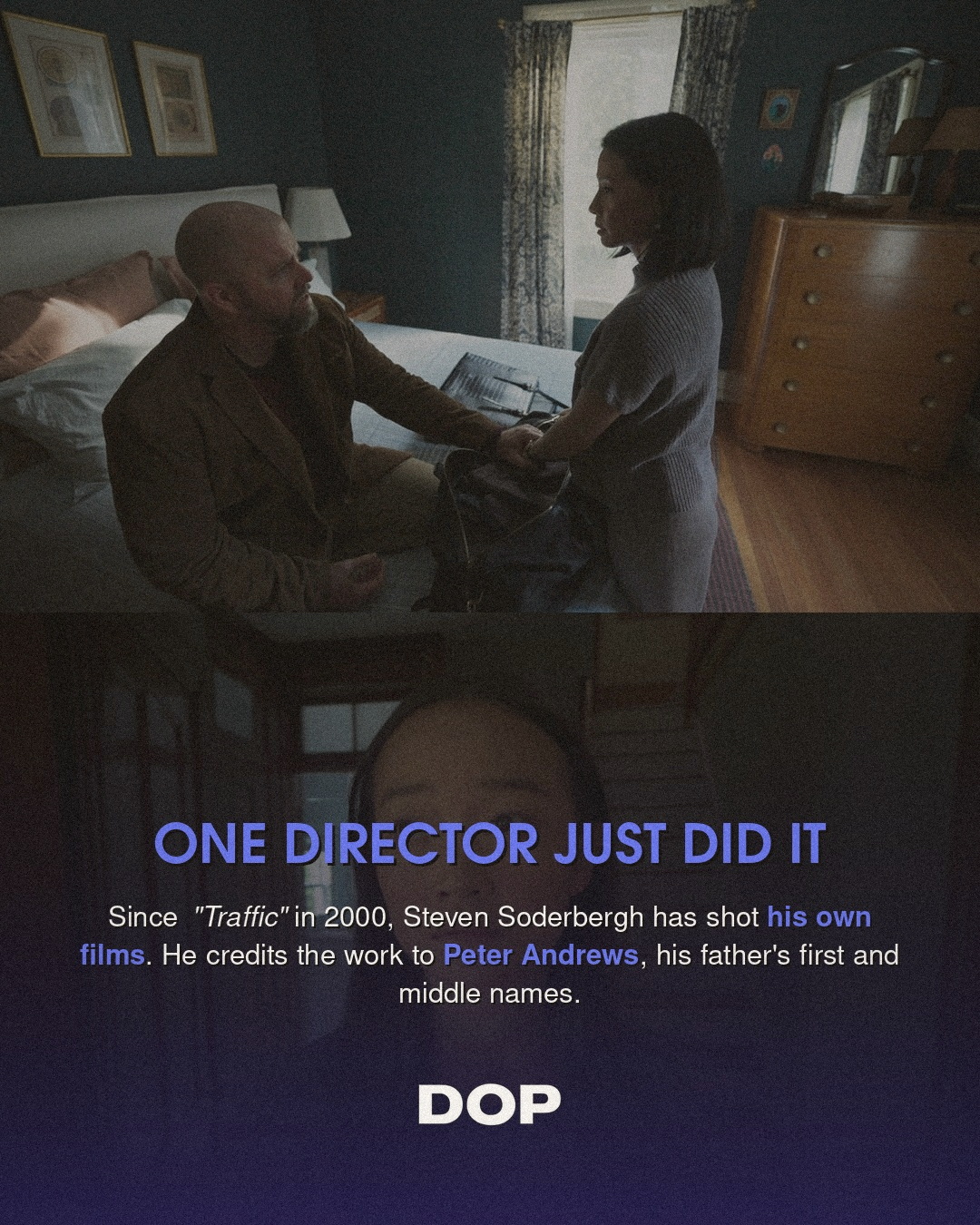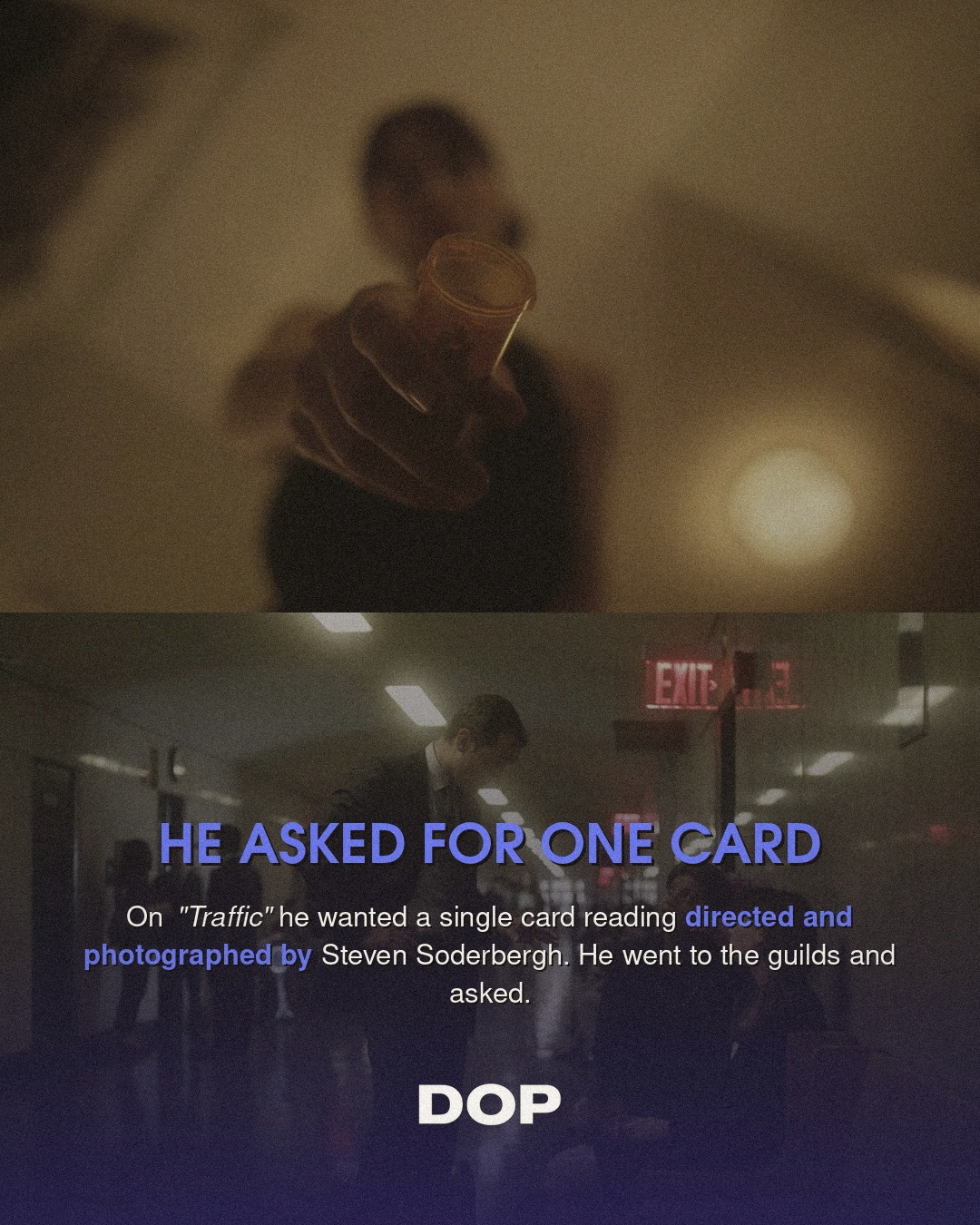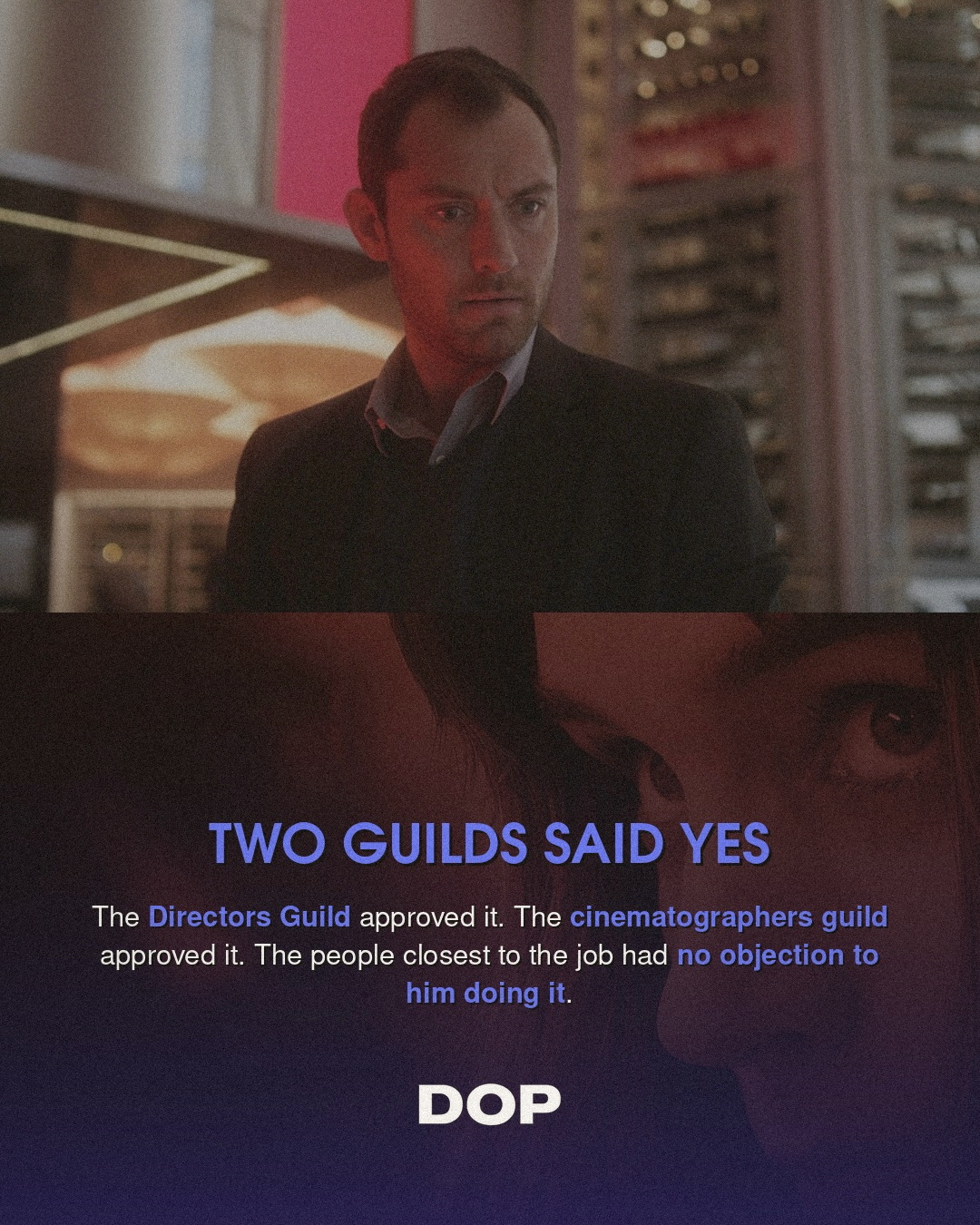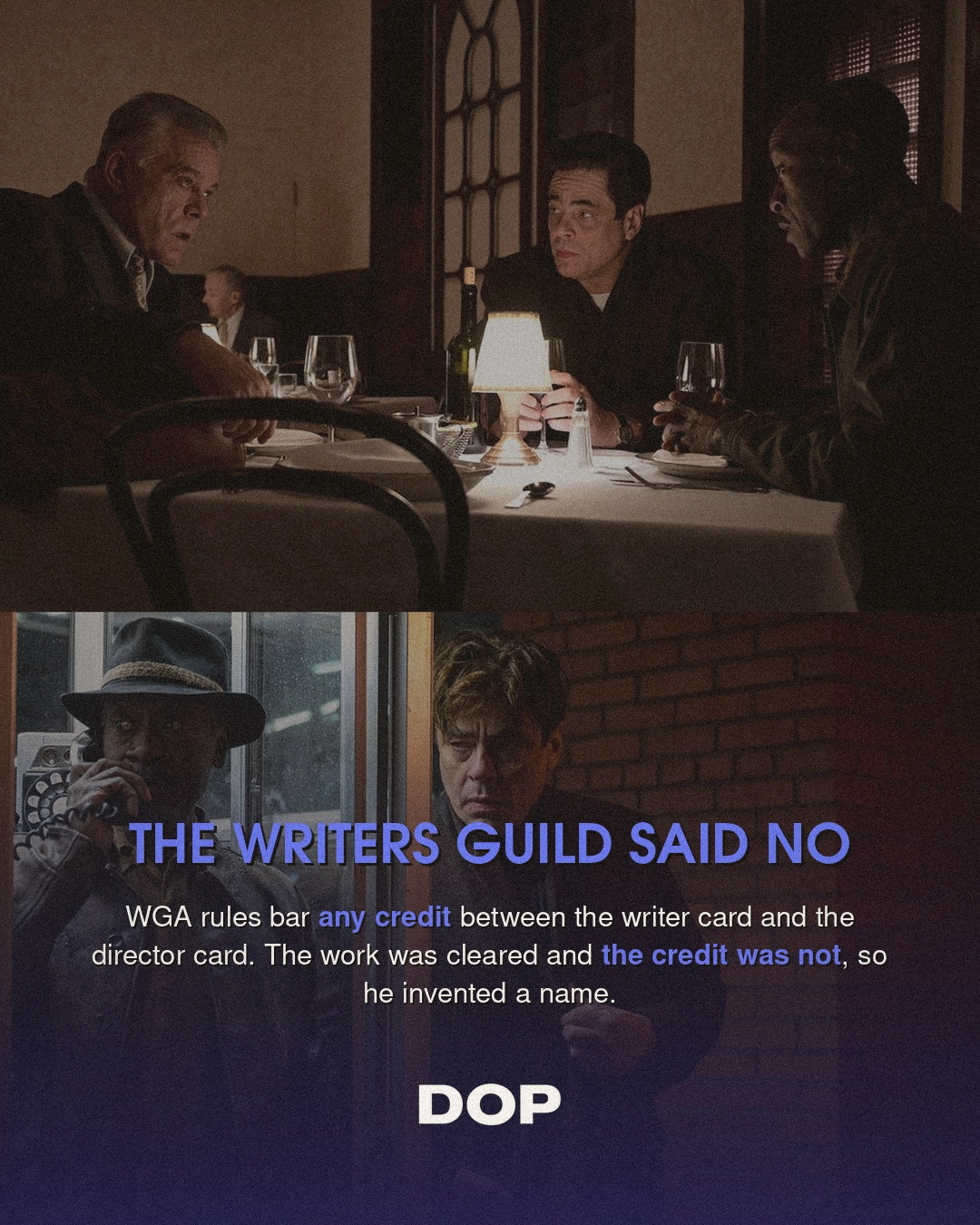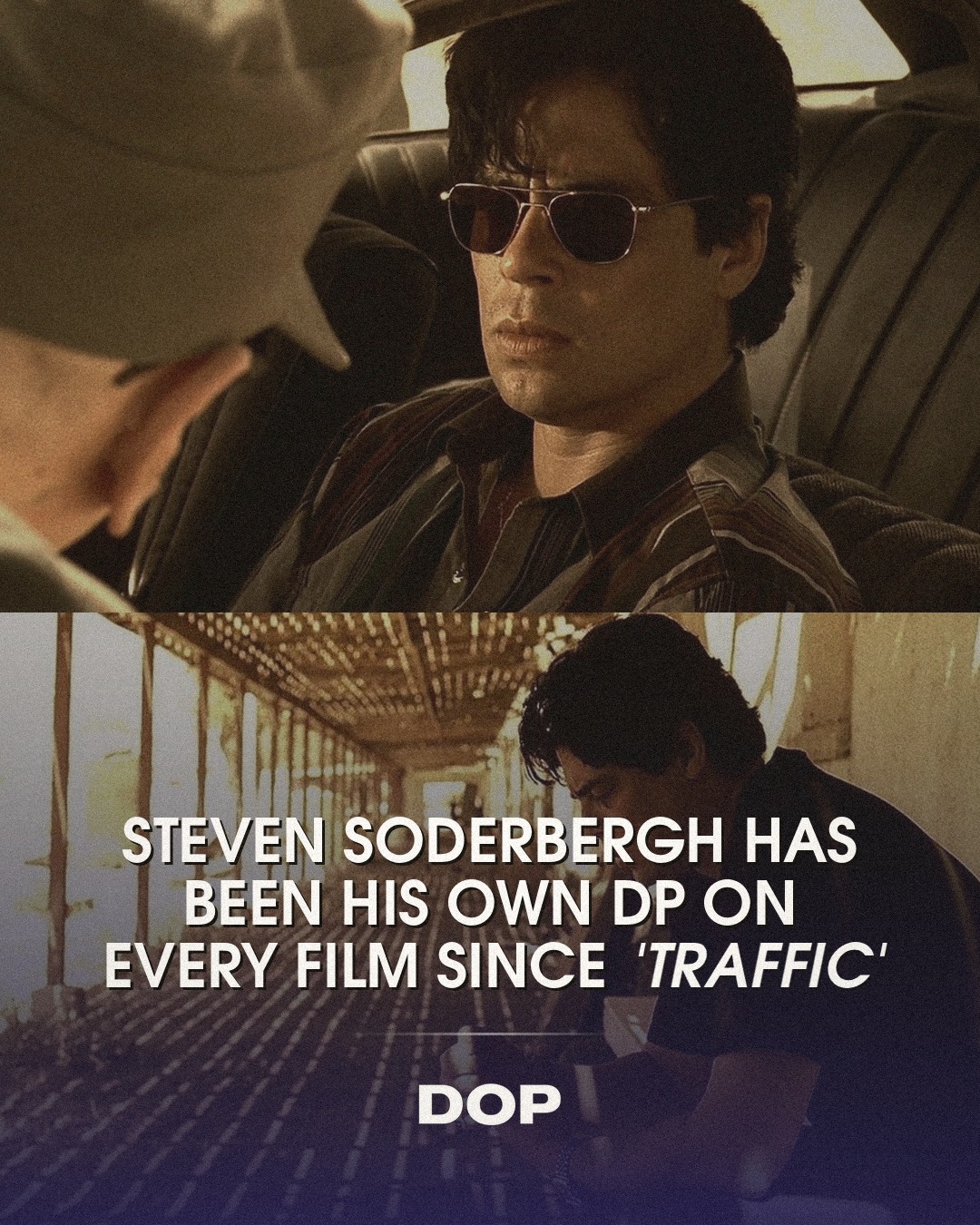
When Steven Soderbergh stepped behind the camera on Traffic in 2000, he wasn't looking to create an elusive alter ego. He was simply trying to work faster, cheaper, and closer to his actors. Having operated the camera and shaped the visual vocabulary on low-budget independent sets, Soderbergh wanted single-card billing: “Directed and Photographed by Steven Soderbergh.” Both the Directors Guild of America and the International Cinematographers Guild (IATSE Local 600) signed off on the dual credit. The obstacle came from an unexpected corner: the Writers Guild of America.
The Guild Politics Behind Peter Andrews
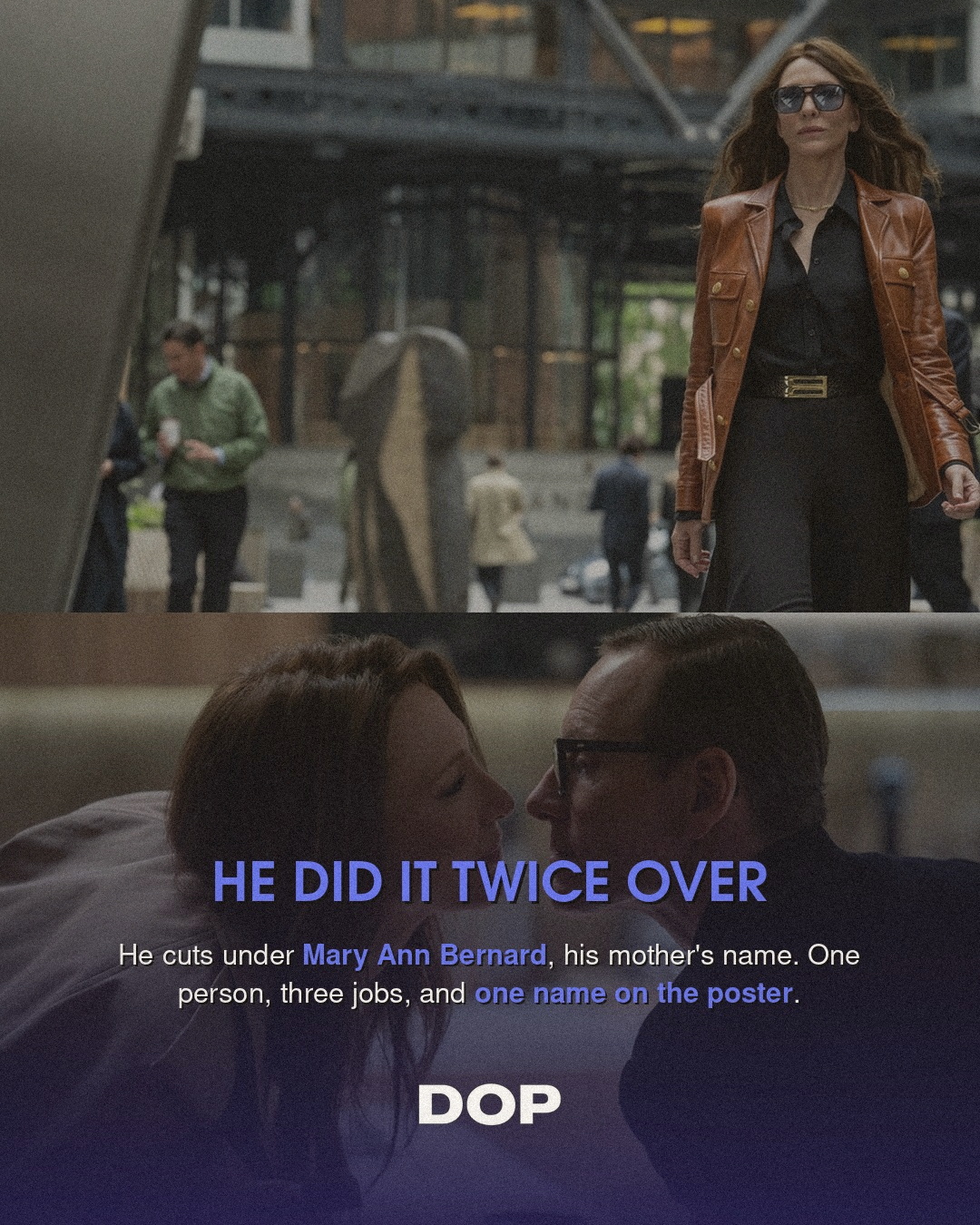
The WGA’s strict credit rules mandate that no professional credit may sit between the writer and director credits, ensuring the writing craft maintains equal visual hierarchy on the title cards. Because Soderbergh was not willing to compromise on his operating approach or surrender camera control, a practical compromise was struck. He adopted the pseudonym “Peter Andrews”—his father’s first and middle names—to satisfy union protocol. Later, his editing work would similarly be credited to “Mary Ann Bernard,” his mother’s maiden name.
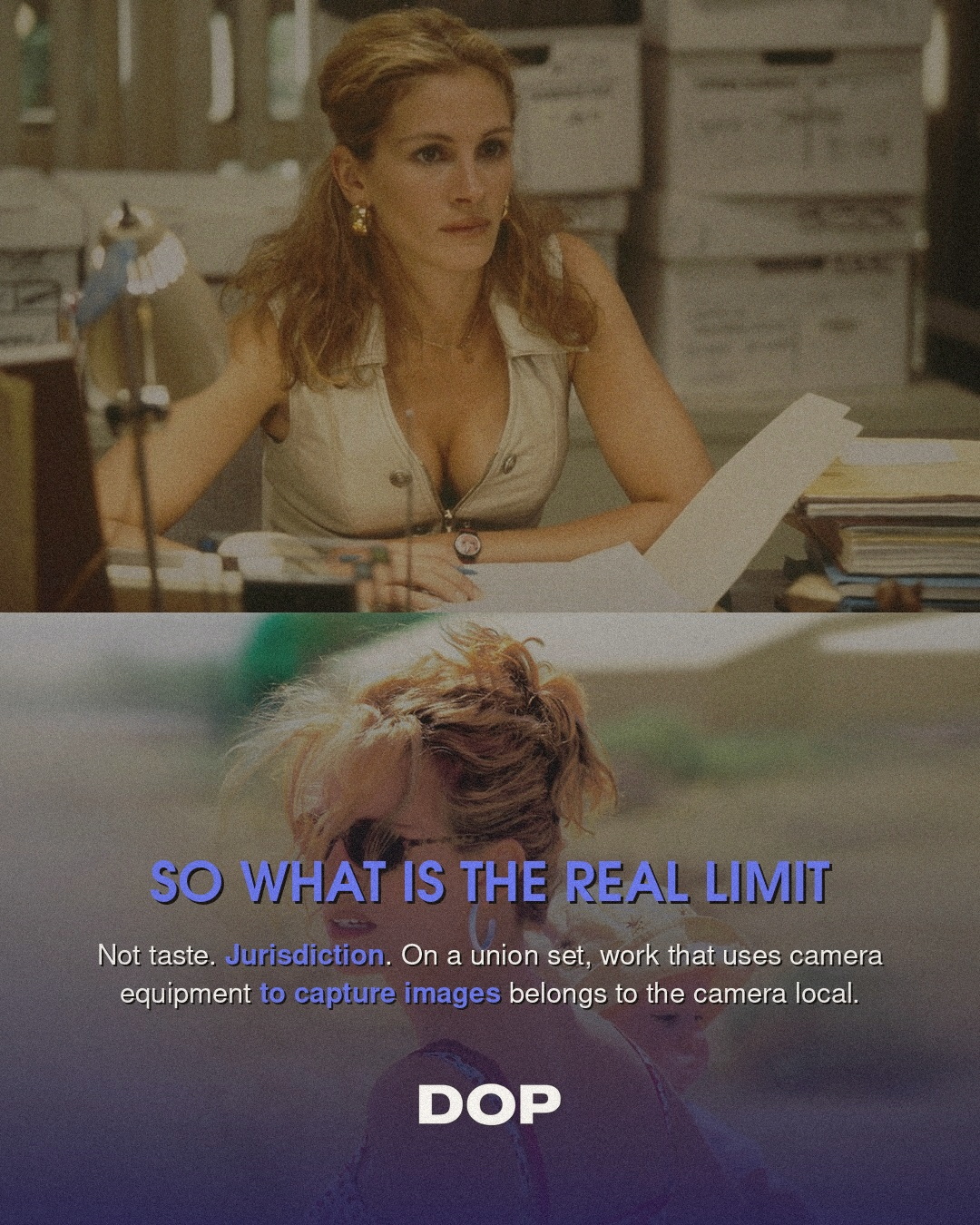
The restriction was purely jurisdictional, not artistic. Camera operation on major union productions strictly belongs to Local 600, and while directors directing from behind the eyepiece was common in European arthouse cinema, it remained an anomaly on American studio sets. Soderbergh didn’t just operate; he took on the full mantle of Director of Photography, metering the light, designing coverage, and dictating camera movement.
“Operating the camera allows me to make editorial decisions at the moment of execution, cutting out the translation layer between director and DP.”
The Technical Evolution of an Auteur Operator
Soderbergh’s visual approach under the Peter Andrews moniker reshaped modern cinematography. On Traffic, he deployed starkly distinct aesthetic registers across three interlocking storylines: cross-processed Kodak 5279 with heavy yellow/tobacco filtration and aggressive pushing for the Tijuana sequences, cool monochromatic tungsten-balanced palettes for Washington D.C., and saturated 5274 for San Diego. Operating handheld with a modified Panavision Millennium, he kept the physical footprint minimal.
As digital cinema emerged, Soderbergh became an early, aggressive adopter. While traditional cinematographers resisted digital acquisition, Soderbergh took prototype RED One cameras into the jungles of Spain and Puerto Rico for Che (2008). Paired with Cooke S4 primes and RED-Pro zooms, he embraced native 4K capture under demanding ambient conditions, demonstrating that digital sensors could withstand brutal production environments while maintaining dynamic range in dense foliage.
Pragmatism and Light: The Modern Soderbergh Style
Over the past two decades, the Peter Andrews aesthetic has refined into masterclasses in naturalistic lighting, high agility, and wide-angle spatial geometry. From the surgical, cool-toned LED lighting on Contagion to the available-light mastery and low-light sensor utilization of The Knick and Kimi, Soderbergh consistently favors unobtrusive setups over heavy grip packages.
Today, shooting predominantly on large-format RED Monstro and V-Raptor bodies paired with bespoke vintage optics, Leica Summilux-C, or customized wide anamorphic glass, Peter Andrews represents more than a guild workaround. It stands as a testament to an artist who collapsed the traditional Hollywood hierarchy, proving that the shortest distance between a director’s vision and the audience’s eye is holding the camera yourself.
This article contains affiliate links. We may earn a small commission at no extra cost to you. Learn more.