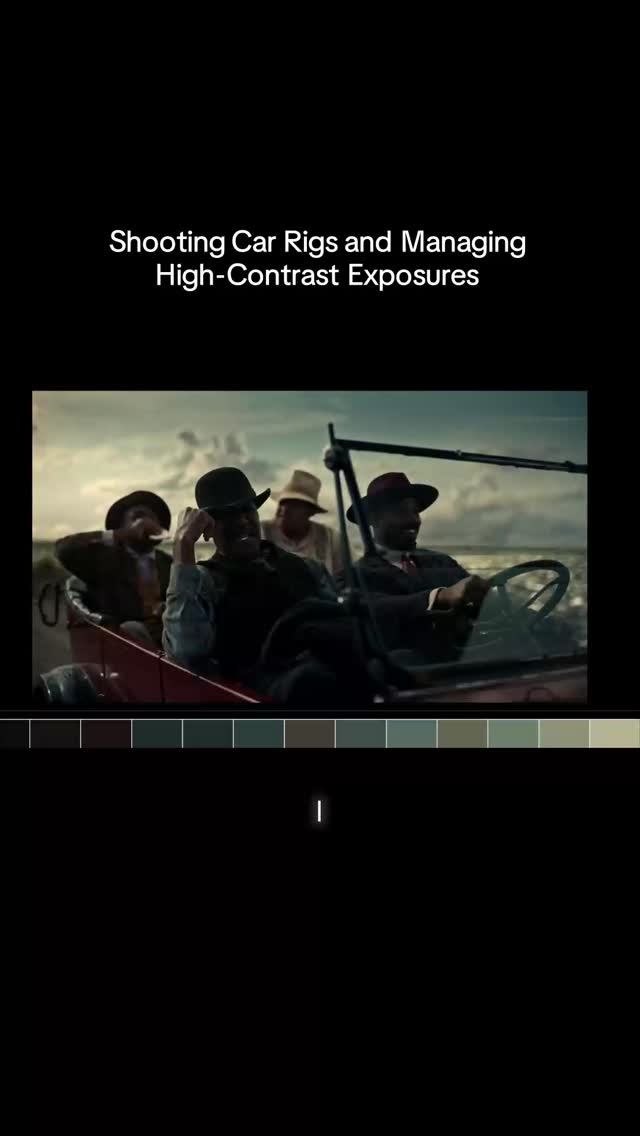
In recent years, the visual effects industry has celebrated the LED volume as the ultimate panacea for car chase photography. The promise of controlled environments, perfect interactive lighting, and air-conditioned stages is undeniably tempting for line producers. Yet, a growing contingent of directors of photography are pushing back against the virtual mandate, arguing that synthetic environments lack the kinetic danger, micro-vibrations, and raw environmental chaos that define classic vehicle sequences. To capture true cinematic grit, you have to hit the real asphalt.
At the center of modern practical car work is the biscuit rig, a low-profile, custom-engineered vehicle platform that separates driving mechanics from actor performance. By placing a secondary driving pod on the roof or side of a low-slung chassis, a professional stunt driver operates the vehicle while the talent sits inside a dummy car shell grounded just inches above the pavement. This allows the camera team to rig heavy cinema payloads, such as an ARRI ALEXA 35 paired with vintage anamorphic glass, dangerously close to the actors without relying on green screen or virtual LED background plates.
The Kinetic Advantage of the Biscuit Rig
The visual distinction between an LED volume and a practical biscuit rig comes down to dynamic physics. In a volume, the camera moves around a static vehicle while pre-rendered plates play on background panels. Even with sophisticated motion bases, the subtle physics of body roll, tire compression, and natural road vibration are extraordinarily difficult to simulate perfectly. A biscuit rig, conversely, subject the camera sensor and the talent to genuine G-forces, actual wind shear, and authentic roadside parallax.
When a camera is mounted on a process trailer or biscuit rig using hard points and shock-absorbing isolation arms, wide focal lengths, like a 21mm or 28mm, can be positioned close to the tires or windshield. As the rig accelerates, the real-world micro-shake creates an organic kinetic energy that translates directly to the audience’s visceral response. You cannot fake the precise, high-speed shutter artifacts of dust particles scattering off asphalt at 60 miles per hour.
Exposing for Highlights: Embracing Natural Shadow
Beyond the physical mechanics of the car rig, practical outdoor photography demands a radical lighting and exposure philosophy. Virtual production often encourages hyper-balanced lighting where both the talent and background are safely exposed within the center of the sensor's dynamic range. On the open road, true atmospheric grit requires DPs to embrace extreme contrast ratios by spot-metering for the brightest element in frame: the sky.
"Real cinematic grit isn't created in a digital sandbox; it's forged in the unpredictable friction between glass, light, and asphalt."
By exposing strictly to protect bright highlights and natural sky detail, talent faces inside the vehicle cabin naturally fall into deeper shadow, sometimes one to two and a half stops below key exposure. Utilizing modern high-dynamic-range sensors with latitude-rich log curves allows shadows to maintain detail without losing the punch of high-contrast sunlight. This natural fallout mimics how human vision reacts to harsh environments, creating a grounded, documentary-like aesthetic that immediately signals authenticity to the viewer.
Enduring the Elements for Unforgiving Frames
The pursuit of visual realism extends to managing extreme weather and hyper-specific daylight windows. Shooting high-speed vehicle inserts in 110-degree desert heat presents technical hurdles, sensor thermal management, specialized lens cooling, and lens flare artifacts from extreme heat haze. Yet, that heat haze creates genuine atmospheric compression down the road, naturally diffusing distant elements in a way no post-production depth map can replicate.
The Practical Future of Cinematic Action
Similarly, chasing a twilight horizon for short, highly atmospheric narrative beats requires relentless operational precision. With a 15-minute magic-hour window, the camera crew has no room for system recalibrations or software reboots. The rig must run, the exposure must be locked to the glowing horizon, and the physical vehicle must slice through real dusk atmosphere. This relentless commitment to physical filmmaking reminds us that while virtual production offers efficiency, nothing replaces the visceral, tactile power of real light hitting real glass on a open stretch of road.