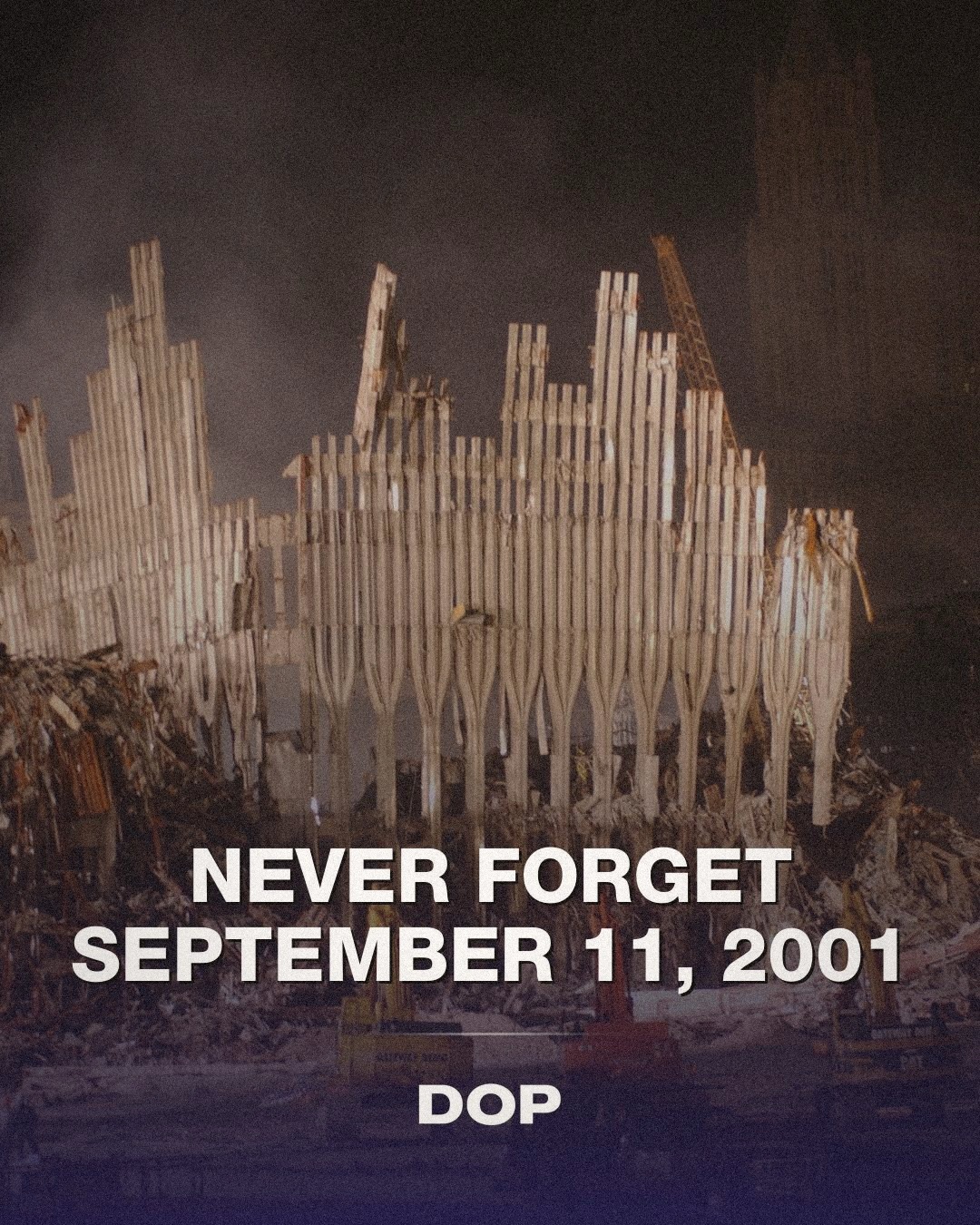
In the annals of motion picture history, the tools of our trade, cameras, lights, lenses, are typically wielded to craft narratives of fiction, to transport audiences to imagined worlds. Yet, there are rare, profound instances when the very infrastructure of filmmaking is repurposed, not for entertainment, but for essential, humanitarian service. The aftermath of September 11, 2001, presented one such unprecedented moment, transforming the debris field of Ground Zero into an unlikely, yet critical, production site where the craft of cinematography, in its broadest sense, became an act of profound compassion.
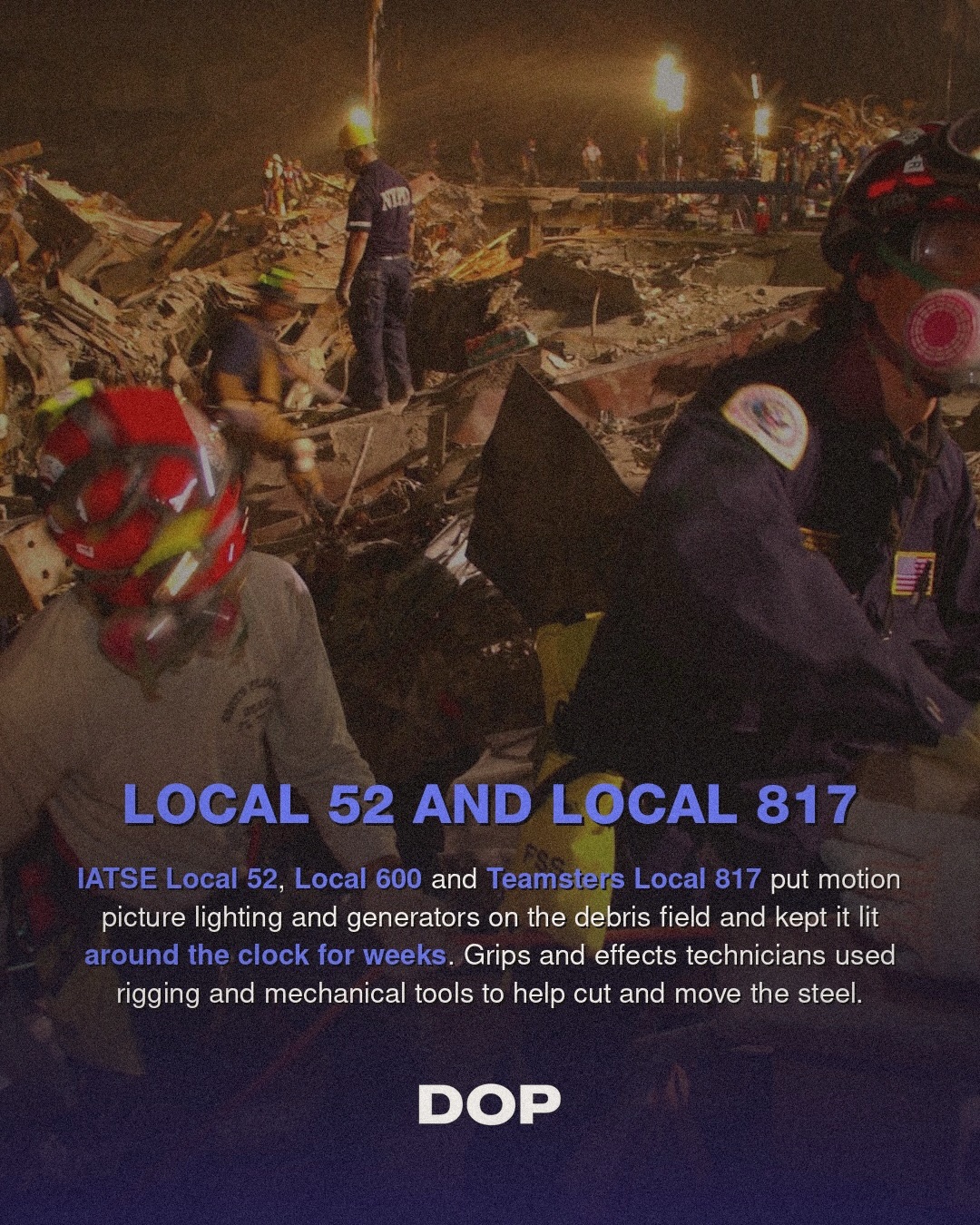
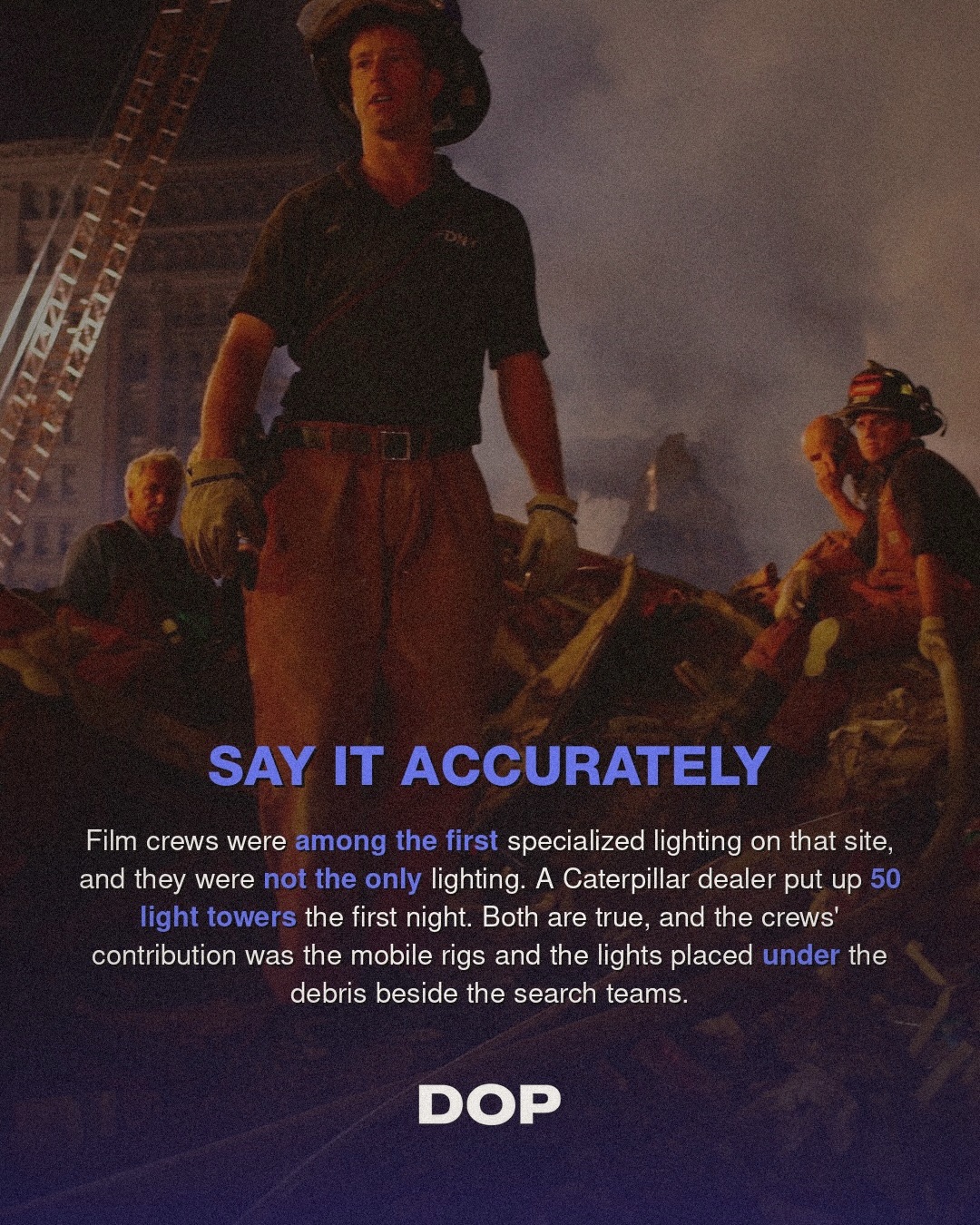
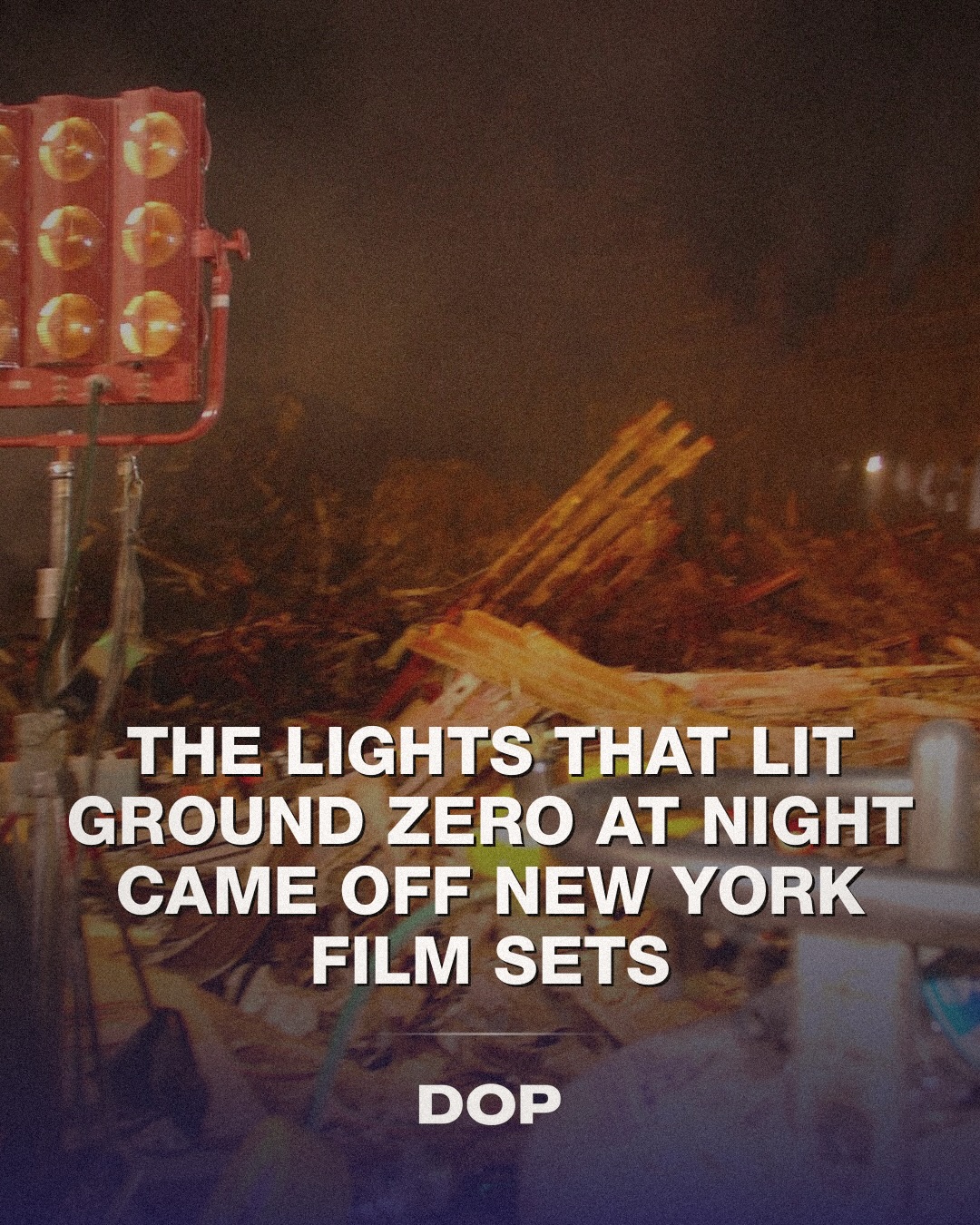
The scale of the devastation demanded an immediate, unwavering response, and the specialized skills of IATSE unions, Local 52 (Studio Mechanics), Local 600 (International Cinematographers Guild), and Teamsters Local 817 (Motion Picture & Theatrical Trade), proved indispensable. These were the men and women who understood how to wrangle immense power, deploy colossal lighting arrays, and maintain operations under the most challenging conditions imaginable. For weeks, their generators hummed, their lights pierced the perpetual dust cloud, keeping the recovery efforts illuminated around the clock. This wasn't about achieving a dramatic look; it was about visibility, safety, and the relentless pursuit of recovery.
The Unsung Heroes of Illumination
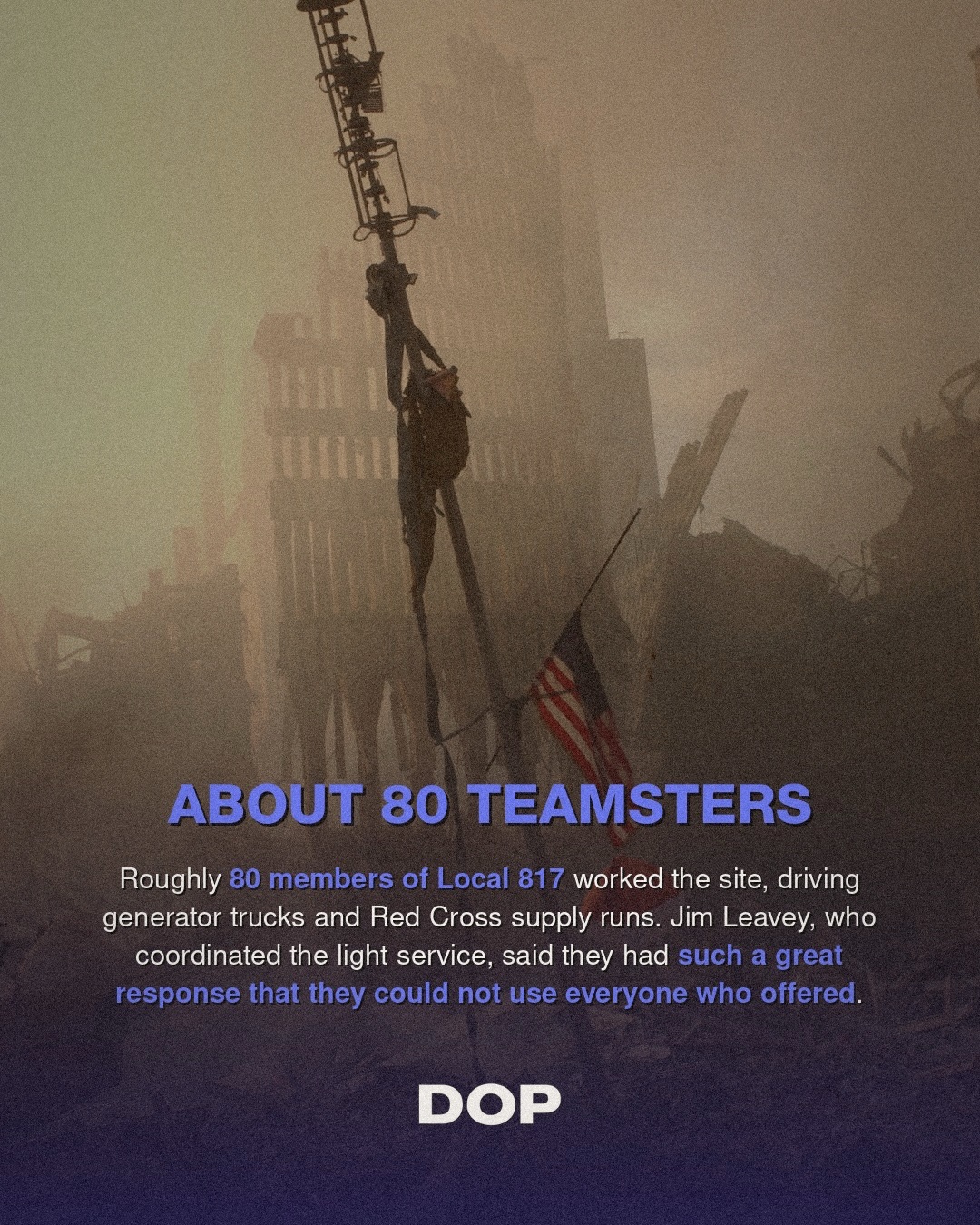
The logistics were staggering. Imagine powering an entire city block, not with conventional grid infrastructure, but with mobile generators capable of sustaining the massive electrical load required for round-the-clock operations. This is where the Teamsters of Local 817, accustomed to transporting and deploying heavy equipment, became vital. They ensured the continuous flow of fuel and the strategic placement of these powerhouses. Meanwhile, Local 52 grips and effects technicians, masters of rigging and practical effects, applied their ingenuity to a grim reality. They used their mechanical tools and deep understanding of structural integrity, not to create cinematic illusions, but to aid in the meticulous, dangerous work of debris removal and stabilization.
"We were not just lighting a set; we were lighting a wound, giving vision to those trying to heal it. The 'Ruby 7' wasn't just a lamp; it was a testament to ingenuity born from necessity." - Charles Libin (as imagined, reflecting on the period)
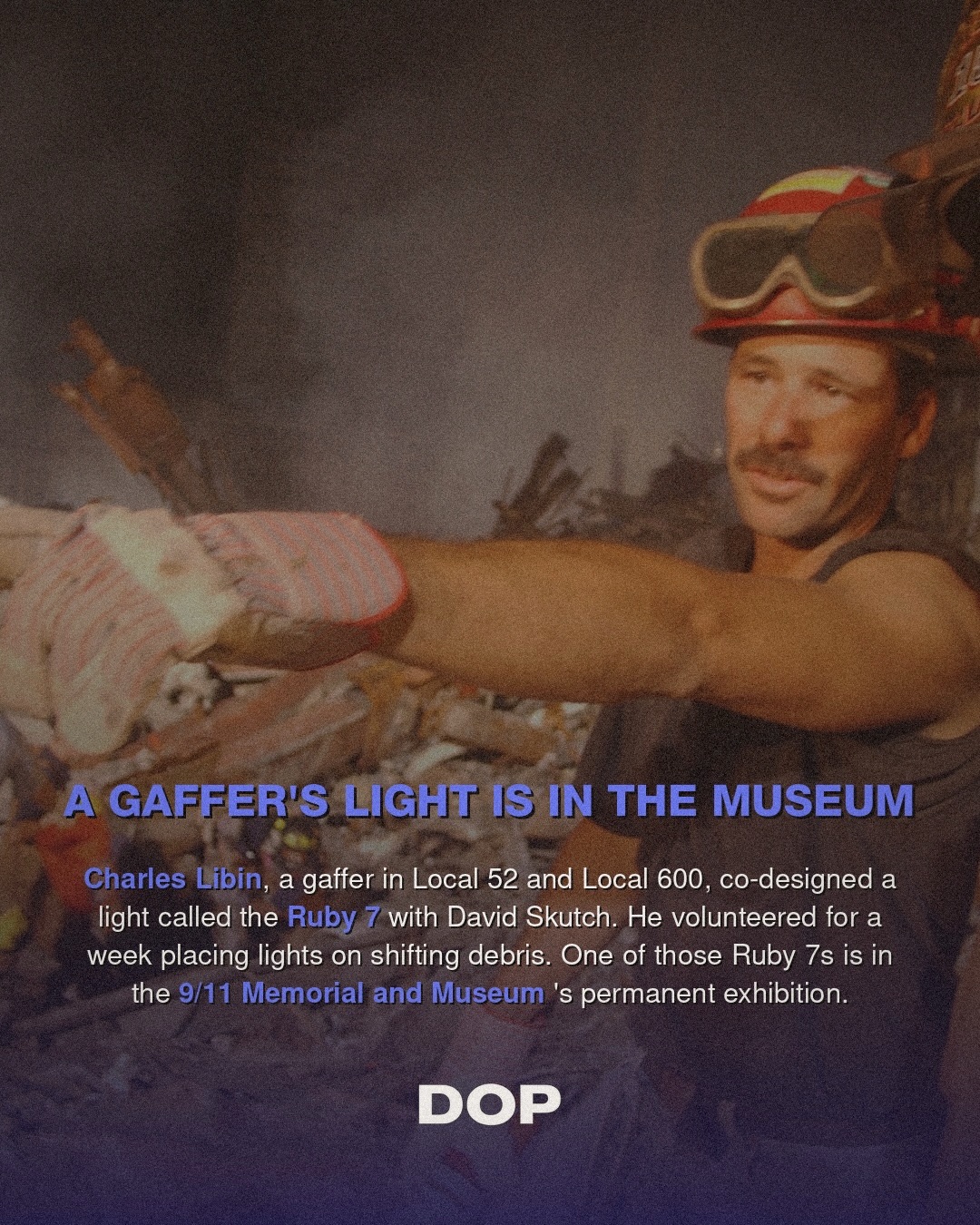
At the heart of the lighting effort was the ingenuity of individuals like Gaffer Charles Libin. Recognizing the need for powerful, durable, and adaptable lighting solutions in such an extreme environment, Libin co-designed a custom lamp, affectionately known as the "Ruby 7." This bespoke lighting fixture, born from the urgent demands of Ground Zero, was more than just a piece of equipment; it was a symbol of the industry's ability to innovate under pressure. Its robust construction and intense output were perfectly suited for the harsh, particulate-laden atmosphere, providing crucial illumination where standard fixtures would have failed. One of these very lights now stands as a poignant artifact in the 9/11 Memorial and Museum, a silent testament to the craft's unexpected role in history.
Beyond Light: Water and Dust Suppression
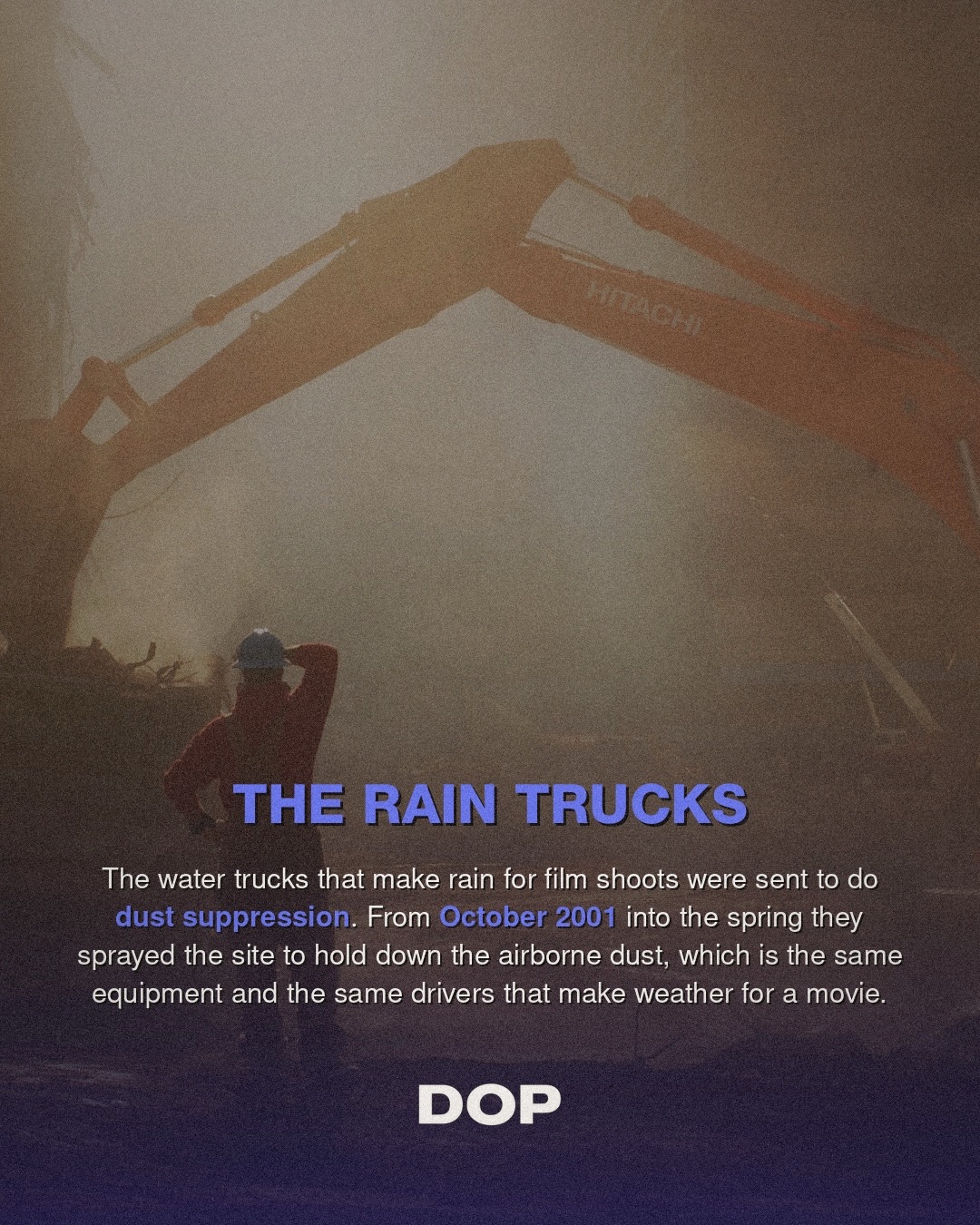
The cinematic toolkit offered solutions far beyond mere illumination. One of the most pervasive and dangerous challenges at Ground Zero was the immense, toxic dust cloud. Here, another unexpected piece of film equipment found its true calling: the water truck. These specialized vehicles, typically employed to create realistic rain effects on film sets, were redeployed en masse. Their high-capacity tanks and powerful sprayers became indispensable for dust suppression, helping to mitigate the airborne hazards faced by recovery workers. This ingenious repurposing highlights the versatile nature of our industry's resources and the quick thinking of those on the ground.
The experience at Ground Zero served as a stark reminder that the skills honed in the pursuit of visual storytelling have applications far beyond entertainment. The deep technical understanding of power distribution, large-scale illumination, mechanical rigging, and even environmental control, usually reserved for crafting cinematic magic, was channeled into a critical, real-world mission. The collective effort of IATSE crews demonstrated an unwavering commitment to public service, proving that the meticulous craft of cinematography and its allied trades are not just about making movies, but about making a difference.
This chapter in our shared history underscores the profound responsibility and capability embedded within the film industry. It reminds us that behind every frame, every meticulously lit scene, and every expertly managed set, there is a wealth of knowledge and a dedicated workforce capable of extraordinary feats, even when the stage is the site of an unimaginable tragedy. The legacy of Ground Zero for cinematographers and technicians is one of quiet heroism, where the tools of our trade became instruments of hope and recovery.