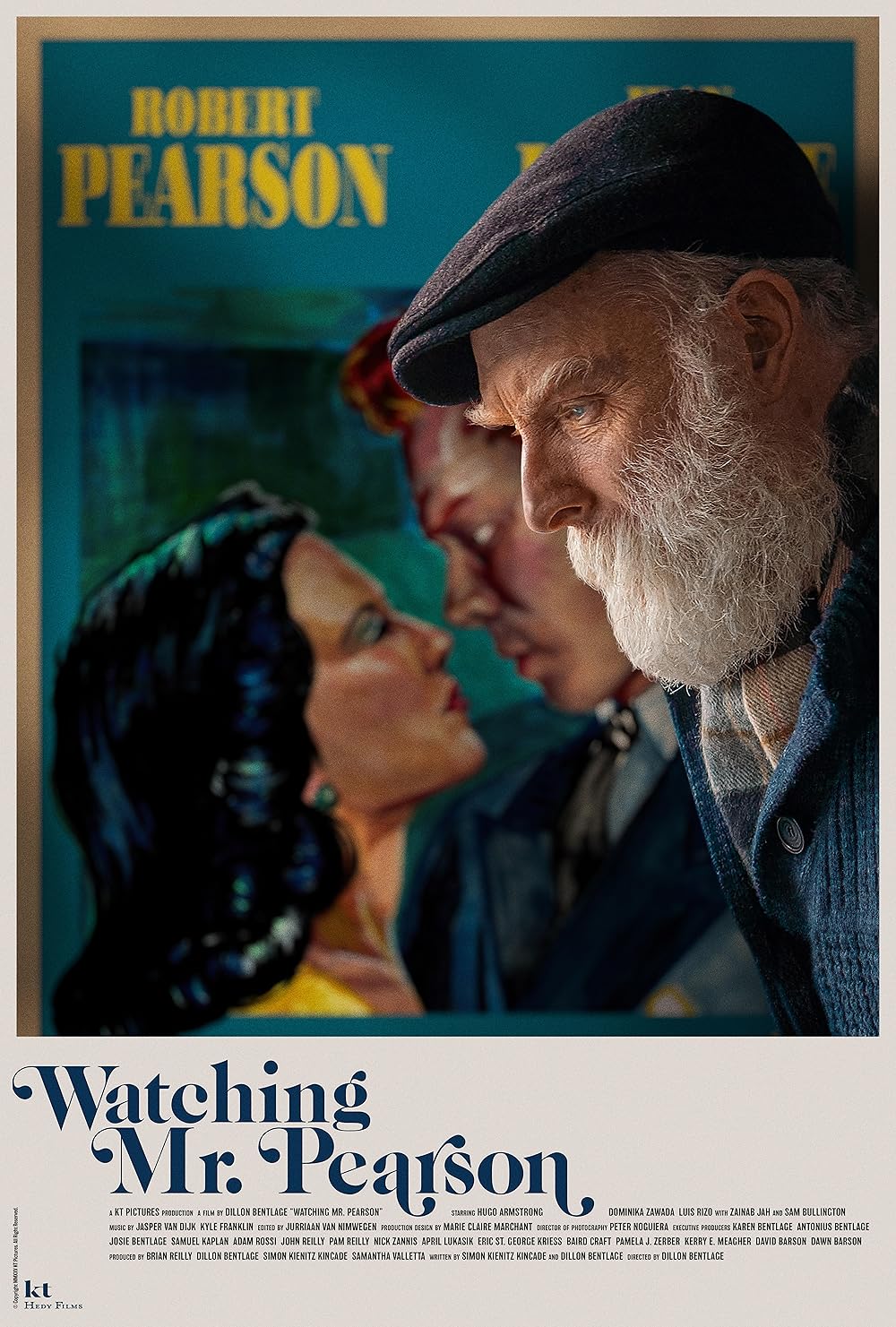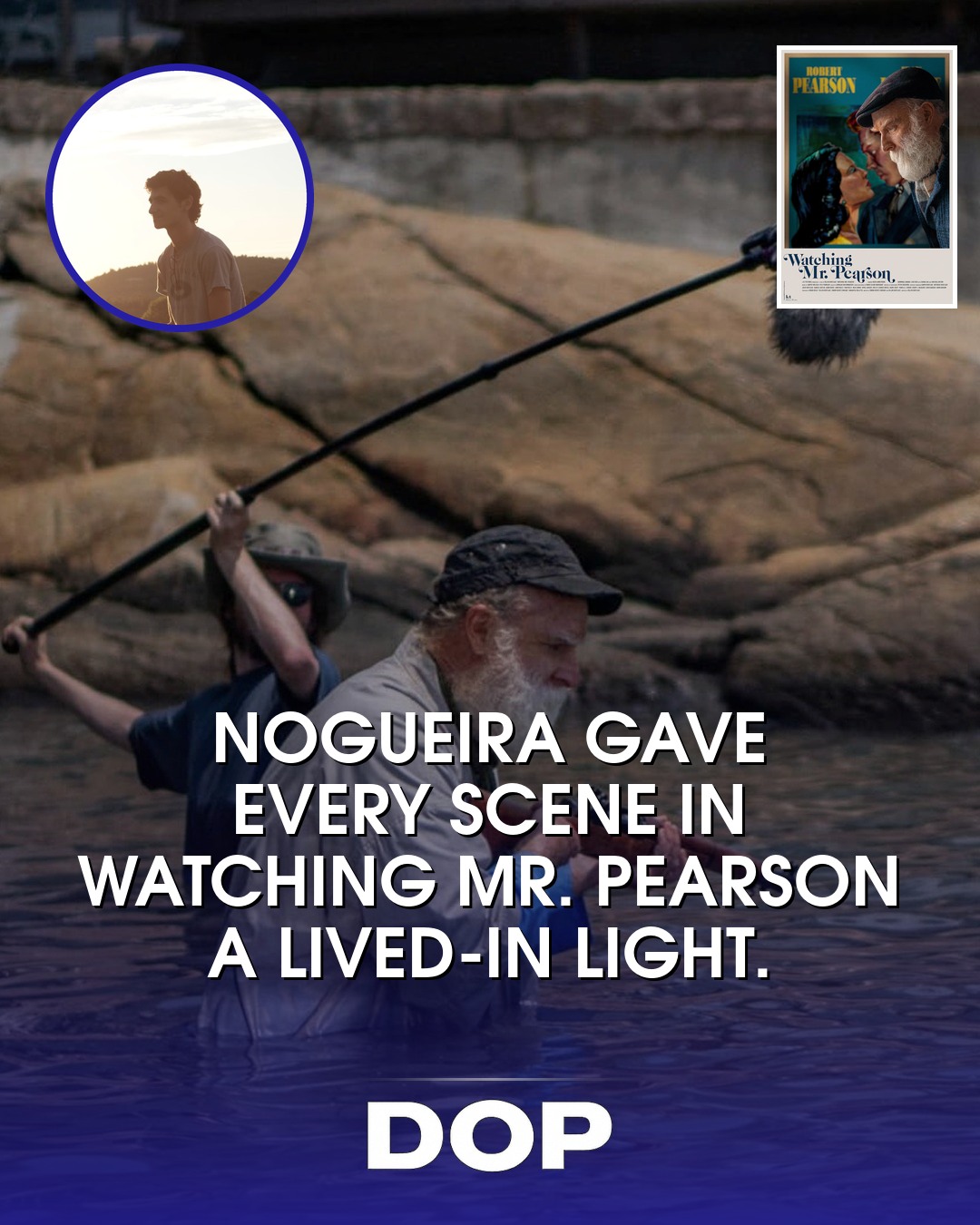
In an industry often obsessed with the next technological marvel, it's refreshing when a film cuts through the noise with a profound visual statement, particularly one that serves the narrative with such understated power. Such is the case with Watching Mr. Pearson, Dillon Bentlage's poignant drama, where Director of Photography Peter Nogueira masterfully crafts a visual landscape as fragile and resonant as the memories it portrays. The film, lauded by critics for its cinematography, offers a masterclass in how thoughtful pre-production and a deep understanding of light can elevate a story from compelling to unforgettable.
Nogueira, in collaboration with Bentlage, embarked on an extensive pre-production journey, a testament to their shared vision for Robert Pearson's world. The directive was clear: imbue Pearson's home with a 'homely, lived-in atmosphere combining old Hollywood with modern lighting.' This seemingly simple brief belies a complex balancing act. 'Old Hollywood' suggests a certain classicism, perhaps a soft, almost ethereal quality, a nod to Pearson's past glory. 'Modern lighting,' on the other hand, implies precision, control, and the ability to sculpt light with contemporary tools and sensibilities. The synthesis of these two philosophies is where Nogueira truly shines, creating environments that feel both comfortingly familiar and subtly melancholic.
The Architecture of Light: Blending Eras
The challenge of blending 'old Hollywood' with 'modern lighting' for Watching Mr. Pearson wasn't merely aesthetic; it was deeply thematic. Robert Pearson, played with heartbreaking nuance by Hugo Armstrong, is a man whose present is fractured by dementia, but whose past—his cinematic legacy—provides moments of fleeting clarity. Nogueira's lighting needed to reflect this duality. We can infer a deliberate choice to avoid overtly stylized or high-contrast noir lighting, which might have felt anachronistic or too dramatic for a film rooted in quiet intimacy. Instead, the 'old Hollywood' influence likely came through in the quality of light: perhaps a reliance on soft, diffused sources, reminiscent of classic studio portraiture, that gently caress faces and textures rather than harshly define them. This could have involved large, silk-diffused units or bounced light, creating a flattering, almost nostalgic glow.
“The house itself becomes a character, a repository of fading memories, and Nogueira's light acts as the tender hand illuminating its most vulnerable corners.”
The 'modern lighting' aspect, executed with gaffer Shaun Gauvain, suggests a meticulous approach to shaping and controlling light within these homely confines. This wouldn't be about harsh LEDs or sterile coolness, but rather the intelligent integration of contemporary fixtures to achieve naturalism. Think about how practical fixtures within the set—lamps, windows—would have been augmented and sculpted. Perhaps small, controllable LED panels were used to add subtle fill or to create motivated shafts of light mimicking sunlight filtering through a window, providing depth and dimension without drawing attention to the artificiality of the source. This precise control allows for the subtle shifts in mood and atmosphere that are crucial to depicting Pearson's fluctuating mental state.
Technical Nuance: Sensor, Lens, and Mood
While specific camera and lens choices for Watching Mr. Pearson aren't explicitly stated, we can deduce some likely approaches given Nogueira's stated aesthetic goals. For a film prioritizing a 'homely, lived-in' feel and the delicate balance of 'old Hollywood' warmth with modern control, a camera system known for its naturalistic color science and dynamic range would be paramount. A camera like an ARRI Alexa Mini LF or a Sony Venice could provide the necessary latitude to handle the subtle light variations and deliver rich, film-like textures. The choice of lenses would be equally critical. To achieve a soft, perhaps slightly imperfect 'old Hollywood' character, vintage lenses or modern lenses designed with a slightly less clinical rendering might have been employed. Think about the gentle fall-off and pleasing bokeh of Cooke Panchros or perhaps rehoused vintage Canon K35s, which would contribute to a sense of warmth and a subtle softening of detail, appropriate for a narrative steeped in memory.
The color palette, too, would have been carefully considered. Nogueira's work likely leans into warmer tones, perhaps with a slight desaturation to evoke a sense of the past, but without feeling overtly sepia-toned. The challenge is to maintain a sense of reality while subtly nudging the audience into Pearson's subjective experience. The interplay of warm practicals against cooler ambient light from windows could create a beautiful, layered look, enhancing the feeling of a home that has seen many decades.
The Poignancy of Precision
The critical acclaim for Nogueira's cinematography isn't just about beautiful images; it's about the profound impact these images have on the audience's emotional connection to Robert Pearson. The house itself becomes a character, a repository of fading memories, and Nogueira's light acts as the tender hand illuminating its most vulnerable corners. When Pearson experiences moments of clarity, we can imagine Nogueira subtly shifting the lighting – perhaps a slightly brighter key, a more defined eye light, or a subtle increase in overall luminance – to visually underscore these precious flickers of lucidity. Conversely, as his mind wanders, the light might become softer, more diffuse, perhaps even a touch hazier, mirroring the fog of dementia.
Watching Mr. Pearson serves as a powerful reminder that cinematography is far more than technical execution; it is an act of empathy. Peter Nogueira, in concert with Dillon Bentlage and gaffer Shaun Gauvain, has crafted a visual elegy, a testament to the enduring power of memory and the delicate art of seeing. As the film expands nationally, DPs and film enthusiasts alike will undoubtedly find much to study and admire in its carefully illuminated world, a world where every ray of light tells a story.
This article contains affiliate links. We may earn a small commission at no extra cost to you. Learn more.