Warwick Thornton serves as both director and cinematographer on Wolfram, his fourth feature, a brutalist Western set in the Australian Northern Territory in 1932. At Berlinale 2026, where the film competed in the Main Competition, Thornton addressed the fundamental conflict of these two roles with complete honesty. In an ASC roundup, he said: 'The DP in me calls the director a wanker, and the director in me calls the DP a wanker.' This is not humorous throat-clearing. It is a precise description of the internal argument that happens every shooting day when the two roles occupy one person.
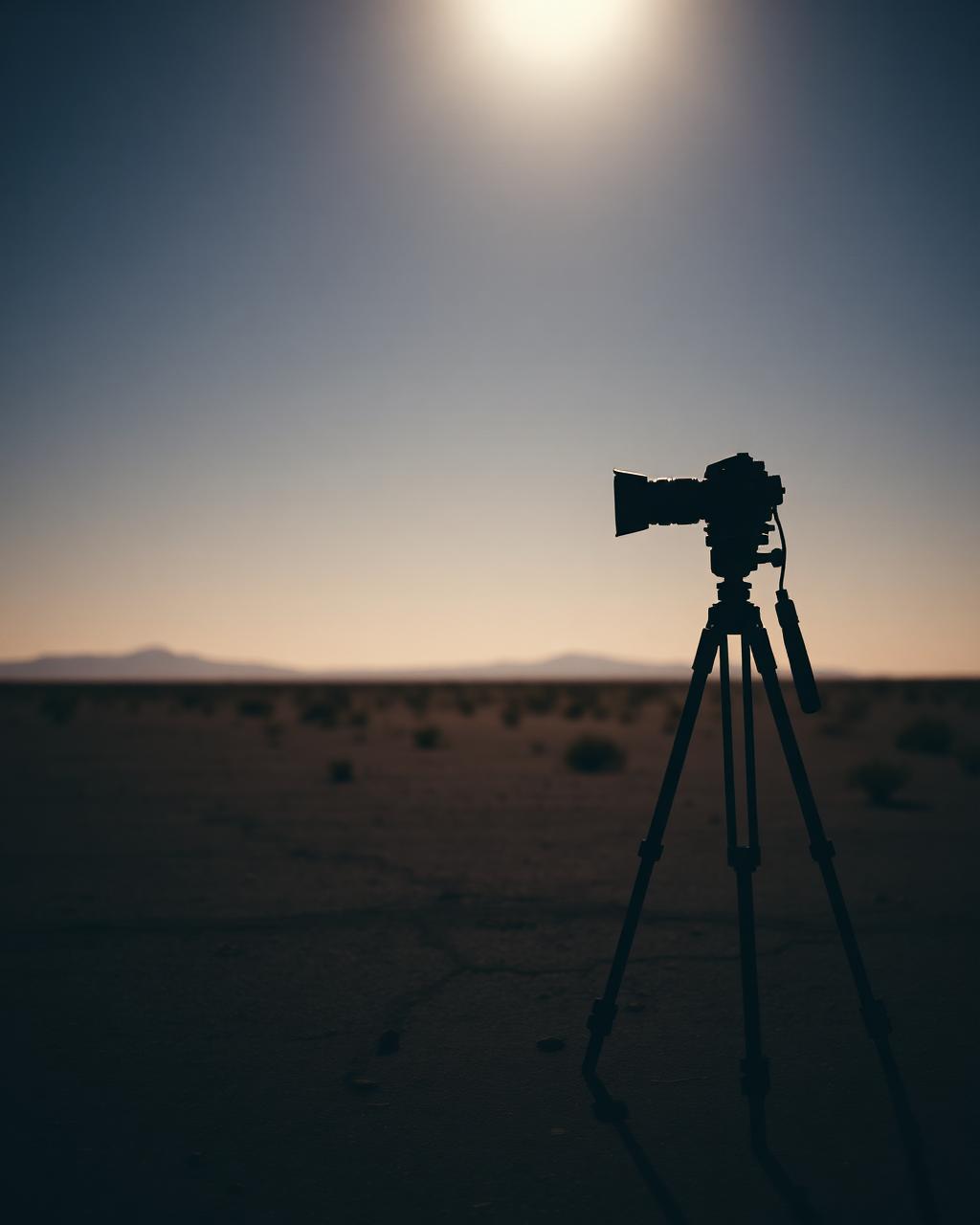
On Wolfram, Thornton made a core stylistic decision: 'I wanted to make this a brutalist film. I wanted a tough, rough cinematic visual style. None of this floaty stuff, but getting right in there, with lens flares in the hot sun and lots of flies.' The film was shot in 42-degree Celsius heat with, by his account, a billion flies in every shot. This is not metaphorical. The climate and the environment are not obstacles overcome. They are the visual grammar of the film.
Brutalism in film means no softening. No diffusion. No traditional beauty. The sun is harsh. Shadows are deep. Skin texture and sweat and dust are visible. The landscape is vast and indifferent. Thornton's choice to embrace these conditions rather than fight them is the opposite of most cinematographic practice, which tends toward control—controlling light, controlling contrast, controlling what the camera sees. On Wolfram, the camera submits to the conditions.
That submission required reconciling the two roles. The director wants maximum emotional resonance. The DP wants technical precision. On a 42-degree day with flies landing on actors' faces mid-take, these two instincts are in constant negotiation. Thornton resolved this by returning to a principle taught to him: 'The best cinematography is the cinematography you do not see, because you are just so wrapped up in the film and the characters and the story.'
This is the inverse of much contemporary cinematography discourse, which often emphasizes the cinematography as an autonomous aesthetic object. Thornton argues for invisibility. The camera should serve the story so completely that audiences forget they're watching cinematography at all. On Wolfram, the harshness serves that invisibility. The brutalism is not an imposed style but the accurate register of how people exist in extreme heat in the Australian outback.
The film competed against 22 other films from 28 countries, marking a significant international recognition for Thornton's work. For cinematographers interested in how to work under extreme conditions, how to let environment shape visual language, and how to navigate the director-DP conflict, Thornton's approach offers a masterclass.
Thornton said it himself: the best cinematography is the one you do not notice. He shoots Western epics in 42-degree heat to prove it.
Gear Recommendations
- Tiffen Black Pro-Mist 1/4 | Adorama – B&H Photo
- Tiffen Glimmerglass 1/4 | Adorama – B&H Photo
- Blackmagic Pocket Cinema Camera 6K Pro | Adorama – B&H Photo
- Sigma 18-35mm f/1.8 Art | Adorama – B&H Photo
- Tiffen Black Pro-Mist 1/4 Filter | Adorama – B&H Photo
Note: Links above are affiliate links. Occupy Cinematography may earn a commission on qualifying purchases at no additional cost to you.