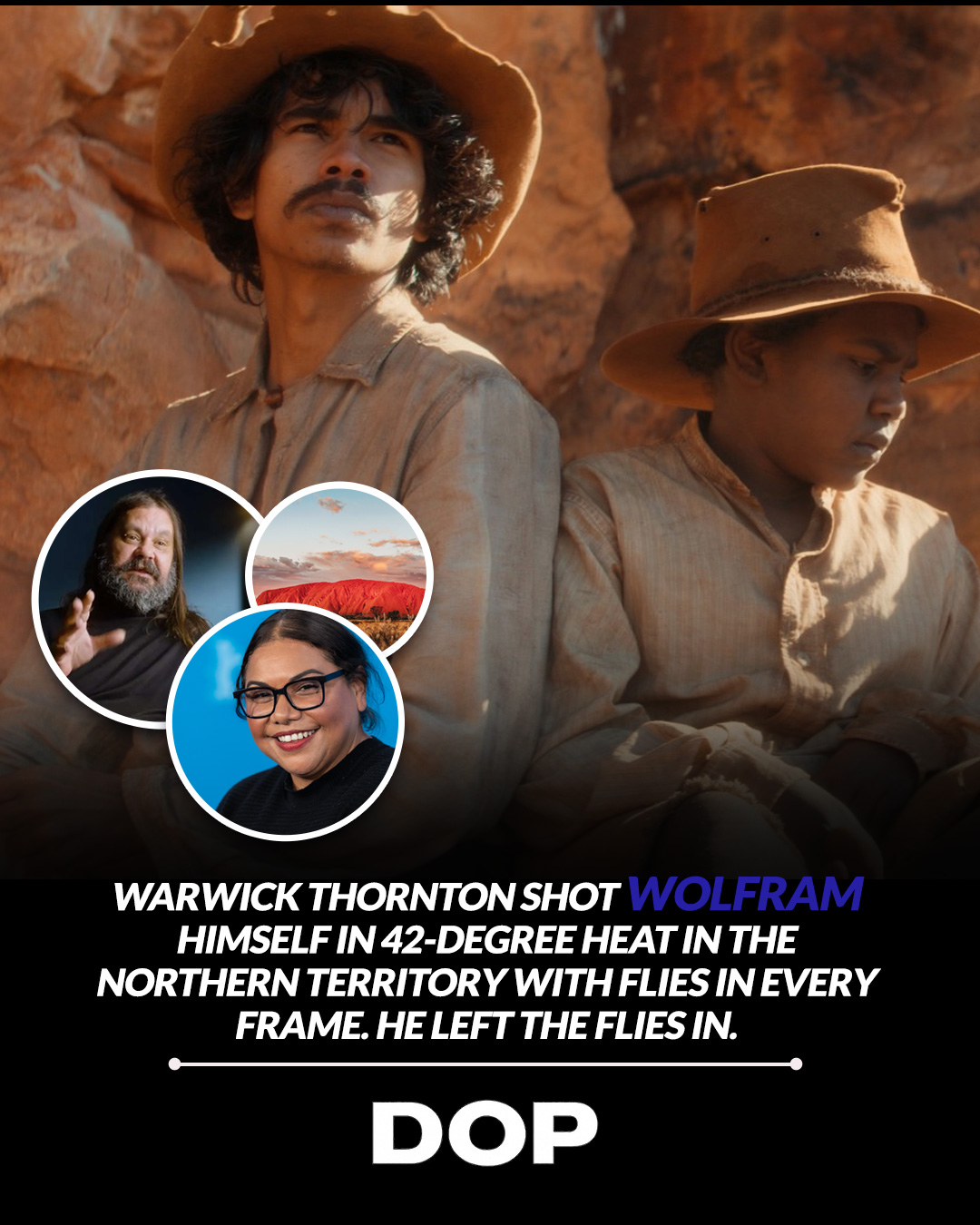
In an industry often obsessed with pristine images and meticulous control, Warwick Thornton stands as a defiant outlier. His latest work, Wolfram, which recently competed in the Main Competition at Berlinale 2026, serves as a visceral testament to his uncompromising vision. Shot in the unforgiving 42-degree heat of the Northern Territory, with flies quite literally in every frame, Thornton, acting as both director and cinematographer, chose not just to embrace these 'imperfections' but to enshrine them as integral components of his narrative. This isn't just a stylistic choice; it's a profound statement on authenticity, a rejection of sanitized cinema in favor of raw, unvarnished truth.
Thornton's approach to cinematography has always been deeply intertwined with his storytelling. From the haunting landscapes of Samson and Delilah to the intimate portraiture of Sweet Country, he consistently prioritizes the emotional and thematic over the aesthetically polished. For Wolfram, he explicitly articulated a desire for a "brutalist film. Tough, rough. None of this floaty stuff. Getting right in there, with lens flares in the hot sun and lots of flies." This isn't a DP merely capturing a scene; it's a director-cinematographer actively shaping the very texture of the audience's experience, forcing them to confront the harsh realities of the 1932 Australian outback.
The Unseen Hand: Thornton's Dual Role
The inherent conflict and synergy of being both director and DP is a fascinating aspect of Thornton's process. As he wryly put it in an ASC Berlinale roundup, "The DP in me calls the director a wanker, and the director in me calls the DP a wanker." This internal dialogue, this constant push and pull between the grand vision and the granular execution, likely fuels the unique character of his films. The director demands a certain emotional resonance, a specific story beat, while the DP grapples with the technical challenges, the available light, the limitations of the environment. In Thornton's case, this internal friction seems to forge a more cohesive and authentic artistic statement.
"The best cinematography is the cinematography you do not see, because you are just so wrapped up in the characters and the story."
This core principle, articulated by Thornton, cuts to the heart of truly effective cinematography. It’s not about flashy camera moves or overtly beautiful imagery for its own sake. It’s about the camera becoming an invisible conduit, allowing the audience to become completely immersed in the narrative. The flies in Wolfram, far from being a distraction, serve this very purpose. They are a constant, buzzing reminder of the oppressive heat, the harsh conditions, and the inescapable reality of the characters' existence. They are 'unseen' in the sense that they become part of the fabric, not an element that pulls you out of the story, but one that grounds you more firmly within it.
Technical Grit and Visual Philosophy
While specific camera and lens choices for Wolfram haven't been widely detailed, Thornton's past work suggests a preference for robust, reliable tools that can withstand challenging environments and deliver a raw, organic image. Given the 'brutalist' aesthetic, one might speculate on a pragmatic approach to gear – perhaps a workhorse digital cinema camera known for its dynamic range and ability to handle extreme contrast, paired with lenses that offer character rather than clinical perfection. The mention of "lens flares in the hot sun" isn't a complaint; it's a deliberate embrace of optical 'imperfections' that add to the film's gritty realism.
His lighting philosophy, when he is his own DP, leans heavily on natural light, augmented only when absolutely necessary. The Australian sun is not just a light source; it's a character in his films, an oppressive force that shapes the landscape and the lives within it. The color science, too, would likely be geared towards a desaturated, sun-baked palette, reflecting the harshness of the environment rather than a vibrant, idealized view. This commitment to verisimilitude, even when it means battling flies and extreme temperatures, is what elevates Thornton's cinematography from mere technical execution to profound artistic expression. He doesn't just shoot a film; he lives it through the lens, bringing audiences along for the unvarnished, unforgettable ride.
In Wolfram, Warwick Thornton reminds us that true cinematic beauty isn't always found in the perfectly framed, meticulously lit shot. Sometimes, it's found in the buzzing flies, the scorching sun, and the relentless honesty of a filmmaker brave enough to let the brutal reality of a story speak for itself. It’s a powerful lesson for any aspiring cinematographer: sometimes, the most impactful visual choices are those that dare to be imperfect.
This article contains affiliate links. We may earn a small commission at no extra cost to you. Learn more.