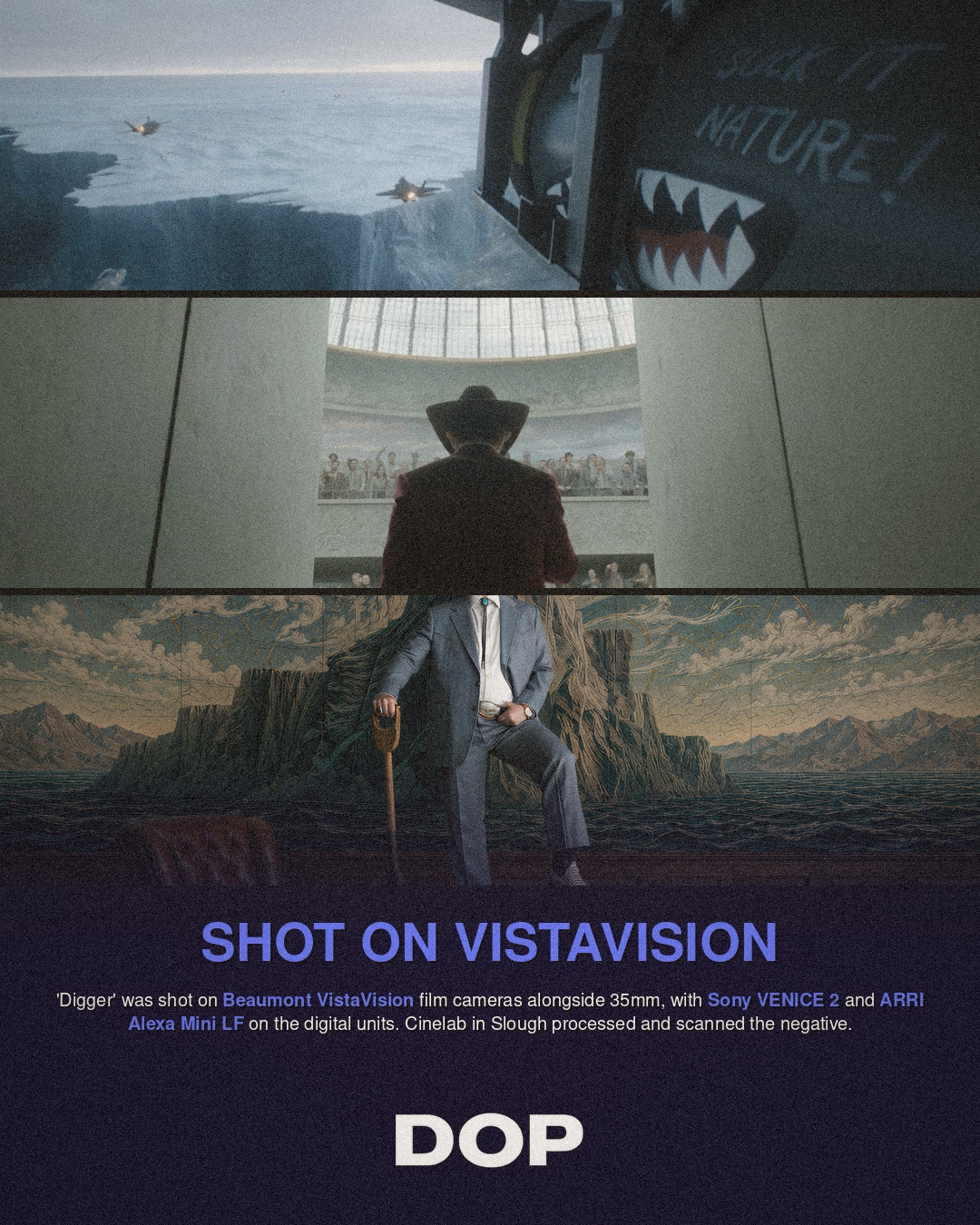
In an era increasingly dominated by digital acquisition, the whispers of a major Hollywood production embracing film, and not just any film, but the sprawling canvas of VistaVision, send a palpable jolt through the cinematography community. The recent project, a collaboration between cinematic titan Tom Cruise and the visionary Emmanuel Lubezki, ASC, AMC, under the direction of Alejandro G. Iñárritu, has ignited fervent discussion. The revelation that the production, reportedly titled 'Digger,' opted for Beaumont VistaVision film cameras alongside traditional 35mm, with digital complements from the Sony VENICE 2 and ARRI Alexa Mini LF, speaks volumes about a deliberate, meticulous approach to visual storytelling.
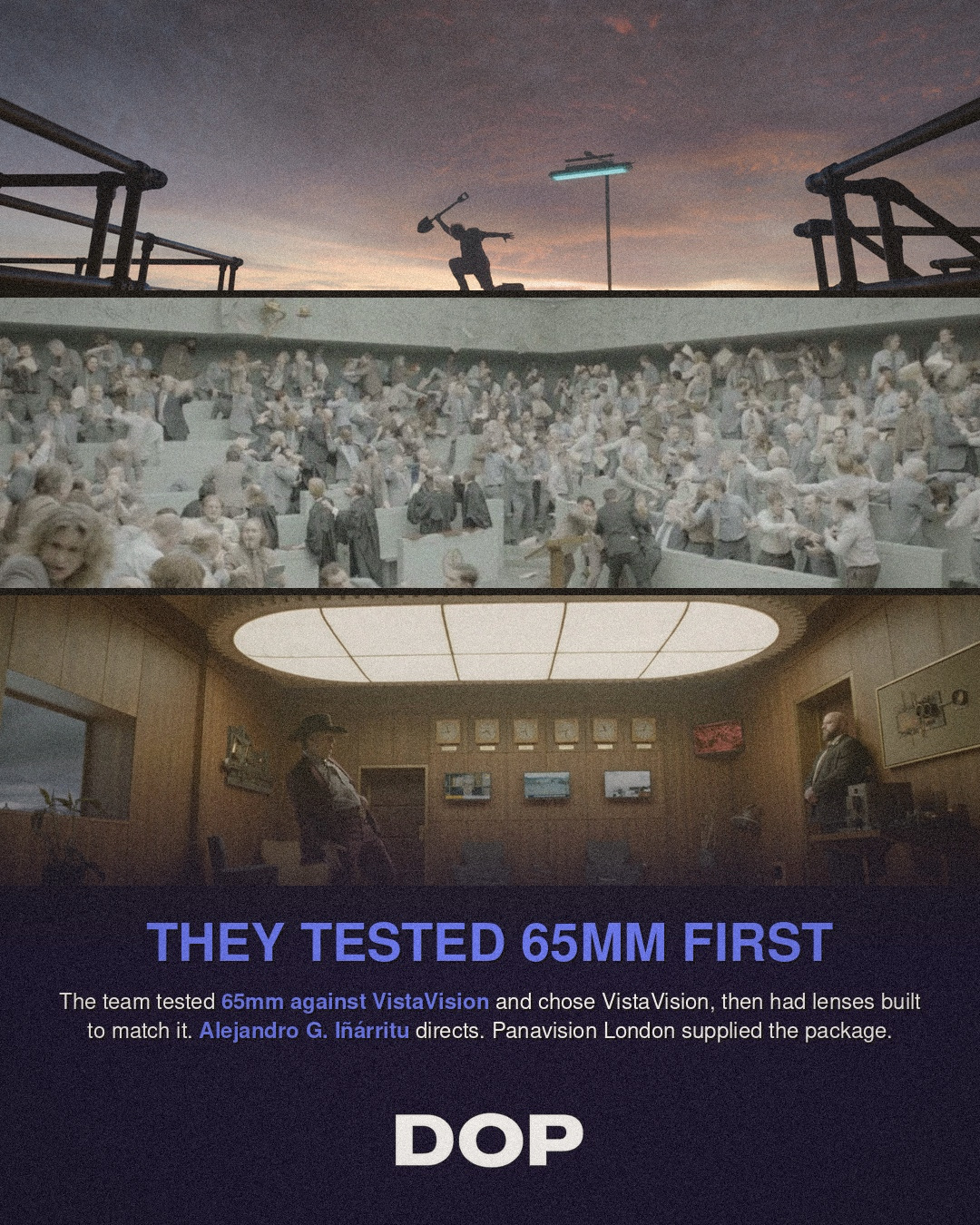
This wasn't merely a nostalgic nod to celluloid; it was a strategic choice born from rigorous testing. The production evaluated 65mm against VistaVision, ultimately settling on the latter. VistaVision, with its unique horizontal 8-perf 35mm negative running through the camera, offers a larger capture area than standard 35mm, yielding a finer grain structure and exceptional resolution when scanned or projected. It’s a format synonymous with epic scale and unparalleled clarity, historically favored for groundbreaking visual effects work and grand cinematic vistas. For a film potentially involving high-octane action and expansive landscapes, VistaVision provides an immersive, almost tactile quality that digital, for all its advancements, still strives to replicate.
The Bespoke Lens: A Technical Triumph
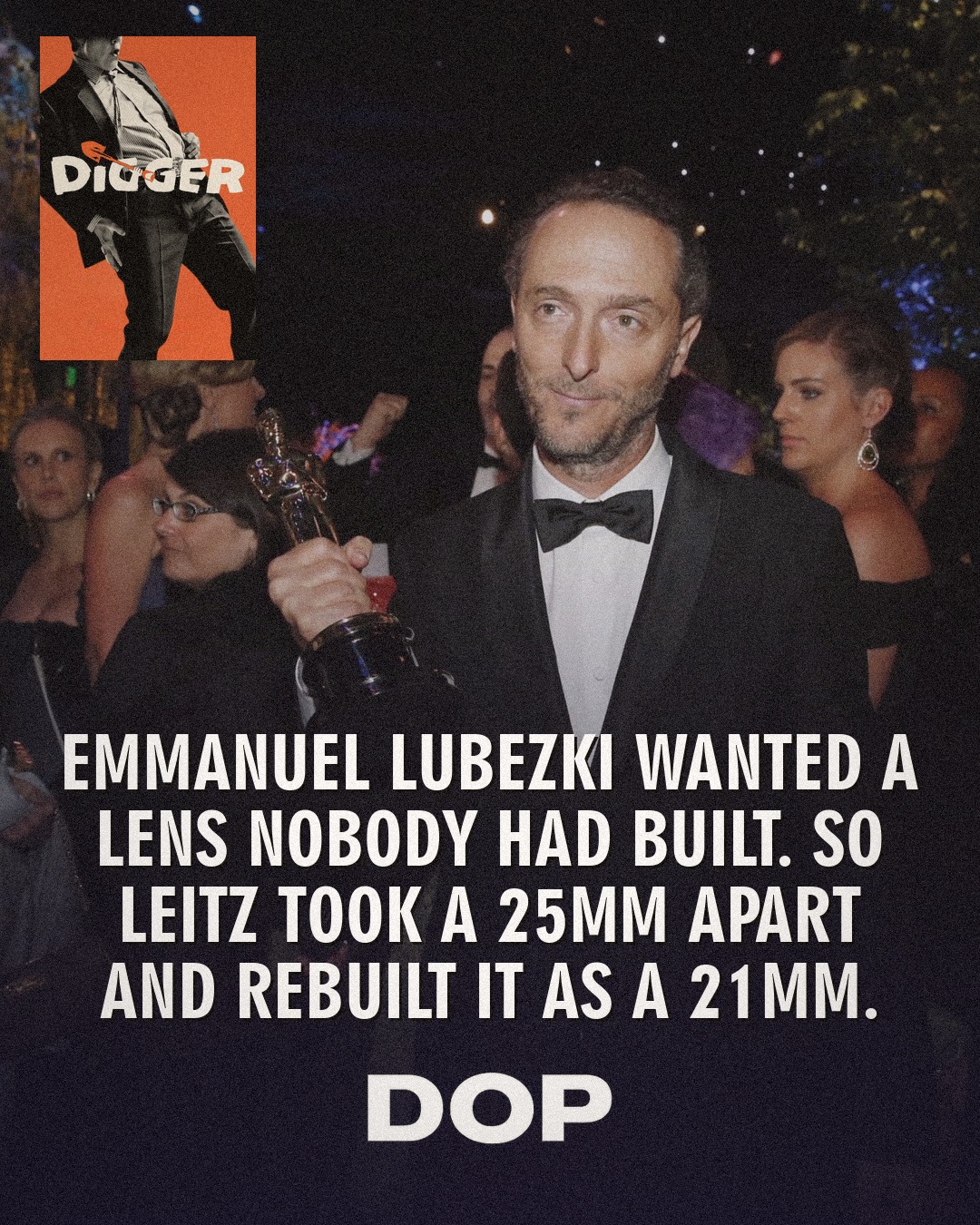
The most compelling technical detail to emerge from this production is the incredible story of the bespoke 21mm lens. Lubezki’s pursuit of a wide-angle optic capable of covering the expansive VistaVision frame proved to be a formidable challenge. The existing lens market, even for high-end cinema glass, isn't typically geared towards such niche, large-format film acquisitions. This led to a remarkable collaboration with Leitz, which undertook the monumental task of rebuilding a 25mm ELSIE lens. They didn't just rehouse it; they engineered new front elements to achieve a 21mm focal length, specifically designed to properly cover the larger VistaVision negative without vignetting or unacceptable optical aberrations. This is a testament to the dedication of filmmakers and manufacturers pushing the boundaries of what's possible.
“The creation of a custom 21mm ELSIE for VistaVision isn't just about a wider shot; it’s about a wider vision. It demonstrates an unwavering commitment to achieving a specific aesthetic, even if it means inventing the tools to do it.”
The ELSIE lenses, known for their exceptional optical quality, minimal distortion, and consistent performance across various apertures, are already a favorite among DPs. To have Leitz custom-engineer one for VistaVision underscores the precision and exacting standards at play. This isn't merely about acquiring a wider field of view; it's about maintaining the signature Leitz character, the subtle fall-off, the organic rendering of skin tones, and the superb micro-contrast, across a much larger image circle. Such bespoke engineering ensures that Lubezki’s signature wide, immersive compositions can be captured with the optical integrity he demands.
Lubezki's Vision: Blending Film and Digital
Emmanuel Lubezki's filmography is a masterclass in visual innovation, from the long, fluid takes of Birdman and Gravity to the raw, naturalistic beauty of The Revenant. His work is characterized by a profound connection to natural light, an extraordinary sense of spatial awareness, and a relentless pursuit of emotional truth through the camera. The decision to mix film formats (VistaVision and 35mm) with top-tier digital cameras (Sony VENICE 2 and ARRI Alexa Mini LF) is quintessential Lubezki. He is not bound by dogma; his choices are always in service of the story and the specific visual texture required for each scene or sequence.
The VENICE 2, with its dual native ISO and full-frame sensor, offers incredible low-light performance and a beautiful cinematic image, making it ideal for challenging lighting conditions or sequences requiring extended dynamic range. The ARRI Alexa Mini LF, similarly, provides a large-format sensor with ARRI's renowned color science and organic image quality, often chosen for its robust performance and trusted aesthetic. The strategic deployment of these digital tools alongside film suggests a nuanced approach: perhaps film for key narrative moments or expansive exteriors where its unique grain and color rendition are paramount, and digital for specific technical requirements like high frame rates, VFX plates, or situations demanding maximum flexibility in post-production. Panavision London's role in supplying such a diverse and cutting-edge package, and Cinelab in Slough's expertise in processing the delicate negatives, further highlights the collaborative effort of industry leaders.
The Enduring Allure of Celluloid in a Digital Age
This production serves as a powerful reminder that film, far from being a relic, remains a vital and evolving medium. The commitment to VistaVision, the custom lens development, and the meticulous testing speak to a profound belief in film's unique aesthetic qualities. While digital cameras continue to advance, offering incredible convenience and technical prowess, there are inherent characteristics of celluloid, its organic grain, its distinct highlight rolloff, its unique color response, that some filmmakers find irreplaceable. For a cinematographer like Lubezki, who paints with light and shadow on a grand canvas, every tool is a brush, and sometimes, only the finest, most nuanced brush will do.
The choices made on this film will undoubtedly influence future productions, demonstrating that the pursuit of cinematic excellence often requires pushing beyond conventional boundaries and embracing innovation, whether it be through bespoke lenses or the resurrection of classic formats. The synergy between technological advancement and artistic vision, as exemplified by Lubezki’s work on 'Digger,' continues to inspire and redefine the art of cinematography.
This article contains affiliate links. We may earn a small commission at no extra cost to you. Learn more.