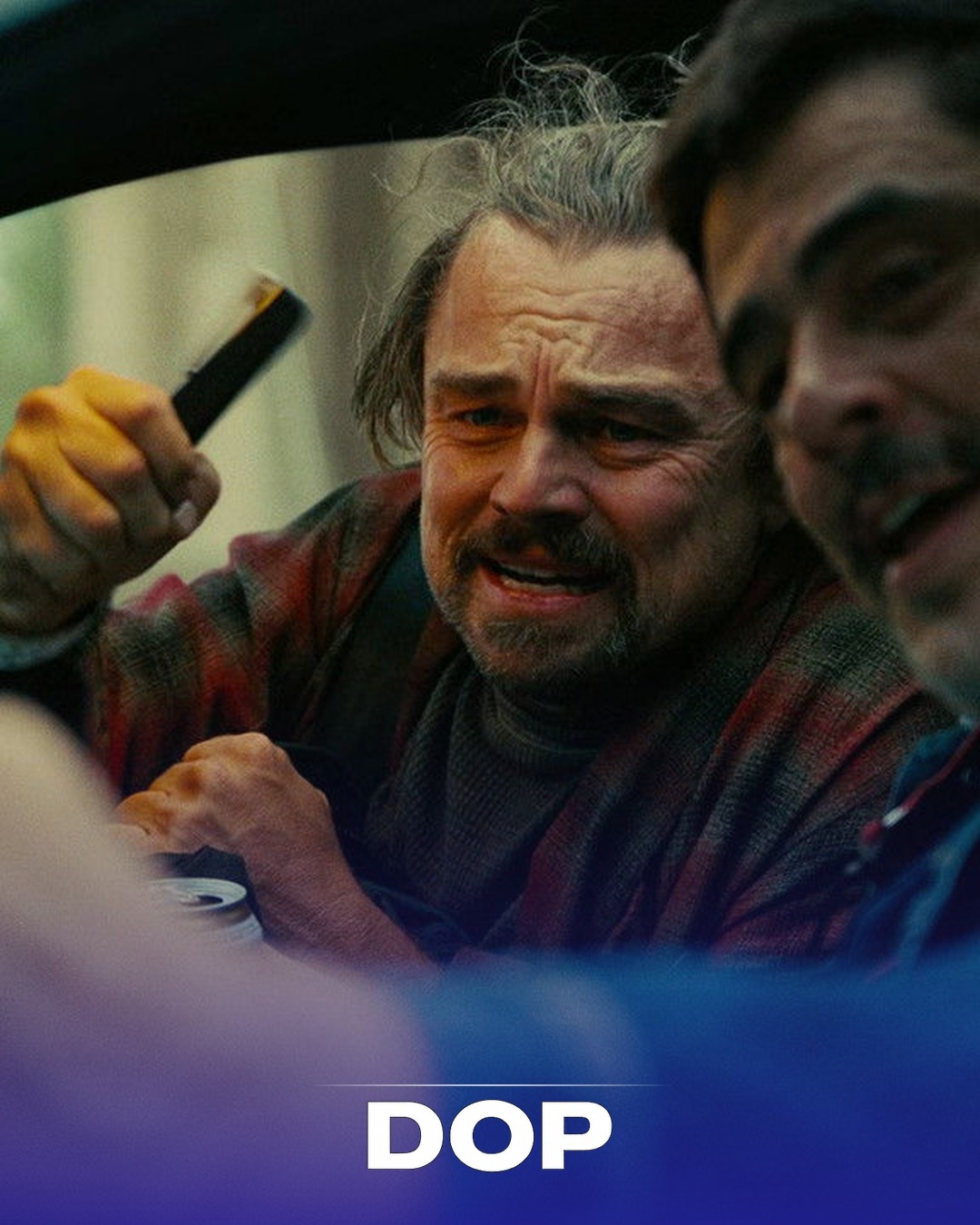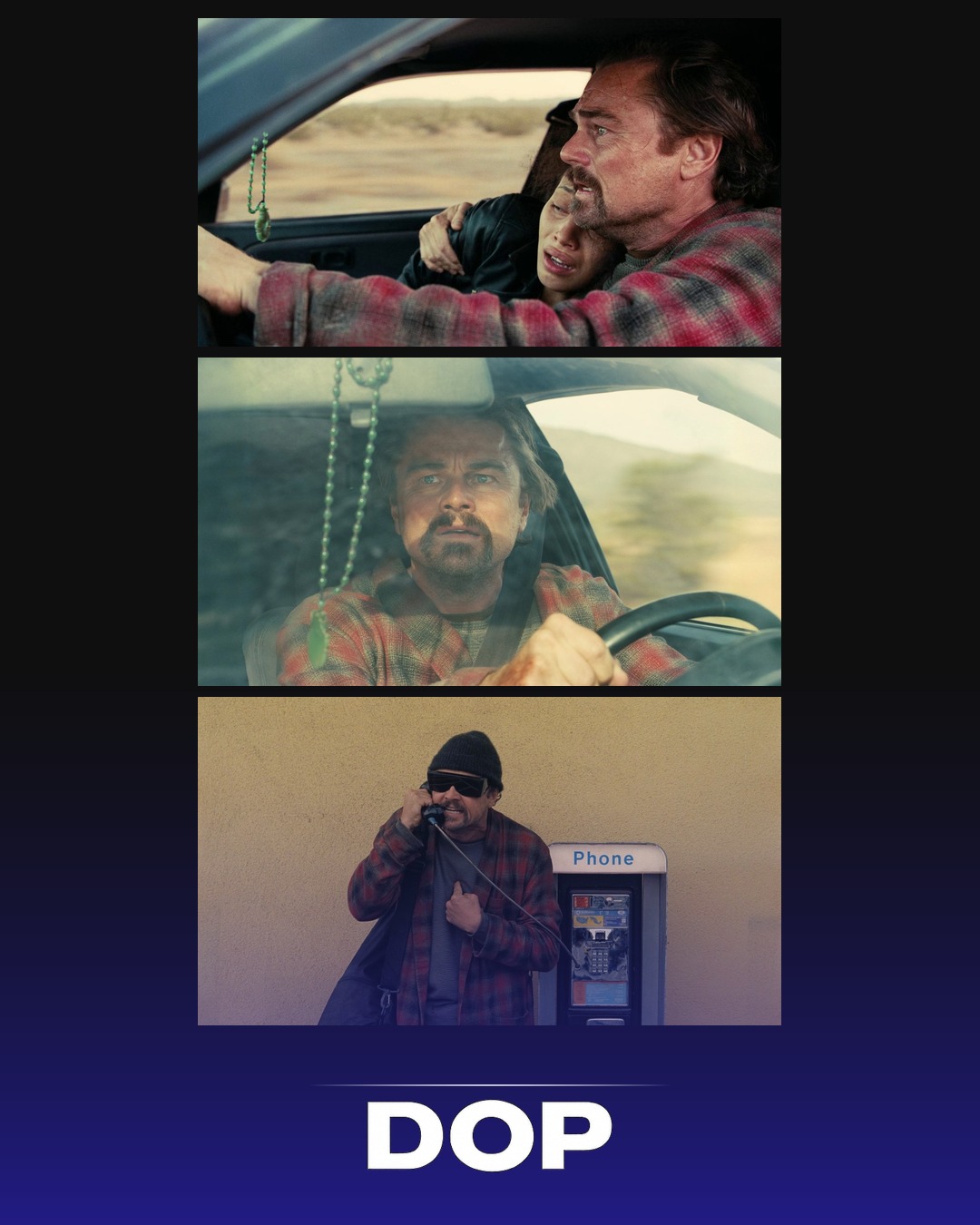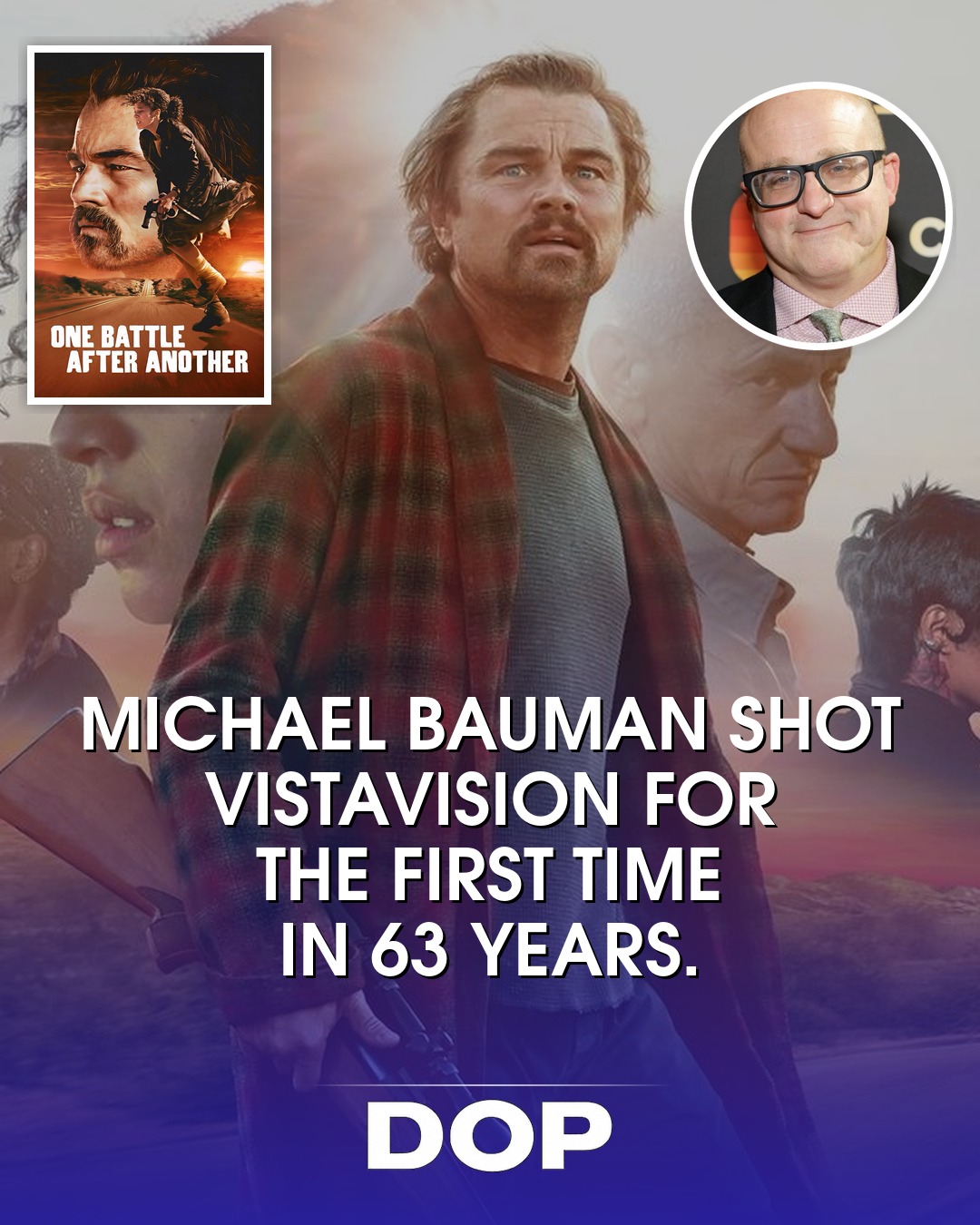
In an era where digital capture often reigns supreme, a film project that wholeheartedly embraces the photochemical, especially one as technically demanding as VistaVision, commands our immediate attention. Paul Thomas Anderson's One Battle After Another, with Michael Bauman as its director of photography, is not merely a film; it's a defiant statement, a love letter to the tangible magic of celluloid. For approximately 80% of its runtime, the film unfurls across the sprawling canvas of VistaVision, a format renowned for its unparalleled clarity and rich textural detail. This wasn't merely a stylistic choice; it was a commitment to a visual philosophy that prioritizes depth, resolution, and an almost tactile sense of presence, pushing the boundaries of contemporary cinematic craft.
VistaVision, for the uninitiated, is a beast of a format. It eschews the conventional vertical 35mm orientation, instead running the film stock horizontally through the camera. This ingenious design utilizes eight perforations per frame, effectively doubling the negative area compared to standard 35mm. The result? A significantly sharper image, a finer grain structure, and a breathtaking fidelity to detail that digital sensors, for all their advancements, still struggle to replicate without a certain sterile sheen. Bauman, a long-time collaborator of Anderson's—having previously lent his expertise as a gaffer and co-cinematographer on films like Licorice Pizza—stepped into the sole DP role for One Battle After Another, taking on the monumental task of wrangling this demanding, yet immensely rewarding, large-format process.
Rebirth of a Classic: Engineering the Vision
The commitment to photochemical imaging on One Battle After Another went far beyond simply loading film. It necessitated an extraordinary feat of engineering and historical preservation. The production embarked on a quest to source and rebuild antique camera bodies, a testament to their dedication to authentic results. This included the meticulous restoration of a vintage Beaumont VistaVision camera, a prized possession borrowed from actor-cinematographer Giovanni Ribisi. This wasn't a plug-and-play operation; it was a hands-on, artisan approach to filmmaking that underscores the very ethos of Occupy Cinematography: a deep respect for the tools and techniques that shape our visual narratives.
"The pursuit of VistaVision isn't about nostalgia; it's about pushing the absolute limits of image fidelity and embracing the organic beauty that only photochemical capture can provide."
Bauman and his dedicated team, affectionately dubbed the "Five-Headed Monster," collaborated intensively with Panavision for over a year. This wasn't just about finding existing equipment; it was about inventing solutions for a format that largely predates modern filmmaking infrastructure. Their efforts led to the engineering of cutting-edge video-assist systems compatible with the unique VistaVision frame and, perhaps most impressively, the modification of a package of 60 spherical lenses. These lenses weren't just tweaked; they were re-engineered to achieve the necessary image circle to cover the expansive, oversized film frame, ensuring optical integrity and character across the entire visual field. This level of technical engagement highlights the true craft involved, moving beyond mere operation to genuine innovation.
The VistaVision Renaissance: A Growing Trend
The choice of VistaVision for One Battle After Another is not an isolated incident but rather a significant marker in a burgeoning trend. This production represents one of the most prominent recent revivals of the format for narrative features, following its notable use in Brady Corbet's ambitious The Brutalist. The ripple effect is undeniable, with other visionary filmmakers like Yorgos Lanthimos and Alejandro G. Iñárritu also reportedly embracing the format for their upcoming projects. This signals a fascinating shift in the industry, where a renewed appreciation for the aesthetic and technical advantages of large-format photochemical capture is gaining momentum, challenging the perceived dominance of digital.
What does this mean for the future of cinematography? It suggests a continued diversification of tools and approaches. While digital cinematography offers unparalleled flexibility and cost-efficiency, the allure of large-format film, with its inherent depth, resolution, and unique textural signature, remains potent. DPs like Bauman are demonstrating that the pursuit of a specific visual aesthetic can justify, and indeed demand, extraordinary technical effort. The choice of VistaVision for One Battle After Another is more than a technical specification; it’s a philosophical stance, a commitment to a certain kind of cinematic grandeur that resonates deeply with the core principles of visual storytelling. It reminds us that sometimes, to move forward, we must look back and re-evaluate the enduring power of classic techniques, re-contextualizing them through modern innovation and an unwavering commitment to craft.