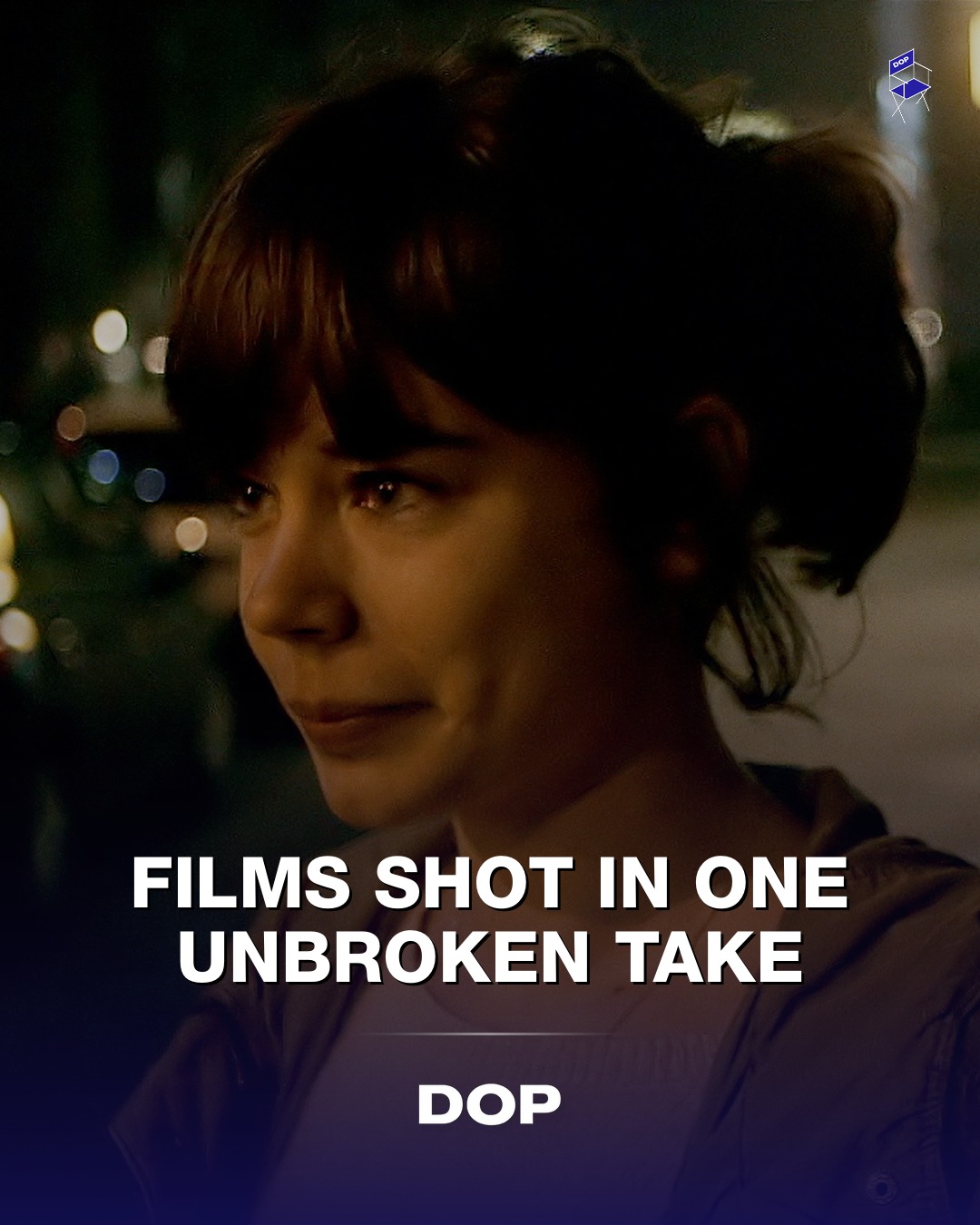
In an era where cinematic trickery often blurs the lines between reality and illusion, one film stands as a towering testament to raw, unyielding commitment: Sebastian Schipper’s 2015 masterpiece, Victoria. Shot in a single, genuinely unbroken 138-minute take, this German thriller didn't just push boundaries; it obliterated them. While films like Birdman and 1917 garnered accolades for their meticulously choreographed 'single-take' illusions, Victoria achieved the impossible for real, offering an unparalleled immersion into its narrative.
The distinction is crucial. Where Alejandro G. Iñárritu and Sam Mendes employed sophisticated hidden cuts, digital stitching, and elaborate post-production wizardry to create the *appearance* of a single take, Victoria’s cinematographer, Sturla Brandth Grovlen, and his intrepid crew executed the feat live, in real-time, across the labyrinthine streets of Berlin. This wasn't merely a technical flex; it was a philosophical statement about authenticity in filmmaking, eschewing digital artifice for the visceral, unpredictable energy of a continuous, unfolding moment.
The Anatomy of a Marathon Shot
The logistics behind Victoria's single take are mind-boggling. Grovlen, armed primarily with a Canon C300 Mark I, a camera chosen for its low-light capabilities, compact size, and robust performance, followed lead actress Laia Costa and her co-stars through 22 distinct locations. This wasn't a controlled studio environment; it was the bustling, unpredictable urban landscape of Berlin at 4:30 AM. The crew, a lean unit of less than 15 people, moved with the precision of a Special Forces team, coordinating lighting changes, sound recording, and camera movements across rooftops, nightclubs, cafes, and alleyways.
“The real challenge wasn't just keeping the camera steady, but keeping the emotional arc alive, the light consistent, and the narrative coherent across two and a half hours without a single cut. It's like performing a high-wire act without a net, for the entire duration of the show.”
Grovlen's choice of the C300, paired with a Canon CN-E 15.5-47mm T2.8 L S zoom lens, was instrumental. The camera's Super 35 sensor provided a cinematic depth of field while its excellent low-light performance was critical for the nocturnal shoot. The zoom lens allowed for dynamic framing adjustments without breaking the take, enabling Grovlen to adapt to the actors' improvisations and the ever-changing environment. This wasn't about pristine, perfectly lit tableaux; it was about capturing raw, unvarnished life as it unfolded, embracing the imperfections that lend a film its unique texture.
Beyond the Gimmick: A Masterclass in Immersion
To dismiss Victoria's single take as a mere gimmick would be to profoundly misunderstand its artistic impact. This unbroken perspective isn't just a technical marvel; it's the very fabric of the film's immersive power. By denying the audience the usual temporal and spatial shortcuts of traditional editing, Grovlen forces us into the shoes of Victoria, experiencing every fleeting glance, every surge of adrenaline, every moment of fear and exhilaration in real-time. The anxiety of the characters becomes our anxiety; their breathless rush through the city, our own.
The lighting philosophy was equally daring. Instead of elaborate setups that would betray the continuous nature of the shot, Grovlen relied heavily on available light, supplemented by strategically placed practicals and minimal, highly mobile LED fixtures that could be quickly moved in and out of frame by the nimble crew. This approach, while challenging, contributed to the film's gritty, documentary-like aesthetic, grounding the high-stakes narrative in a palpable sense of reality. The color science, too, leaned into naturalism, with a palette that reflected the cool, often stark hues of urban night, punctuated by the warm glow of interior spaces.
Grovlen's filmography, which includes works like Rams and Another Round, showcases a DP with a profound understanding of how light, shadow, and camera movement can articulate character and emotion. In Victoria, his visual style isn't about overt artistry but about invisible craftsmanship, the camera becomes a silent, omnipresent character, breathing alongside Victoria, never breaking eye contact. The success of the film hinges not just on Grovlen's technical prowess, but on his ability to maintain narrative momentum and emotional intensity over an extended duration, a feat that demanded an almost telepathic connection with the director and actors.
The Legacy of a Singular Achievement
The fact that the crew only managed to pull off the successful take on their third attempt underscores the immense pressure and precision involved. Each attempt was a full two-hour performance, a high-stakes gamble against time, technical failure, and human error. Their resilience and dedication paid off, creating a cinematic experience that remains profoundly influential. Victoria didn't just demonstrate what was technically possible; it redefined what was dramatically potent within the confines of a single, continuous shot.
For cinematographers, Victoria serves as a masterclass in preparation, improvisation, and the power of commitment. It's a reminder that sometimes, the most audacious creative decisions are the ones that strip away artifice, forcing both filmmaker and audience into an unmediated encounter with the story. Grovlen's work on Victoria isn't just a technical marvel; it's a profound exploration of cinematic realism, proving that true magic often lies not in illusion, but in the courage to capture reality, unbroken and unyielding.
This article contains affiliate links. We may earn a small commission at no extra cost to you. Learn more.