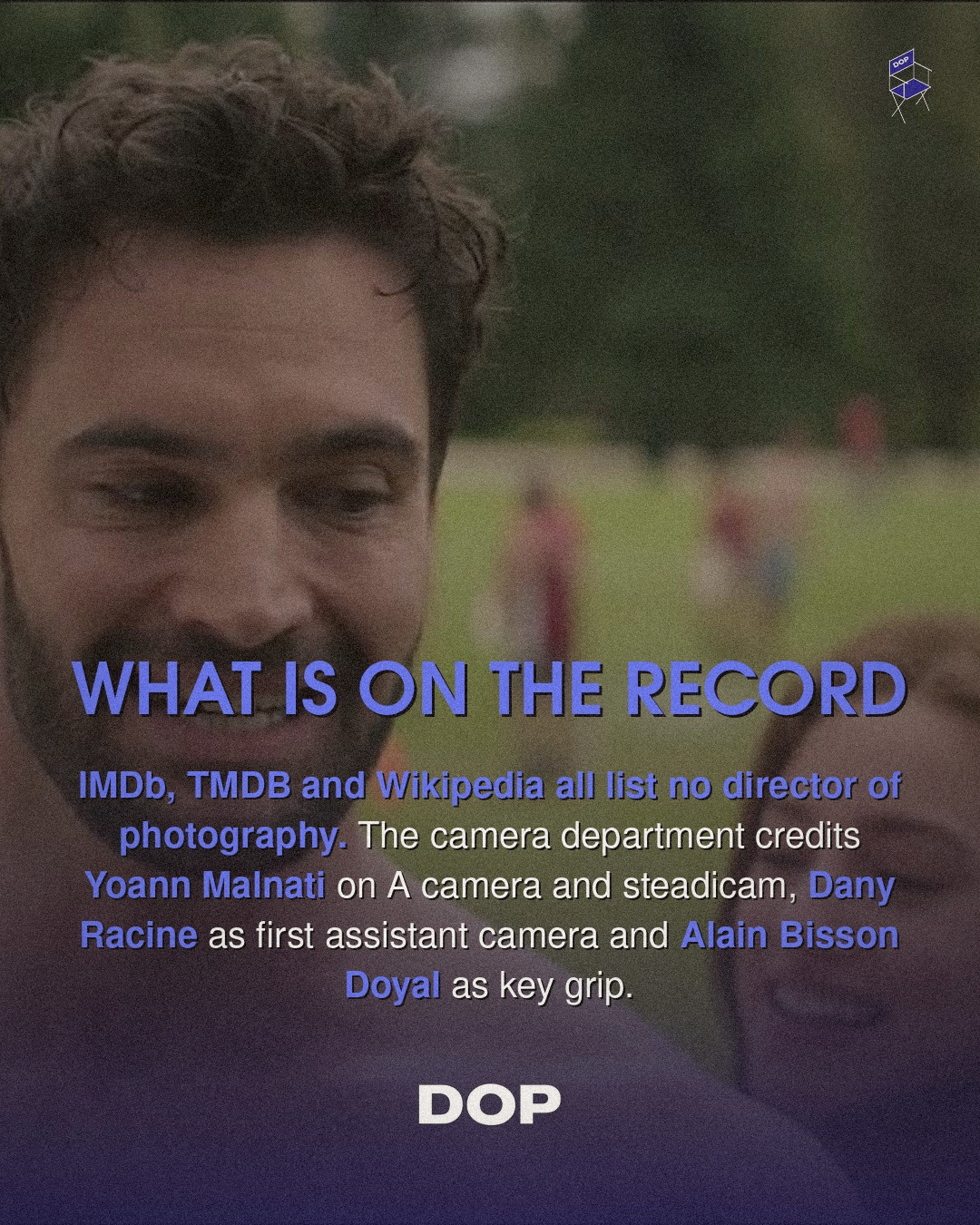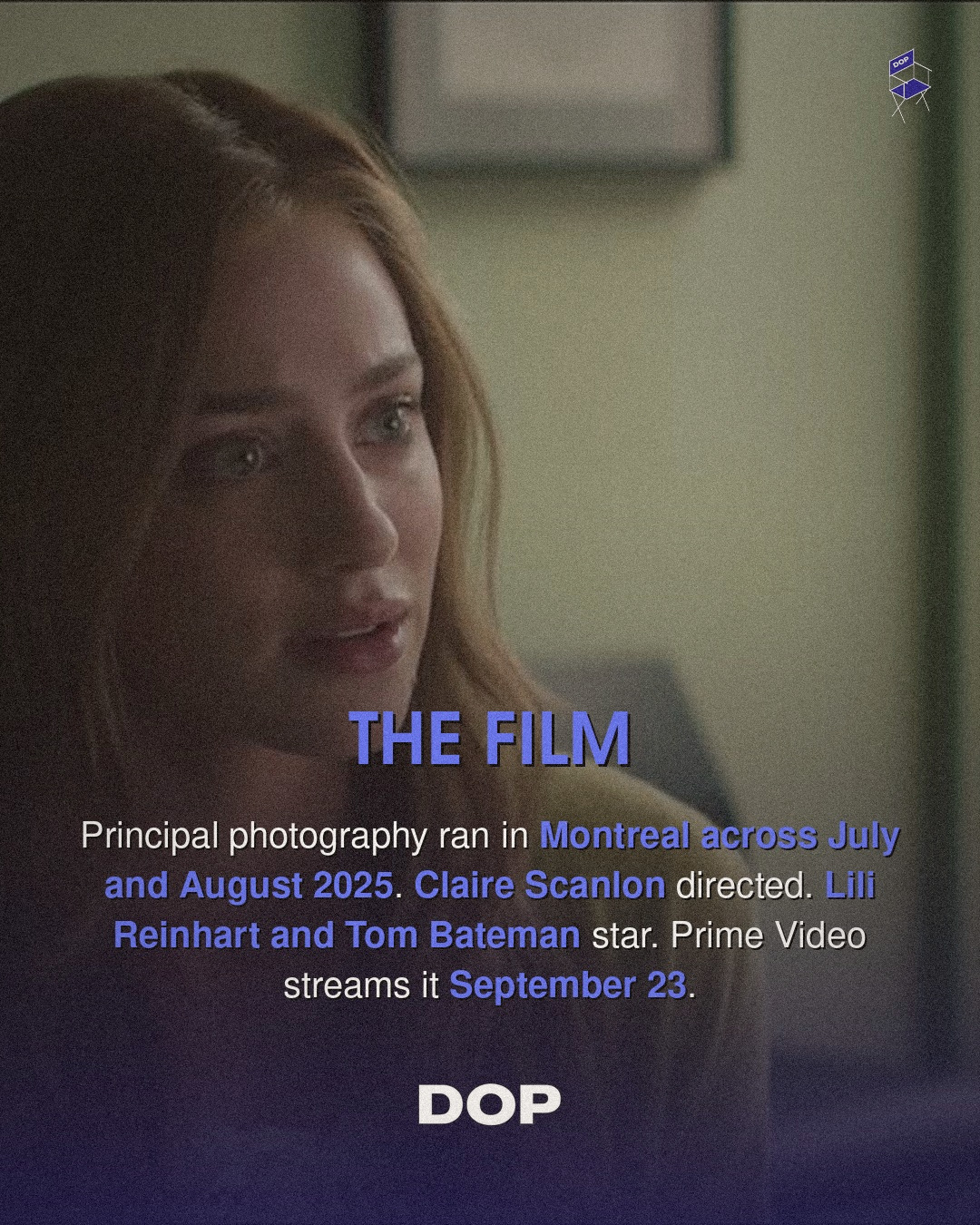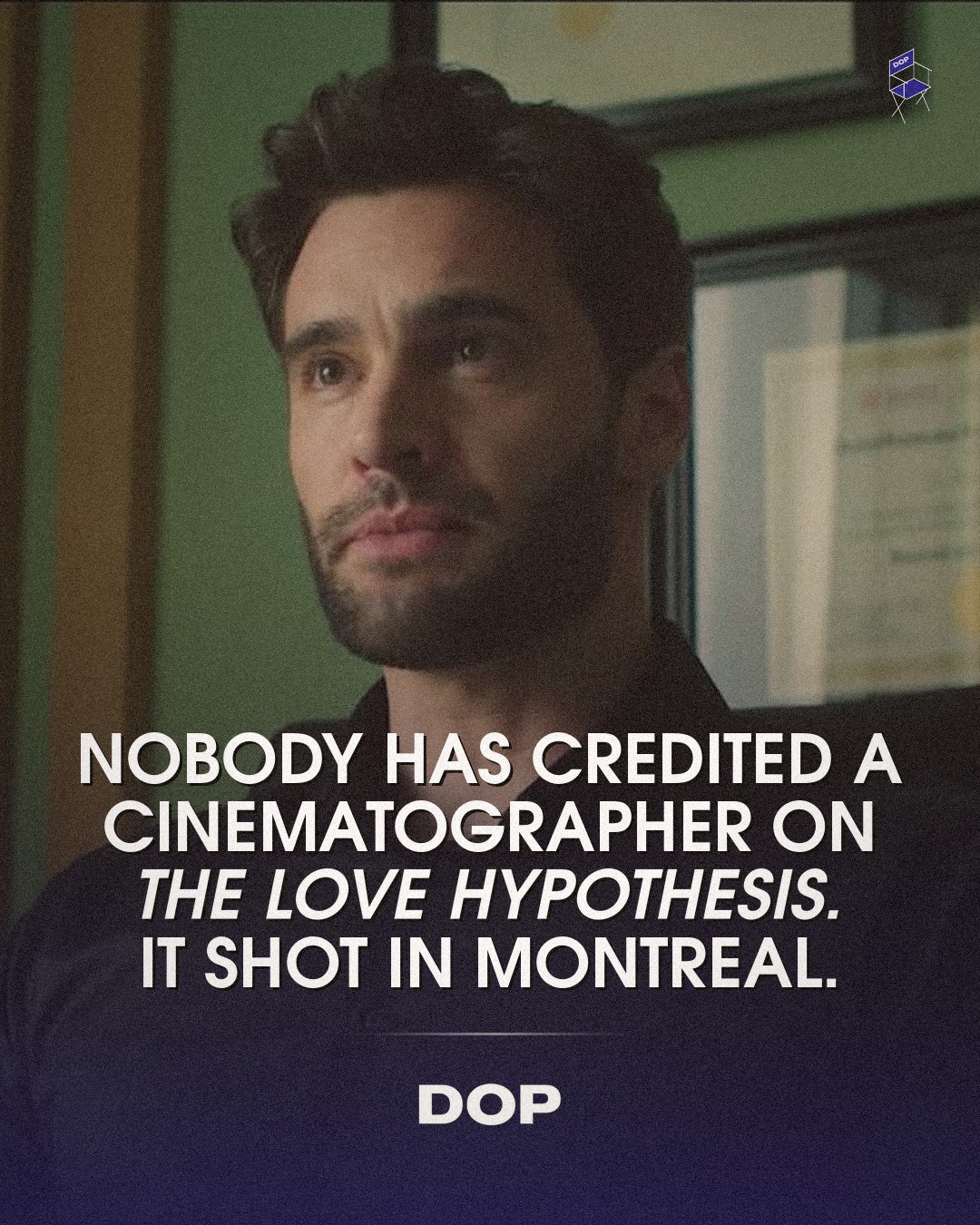
The recent announcement of principal photography concluding for Claire Scanlon's latest feature, an adaptation of Ali Hazelwood's novel for Prime Video, has piqued the interest of cinematographers and film enthusiasts alike. Shot across July and August 2025 in the vibrant, architecturally diverse city of Montreal, this production promises a fresh visual take on contemporary romance. While specific details on the Director of Photography are still under wraps, a tantalizing mystery for now, the collaboration between Scanlon, known for her sharp comedic timing and emotional depth, and screenwriter Sarah Rothschild, suggests a narrative ripe for sophisticated visual interpretation. The pairing of Lili Reinhart and Tom Bateman in lead roles further elevates expectations for a film that balances heartfelt performances with compelling aesthetics.
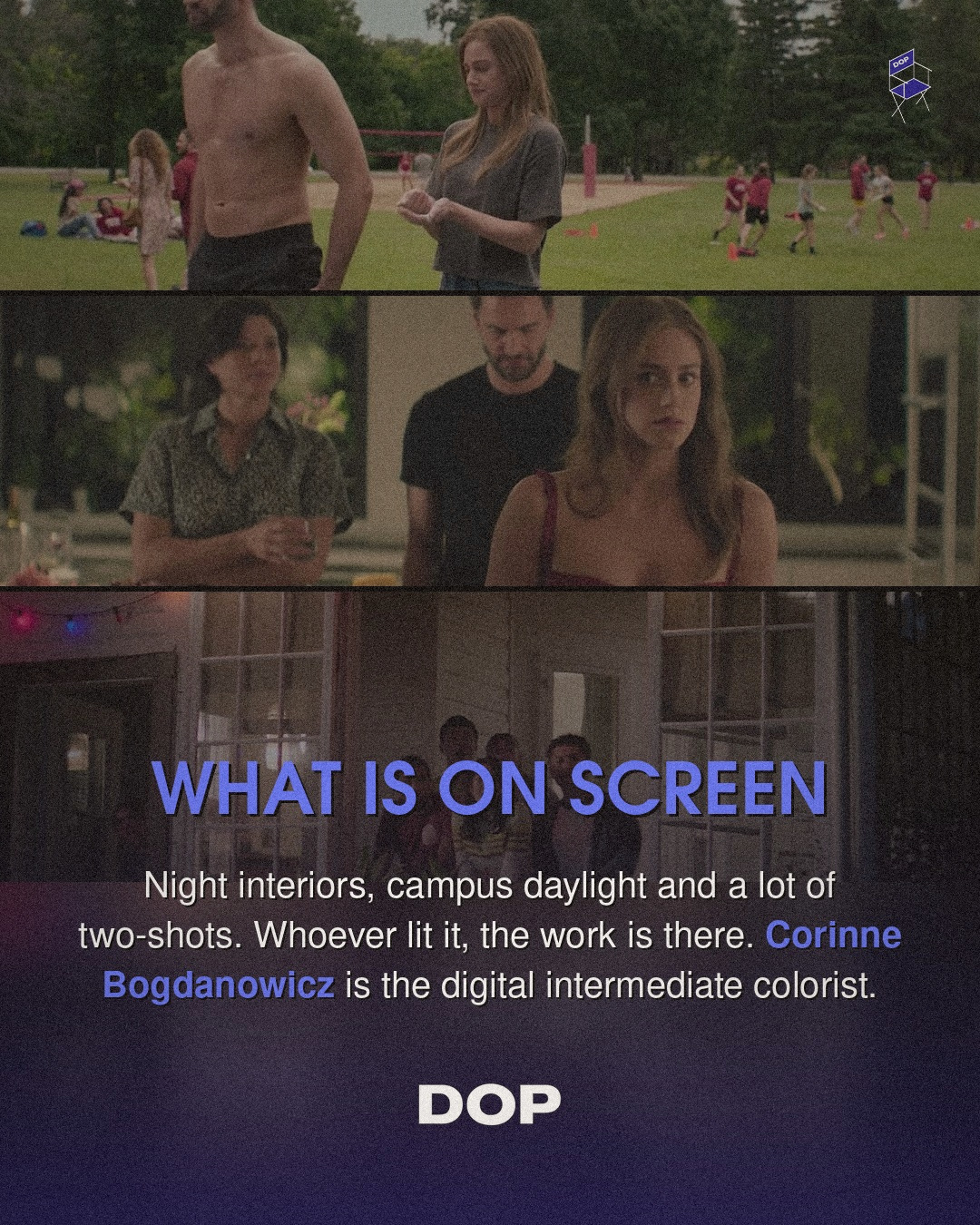
Montreal, a city renowned for its distinct European charm interwoven with modern urban landscapes, offers an incredible palette for a cinematographer. From the cobblestone streets of Old Montreal to the sleek, contemporary architecture of its downtown core, the locale itself is a character waiting to be exploited. We can anticipate the DP leveraging this versatility, perhaps contrasting the warmth of intimate interior scenes with the cool, expansive exteriors of the city's parks or the dramatic skyline. The summer months of July and August provide a specific quality of light, long, golden hours and potentially dramatic storm fronts, which, if harnessed effectively, can imbue the narrative with a palpable sense of mood and atmosphere. Will the film lean into a sun-drenched, idyllic aesthetic, or will the DP opt for a more diffused, naturalistic approach to reflect the emotional journey of the characters?
Crafting the Romantic Gaze: Lens Choices and Camera Movement
In the realm of romantic dramas, the choice of lenses and camera movement is paramount to crafting the emotional core of the story. Given Scanlon’s history, which often blends humor with genuine human connection, we might expect a preference for lenses that offer a beautiful, flattering rendition of faces without being overly clinical. Classic anamorphic lenses, with their distinctive oval bokeh and horizontal flares, could lend a dreamy, expansive quality, enhancing the 'cinematic' feel that Prime Video often seeks for its tentpole productions. Alternatively, modern spherical primes, like ARRI Signature Primes or Cooke S7/i’s, known for their creamy fall-off and excellent skin tone rendition, could provide a more naturalistic yet still highly polished look, keeping the focus squarely on the nuanced performances of Reinhart and Bateman.
“The cinematographer’s true artistry lies not just in what they show, but in how they make you feel about what you’re seeing. Especially in romance, every frame is an emotional beat.”
Camera movement will undoubtedly play a crucial role in shaping the audience's connection to the characters. For moments of budding romance and intimacy, a fluid, often handheld or Steadicam approach could immerse the viewer directly into the characters' subjective experience, fostering a sense of authenticity and vulnerability. Conversely, more formal, deliberate dolly moves or crane shots might be employed to emphasize the grandeur of the setting or to underscore moments of emotional distance or contemplation. The interplay between these techniques, guided by the DP's vision, will dictate the film's rhythm and emotional pulse.
Lighting Philosophy and Color Science: Evoking Emotion
The lighting philosophy for a contemporary romance is a delicate balance. It needs to be beautiful and aspirational, yet grounded enough to feel real. A DP might employ a soft, diffused key light to flatter the actors, often augmented by practical lights within the set to create depth and texture. The interplay of natural light streaming through windows with carefully placed artificial sources is a hallmark of sophisticated cinematography in this genre. Imagine scenes bathed in the warm glow of a Montreal sunset, or the cool, crisp light of a morning, each carefully sculpted to reflect the emotional beats of Rothschild’s adaptation.
Color science, too, will be critical in establishing the film's overall mood and tone. Will the film lean into a vibrant, high-saturation palette to reflect the joy and passion of new love, or will it adopt a more subdued, naturalistic grade to underscore moments of introspection or conflict? The choice of camera sensor, whether an ARRI Alexa Mini LF for its renowned skin tones and dynamic range, or a Sony Venice for its dual native ISO and rich color rendition, will provide the foundational color information. The final grade, however, will be where the DP and colorist truly sculpt the film's emotional landscape, potentially using warmer tones for scenes of connection and cooler, desaturated hues for moments of uncertainty. We eagerly await September 23rd to witness the visual poetry that this talented team has undoubtedly woven.
This article contains affiliate links. We may earn a small commission at no extra cost to you. Learn more.