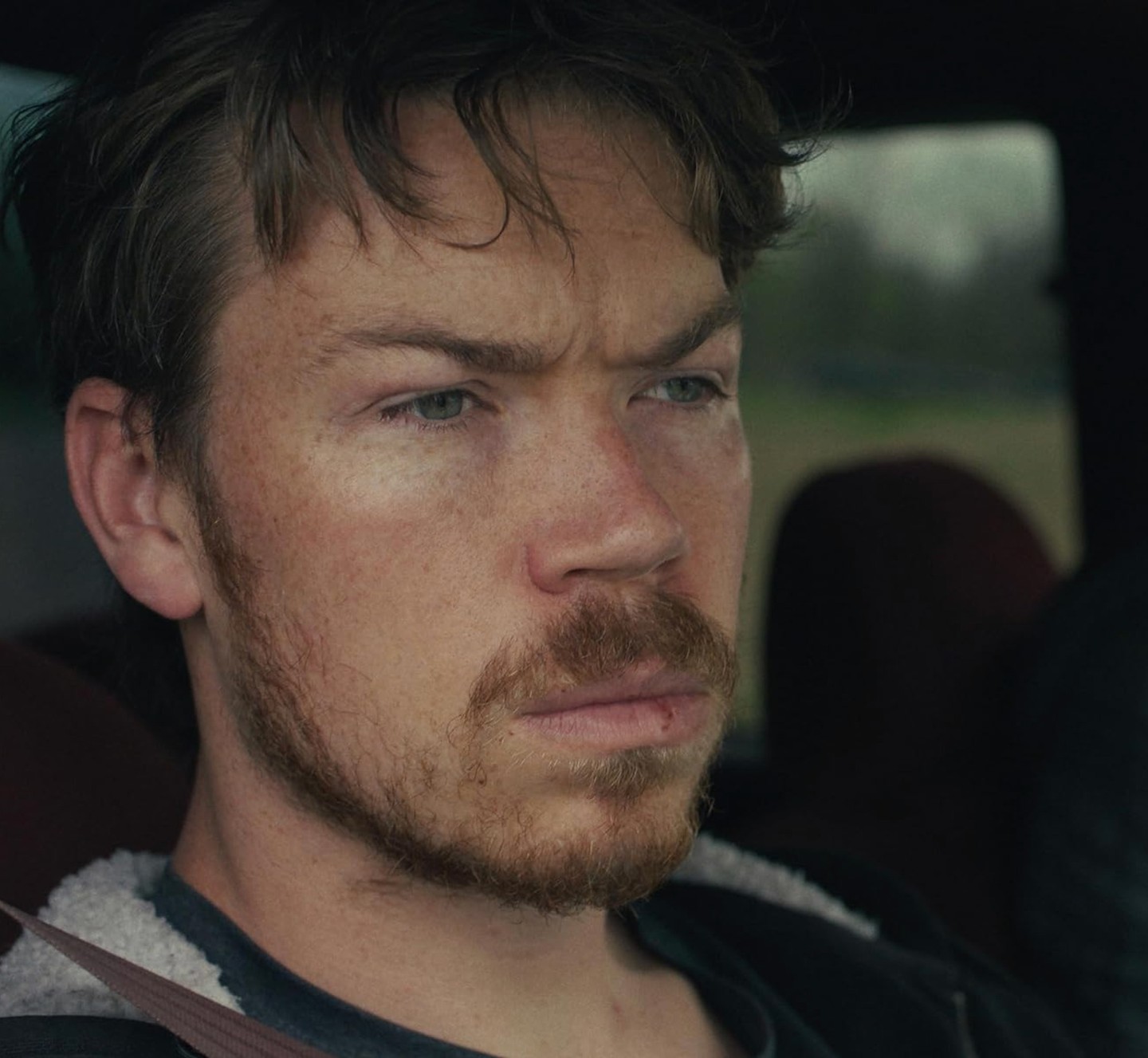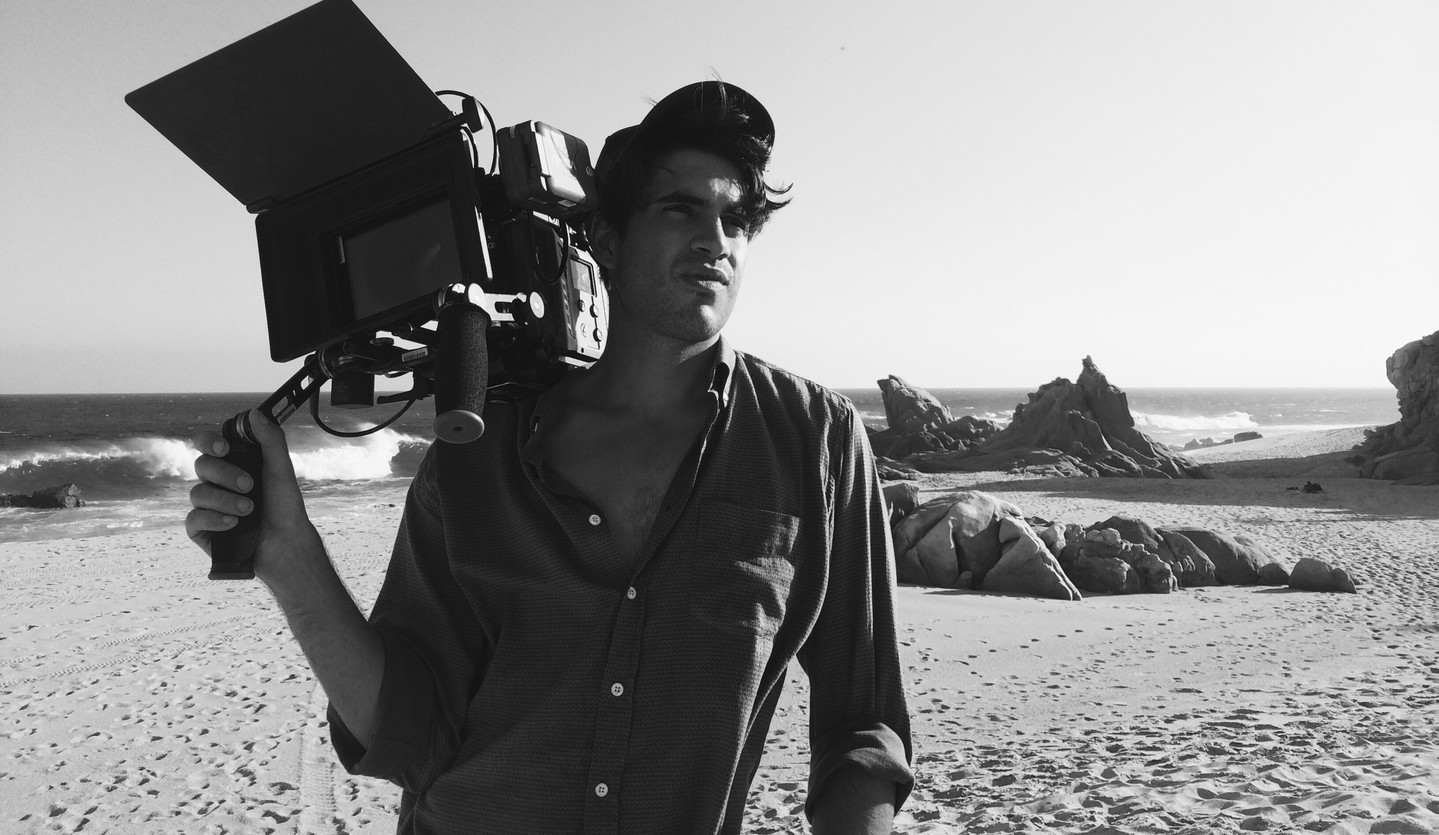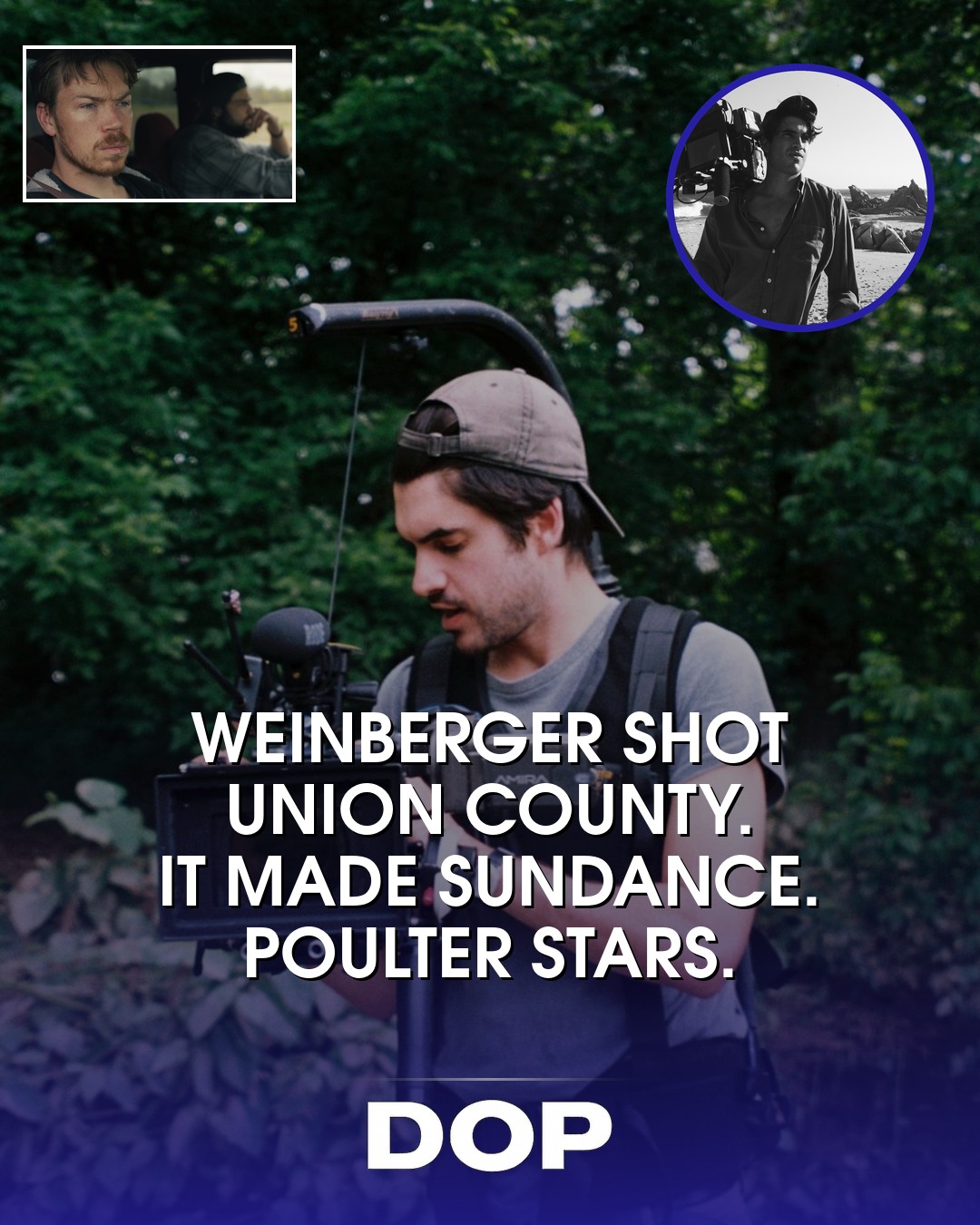
Stefan Weinberger’s debut feature, Union County, which premiered at the 2026 Sundance Film Festival US Dramatic Competition, is more than just a compelling narrative; it’s a profound statement on the power of understated, authentic cinematography. Directed by Adam Meeks, the film immerses audiences in the stark realities of a county-mandated drug court program in rural Ohio, following Cody Parsons, played with raw intensity by Will Poulter, alongside Noah Centineo. The industry buzz is already significant, with The Wrap lauding Weinberger’s work as possessing “natural beauty worthy of a Kelly Reichardt picture”—a comparison that immediately pricks the ears of any serious student of visual storytelling.
This isn't praise given lightly. To invoke Kelly Reichardt is to speak of a cinematic language steeped in observational realism, a deep respect for landscape, and an almost tactile sense of verisimilitude. Weinberger, in his first feature, appears to have embraced these tenets wholeheartedly. The film’s visual philosophy was born from an extraordinary pre-production process: Weinberger and Meeks dedicated months to immersing themselves in the Union County community. This wasn't merely a series of location scouts; it was a deep dive into the lives of the actual drug court participants, building trust and understanding the nuances of their daily existence. This foundational work directly informed every frame, every camera placement, and every lighting choice.
The Art of Grounded Framing
The resulting visual language of Union County is a deliberate rejection of the overtly stylized or performative. Instead, it favors grounded, focused framing. This isn't to say it's simplistic; rather, it’s a sophisticated exercise in restraint. We can infer that Weinberger likely opted for prime lenses, perhaps in the 35mm to 85mm range, to maintain a natural perspective, avoiding the distortion of wider lenses or the compression of longer ones that can feel less immediate. The choice of camera body, while not explicitly stated, would undoubtedly have been one known for its excellent color science and low-light performance—perhaps an ARRI Alexa Mini LF or a Sony VENICE—to capture the subtle shifts in Ohio’s natural light and the often-unadorned interiors with integrity.
“The visual language of Union County is a deliberate rejection of the overtly stylized or performative. Instead, it’s a sophisticated exercise in restraint, favoring grounded, focused framing.”
The lighting philosophy, too, seems to adhere to this principle of authenticity. Rather than imposing artificial light, Weinberger likely worked to augment existing practicals and available light, shaping it to serve the narrative without drawing attention to itself. This could involve careful flag work, subtle bounce, or perhaps small, soft LED panels to lift shadows just enough to reveal texture and emotion, allowing the environment itself to become a character. This approach not only enhances realism but also fosters a sense of intimacy, inviting the audience to observe rather than merely watch.
Beyond the Frame: Storytelling Through Subtlety
Weinberger’s filmography, though nascent, clearly demonstrates a keen eye for character-driven narratives and a commitment to visual honesty. The early buzz around Union County suggests a cinematographer deeply attuned to the emotional currents of his subjects. The “focused framing” mentioned in the synopsis implies a deliberate choice to keep the human element central, often allowing negative space or the environment to inform the characters’ internal states without explicit exposition. This is the hallmark of a cinematographer who understands that the camera is not just a recording device, but an interpreter of human experience.
The comparison to Reichardt is particularly insightful because her DPs, such as Chris Blauvelt (First Cow, Certain Women) and Peter Saraf (Wendy and Lucy), are masters of creating worlds that feel lived-in and unvarnished. They prioritize texture, natural light, and compositions that allow scenes to breathe. Weinberger appears to be following in this tradition, using his craft to elevate the narrative without overpowering it. This measured approach is crucial for a story like Union County, where the stakes are inherently human and the struggle is often internal.
As cinematographers, we are often tempted by the spectacular, the technically complex, or the visually audacious. Union County serves as a powerful reminder that sometimes, the most profound impact comes from the most grounded and thoughtful choices. Stefan Weinberger’s debut is not just a promising start to a career; it’s a testament to the power of research, respect for subject matter, and a deep understanding of how subtle visual cues can unlock profound emotional truths. It’s a film that DPs and serious film enthusiasts alike should study, not for its flash, but for its unwavering commitment to authentic visual storytelling.
This article contains affiliate links. We may earn a small commission at no extra cost to you. Learn more.