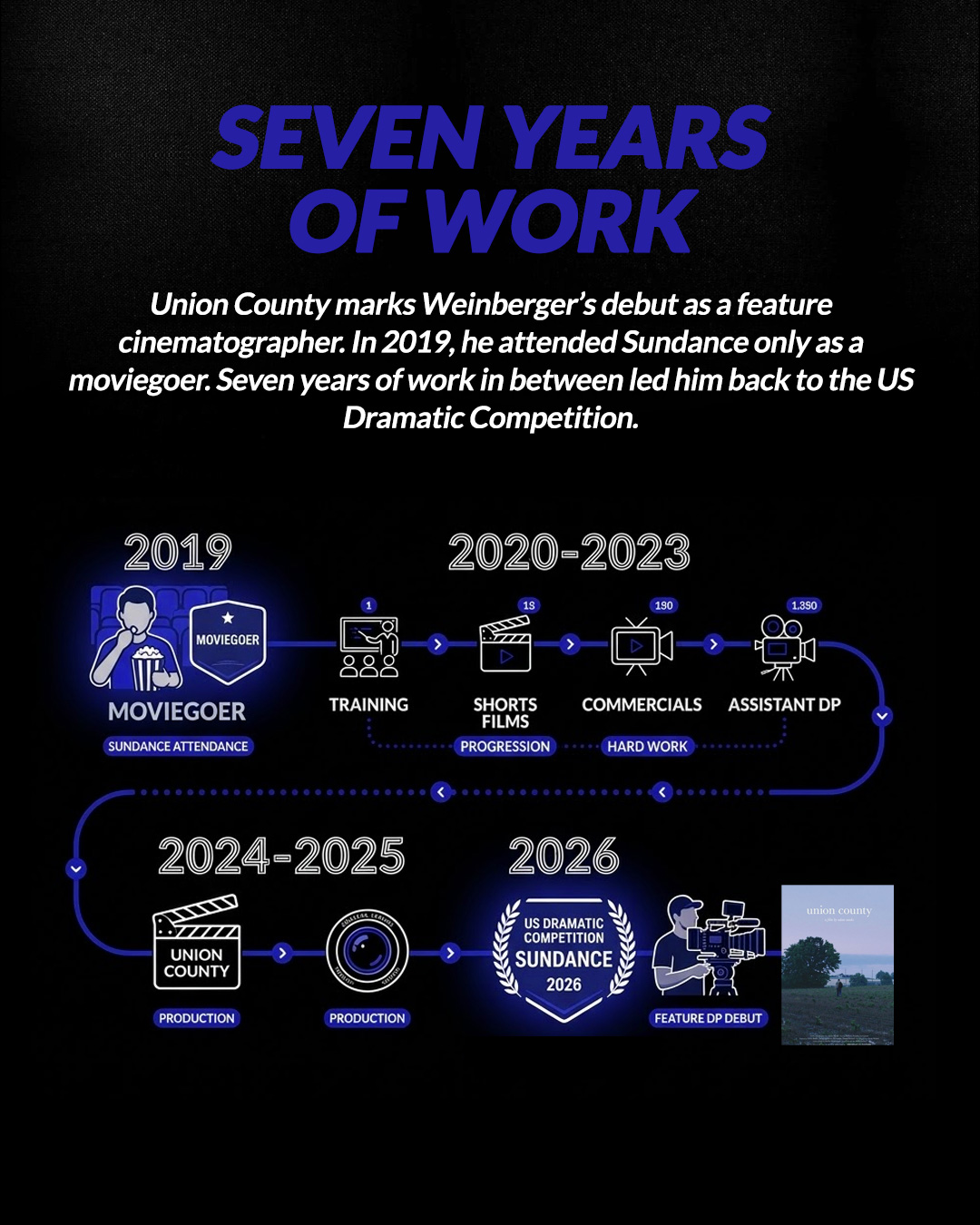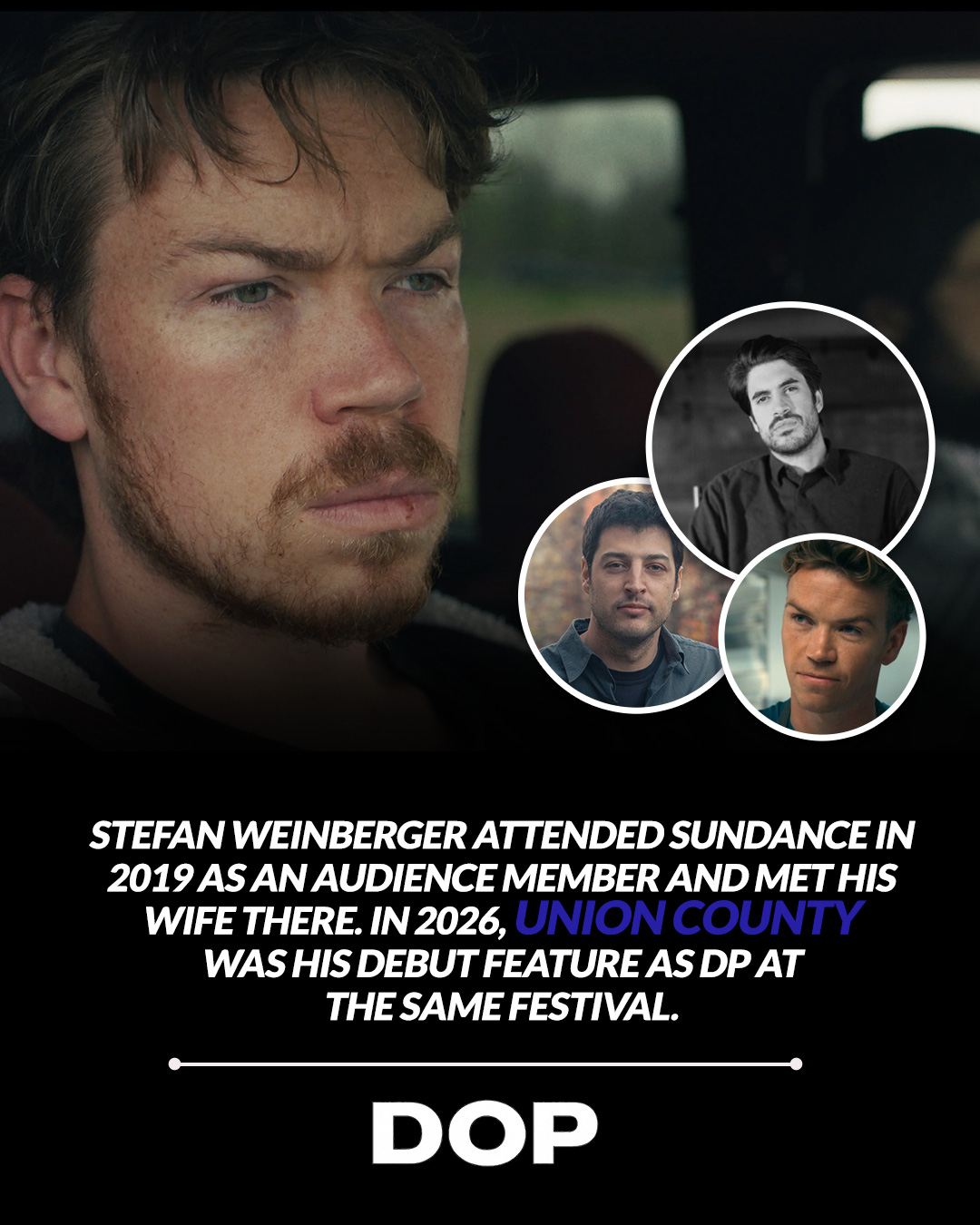
The story of Stefan Weinberger, the Director of Photography behind the critically lauded Union County, is one that resonates deeply within the filmmaking community. Not just for the film's powerful narrative and striking visuals, but for Weinberger's remarkable personal trajectory: from a humble audience member at Sundance in 2019 to premiering his debut feature as DP at the very same festival in 2026. This isn't merely a feel-good anecdote; it’s a testament to dedication, craft, and the profound impact of immersive visual anthropology on cinematic authenticity.
Union County, directed by Adam Meeks and starring Will Poulter, plunges viewers into the raw, often unforgiving world of an Ohio opioid recovery court program. This isn't a world that can be faked or glossed over with superficial aesthetics. The film's strength, and Weinberger's triumph, lies in its unflinching honesty, a direct result of the deep immersion undertaken by both the director and DP. Their extensive time embedded within the actual drug court community, from initial research trips to the very last day of shooting, forged a visual language rooted in trust and genuine understanding.
The Art of Blending In: Visual Authenticity
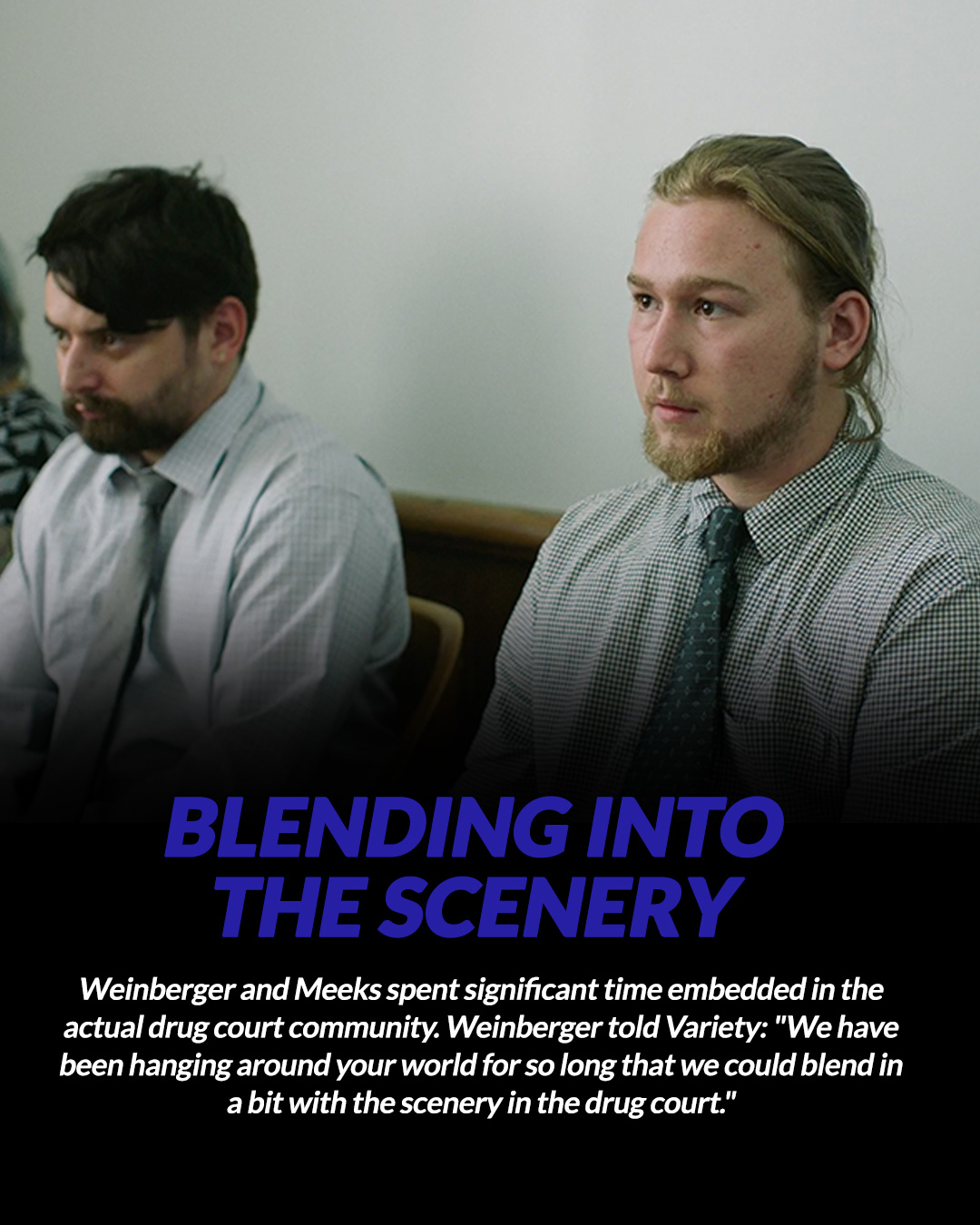
Weinberger's philosophy, as articulated at Variety's Anatomy of a Film panel, speaks volumes:
“Between the short, and scout trips and research trips, we have been hanging around your world for so long that by the time it came to making the film, there was just a lot of comfort and trust there. We felt like we could blend in.”This 'blending in' isn't just about gaining access; it's about seeing, truly seeing, the nuances of a community often overlooked or misrepresented. For a cinematographer, this translates into a visual approach that prioritizes truth over spectacle, empathy over judgment. The camera becomes an observer, not an intruder, capturing life as it unfolds with a respectful distance that paradoxically brings the audience closer to the characters' experiences.
While specific technical details of Union County's production haven't been fully disclosed, Weinberger's approach suggests a preference for tools that facilitate this unobtrusive style. One can infer the use of smaller, more agile camera packages, perhaps a RED Komodo or ARRI Alexa Mini LF, paired with fast, versatile prime lenses like Cooke S4/i or Zeiss Supreme Primes. These combinations offer excellent low-light performance and a naturalistic rendering, crucial for capturing the often stark, unglamorous environments of recovery courts without resorting to artificial lighting setups that would break the illusion of reality. The choice of lenses, in particular, would likely lean towards those with a subtle character, avoiding overly clinical or overtly stylized looks that could detract from the raw emotions on screen.
Lighting for Truth, Not Drama
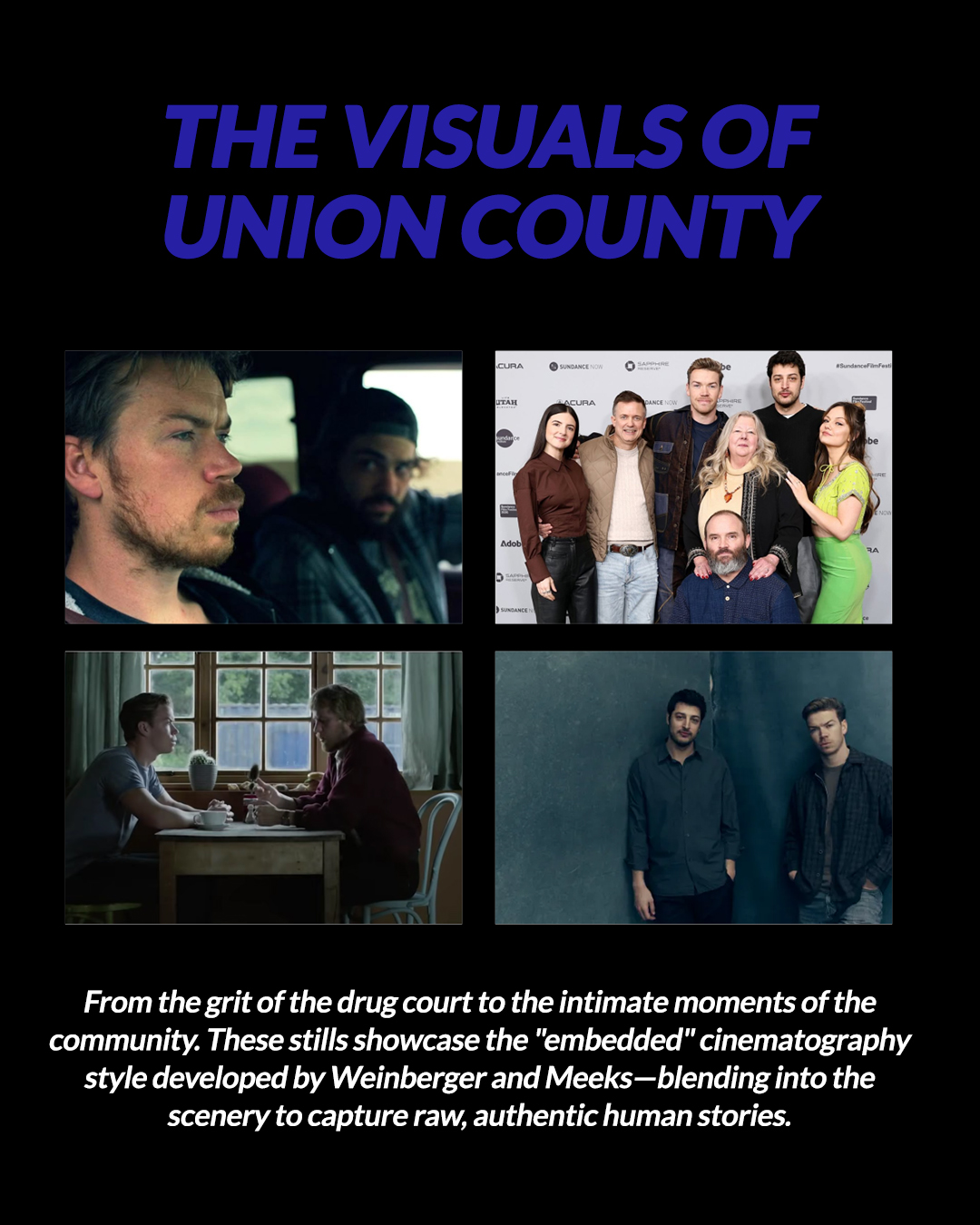
The lighting in a film like Union County is paramount. It's not about crafting beautiful, chiaroscuro compositions for their own sake, but about reflecting the often harsh realities of the characters' lives. Weinberger likely employed available light extensively, augmented subtly with practicals and perhaps small, controllable LED units to shape and lift faces without announcing their presence. This 'motivated' lighting approach – where every light source feels organic to the environment – is a hallmark of documentary-style filmmaking often employed in narrative features striving for authenticity. The color science would also be critical, likely favoring a naturalistic, slightly desaturated palette that mirrors the muted tones of an Ohio winter or the institutional feel of courtrooms and counseling centers, enhancing the film's grounded aesthetic without sacrificing visual depth.
Weinberger’s prior work, including the short film that preceded Union County, likely honed his ability to find beauty and pathos in everyday settings. His visual signature appears to be one of quiet observation, allowing the performances and the environment to speak for themselves. This requires a deep understanding of composition, framing, and movement that serves the narrative, rather than overpowering it. The camera moves with purpose, or holds steady with an unwavering gaze, reflecting the emotional beats of the story and the internal struggles of characters like Will Poulter's protagonist.
The Craft of Connection: A Cinematographer's Empathy
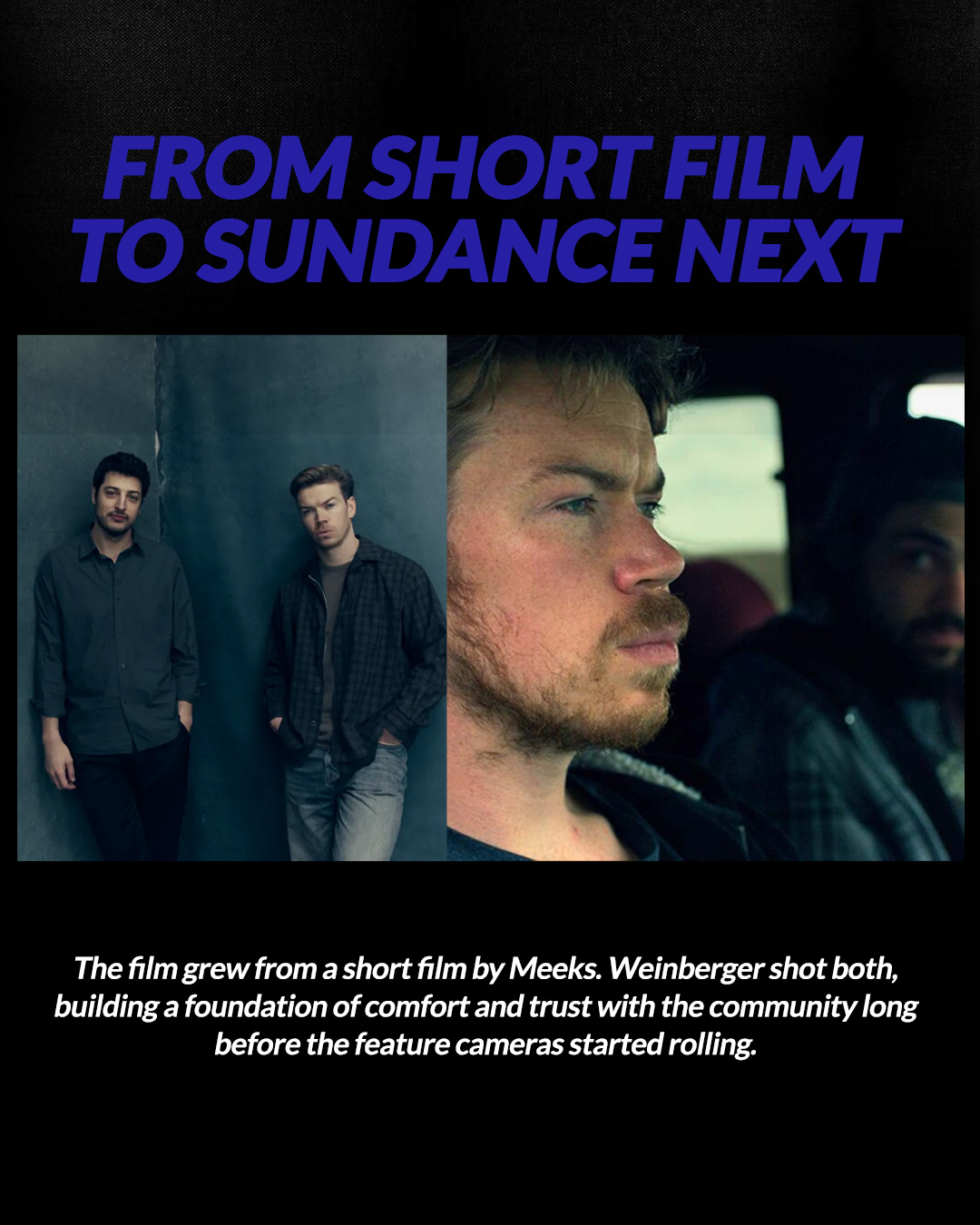
The journey from a short film to a Sundance feature debut is a significant leap, and Weinberger's success with Union County is a powerful endorsement of his collaborative spirit and technical prowess. His partnership with Adam Meeks, dating back to the short, speaks to a shared vision and a deep understanding of the material. This synergy between director and DP is the bedrock of compelling cinema, allowing for the kind of nuanced visual storytelling that elevates a film from mere narrative to profound experience.
Ultimately, Union County and Stefan Weinberger's work on it serve as a powerful reminder that cinematography is not just about technical mastery, but about empathy, curiosity, and the courage to immerse oneself fully in the world being portrayed. His return to Sundance, not as an observer but as a celebrated artist, closes a beautiful circle, underscoring the idea that the most impactful stories are often told by those who have taken the time to truly listen and see.
This article contains affiliate links. We may earn a small commission at no extra cost to you. Learn more.