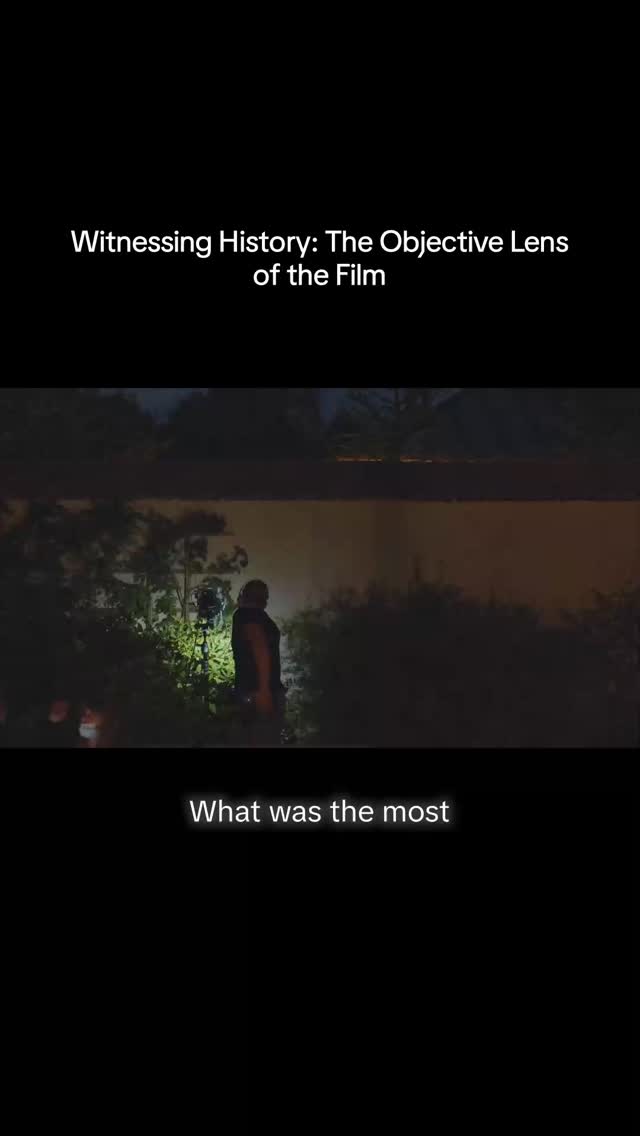
In an era often characterized by visual maximalism and overt stylistic flourishes, the philosophy of objectivity in cinematography, as espoused by DP Łukasz Żal, offers a compelling counter-narrative. Known for his groundbreaking work on films like Ida and Cold War, Żal's approach isn't merely a stylistic choice; it's a profound commitment to truth and witnessing. His methodology, which meticulously employs wide lenses, center framing, and the distinct character of Leica glass, transcends mere technical preference, elevating the camera to a neutral observer, a silent chronicler of human experience.
Żal's visual language, particularly evident in his black and white masterpieces, is a testament to the power of restraint. When he speaks of 'removing the filmmaker's judgment' and 'avoiding artificial attractiveness,' he's articulating a deep-seated belief that the camera's primary role isn't to interpret or manipulate, but to simply be present. This isn't to say his work lacks artistry; quite the opposite. The artistry lies in its profound authenticity, in its ability to allow the subject to breathe, unburdened by overt directorial interference. It’s a brave choice in a medium often obsessed with spectacle.
The Wide Lens as a Witness
The consistent use of wide lenses is central to Żal's objective aesthetic. Unlike telephoto lenses that compress space and isolate subjects, wide lenses inherently include more of the environment, placing the characters within their context rather than abstracting them. This spatial relationship is crucial. In Ida, for instance, the wide-angle perspective, often combined with the film's unique 1.37:1 aspect ratio, creates a sense of both intimacy and vastness. The characters, though often small within the frame, are never lost; instead, their presence is amplified by the sheer scale of their surroundings, be it a desolate landscape or a stark interior. This choice forces the viewer to engage with the entire scene, fostering a more observational, less prescriptive gaze.
“By removing the filmmaker's judgment and avoiding artificial attractiveness, the camera becomes a neutral observer of history.”
Center framing further reinforces this observational stance. It’s a deliberate rejection of conventional compositional rules that often seek to guide the eye through leading lines or the rule of thirds. By placing subjects squarely in the middle, Żal removes any implied hierarchy or emphasis. The frame becomes a window, and the subject, regardless of their position, is simply there, existing. This directness can be disarming, even confrontational, but it's also incredibly honest. It demands that the viewer meet the subject on their own terms, without the subtle manipulation of off-center placement that might suggest narrative significance or emotional bias.
Leica Glass and the Clean Aesthetic
The choice of Leica glass, often paired with an ARRI Alexa Mini or XT, is another critical component of Żal's objective toolkit. Leica lenses are renowned for their optical precision, minimal distortion, and clean, almost clinical rendering. They offer a certain crispness and neutrality that aligns perfectly with his philosophy. Unlike some vintage lenses celebrated for their unique flares or 'imperfections,' Leica glass aims for a transparent portrayal of reality. This isn't about creating a sterile image, but rather one that feels unvarnished, allowing the textures, the light, and the subtle nuances of the real world to register without excessive character. The goal is clarity, not adornment.
The 'clean look' that results from this combination of technical choices—wide lenses, center framing, and Leica's optical precision—serves a profound narrative purpose. It allows the emotional and historical weight of the story to emerge organically, rather than being imposed by an overly expressive visual style. In Cold War, the stark black and white palette, combined with these objective framing principles, heightens the sense of longing, repression, and the brutal beauty of a love story unfolding against a backdrop of geopolitical turmoil. The cinematography doesn't tell us how to feel; it simply presents the raw material for our own emotional processing.
The Power of Unembellished Truth
Żal's work reminds us that sometimes, the most powerful visual statements are made through subtraction, not addition. By stripping away artificiality and embracing a form of cinematographic impartiality, he elevates the act of filmmaking to that of a profound act of witnessing. His camera isn't just recording events; it's bearing witness to history, to human frailty, and to enduring strength. For cinematographers seeking to imbue their work with a deeper resonance, Żal's philosophy offers an invaluable lesson: true impact often comes not from what you add to the frame, but from the purity of what you allow to simply exist within it. It's a challenging, yet ultimately deeply rewarding, path to visual storytelling.
This article contains affiliate links. We may earn a small commission at no extra cost to you. Learn more.