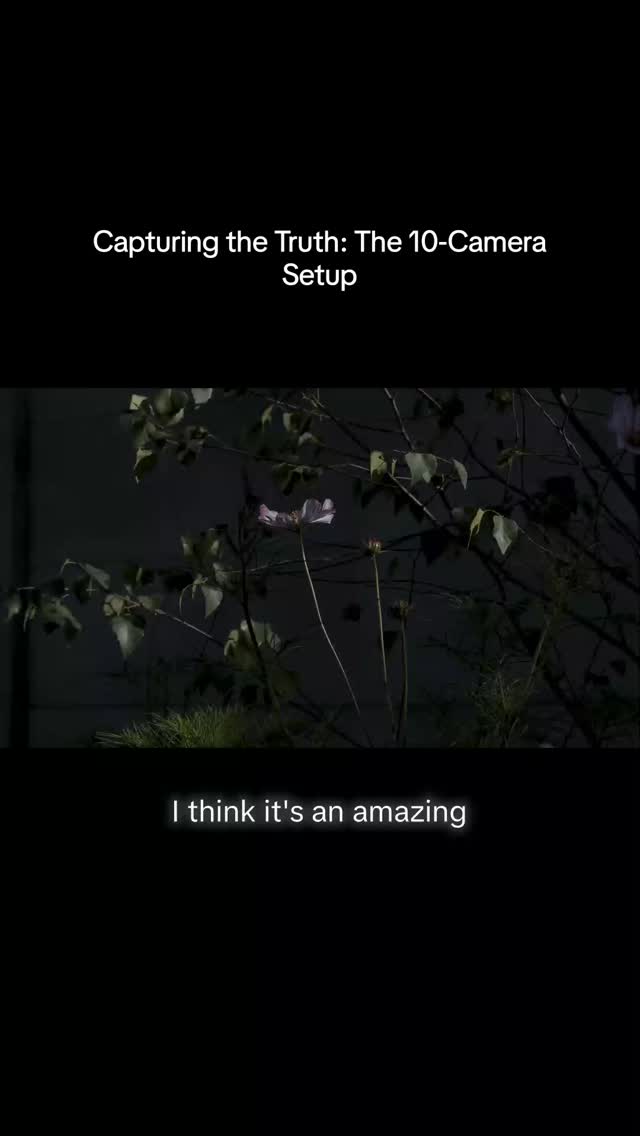
In an industry often obsessed with meticulous control, predetermined aesthetics, and the pursuit of photographic perfection, the philosophy espoused by cinematographer Łukasz Żal stands as a powerful counter-narrative. His recent remarks on deploying a massive ten-camera setup to capture unscripted moments, eschewing traditional lighting, and embracing the raw unfolding of life, offer a profound insight into a visual approach that prioritizes authenticity above all else. This isn't merely a technical choice; it's a deeply philosophical one, challenging the very notion of what constitutes cinematic truth.
Żal, known for his extraordinary work on films like Ida and Cold War, has consistently demonstrated a masterful command of visual storytelling, even within highly stylized black and white palettes. Yet, his latest venture suggests a deliberate pivot, or perhaps an evolution, towards a more observational, less interventionist form of cinematography. The sheer scale of a ten-camera array speaks volumes. It's not about finding the 'perfect' single angle, but about creating a net of perspectives, ensuring that every nuance, every fleeting expression, every accidental gesture is caught. This multi-camera approach is less about coverage in the conventional sense and more about creating a comprehensive visual record, allowing the narrative to emerge organically from the captured reality rather than being imposed upon it.
Beyond the Artifice: Embracing Naturalism
The decision to eliminate traditional lighting is particularly salient. In a world where gaffers meticulously sculpt light to achieve a desired mood or to highlight a performance, Żal's choice to 'simply let life happen' is radical. It’s a bold declaration that the existing light, however imperfect or inconsistent by conventional standards, possesses its own inherent truth and beauty. This isn't to say there's no aesthetic consideration; rather, the aesthetic derives directly from the environment itself. The sun, the ambient room light, the practicals – these become the sole illuminators, dictating the visual texture and dynamic range. This demands an incredibly sensitive sensor, lenses with exceptional low-light performance, and a DP with an acute understanding of how natural light shapes a scene and reveals character.
"By eliminating traditional lighting and simply letting life happen in front of the lens, the team creates a visual experience that feels less like a movie set and more like reality."
The technical implications are significant. Without the ability to shape light, the cinematographer's reliance shifts dramatically to lens choice, sensor sensitivity, and the careful selection of locations where the available light tells its own story. One might speculate on the use of high-ISO capable cameras, perhaps from manufacturers like ARRI with their ALEXA line, or Sony's Venice, known for their exceptional dynamic range and low-light performance. Lenses would likely be fast primes, allowing maximum light gathering and offering shallow depth of field to isolate subjects within their authentic environments, or perhaps vintage glass to introduce subtle imperfections that enhance the sense of reality.
A Masterclass in Observational Cinematography
This method transforms the cinematographer from an architect of images into a highly attuned observer. It requires an almost meditative patience, a willingness to surrender control, and an unshakeable trust in the power of the unvarnished moment. It’s a stark contrast to the meticulously choreographed, often hyper-stylized imagery prevalent in much of contemporary cinema. Żal's approach reminds us that sometimes, the most profound visual statements are made when the camera is least intrusive, when it simply bears witness. The 'unscripted moments' become the true performers, and the camera, a silent, omniscient chronicler.
For DPs and aspiring cinematographers, this philosophy offers a valuable lesson: true visual storytelling isn't always about grand gestures or elaborate setups. Sometimes, it’s about humility, about stepping back, and allowing the inherent drama and beauty of life to unfold. It’s about understanding that the 'truth' captured by a lens can be far more compelling than any meticulously constructed artifice. Żal's work, whether in the stark beauty of Ida or the raw authenticity of this new endeavor, consistently pushes the boundaries of cinematic expression, proving that the craft of cinematography is as much about philosophical inquiry as it is about technical mastery. It’s a reminder that the best way to tell a story is sometimes to simply get out of its way, roll cameras, and let the truth emerge.
This article contains affiliate links. We may earn a small commission at no extra cost to you. Learn more.