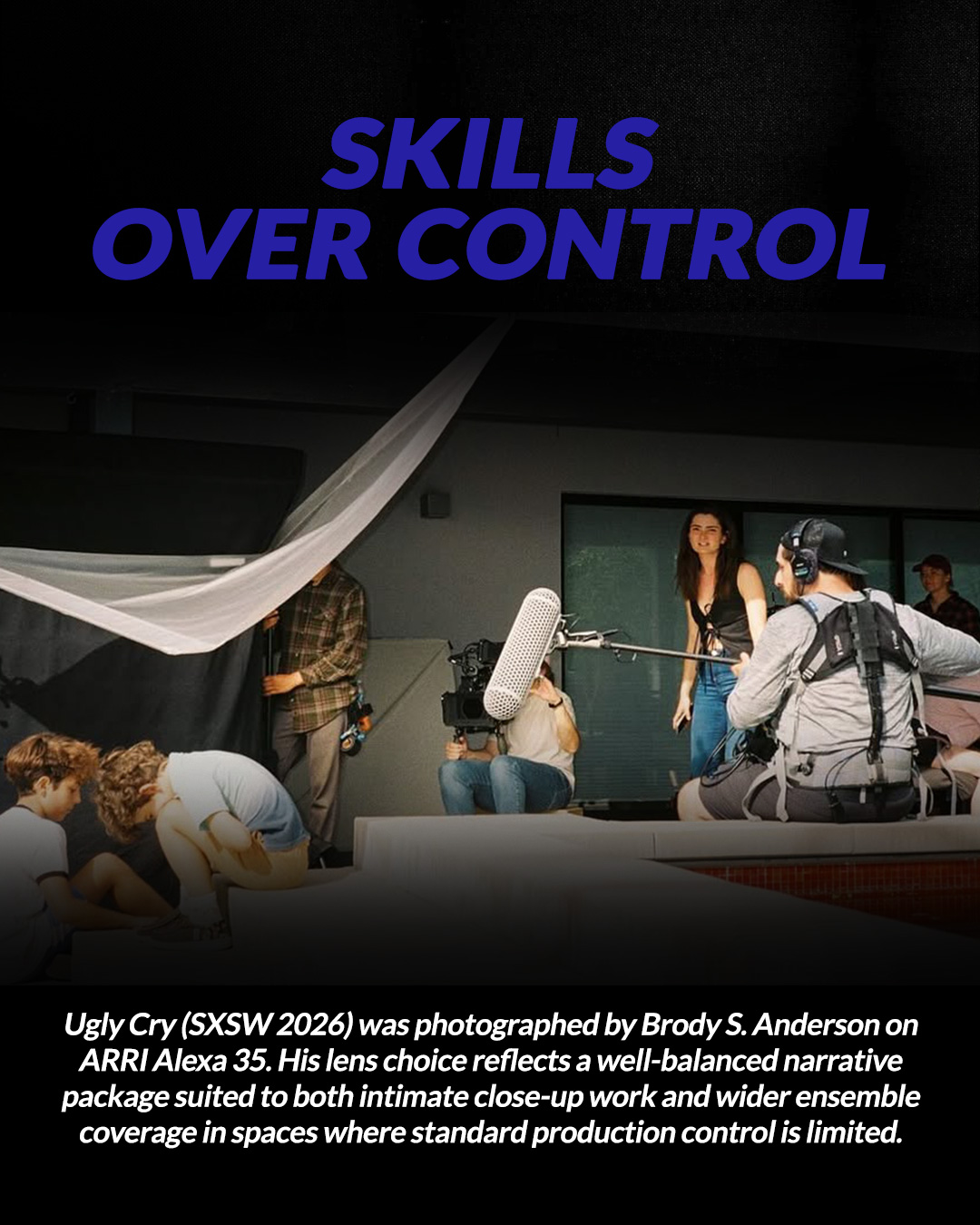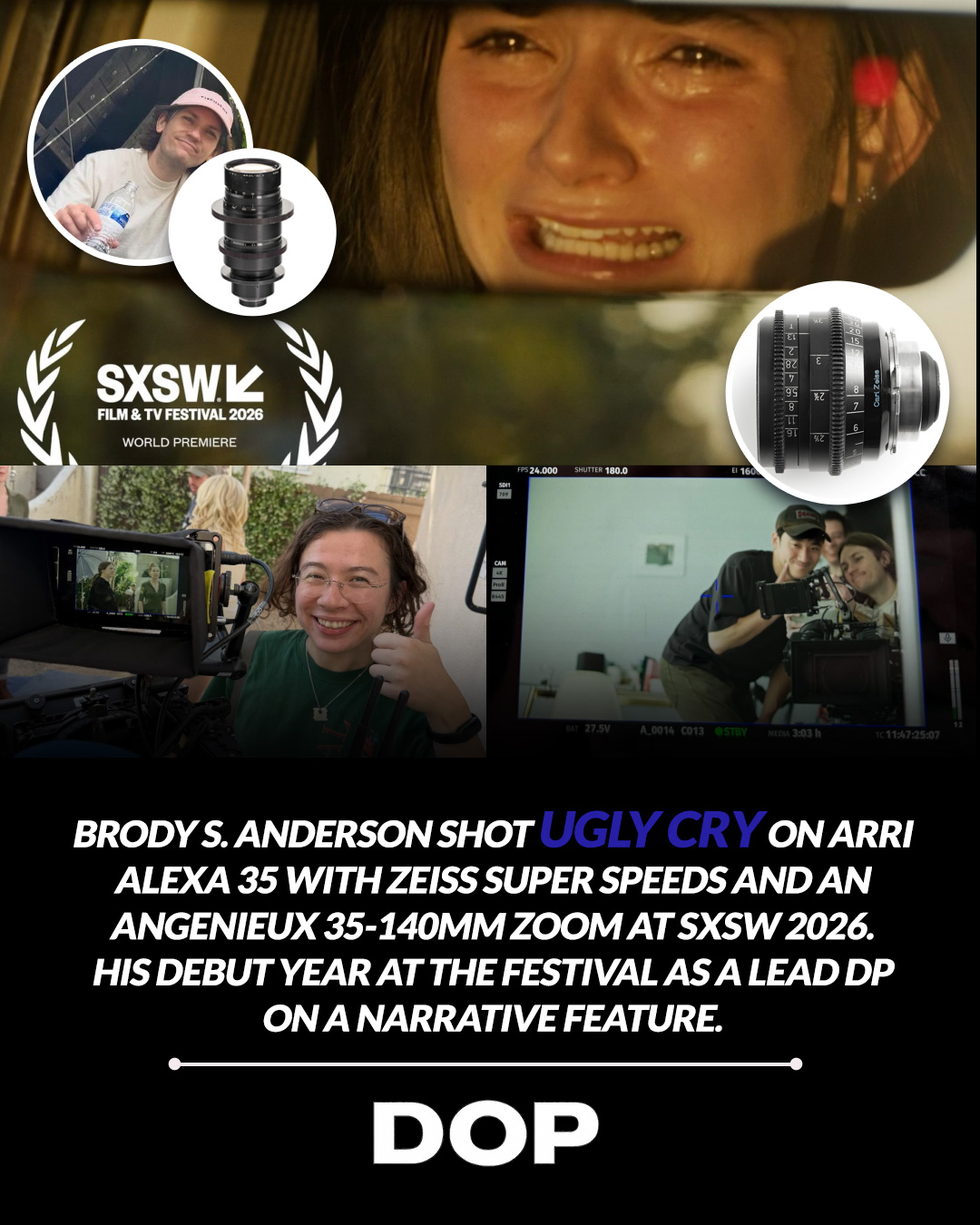
The annual pilgrimage to Austin for SXSW invariably brings forth a fresh wave of cinematic voices, and for cinematographers, it's a vital proving ground. Among the standout debuts at SXSW 2026, Brody S. Anderson's work on Ugly Cry has carved out a significant space, not just for its visual impact, but for its thoughtful technical execution. As Anderson marks his inaugural appearance as a lead DP on a narrative feature at the festival, his choices of camera and glass offer a masterclass in balancing classic aesthetics with contemporary workflow demands.
Anderson anchored the visual language of Ugly Cry with the ARRI Alexa 35, a camera that has rapidly solidified its position as a benchmark for digital image acquisition. The Alexa 35’s larger-than-Super35 sensor, combined with its renowned color science and dynamic range (boasting over 17 stops), provides a robust foundation for nuanced storytelling. This choice speaks volumes about Anderson’s commitment to capturing rich, organic textures and a deeply immersive visual experience. The camera’s ability to render subtle gradations in shadow and highlight is particularly crucial for a film like Ugly Cry, which, by its very title, suggests a narrative steeped in emotional intensity and vulnerable human experience.
The Enduring Allure of Zeiss Super Speeds
What truly elevates Anderson's approach is his primary lens package: the venerable Zeiss Super Speeds. Covering the core focal lengths from 18mm through 85mm, these lenses are legendary for their distinctive character. Their optical signature, a beautiful fall-off, gentle flaring, and a certain creaminess in the out-of-focus areas, imparts a timeless, almost ethereal quality to the image. This choice is far from a nostalgic whim; it's a deliberate artistic decision to inject soul and dimensionality into the digital capture. The slight imperfections and unique rendering of Super Speeds often provide a welcome counterpoint to the clinical sharpness that modern digital sensors can sometimes produce, fostering a more organic, film-like feel. For close-up work and intimate character moments, the Super Speeds would undoubtedly have provided a sublime textural quality, inviting the audience into the emotional landscape of the characters.
“The Super Speeds provide that unique blend of vintage character and modern resolution that just sings on the Alexa 35. It’s about giving the audience something tangible, something that feels lived-in, rather than just technically perfect.”
The strategic deployment of these primes for the majority of the film’s crucial emotional beats underscores a priority for optical character. Anderson understood that while versatility is key, certain moments demand the specific, irreplaceable voice of a prime lens. It's a philosophy that prioritizes the subtle nuances of light and depth that only certain glass can achieve, meticulously crafting each frame to serve the narrative's emotional core.
Bridging the Gap: The Angenieux Zoom
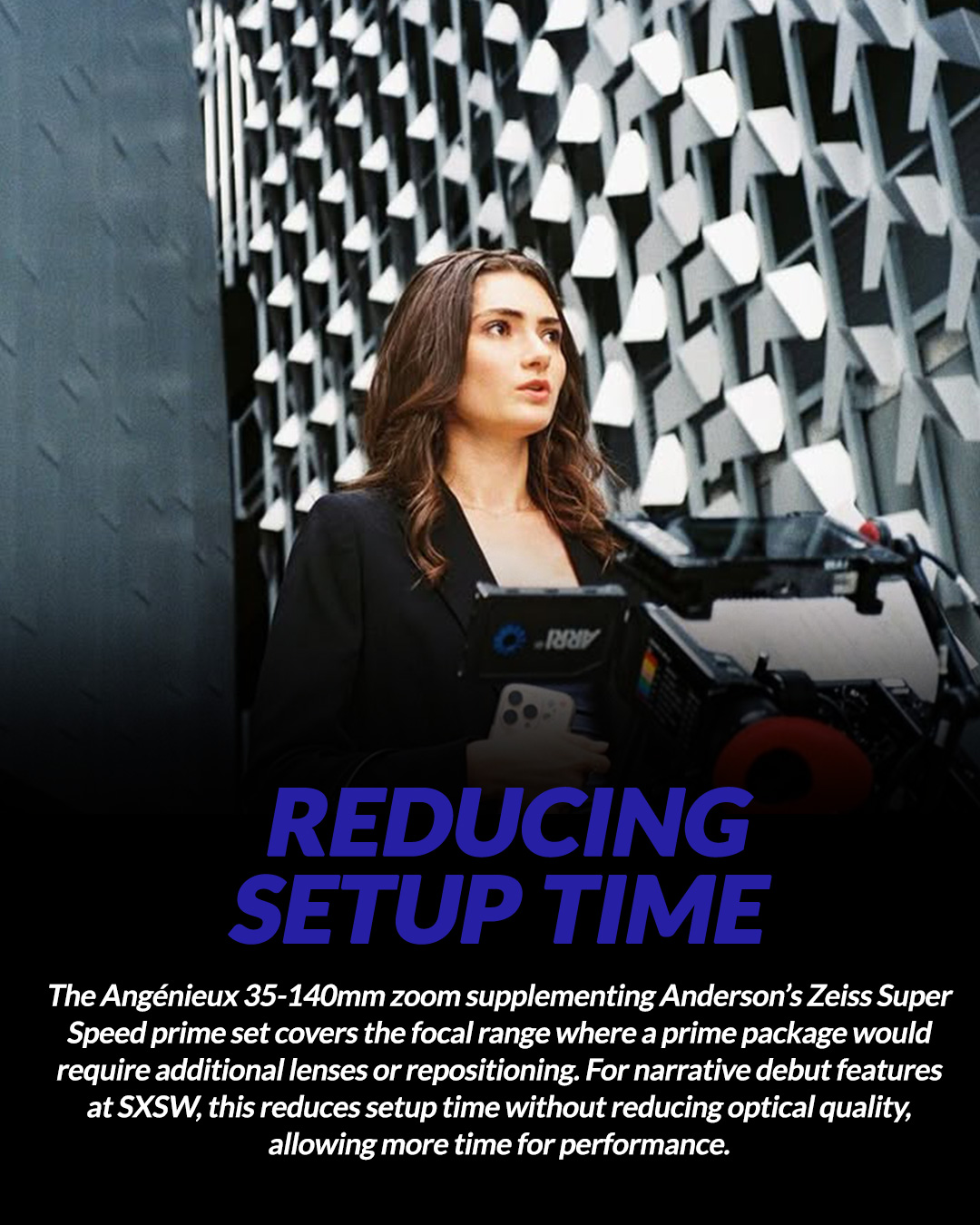
Complementing the Super Speeds was an Angenieux 35-140mm zoom lens. This choice is a testament to Anderson's practical acumen and understanding of production efficiency without compromising artistic vision. The Angenieux 35-140mm is a robust and optically superb zoom, known for its consistent image quality across its focal range and excellent color rendition. Its inclusion was strategic, designed to cover the mid-to-long telephoto range where a prime package would necessitate numerous lens changes and additional bulky glass.
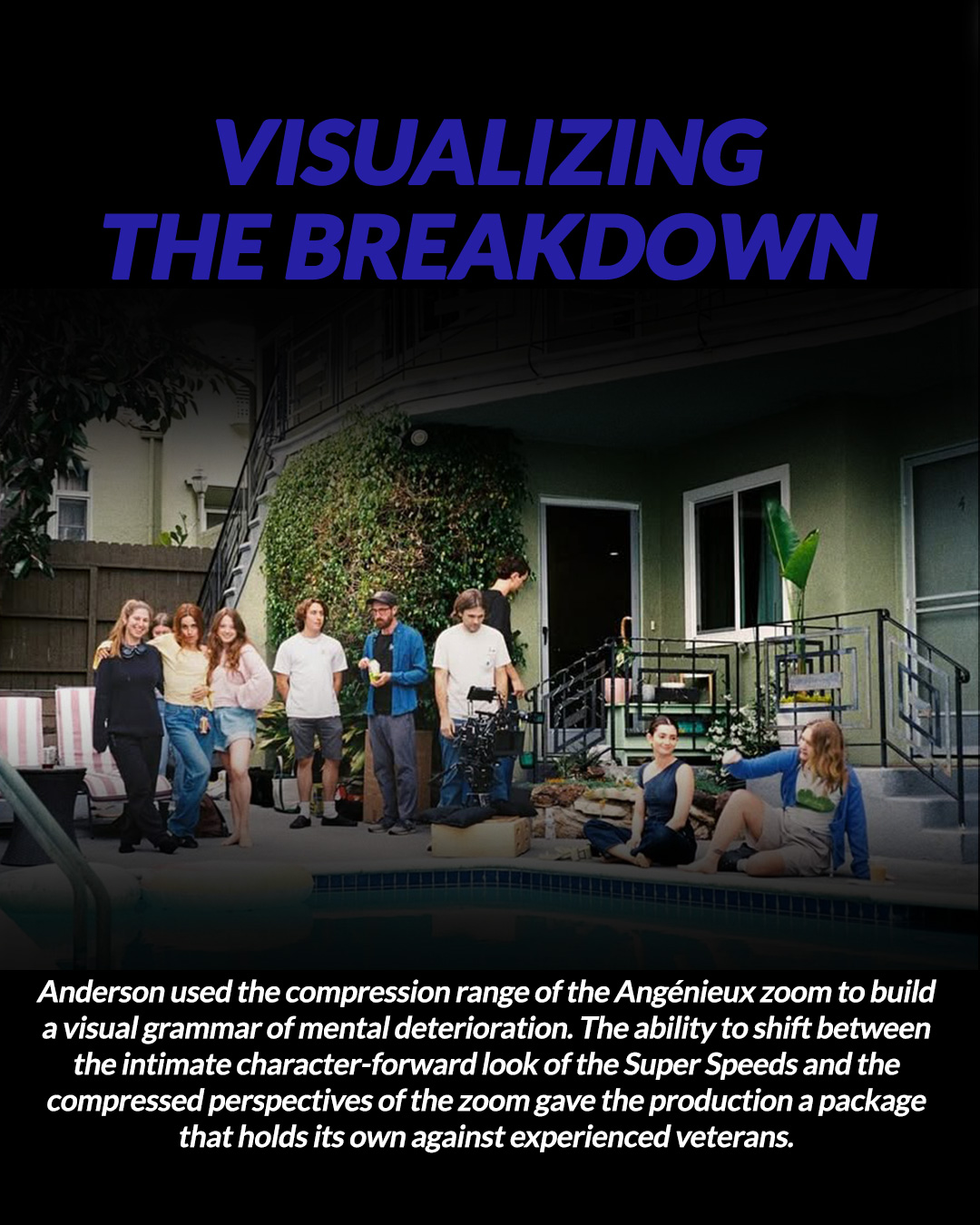
This hybrid approach, primes for character, zoom for coverage and efficiency, is a sophisticated solution to modern filmmaking demands. The Angenieux zoom allowed Anderson to maintain continuity in compression and perspective for medium and longer shots, crucial for dynamic blocking or when needing to quickly adjust framing without breaking the flow of a scene. It reduces setup time, streamlines the camera department’s workflow, and ensures that the narrative momentum remains unbroken, all while delivering a high-quality image that seamlessly integrates with the Super Speed aesthetic. It’s a pragmatic yet powerful choice, demonstrating an understanding of both the art and the logistics of cinematography.
A New Voice in Visual Storytelling
Anderson's debut on Ugly Cry is more than just a successful festival premiere; it's a significant statement of intent. His judicious selection of the ARRI Alexa 35, paired with the beloved Zeiss Super Speeds and the versatile Angenieux zoom, showcases a cinematographer who understands that the tools are extensions of the artistic vision. He has crafted a visual palette that is both contemporary and timeless, leveraging the strengths of each piece of equipment to serve the film's emotional depth. This meticulous attention to detail, from sensor choice to lens character, positions Brody S. Anderson as a compelling new voice in modern narrative cinematography, one keenly attuned to the delicate balance between technical mastery and profound visual storytelling.
The film's reception at SXSW 2026 undoubtedly owes a great deal to this thoughtful visual strategy. For those of us who obsess over the craft, Anderson's work on Ugly Cry offers a rich tapestry of technical insights and artistic inspiration, proving that the synergy between classic glass and cutting-edge digital can indeed yield extraordinary results. We eagerly await his next cinematic endeavor, anticipating further explorations into the nuanced world of visual narrative.
This article contains affiliate links. We may earn a small commission at no extra cost to you. Learn more.