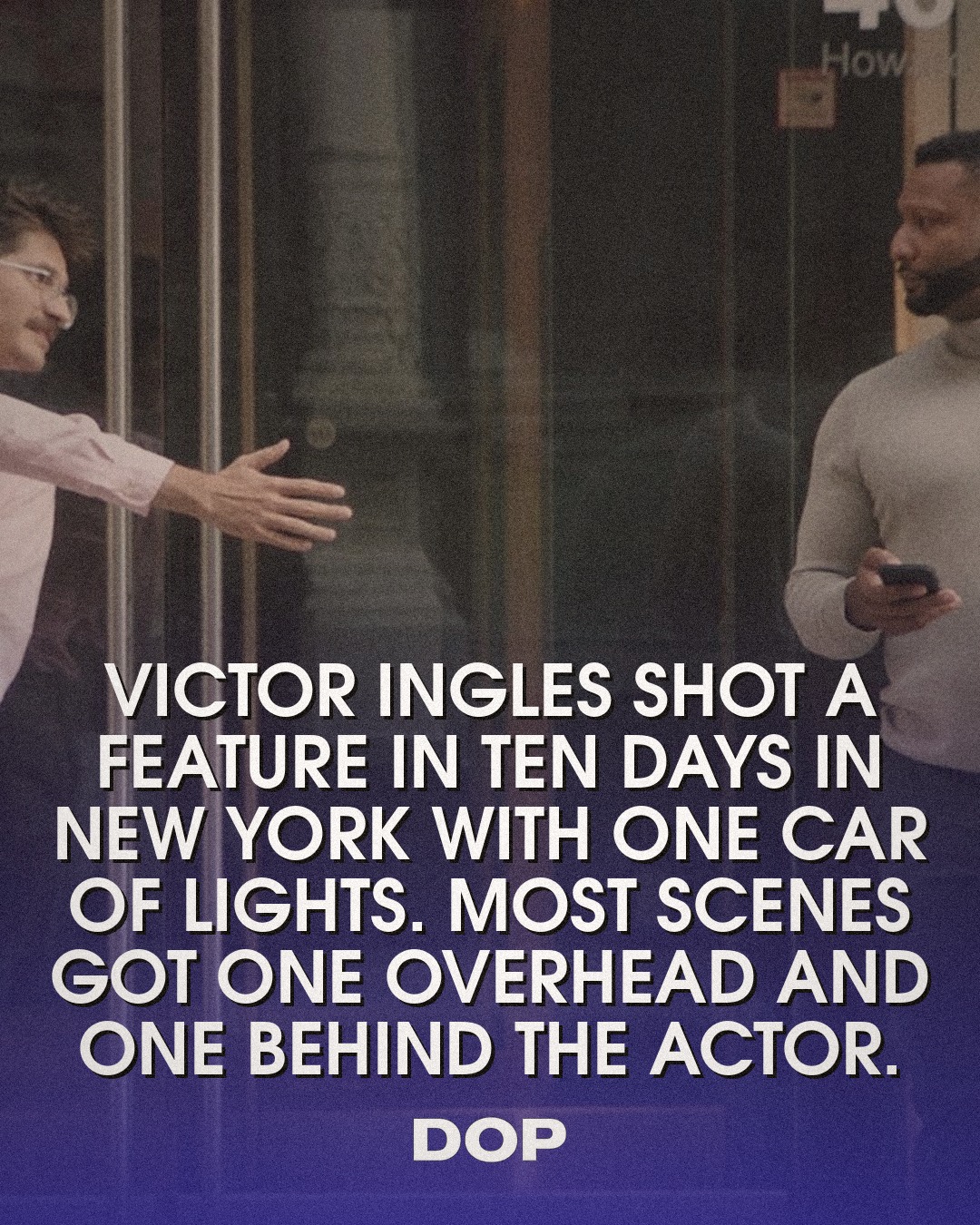
Micro-budget filmmaking in New York City is often an exercise in logistical triage. Between permitting gridlock, claustrophobic pre-war walk-ups, and the relentless ticking of the day rate clock, visual ambition is typically the first casualty. Yet in director Ryan Martin Brown’s debut feature Free Time, cinematographer Victor Inglés turned extreme production constraints into a distinct visual signature, lensing the entire picture across ten breakneck days with an equipment package that could comfortably fit into the back of a single SUV.
The Kinetic Agility of Single-Operator S16 Glass
Central to the aesthetic of Free Time is the legendary Canon 11-165mm T2.5 Super 16 zoom lens. Originally designed for the 16mm documentary and broadcast trenches, this piece of glass offers an organic, slightly desaturated color rendition, gentle contrast roll-off, and unmistakable vintage character that cuts through the sterile edge of modern digital sensors. Rather than opting for clean, modern primes with a full focus-pulling apparatus, Inglés embraced the tactical agility of the zoom, operating the camera, executing continuous manual zooms, and racking focus simultaneously.
This single-operator methodology allowed the production to move with the speed of documentary street photography while preserving an intentional narrative geometry. The optical reach of the 11-165mm allowed Inglés to fluidly reframe mid-take without breaking the actors’ rhythm or forcing costly camera relocations. The result evokes the neurotic kineticism of 1970s American cinema, channeling the spirit of Lumet and early Cassavetes, where framing responds dynamically to performance rather than locking it into rigid marks.
A repeatable two-light setup buys you the day. When production speed dictates survival, consistency in your lighting philosophy frees the camera to hunt for the moment.
Building a Modular, Repeatable Lighting Architecture
When shooting a feature in ten days, lighting cannot be reinvented from scratch on every setup. In a revealing conversation with fellow DP Charlotte Hornsby published on Brown’s Substack, Inglés detailed his streamlined lighting manifesto: keep the footprint modular, lightweight, and radically consistent. The foundational interior setup relied primarily on two workhorse units, a skirted overhead soft source serving as a gentle ambient wrap, balanced against a punchy backlight to separate subjects from dingy apartment walls.
By relying on a top-mounted skirted lantern or softbox, Inglés effectively eliminated floor stands in narrow New York interiors. This provided 360-degree freedom for the cast to roam, allowing the camera to pivot effortlessly between wide compositions and tight, punchy zoom-ins without risking gear creeping into frame. The skirts offered precise contrast control, preventing ambient spill from washing out dark interior shadows while keeping the sensor’s noise floor clean and deeply textured.
Pragmatism as Pure Visual Voice
The success of the image in Free Time demonstrates a timeless truth of cinematography: visual voice is forged through disciplined subtraction. By restricting the toolkit to a single versatile zoom range and an ultra-lean lighting kit, Inglés avoided the common pitfall of over-lit, hyper-polished indie visuals. Instead, the film breathes with the authentic atmosphere of contemporary New York, balancing practical street light, ambient city glow, and targeted accents that flatter skin tones without feeling synthetic.
For independent cinematographers operating in an era dominated by sprawling LED ecosystems and complex wireless monitoring setups, Inglés’ approach on Free Time serves as a refreshing masterclass. With sharp spatial instincts, an expressive lens, and a fast, repeatable two-unit strategy, you do not need three grip trucks to make a film look like cinema, you just need a clear visual philosophy and the courage to strip away the excess.