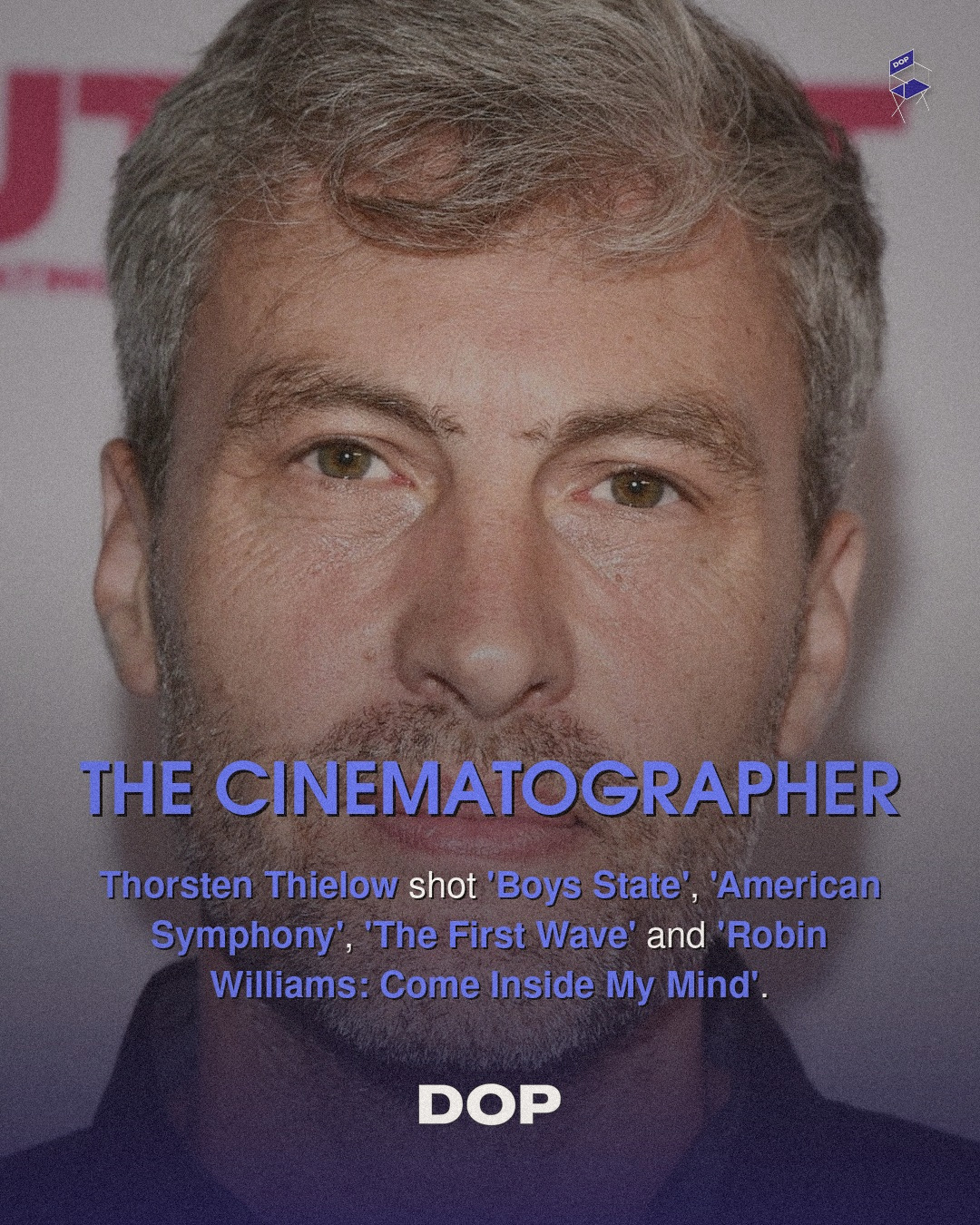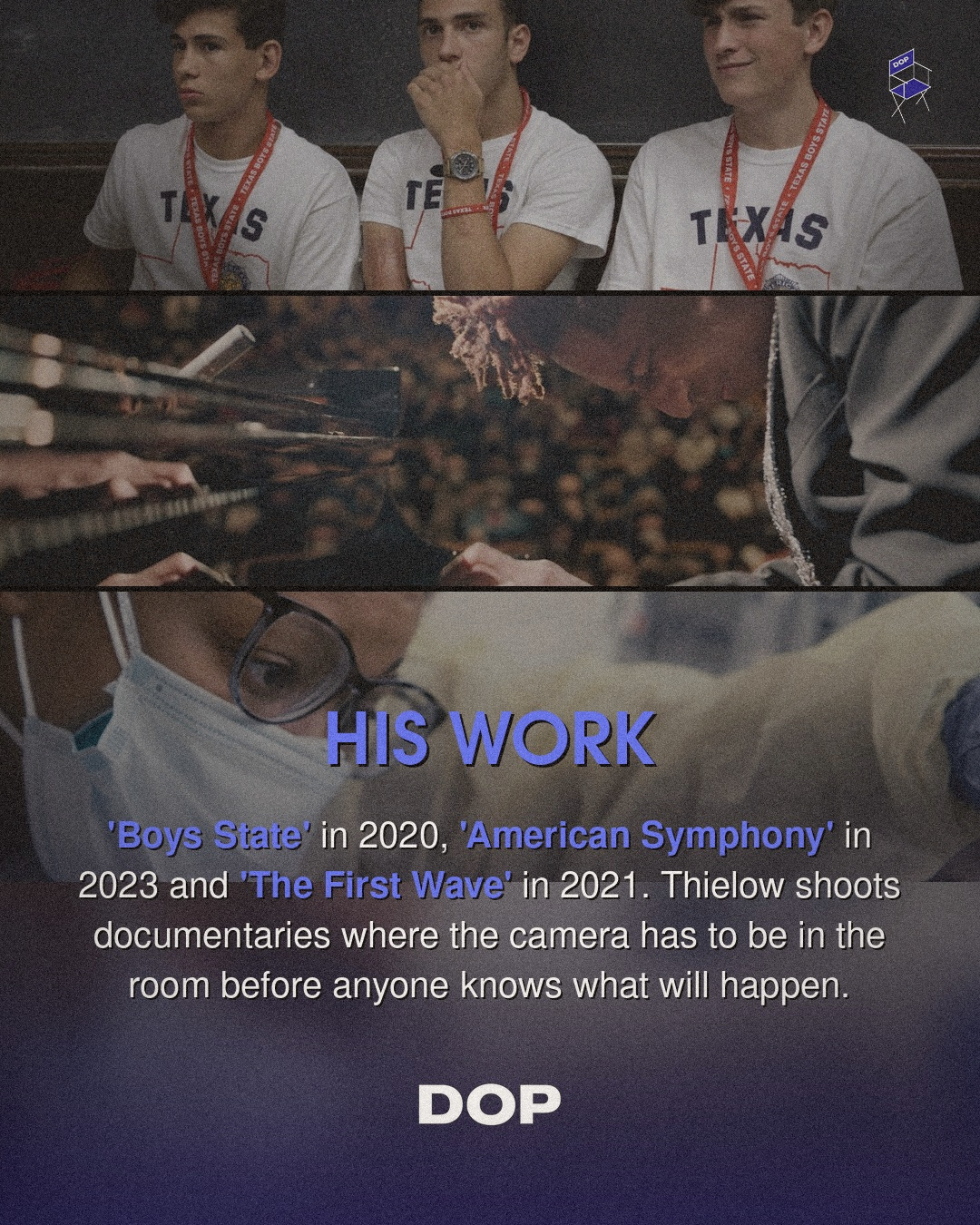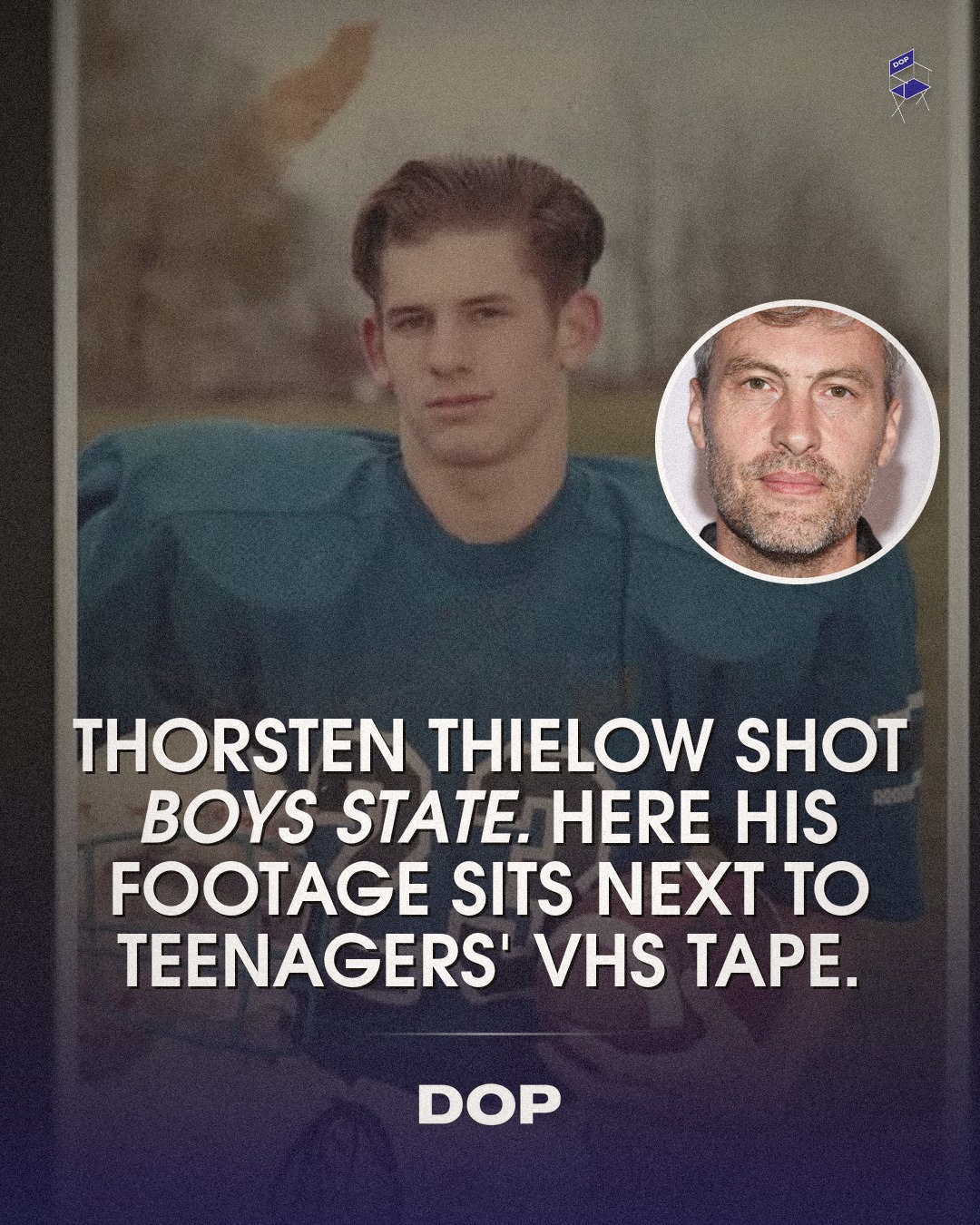
In the world of documentary filmmaking, where narratives are often born from the chaotic ballet of real life, the cinematographer is not merely an observer but an architect of truth. Thorsten Thielow stands as a preeminent figure in this challenging arena, a visual storyteller whose work consistently transcends mere documentation to achieve profound emotional resonance. His filmography, boasting acclaimed projects like Boys State, The First Wave, Robin Williams: Come Inside My Mind, and the recent American Symphony, showcases a deep understanding of how to wield the camera as a tool for empathetic inquiry, often capturing moments where the narrative is still unfolding, raw and unscripted.
Thielow’s approach is a masterclass in controlled spontaneity. The Instagram caption aptly notes that he shoots documentaries "where the camera has to be in the room before anyone knows what will happen." This isn't just about quick reflexes; it's about anticipation, trust-building, and an almost clairvoyant ability to frame the significant within the mundane. His compositions often feel organic, never forced, allowing the viewer to feel like an intimate witness rather than a passive spectator. This requires not only technical prowess but also an acute emotional intelligence, a sensitivity to the human condition that informs every lens choice and lighting decision.
The Art of Blending Eras: American Symphony's Visual Tapestry
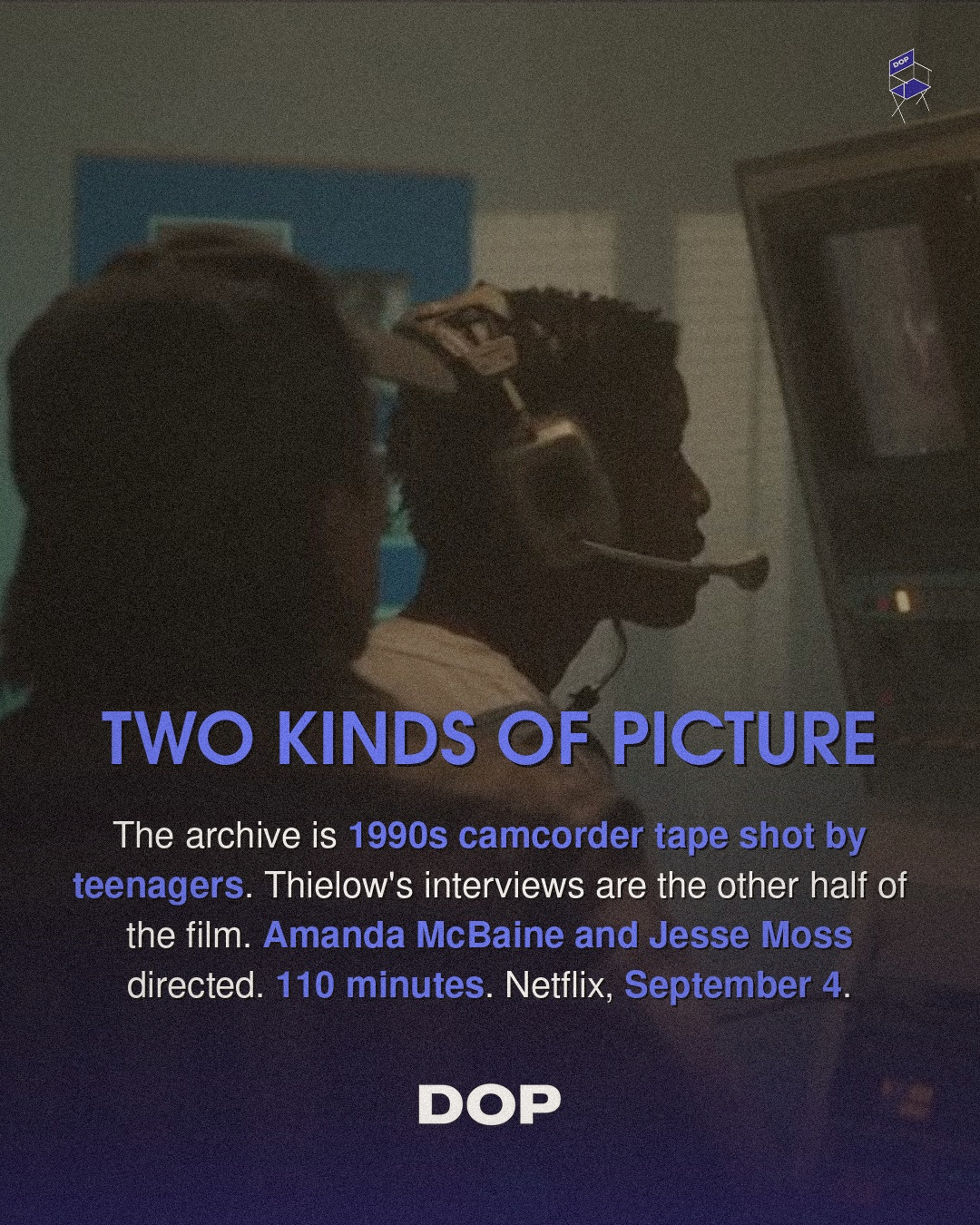
The particular film highlighted in the caption, American Symphony, offers a fascinating case study in Thielow's versatility and ingenuity. The film, directed by Amanda McBaine and Jesse Moss, presents a unique challenge: integrating vintage 1990s camcorder footage shot by high school students investigating a landfill with Thielow’s contemporary, intimate interviews. This juxtaposition is not just a stylistic choice; it's a narrative device that bridges decades and perspectives, requiring a cinematographer capable of harmonizing disparate visual languages.
“The greatest challenge in documentary is not just to see, but to understand what is about to be seen. It's about being present, not just physically, but emotionally.”
Thielow’s interviews, forming the other half of American Symphony, are characterized by their striking intimacy and naturalistic lighting. One can imagine him opting for cameras known for their low-light capabilities and faithful skin tone rendition, perhaps a Sony VENICE or an ARRI Alexa Mini LF, paired with fast, characterful prime lenses like Cooke S4/i or Zeiss Supreme Primes. These choices would allow for shallow depth of field, drawing focus to the subjects' expressions and creating a sense of immediate connection, while maintaining a rich, filmic quality. The lighting would likely be motivated and soft, perhaps utilizing bounced LEDs like Litepanels Gemini or Aputure Nova P600c, to enhance the natural environment without drawing attention to the artificiality of the setup.
The Thielow Signature: Empathy Through the Lens
Across his filmography, a consistent visual philosophy emerges. In The First Wave, documenting the harrowing early days of the COVID-19 pandemic, Thielow's camera navigates sterile hospital corridors and intimate patient rooms with a profound sense of respect and urgency. Here, the emphasis would be on available light or carefully augmented practicals, ensuring the raw reality of the situation is preserved. The camera work would be fluid, often handheld, to convey immediacy and emotional proximity, mirroring the chaotic yet deeply human experiences unfolding.
Similarly, in Boys State, where teenage boys navigate the intricate world of mock government, Thielow's camera becomes an invisible observer, capturing candid moments of ambition, camaraderie, and disillusionment. The ability to blend into the environment, to make the camera an extension of the space rather than an imposition, is key. This often involves smaller, more agile camera packages, like a Canon C300 Mark III or a Sony FX9, allowing for unobtrusive movement and quick adjustments in unpredictable scenarios. His color science often leans towards a naturalistic, slightly desaturated palette, enhancing realism without sacrificing aesthetic depth.
Thielow’s strength lies in his commitment to the subject's truth, not just its image. He understands that the most compelling narratives are often found in the unvarnished reality, and his cinematography serves to amplify that reality with grace and precision. His work is a testament to the power of the documentary form, elevating candid observations into compelling cinematic experiences that resonate long after the credits roll. As audiences delve into films like American Symphony, they are not just watching stories; they are experiencing life through the discerning, empathetic gaze of one of contemporary documentary's most vital visual artists.
This article contains affiliate links. We may earn a small commission at no extra cost to you. Learn more.