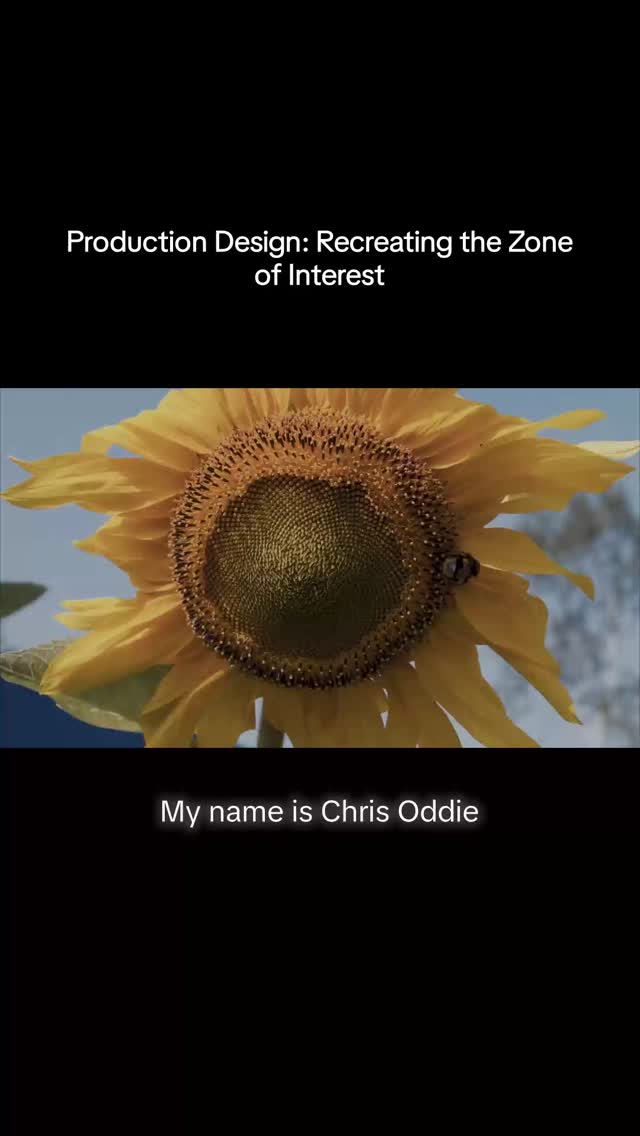
Jonathan Glazer's The Zone of Interest is a film that defies easy categorization, and its profound impact stems not just from its narrative, but from a meticulous, almost surgical approach to visual storytelling. The title itself, as production designer Chris Oddie so chillingly highlights, is more than just a clever moniker; it's a historical designation, a bureaucratic euphemism used by the SS to describe the 40-square-kilometer area encompassing and surrounding Auschwitz. This chilling detail underscores the film's central conceit: portraying the mundane, almost idyllic lives of the Höss family, juxtaposed against the unseen, yet ever-present, machinery of genocide just beyond their garden wall. For cinematographers and visual artists, the film offers a masterclass in how to evoke terror and complicity through absence, sound design, and an unblinking, almost anthropological gaze.
The decision to shoot The Zone of Interest with an almost documentary-like detachment, employing multiple fixed cameras and naturalistic lighting, was a radical departure from conventional Holocaust narratives. Director of Photography Łukasz Żal, known for his masterful work on Ida and Cold War, both shot in stark, mesmerizing black and white, here embraces color, but with a deliberate flatness that drains it of warmth and vibrancy. The aesthetic is often described as 'observational,' but it’s more profound than mere observation; it’s an indictment. The cameras, often hidden, capture the domestic scenes with a chilling impartiality, forcing the audience into a voyeuristic position that mirrors the complicity of those who overlooked the atrocities unfolding nearby. This approach, eschewing dramatic close-ups or overt emotional manipulation, demands a deeper level of engagement from the viewer, inviting them to piece together the horror from fragmented visual and auditory cues.
The Unseen Horror: Sound and Space
Oddie's revelation about the 'Zone of Interest' as a geographical concept is crucial to understanding the film's spatial dynamics. It wasn't just the camp itself, but the surrounding infrastructure – the strategic coal mines, the waterways – that fueled the regime's machinery. This expansion of the 'zone' beyond the immediate walls of Auschwitz is echoed in the film's sound design, which is arguably its most potent tool for conveying the unseen horror. While the visuals focus on the pristine, almost clinical domesticity of the Höss household, the soundscape is a constant, unsettling reminder of the industrial-scale extermination happening just meters away. The distant hum of furnaces, the faint screams, the mechanical clatter – these auditory intrusions pierce the idyllic facade, creating a profound dissonance that elevates the film beyond mere historical recreation.
"The cameras, often hidden, capture the domestic scenes with a chilling impartiality, forcing the audience into a voyeuristic position that mirrors the complicity of those who overlooked the atrocities unfolding nearby."
Żal and Glazer's choice of lenses and camera positions further emphasizes this spatial tension. Wide shots dominate, often framing the characters within their meticulously designed, yet ultimately claustrophobic, environment. The boundary wall, a constant visual motif, becomes a metaphor for the psychological barrier the Höss family constructs around themselves. The garden, a symbol of domestic bliss, is meticulously cultivated, yet its beauty is poisoned by its proximity to unspeakable evil. The cinematography never glamorizes, never sensationalizes; instead, it presents a stark reality, allowing the audience to grapple with the moral implications of such willful ignorance.
Technical Restraint, Powerful Impact
From a technical standpoint, the film's restraint is its strength. While specific camera models aren't often highlighted in discussions of The Zone of Interest, the emphasis on a multi-camera setup, often hidden from the actors, suggests a reliance on smaller, less intrusive digital cinema cameras capable of capturing consistent imagery over extended periods. This 'Big Brother' approach allowed Glazer to capture unvarnished performances, further blurring the lines between fiction and documentary. The lighting, too, is predominantly natural or motivated, eschewing dramatic theatricality in favor of a stark, almost clinical realism. This commitment to an understated visual language makes the moments of stark contrast – like the unsettling, thermal-camera-like sequences – all the more jarring and impactful.
The Zone of Interest stands as a powerful testament to the power of cinematography to convey profound truths without resorting to overt depiction. By focusing on the periphery, on the mundane details of a life lived in the shadow of atrocity, Glazer and Żal force us to confront the uncomfortable reality of human complicity. It's a film that reminds us that horror doesn't always wear a monstrous face; sometimes, it resides in the meticulously maintained garden, just beyond the wall, in a 'zone of interest' that history allowed to exist.
This article contains affiliate links. We may earn a small commission at no extra cost to you. Learn more.