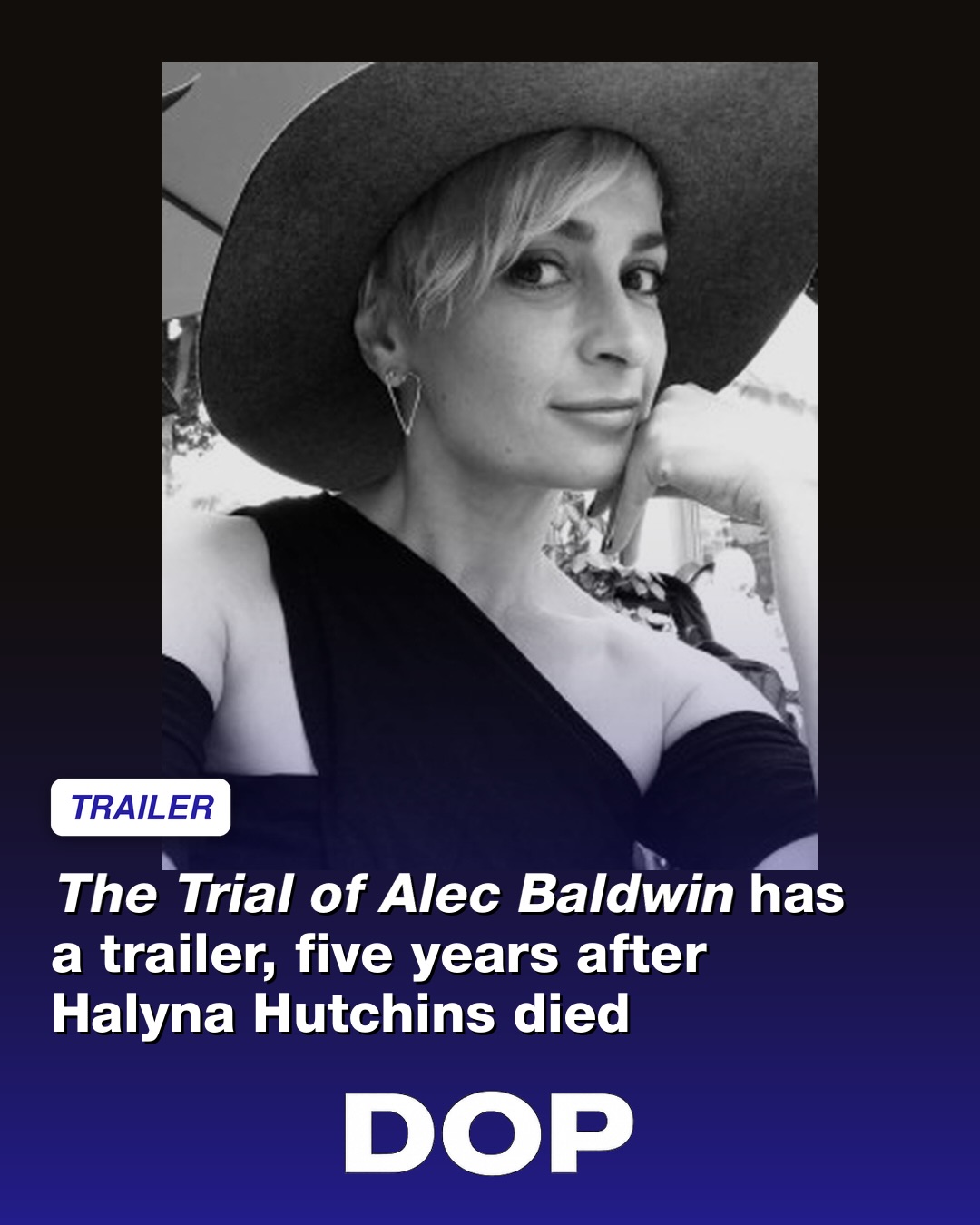
The release of the first trailer for Rory Kennedy’s documentary, The Trial of Alec Baldwin, sends a chill through the very core of the cinematography community. This isn't merely another true-crime narrative; it's a stark, unvarnished look at the legal and ethical fallout from the tragic death of our colleague, Halyna Hutchins, on the set of Rust. For those of us who live and breathe the art of visual storytelling, this film is more than a recounting of events; it's a mirror reflecting the inherent dangers and responsibilities that define our craft. The documentary's very existence, and its impending theatrical run, compel us to dissect not just the story it tells, but how it's told, and what it means for the future of on-set safety and accountability.
Halyna Hutchins was a rising star, a DP whose work, even in its burgeoning stages, showcased a distinctive eye for light, shadow, and emotional resonance. Her tragic passing in October 2021 was a seismic event, shaking the foundations of an industry that often grapples with balancing artistic ambition against stringent safety protocols. The incident sparked a global conversation about prop weapon handling, chain of command, and the often-pressurized environment of film sets. Kennedy’s film, by focusing on the subsequent legal proceedings involving Alec Baldwin, promises to bring these complex issues back into sharp relief, forcing us to re-examine our own practices and the systemic vulnerabilities that can lead to such catastrophic outcomes.
The role of Jenna Rosher as the documentary’s Director of Photography is particularly salient. Documentaries often demand a different kind of visual language than narrative features. Rosher, known for her intimate and often unflinching observational style, brings a critical sensibility to a subject that requires both journalistic rigor and emotional intelligence. Her filmography, which includes projects like Street Fight and God Loves Uganda, demonstrates an ability to craft compelling visual narratives from real-world events, often operating in challenging environments. The decision to employ a DP of her caliber underscores the film's intention to be more than just a factual report; it aims to be a visually impactful piece of cinema that respects the gravity of its subject matter.
The Cinematographer's Gaze: Crafting Truth
In a documentary of this nature, the cinematography itself becomes a character, an objective observer tasked with capturing truth, or at least the perception of it, within a highly charged environment. Rosher's choice of camera and lens package would have been critical. Given the likely need for versatility and discretion in courtrooms, interviews, and potentially archival footage integration, a smaller, highly sensitive digital cinema camera system would be paramount. Perhaps a Sony FX series or a Canon C-series, known for their excellent low-light performance and compact form factor, allowing for unobtrusive capture without sacrificing image quality. The choice of prime lenses, perhaps a set of compact, fast glass like Cooke Panchros or ZEISS CP.3s, would allow for precise control over depth of field, isolating subjects in interviews and drawing the viewer's focus to subtle expressions or critical details in testimony. This deliberate visual strategy is key to building an authoritative and empathetic narrative.
Rosher’s lighting philosophy for such a project would likely lean towards naturalism, augmenting existing light to create depth and texture rather than imposing a dramatic, artificial aesthetic. The goal isn't to glamorize or sensationalize, but to reveal. This might involve subtle LED panel usage, like Litepanels Astra or Aputure Nova P300c, diffused heavily to mimic ambient light, or bouncing small units off ceilings to create a soft, enveloping glow. The color science would likely aim for accuracy and neutrality, allowing the raw emotion and stark realities of the legal process to speak for themselves, rather than imposing a stylized palette. This objective approach to image capture serves to underscore the documentary's journalistic integrity, a crucial aspect when dealing with such sensitive material.
“In capturing the raw truth of a tragedy, the cinematographer isn't just framing shots; they are framing history, bearing witness with light and shadow.”
Beyond the Frame: Safety and Our Shared Future
The implications of The Trial of Alec Baldwin extend far beyond the legal outcome. For every gaffer, key grip, operator, and indeed, every DP, this film serves as a potent reminder of our collective responsibility to safety. It forces us to ask: Are our protocols sufficient? Are we empowered to speak up when risks are perceived? Are producers and assistant directors truly prioritizing safety over schedule and budget? Halyna Hutchins' death was not an isolated incident but a tragic culmination of systemic issues that have, at times, plagued our industry. This documentary, by bringing the painful details into public view, becomes a catalyst for continued dialogue and, hopefully, concrete change.
As the film opens in New York, Los Angeles, and across North America, it offers an opportunity for our community to engage in a necessary, albeit painful, act of introspection. It's a chance to honor Halyna's memory not just by remembering her tragic end, but by actively working to ensure that no other cinematographer, or any crew member, ever faces such an avoidable fate. The camera, in Rosher’s capable hands, becomes a tool for accountability, a lens through which we can scrutinize our past to forge a safer, more responsible future for the craft we all cherish.
This article contains affiliate links. We may earn a small commission at no extra cost to you. Learn more.