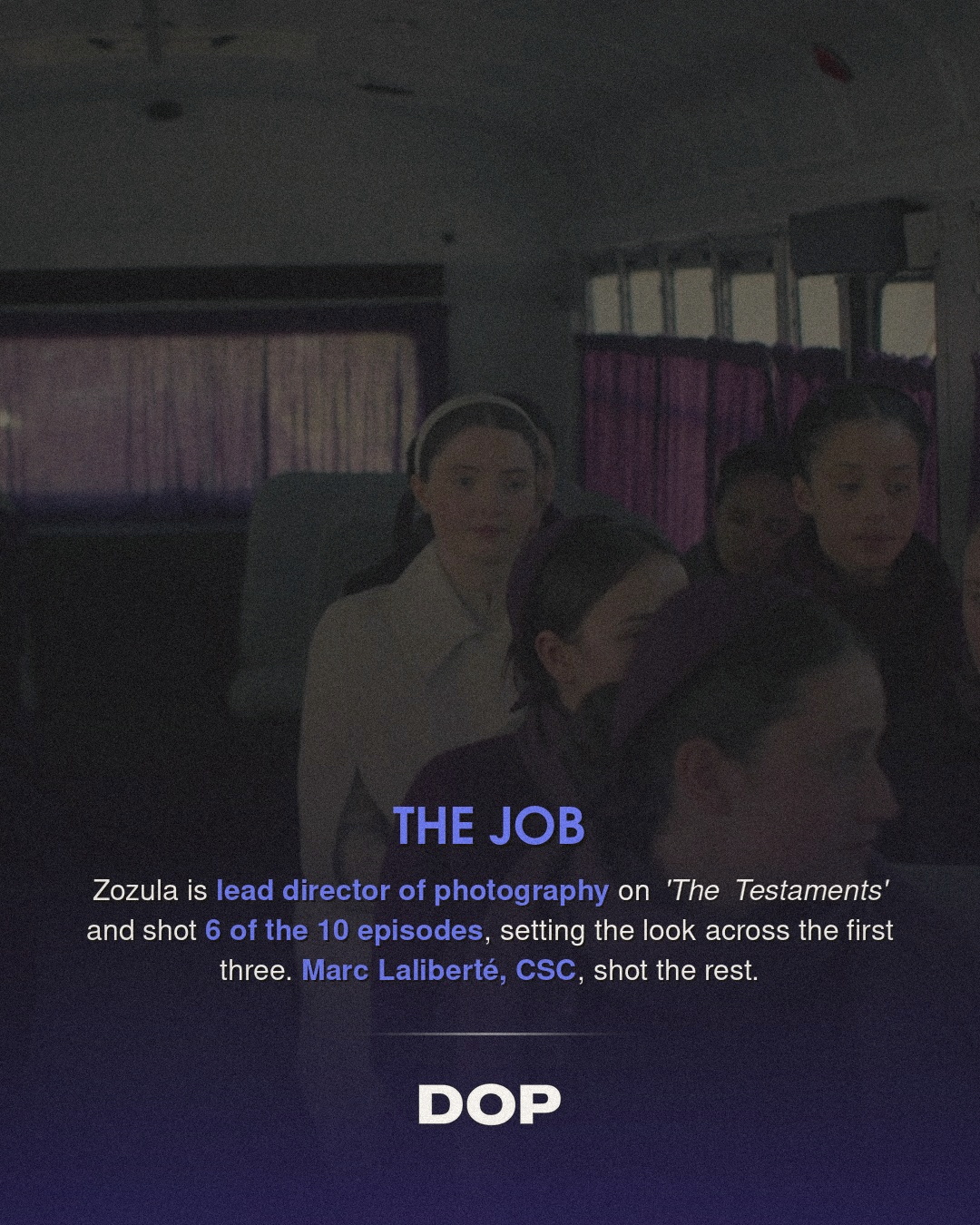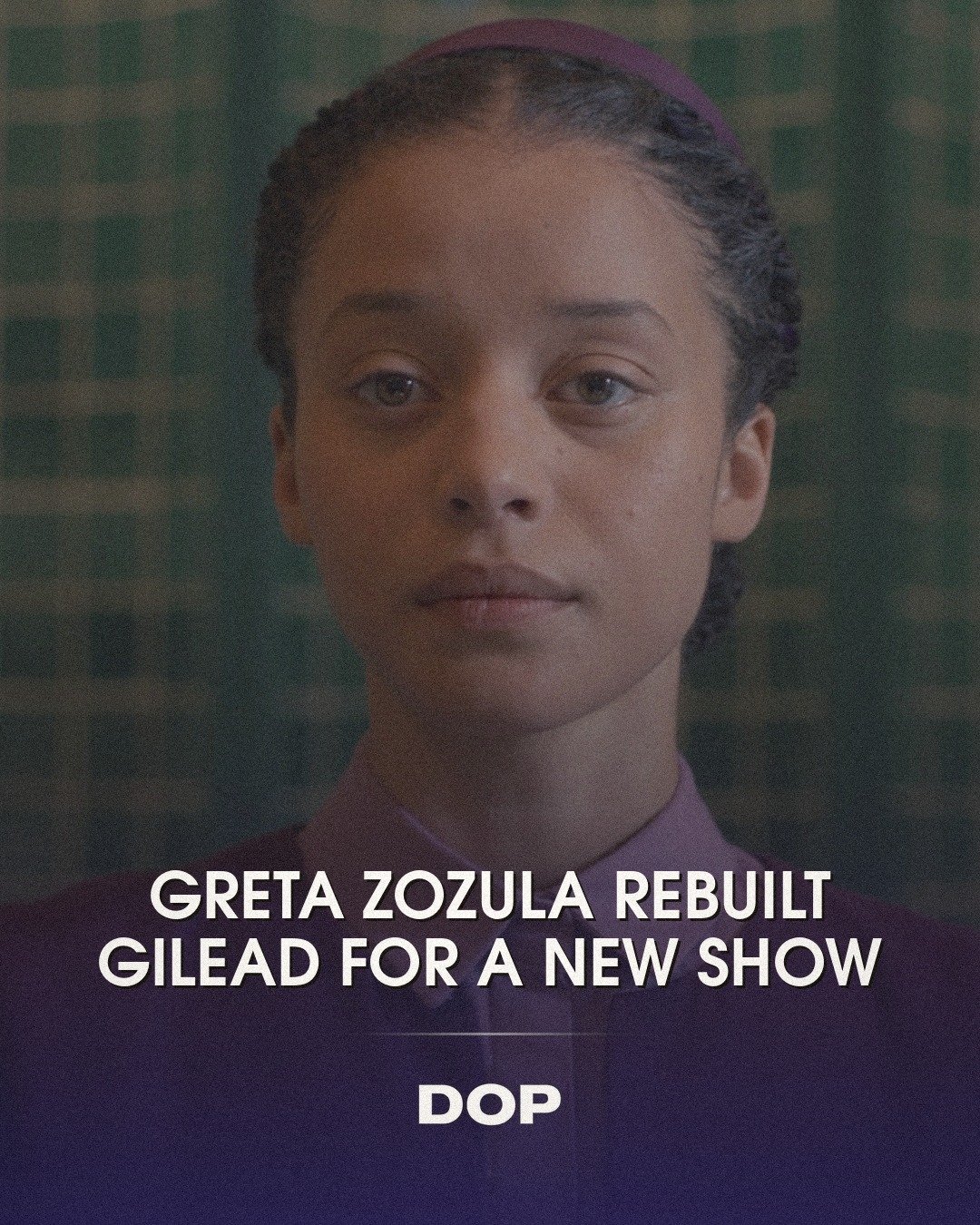
When a story as iconic and visually distinctive as The Handmaid's Tale receives a sequel series, the cinematographic challenge is not merely to replicate, but to evolve. This delicate dance between homage and reinvention falls squarely on the shoulders of the Director of Photography. For The Testaments, the highly anticipated follow-up to Hulu’s acclaimed series, Greta Zozula steps into the lead DP role, lensing six of the ten episodes and establishing the visual blueprint for its unfolding narrative. Joining her is Marc Laliberté, CSC, who shot the remaining episodes, ensuring a cohesive yet dynamic visual journey.
The mandate, as elegantly put, is for a sequel series to "look like the same world and a different show." This isn't just a creative philosophy; it's a technical tightrope walk. The visual grammar of Gilead, established so powerfully by previous DPs like Colin Watkinson, BSC, and Zoë White, ACS, CSC, is seared into the cultural consciousness: the oppressive crimson of the Handmaids, the muted teal of the Marthas, the stark, desaturated landscapes, and the often claustrophobic framing that mirrors the characters' constricted lives. Zozula’s task was to understand these foundational elements intimately, then subtly push them forward, reflecting the narrative's progression beyond the confines of the original series.
The Weight of Legacy: Matching & Moving On
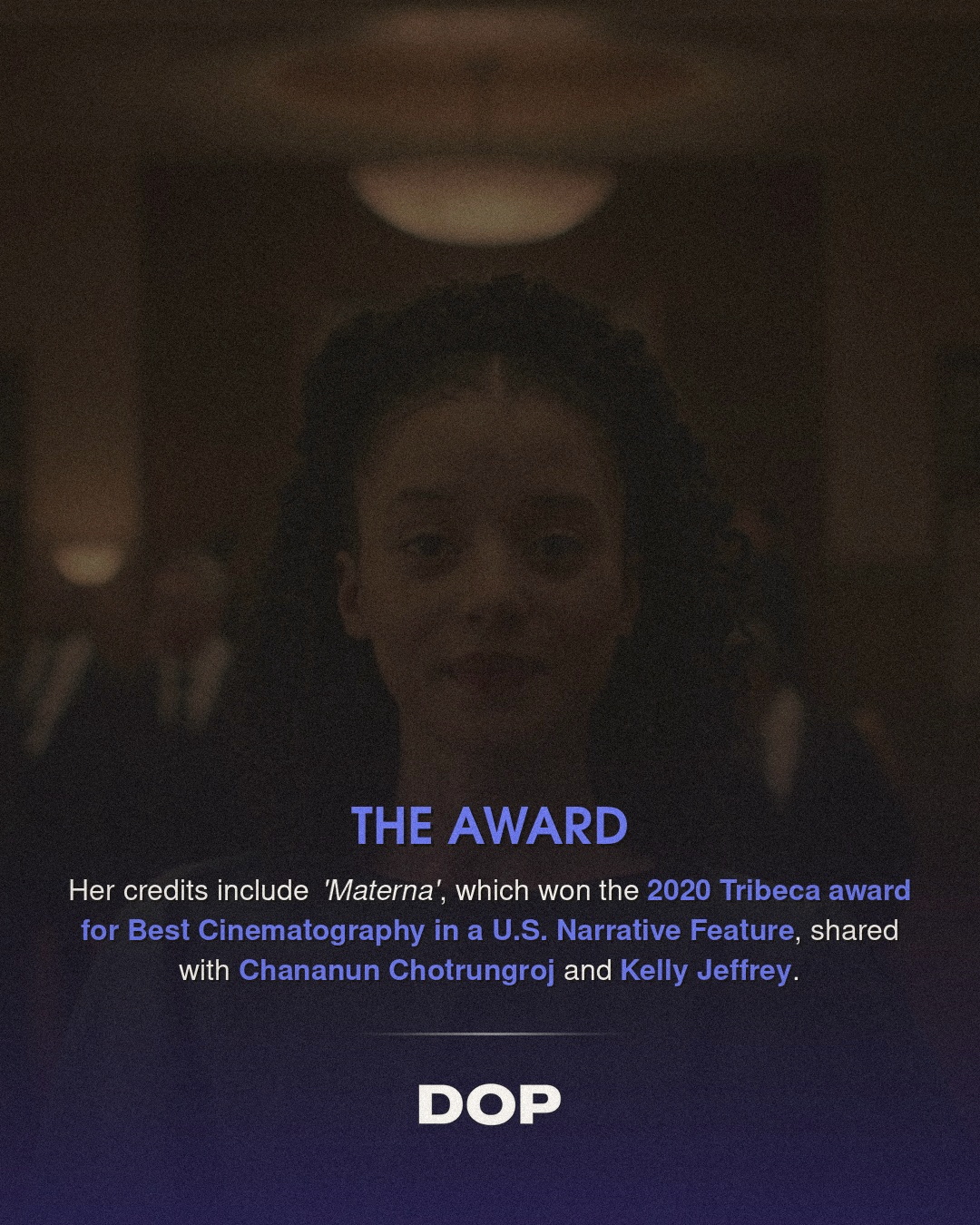
Zozula’s approach to The Testaments is informed by a career marked by sensitive, character-driven cinematography. Her work on Materna, for instance, which earned her a shared 2020 Tribeca award for Best Cinematography, showcases an ability to craft intimate, layered visuals that serve complex emotional narratives. This experience is crucial for The Testaments, which delves deeper into the lives of characters like Aunt Lydia, exploring the nuances of their pasts and presents. The challenge isn't just about matching the oppressive aesthetic of Gilead, but about allowing for moments of burgeoning hope, resistance, or even quiet defiance to register visually without betraying the established tone.
Achieving this balance requires meticulous planning and a deep understanding of color science, lighting philosophy, and lens characteristics. The original series often favored a combination of anamorphic lenses and full-frame sensors, contributing to a distinctive shallow depth of field and unique bokeh that underscored the isolation and surveillance inherent in Gilead. It's likely that Zozula and Laliberté would maintain a similar lensing strategy, perhaps experimenting with vintage glass or specific anamorphic sets to introduce subtle textural shifts. The choice of camera, whether it remains within the ARRI ALEXA family or ventures into other high-end digital cinema cameras, would also be dictated by its sensor's color rendition and dynamic range, crucial for maintaining consistency with the established look while allowing for new visual expressions.
The true test of a sequel's cinematography is not how perfectly it imitates the original, but how artfully it expands upon it, allowing the familiar to feel fresh and the new to feel intrinsically linked.
Lighting as Narrative: Beyond the Red Cloak
Lighting in The Handmaid's Tale was always more than just illumination; it was a character in itself. From the harsh, clinical light of the Commander's household to the natural, often overcast light of the outside world, it consistently reinforced the narrative's themes. For The Testaments, Zozula and Laliberté would need to consider how the lighting evolves as the story moves beyond Gilead's immediate strictures. Are there new locations that demand a different quality of light? Perhaps more naturalistic, less controlled environments, or conversely, new forms of dystopian architecture that require an even more severe, artificial glow.
The transition from matching Gilead to subtly departing from it is where the artistry truly lies. This might involve a slightly different color palette in specific scenes, perhaps introducing warmer tones in moments of connection or cooler, desaturated hues to denote new forms of oppression. The use of practical lighting, a hallmark of many high-end dramas, would likely be employed to ground the world in reality, even as the narrative veers into speculative fiction. Gaffers would be tasked with executing complex lighting setups that can seamlessly shift between the established visual language and the emerging one, using LED panels for precise color control and traditional HMI/Tungsten units for a more organic feel, depending on the narrative's demands.
Zozula’s prior work, noted for its emotional depth, suggests a DP who understands that light is not just about exposure but about mood and character psychology. As The Testaments explores the moral complexities of its characters, expect to see sophisticated use of chiaroscuro, subtle shifts in key-to-fill ratios, and perhaps even a departure from the often-constrained framing to allow for more expansive shots that hint at a world beyond Gilead's immediate grasp. This isn't about abandoning the visual legacy, but about demonstrating how the world itself, and the characters within it, are changing, demanding a refreshed, yet deeply resonant, visual interpretation.