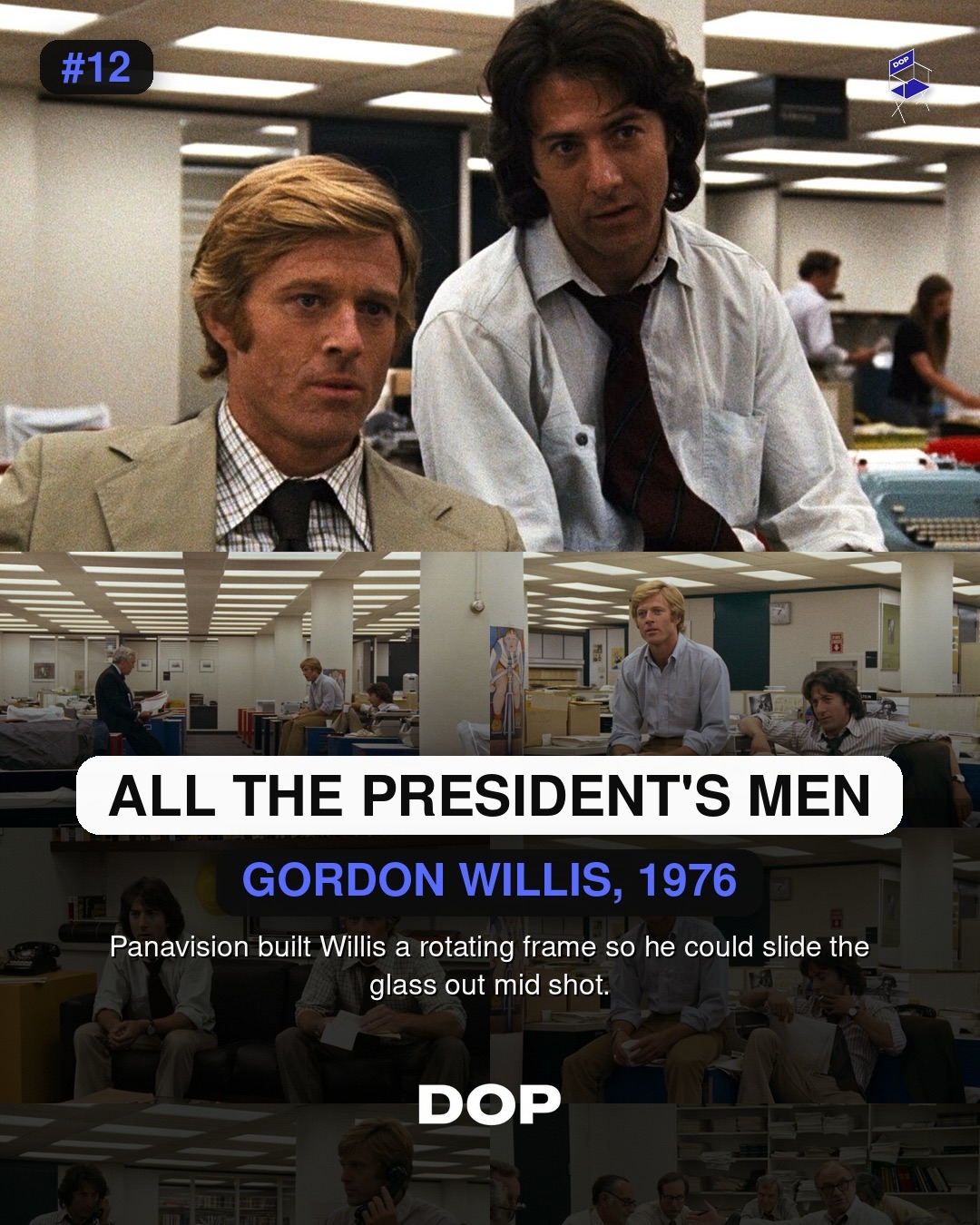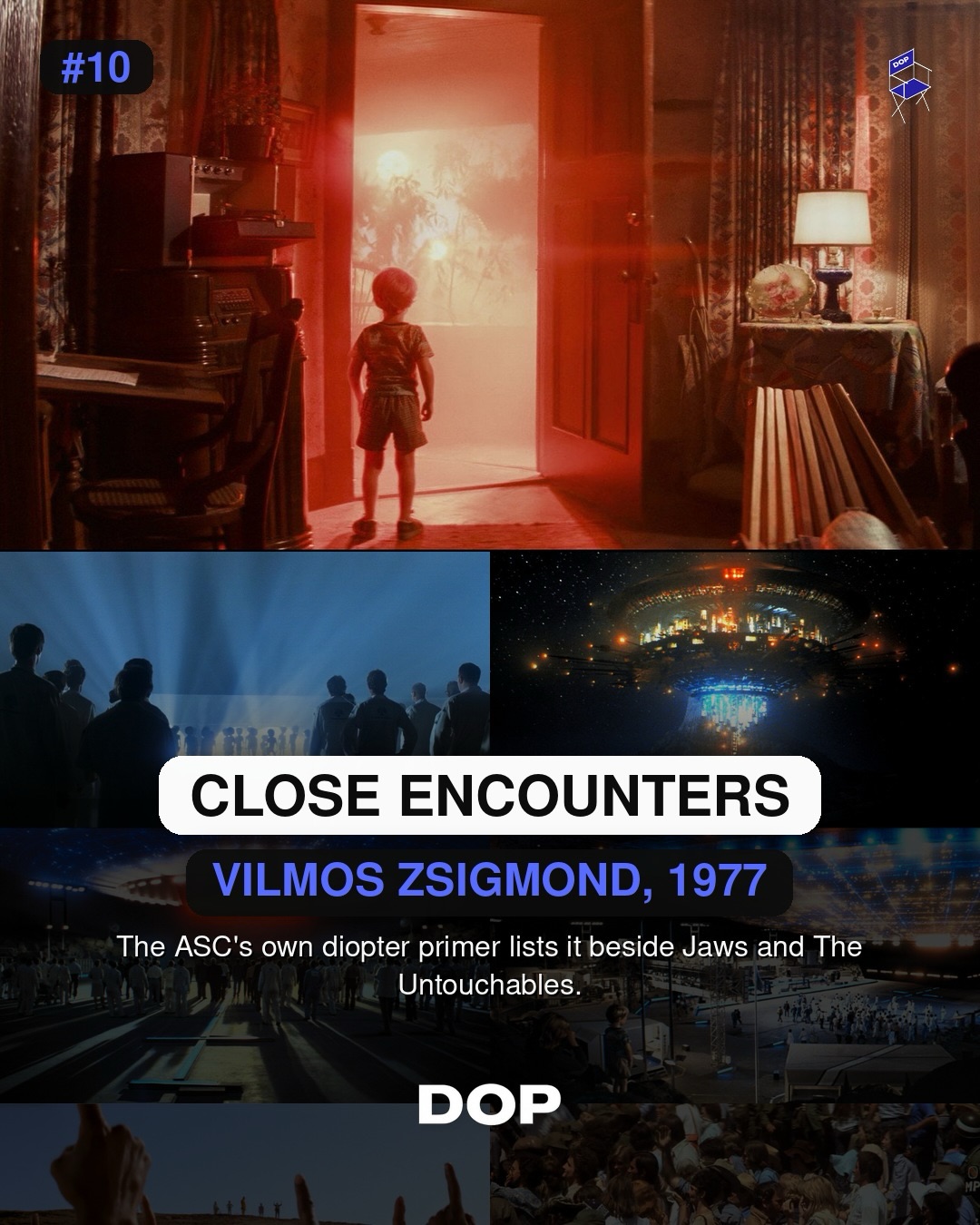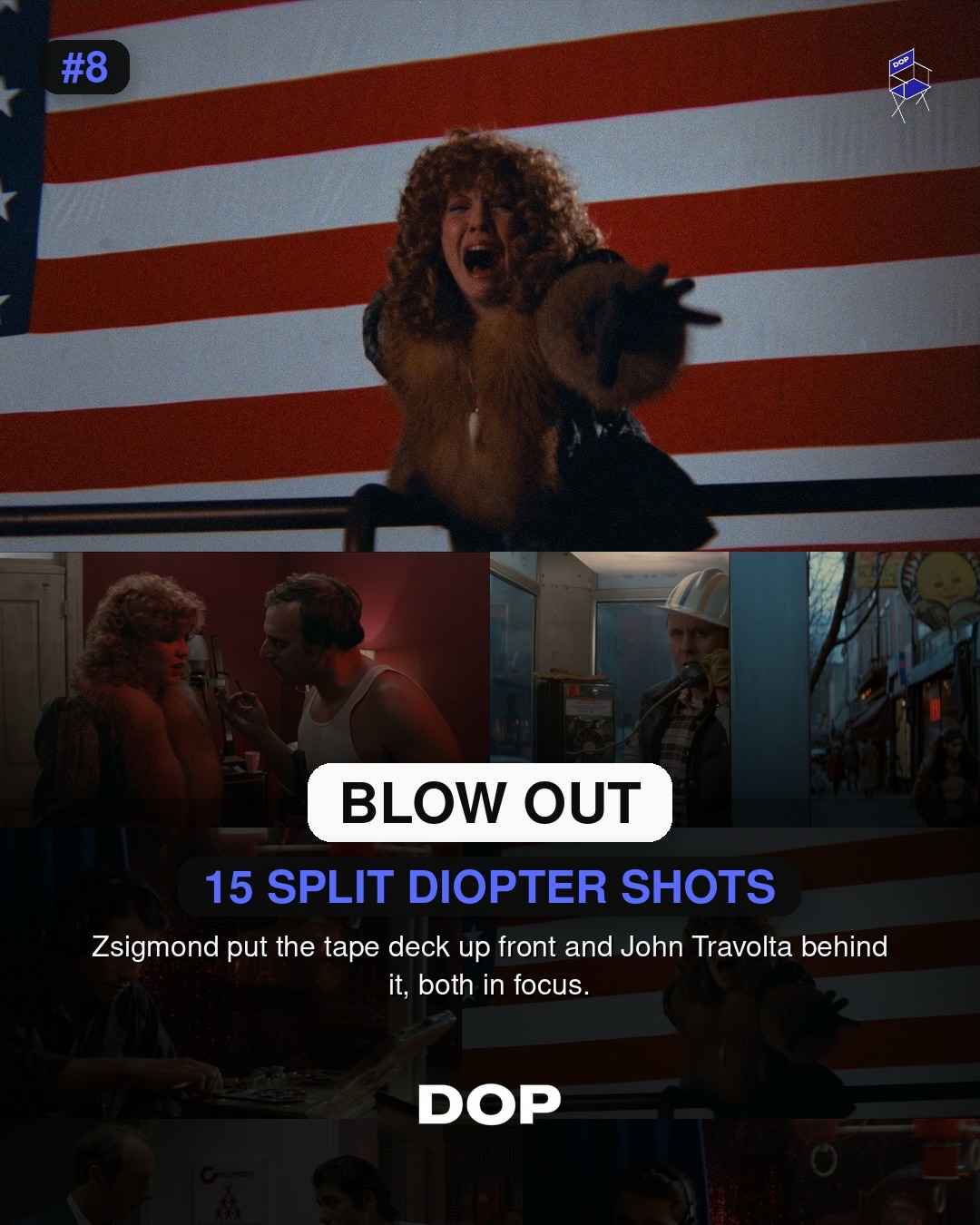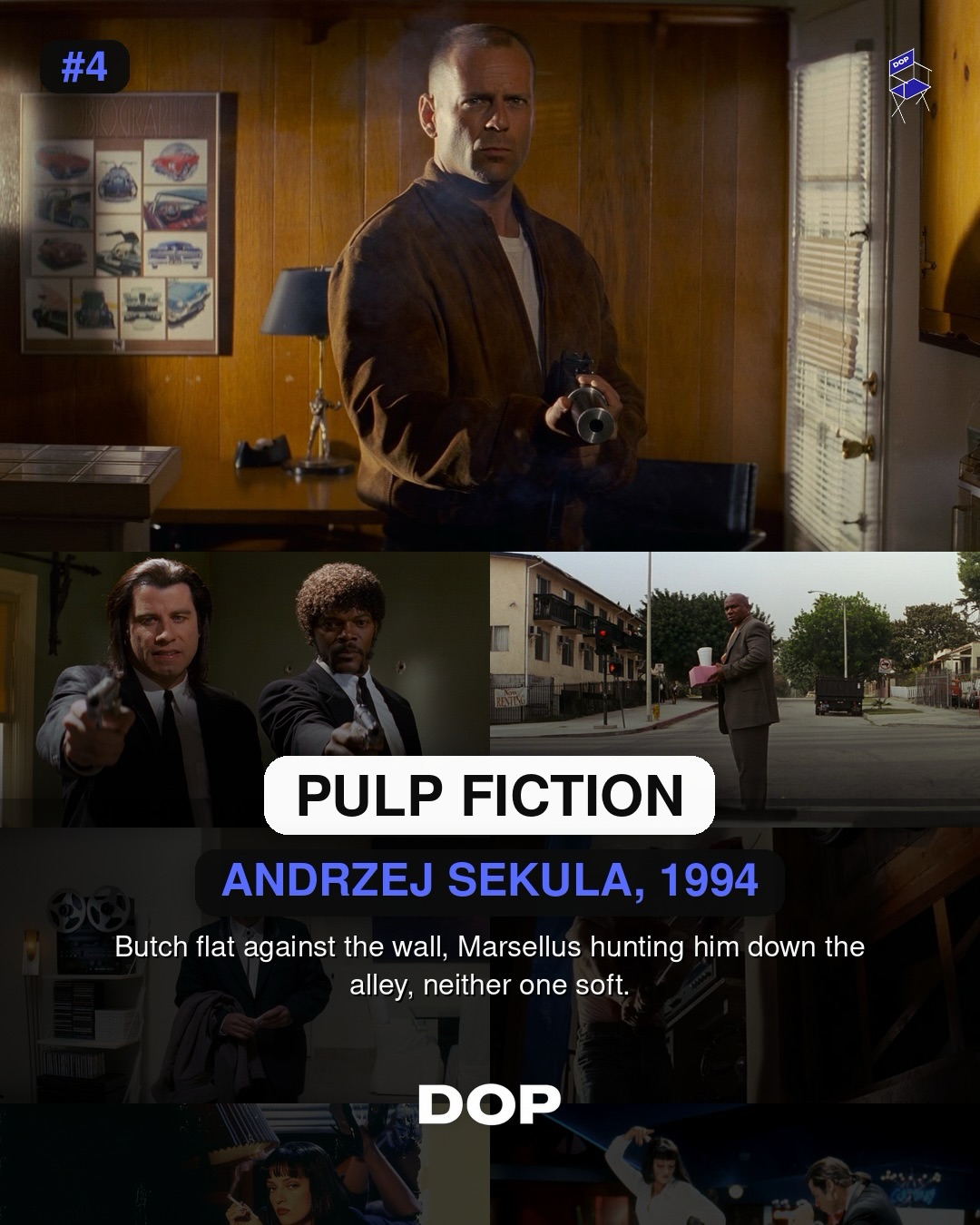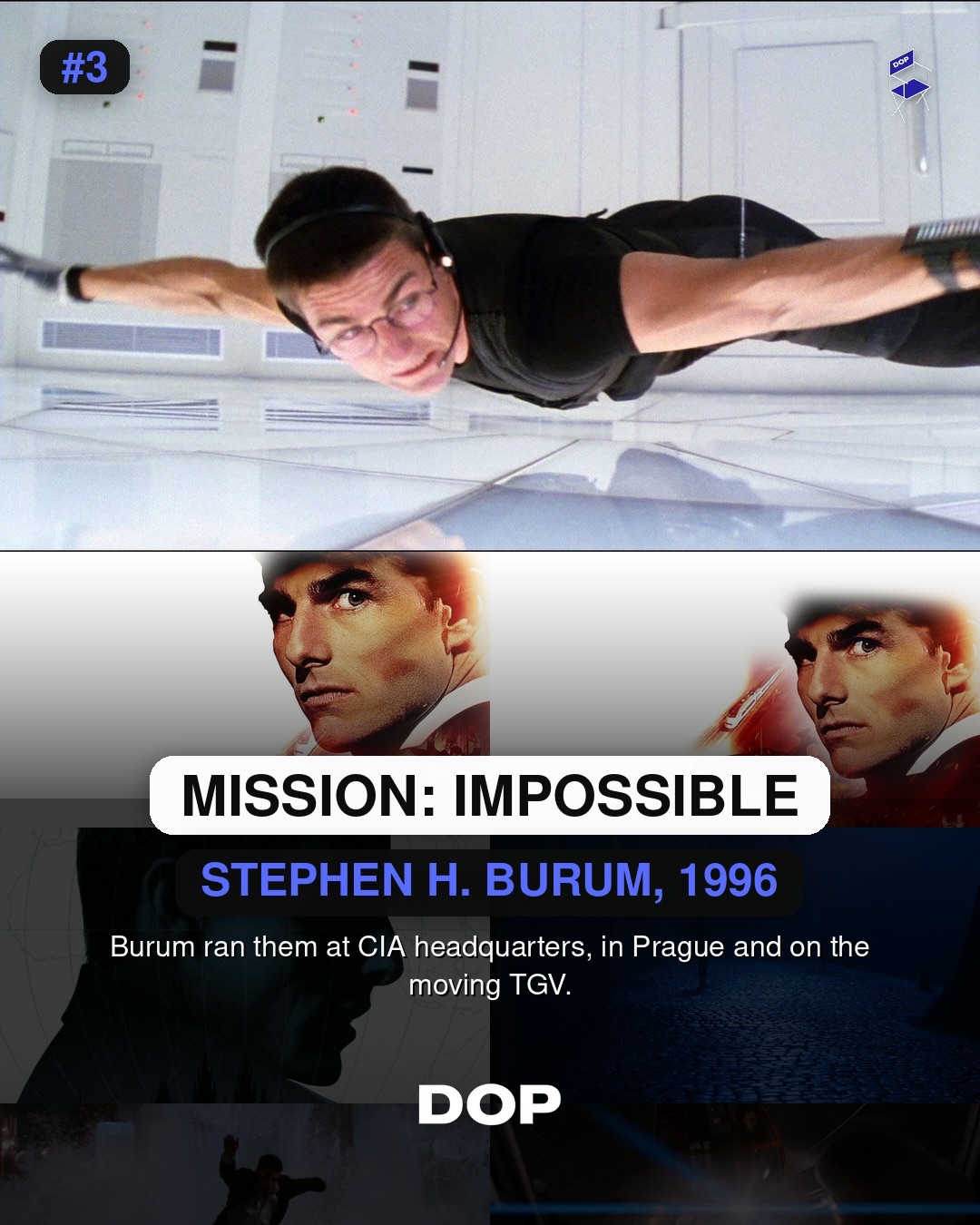
In the vast arsenal of a cinematographer, few tools are as deceptively simple yet profoundly impactful as the split diopter. It’s a trick of the light, a sleight of hand that bends perception, allowing two distinct planes of focus to coexist within a single frame. The Instagram caption aptly describes its mechanical essence: half a close-up lens, strategically placed in the matte box to cover a portion of the frame. This ingenious piece of glass pulls a foreground element into sharp relief, while the unadorned half of the frame maintains focus on a distant background. The inherent trade-off, of course, is the soft, often visible seam where these two optical realities converge, a seam that, in the hands of a master, becomes an invisible ally or a deliberate artistic statement.
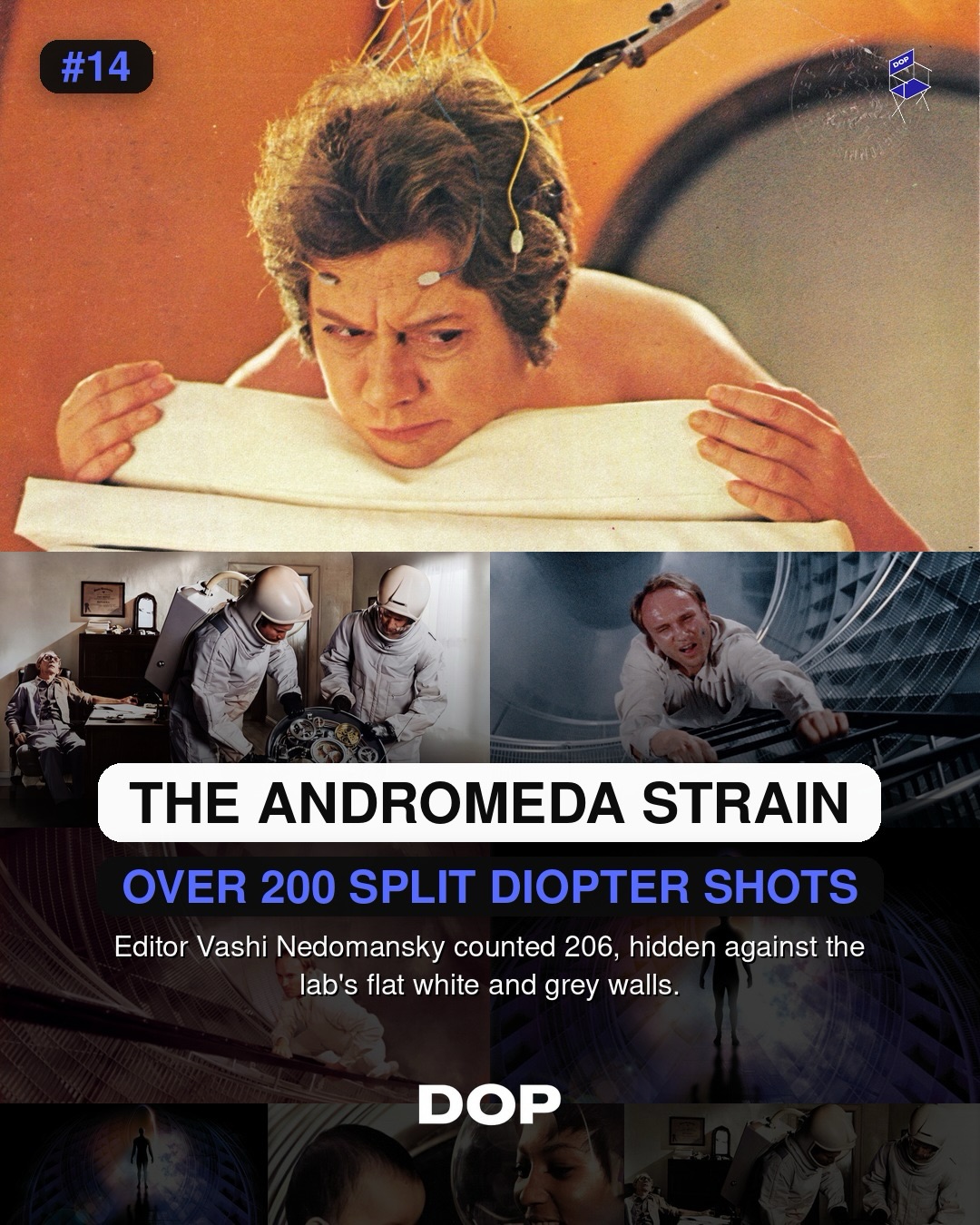
The split diopter is, at its heart, a narrative device. It allows a director and cinematographer to articulate complex emotional or informational relationships in a single shot, avoiding the need for cuts that might break the tension or rhythm of a scene. Consider its historical application: Editor Vashi Nedomansky’s diligent count of 206 split diopter shots in Robert Wise’s 1971 sci-fi thriller The Andromeda Strain speaks volumes. Cinematographer Richard H. Kline, ASC, often artfully concealed the seam against the stark, flat surfaces of the sterile lab environments, leveraging the film’s visual language to make the optical illusion seamless. This early adoption showcased the diopter’s utility in managing depth and delivering exposition within confined spaces, pushing the boundaries of what a single shot could convey.
The De Palma-Burum Alliance: A Masterclass in Visual Storytelling
However, it was perhaps the audacious partnership between director Brian De Palma and cinematographer Stephen H. Burum, ASC, that truly elevated the split diopter from a clever trick to a signature stylistic flourish. Burum, who shot eight films for De Palma, including classics like The Untouchables, Carlito's Way, and Mission: Impossible, embraced the diopter not just for its utility but for its expressive potential. While many sought to hide the seam, De Palma and Burum often allowed it to be visible, sometimes even highlighting it, turning what some might consider a flaw into a deliberate aesthetic choice that underscored the film’s themes of duality, surveillance, and psychological tension.
Burum’s approach was deeply technical yet always in service of the narrative. He understood the nuances of lens choice and aperture settings that could either soften or sharpen the diopter’s seam. When shooting with a split diopter, lens selection becomes critical. Wider lenses inherently offer greater depth of field, which can make the transition less jarring, but Burum often chose lenses that provided a specific aesthetic, even if it meant a more pronounced seam. The key was controlled execution. Lighting played an equally crucial role; by carefully sculpting light and shadow, Burum could draw the eye away from the seam, or conversely, use it as a visual marker to divide the frame, creating a sense of two distinct worlds colliding within the same shot.
“The split diopter is a cinematographer’s secret weapon, allowing an impossible depth of field that forces the audience to consider two distinct narrative threads simultaneously. It’s not just about focus; it’s about synthesis.”
Technical Nuances and Enduring Legacy
The application of the split diopter demands precision and foresight. The camera, often a Panavision Millennium XL or similar 35mm workhorse during Burum’s era, would be meticulously positioned. The diopter itself, typically a +1 or +2 strength, would be mounted in a rotating filter tray in the matte box, allowing for precise alignment. The focus puller's role becomes paramount, needing to nail the foreground object while ensuring the background remains sharp through the other half of the lens. This often meant pre-marking focus points with exacting detail. The choice of sensor (or film stock) also influences the perceived depth; the larger sensor size of modern digital cinema cameras can sometimes make achieving such extreme depth of field more challenging without resorting to high apertures, which then impact light levels. This is where the split diopter truly shines, offering an optical solution that bypasses the limitations of inherent depth of field.
Where did you first notice the seam? For many, it was in a De Palma film, where the diopter became a character unto itself, a visual metaphor for the fractured psyches and complex plots unfolding on screen. Think of the iconic shot in The Untouchables where Eliot Ness confronts a gangster, both figures in razor-sharp focus despite their significant spatial separation. This technique, while less prevalent in today’s CGI-heavy landscape, remains a powerful testament to practical in-camera effects. It’s a reminder that sometimes the most effective visual storytelling doesn’t come from pixels, but from glass, light, and the masterful eye of a cinematographer who understands how to bend reality to serve the story. The split diopter endures not just as a historical curiosity, but as a timeless example of cinematic ingenuity.
Its legacy continues to inspire, urging cinematographers to think beyond the conventional and to embrace the imperfections and possibilities of optical manipulation. In an era where digital tools can replicate almost anything, the tangible, in-camera artistry of the split diopter stands as a beacon for those who appreciate the craft at its most fundamental. It’s a technique that, when wielded with purpose, transforms a simple frame into a multifaceted narrative canvas, inviting the audience to look closer, to question, and to marvel at the magic of cinema.