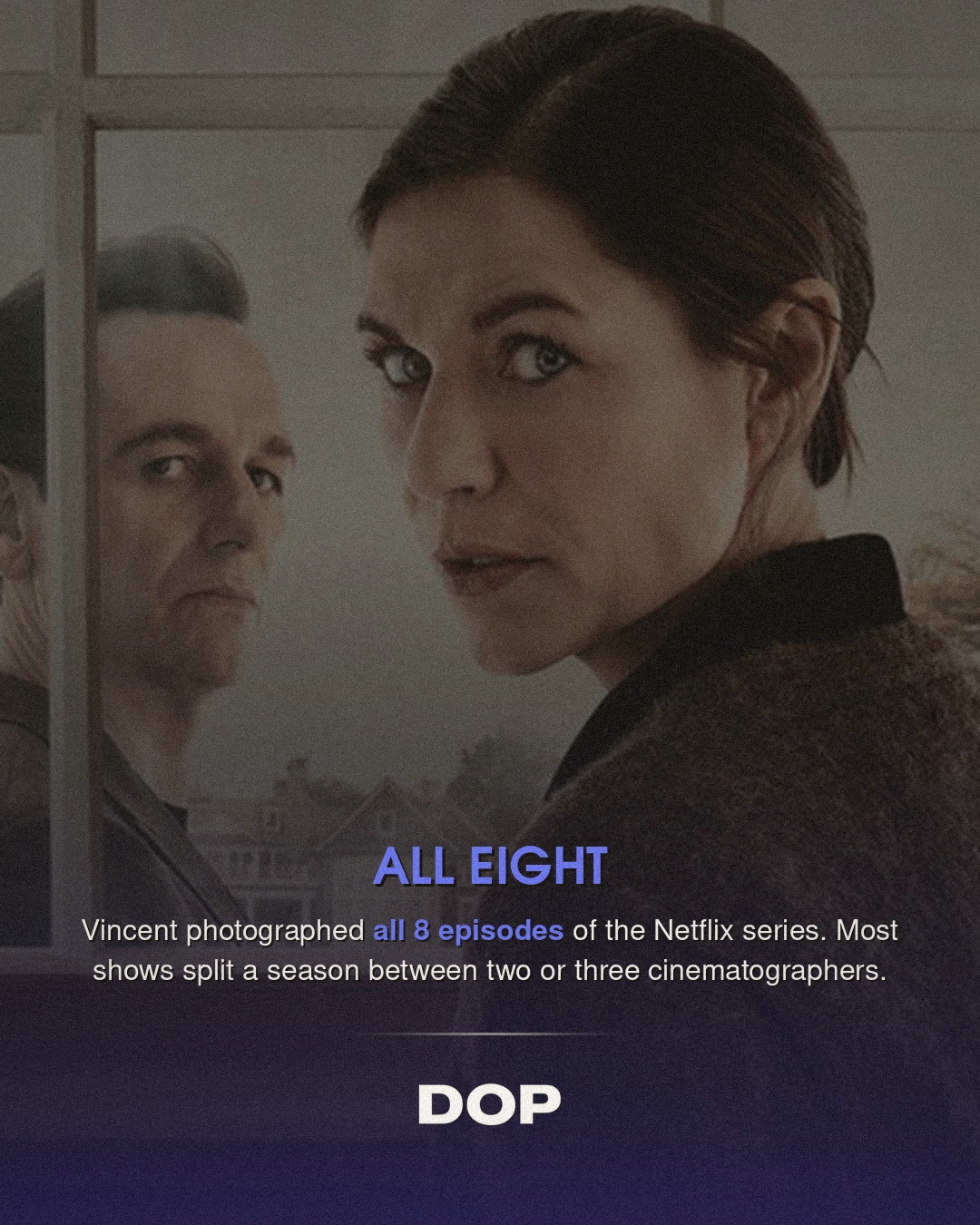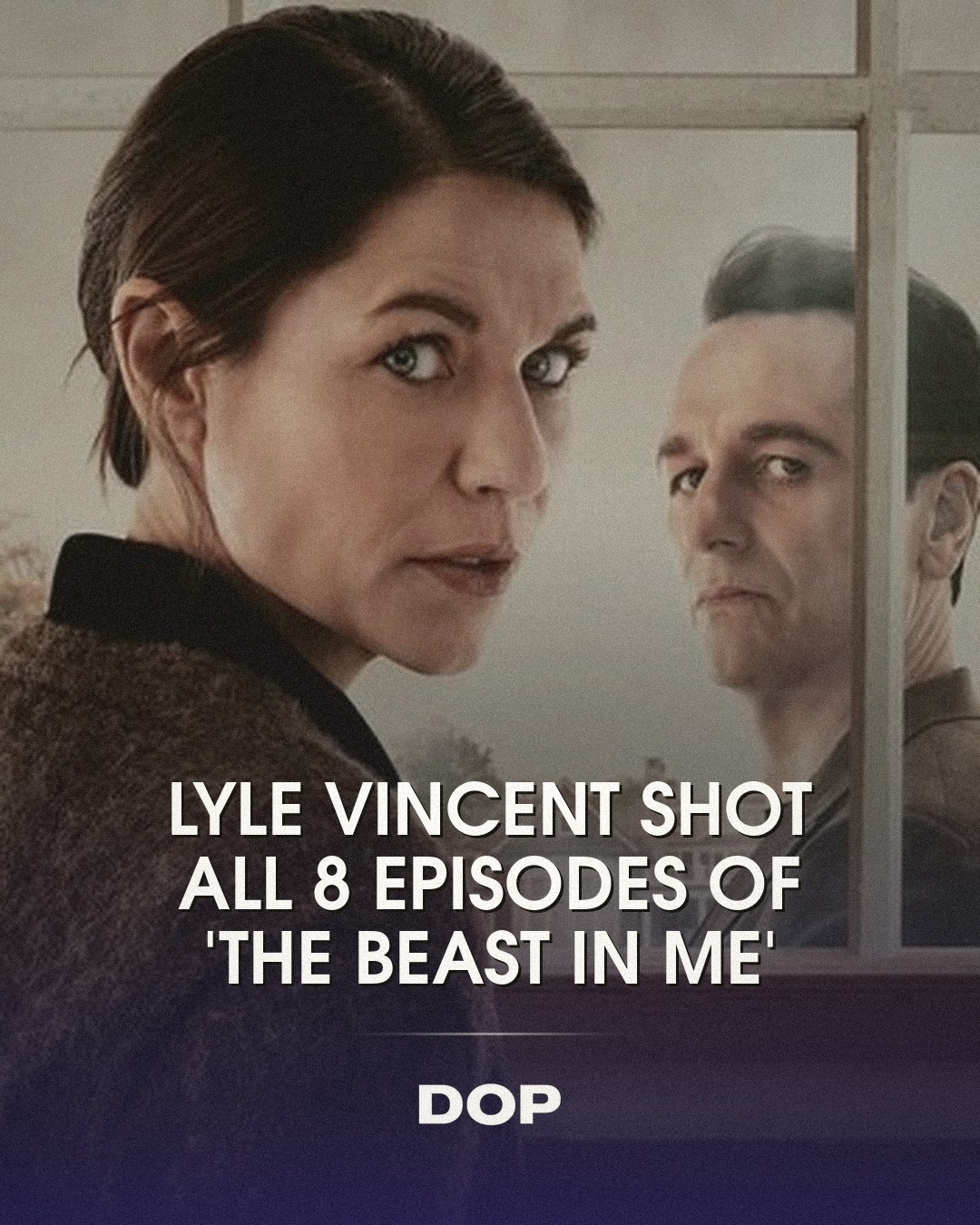
In the relentless churn of high-end television production, the role of the cinematographer is often a relay race. A season, particularly one with eight or more episodes, typically sees two, sometimes three, Directors of Photography tag-teaming blocks of episodes. This logistical necessity, born from demanding schedules and the sheer volume of material, often comes with an inherent aesthetic compromise. Yet, every so often, a production dares to challenge this paradigm, opting for a unified vision. Lyle Vincent's work on Netflix's 'The Beast in Me' stands as a powerful testament to the profound impact of a single cinematographer helming an entire season, transforming what could be a series of disparate visual chapters into a cohesive cinematic novel.
Vincent’s undertaking is not merely a scheduling anomaly; it is a profound artistic statement. The conventional approach, while practical, inevitably introduces subtle shifts in visual language. Even with rigorous look books, extensive prep, and detailed lensing charts, the inherent subjectivity of a cinematographer’s eye, their personal relationship with light, shadow, color, and composition, means that a handover, however seamless, will always manifest in slight variations. A different DP might favor a slightly wider lens for an emotional close-up, interpret a script's mood with a cooler color temperature, or approach a night exterior with a distinct philosophy of ambient fill. These nuances, though individually minor, accumulate over eight hours of storytelling, subtly pulling the audience away from a singular, immersive experience.
The Unbroken Gaze: Crafting Consistent Mood and Tone
What Vincent achieves by photographing all eight episodes is an unbroken gaze. From the pilot's opening frames to the season finale's closing shot, the audience is guided by a consistent visual philosophy. This is particularly crucial for a narrative that likely delves into psychological depth or genre-specific atmospheres, where the visual texture is as vital to character and plot as the dialogue itself. Imagine the nuanced interplay of light and shadow in a tense interrogation scene, or the specific emotional resonance of a character's interior world. When one DP maintains control over these elements across the entire arc, the visual motifs can evolve organically, building a subconscious language that deepens the narrative impact without jarring shifts.
“The singular cinematographer approach allows for visual themes to mature and deepen across the entire narrative, rather than being reinterpreted or reset with each new block.”
Consider the practical implications for technical consistency. Vincent's choice of camera system, likely a high-end digital cinema camera like an ARRI Alexa or Sony Venice, along with his preferred lens package, perhaps vintage anamorphics for character, or sharp, modern primes for clinical precision, remains constant. This means the sensor's inherent characteristics, the lens’s unique flares and fall-off, and the overall color science are consistently applied. There's no need for one DP to meticulously match another's filtration choices from a month prior, or to reverse-engineer a specific lighting recipe for a recurring location. This streamlines post-production and, more importantly, ensures that the visual grammar of the show is built on a stable foundation.
Beyond Logistics: A Cinematographer's Masterpiece
This approach elevates the role of the cinematographer from a block-by-block executor to a comprehensive visual architect. It demands an immense commitment and stamina, akin to shooting a multi-hour feature film. It requires Vincent to maintain a holistic understanding of the season’s entire emotional and narrative trajectory, allowing him to subtly foreshadow visual motifs in early episodes that pay off in later ones. For example, a particular lighting pattern associated with a character's secret might evolve from a fleeting shadow to an enveloping darkness, a visual arc only truly effective when guided by a single, deliberate hand.
Vincent's filmography, while not extensively detailed here, likely showcases a meticulous eye for visual storytelling, a prerequisite for such an ambitious undertaking. His ability to maintain creative control over the entire visual landscape of 'The Beast in Me' allows for a depth of visual storytelling that is often unattainable in the segmented world of television. It's a testament to his skill and the production's faith in his singular vision. For cinematographers and serious film enthusiasts, this model represents a pinnacle of the craft in episodic content, a rare opportunity to imprint an entire narrative with an unbroken, personal aesthetic signature.
Ultimately, Lyle Vincent's work on 'The Beast in Me' serves as a powerful argument for prioritizing artistic unity over logistical convenience. It reminds us that while television production often operates as an assembly line, the most impactful visual stories are often those forged by a singular, unwavering artistic voice, transforming a series of episodes into a truly cohesive cinematic experience.
This article contains affiliate links. We may earn a small commission at no extra cost to you. Learn more.