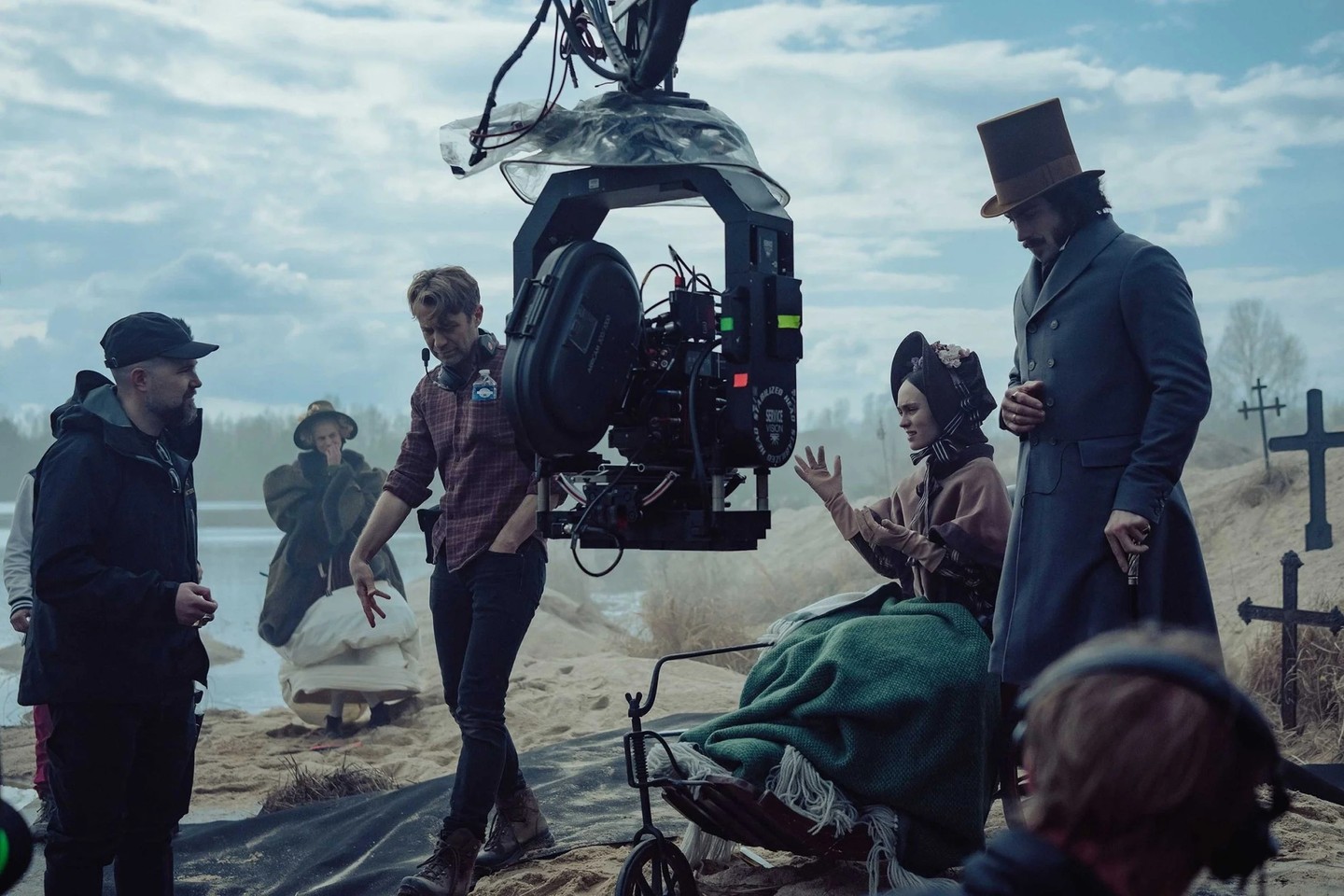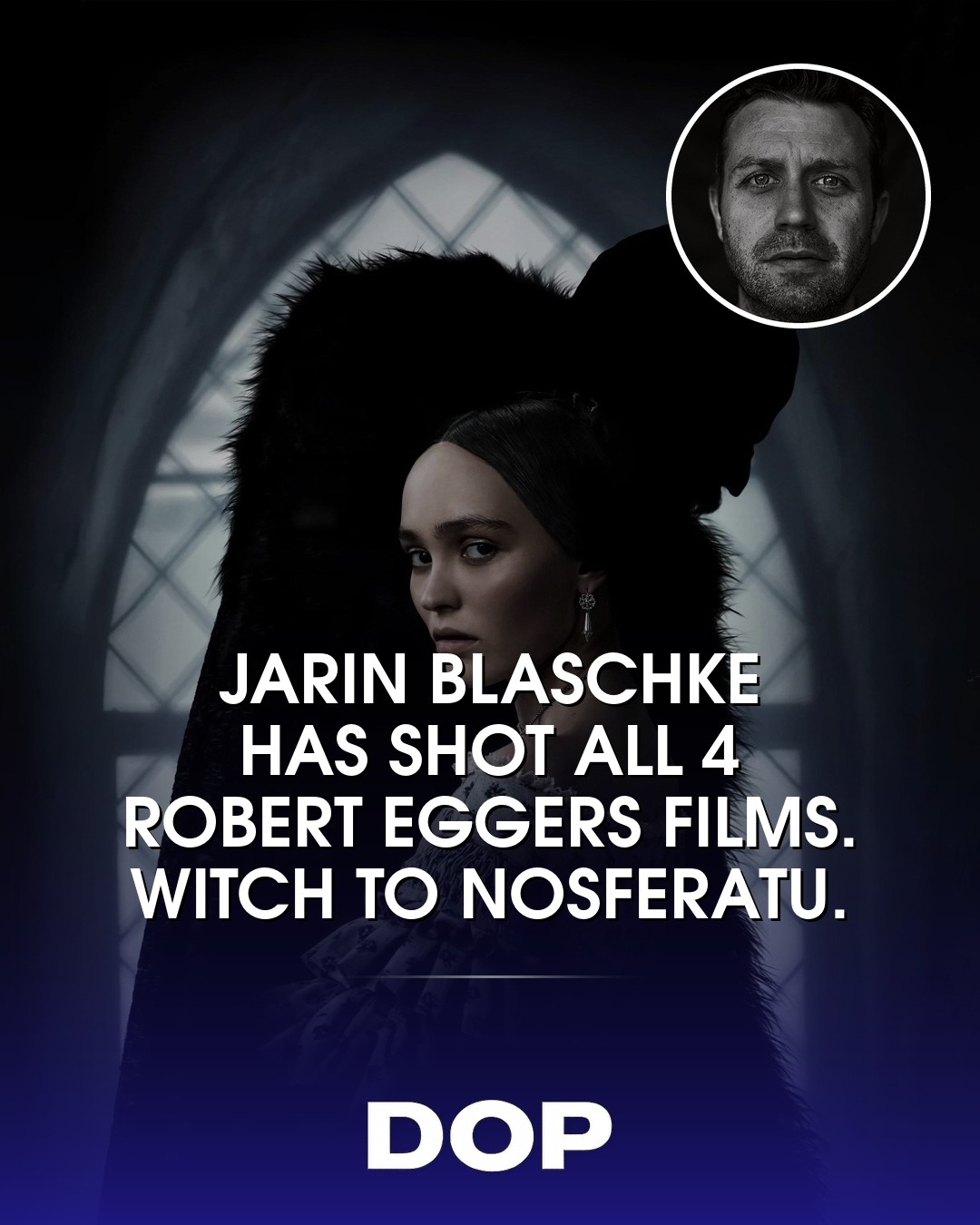
In an industry often defined by fleeting collaborations and shifting creative partnerships, the enduring alliance between director Robert Eggers and cinematographer Jarin Blaschke stands as a testament to shared vision and unwavering artistic commitment. From the foreboding puritanical dread of The Witch to the claustrophobic madness of The Lighthouse, and the brutal epic scale of The Northman, Blaschke has been the visual architect of Eggers' unique, meticulously crafted worlds. This unbroken decade-long collaboration, forged in the crucible of film school, offers a rare and invaluable insight into the power of a consistent photographic voice.
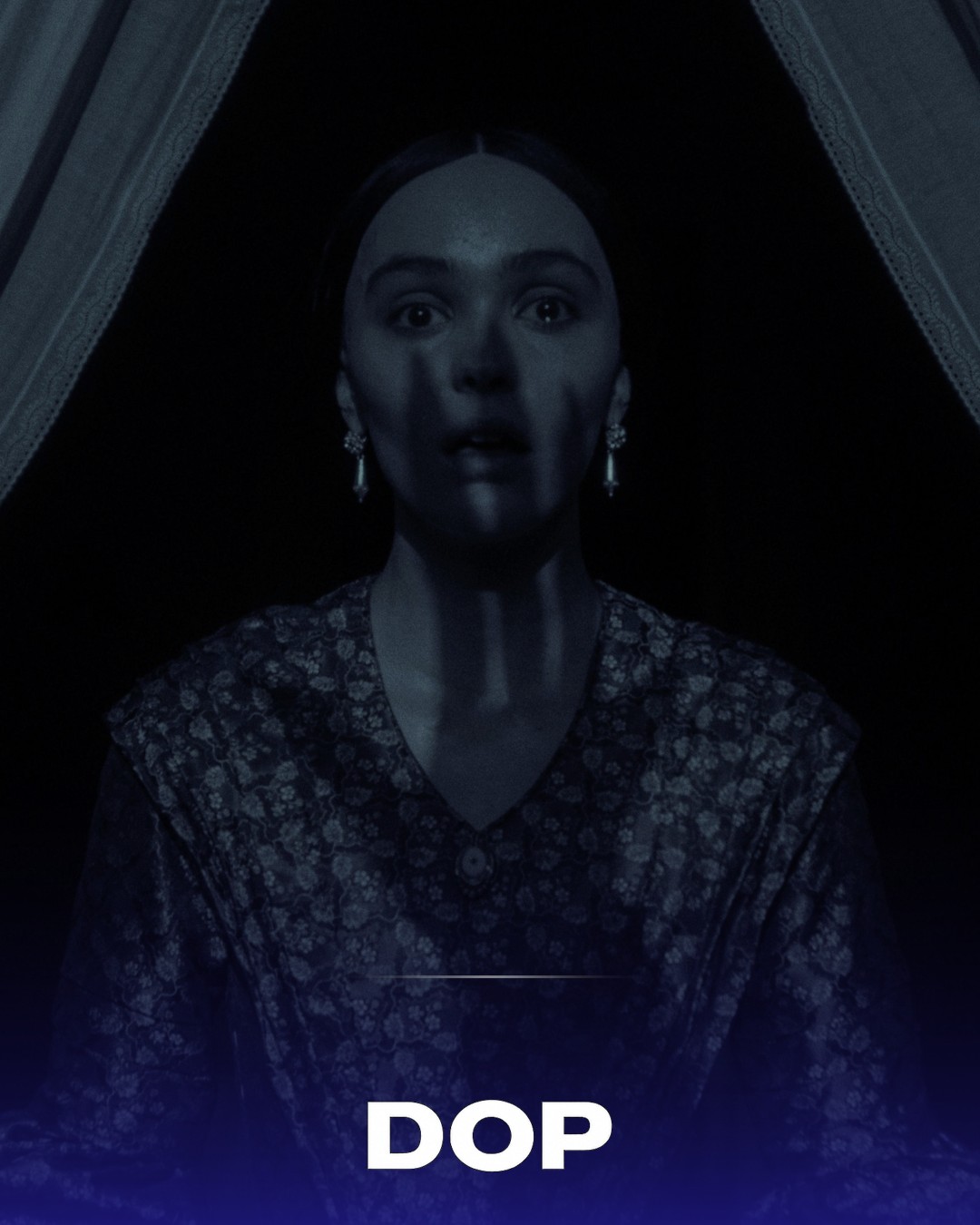
Their latest endeavor, the highly anticipated Nosferatu (2024), promises to be their most audacious photographic challenge yet. Blaschke, known for his rigorous historical accuracy and period-appropriate methodologies, has reportedly taken a radical approach, shooting almost entirely with practical light sources. This isn't merely a nod to the film's 1922 silent predecessor; it's a deep dive into the very essence of pre-electric cinema, translated through the lens of modern filmmaking.
The Practical Light Imperative
The decision to rely almost exclusively on candles, oil lamps, and firelight for Nosferatu is more than a stylistic flourish; it's a philosophical stance. In an era where LED technology offers infinite control and digital manipulation can conjure any illumination, Blaschke's choice is a defiant embrace of limitation—a limitation that paradoxically unlocks unparalleled authenticity. This approach forces a different kind of photographic thinking, demanding an intimate understanding of light's physical properties: its falloff, its spectral quality, its inherent flicker, and its narrative power.
“To truly evoke the dread of early horror, you must understand the fear of the unknown, and nothing embodies that more than light that struggles against encroaching darkness.”
Consider the implications: every shot becomes a careful orchestration of practical sources. The dynamic range of 35mm film, which Blaschke employed alongside Panavision lenses, would have been pushed to its limits, capturing the subtle nuances between the incandescent glow of a wick and the impenetrable shadows it casts. This isn't about simply illuminating a scene; it's about sculpting it with fire, allowing the natural dance of light and shadow to dictate composition and mood. The inherent warmth and organic movement of these sources would imbue the image with a tangible, almost tactile quality, drawing the audience into the film's gothic, suffocating atmosphere. This commitment to practicals would have required meticulous pre-production and on-set ingenuity, demanding close collaboration with the art department to integrate light sources seamlessly into the production design, not as props, but as essential narrative elements.
The Panavision Palate & Film's Embrace
Blaschke's choice of 35mm film stock is another critical component in this artistic equation. Digital sensors, for all their advancements, still struggle to replicate the nuanced highlight rolloff and organic grain structure inherent to film, especially when contending with the extreme contrast ratios presented by practical lighting. Film's latitude excels in rendering the delicate subtleties of light fading into darkness, preserving detail in both the brightest flame and the deepest shadow. Coupled with Panavision lenses, known for their distinctive optical character—often a balance of sharpness and a pleasing falloff—Blaschke is clearly aiming for a timeless, almost painterly aesthetic. Panavision's classic glass can offer a certain 'vintage' quality without sacrificing resolution, a perfect marriage for a period piece reinterpreting a silent classic.
The decision to shoot in color, despite the black-and-white origins of the 1922 Nosferatu, suggests a sophisticated approach to color science and grading. Rather than a vibrant, saturated palette, one could anticipate a subdued, desaturated, and perhaps monochromatic-leaning look, where color primarily serves to enhance texture and depth rather than to burst forth. The inherent warmth of the practical sources would likely be allowed to sing, providing a stark, unsettling contrast to the cold, oppressive darkness that surrounds them. This thoughtful application of color, or lack thereof, can be far more impactful than a simple black-and-white conversion, allowing for a unique visual language that honors the past while pushing the boundaries of contemporary cinematography.
A Masterclass in Atmosphere
Blaschke's filmography with Eggers is a masterclass in atmospheric immersion. In The Witch, his use of natural light and often unnervingly deep shadows created a sense of pervasive dread, a world where the unknown lurked just beyond the campfire's glow. The Lighthouse, shot on black and white 35mm with vintage lenses and a 1.19:1 aspect ratio, plunged viewers into a hallucinatory abyss, each frame a meticulously composed portrait of psychological decay. With The Northman, he demonstrated his versatility, capturing the sweeping, brutal landscapes with a raw, visceral energy, contrasting the stark beauty of nature with the primal violence of man.
For Nosferatu, Blaschke's approach, marrying practical light with 35mm film and Panavision glass, promises an unparalleled level of authenticity and a deeply unsettling visual experience. Filming across the gothic landscapes of Romania and the historic streets of Prague, these locations, steeped in their own dark histories, will undoubtedly be rendered with a palpable sense of place and an almost suffocating atmosphere. It is this unwavering dedication to craft, this willingness to embrace technical challenges for artistic gain, that solidifies Jarin Blaschke's position as one of the most exciting and influential cinematographers working today, constantly pushing the boundaries of visual storytelling and reminding us of the profound power of light and shadow.