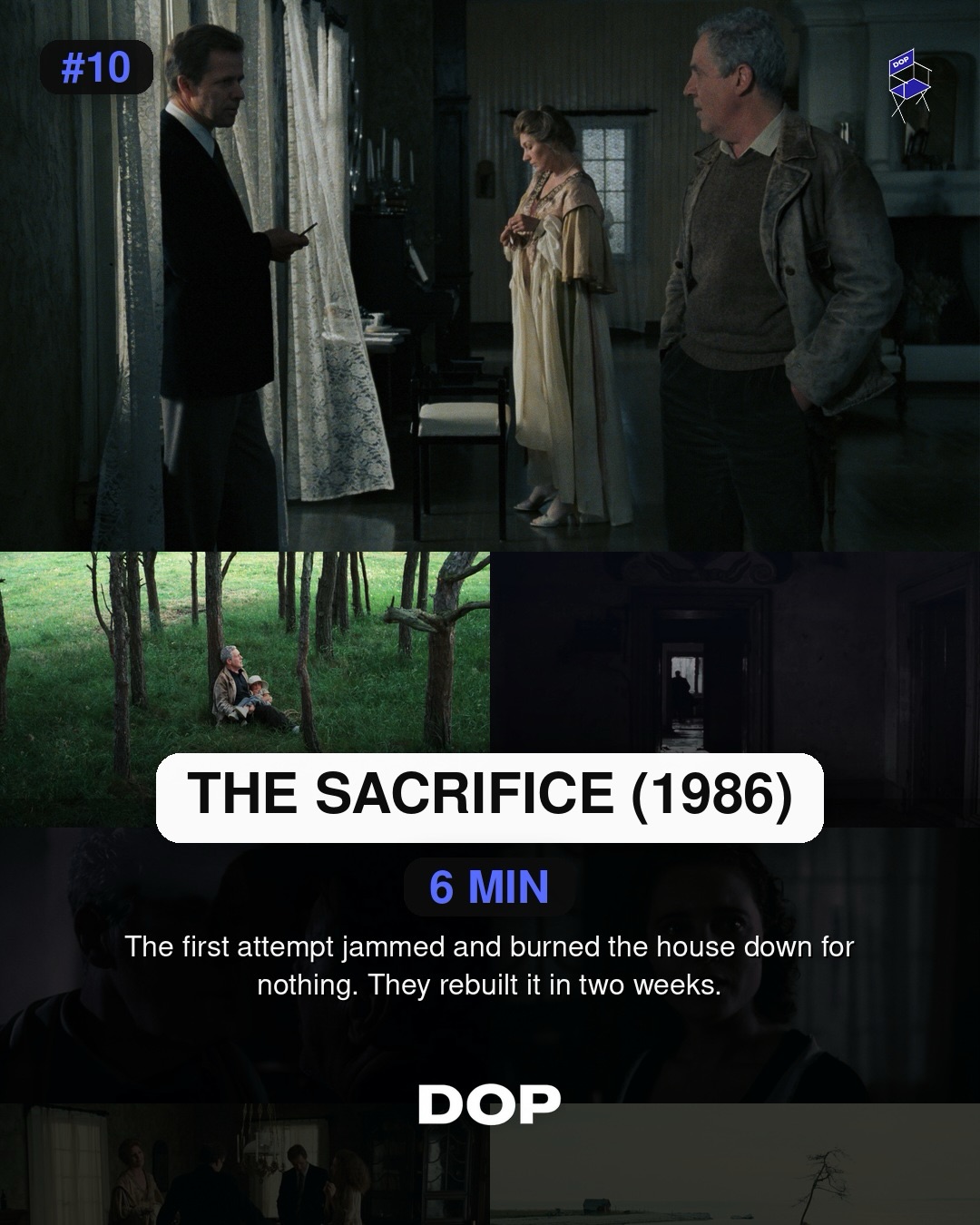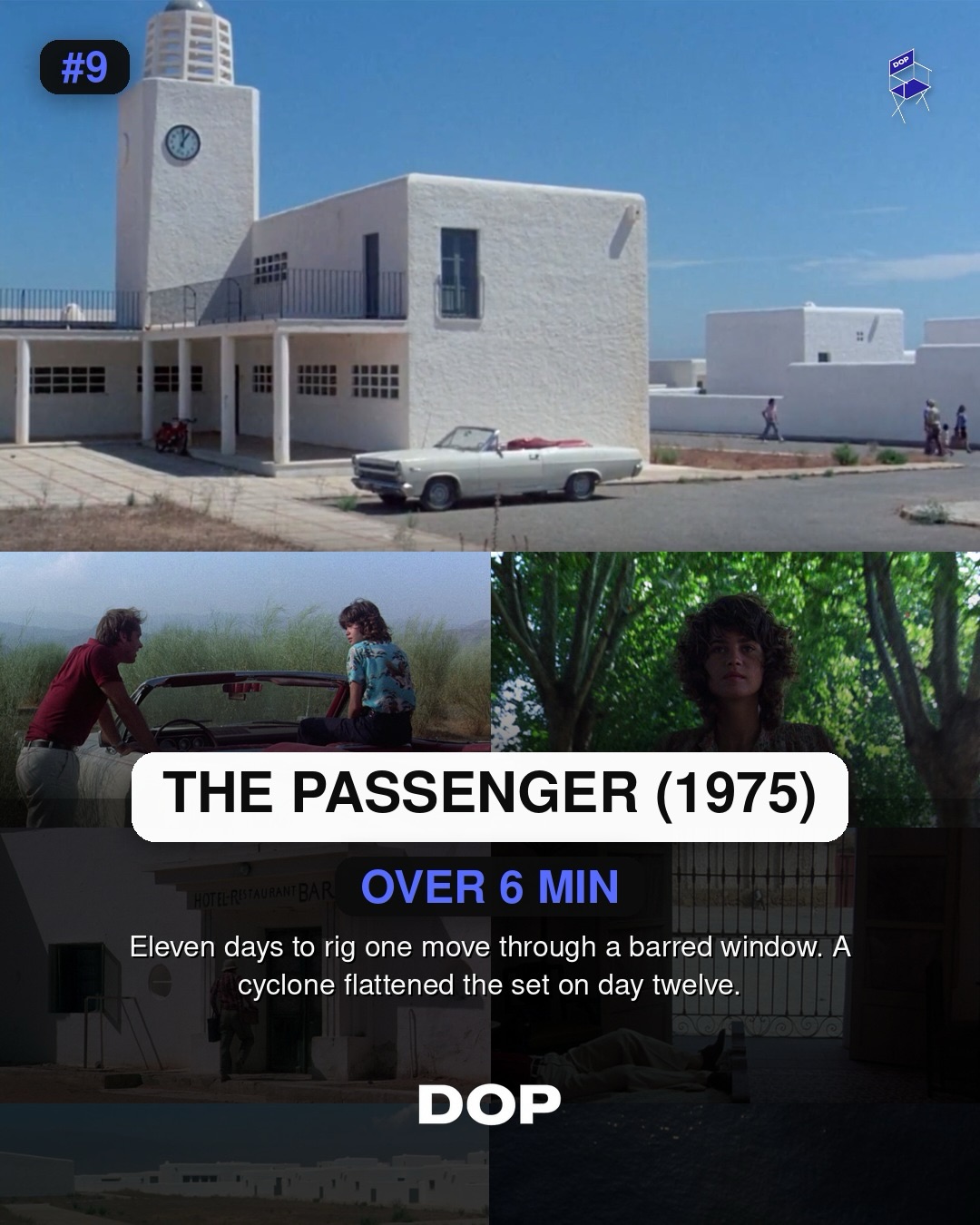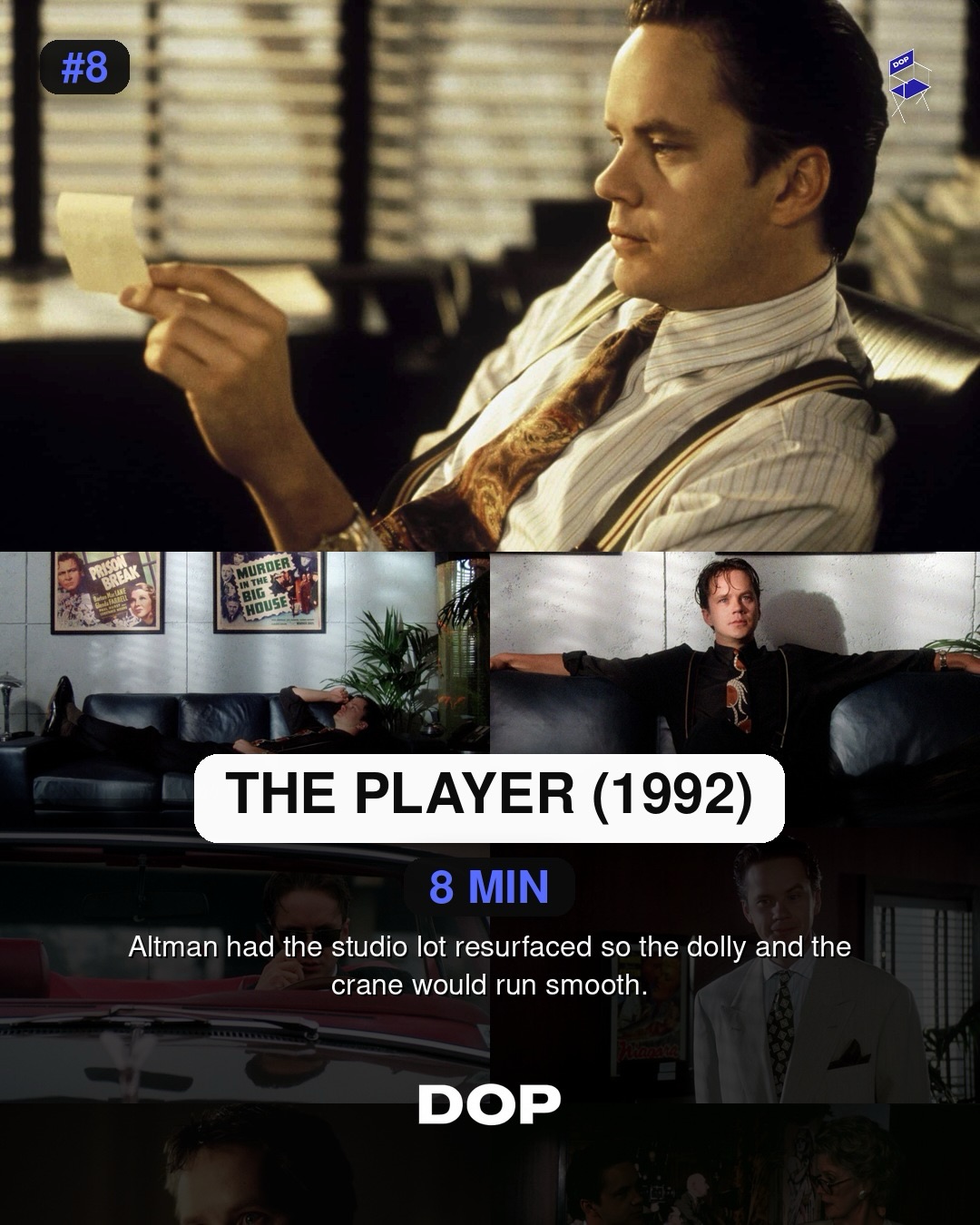
In an era dominated by seamless digital seams, invisible stitch points, and post-production trickery, the cinematic "oner" has paradoxically become both ubiquitous and cheapened. Masterpieces of stitching like Birdman, 1917, and Children of Men are astonishing feats of choreography and editorial architecture. Yet, there remains a sacred mechanical frontier: the true, unyielding, single continuous take where the camera rolls once and never cuts, capturing reality in real time across the native sensor without the safety net of an optical wipe or hidden corner split.
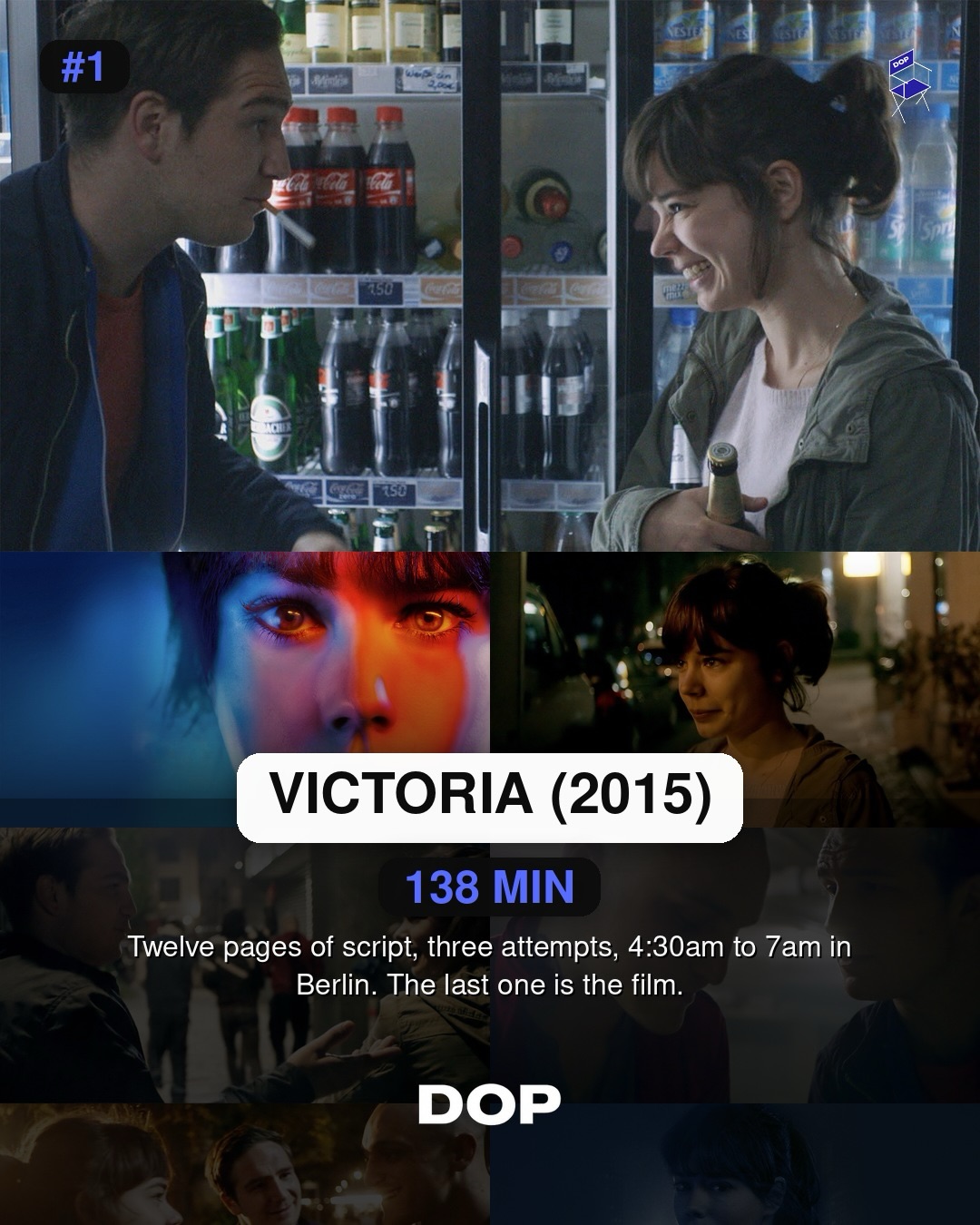
When director Sebastian Schipper and cinematographer Sturla Brandth Grøvlen set out to shoot Victoria in 2015, they weren't building an illusion, they were staging a high-wire heist across 22 locations in Berlin. With a run-time of 138 minutes, the production had only the budget and logistical clearance for three full attempts. The camera of choice was the Canon EOS C300, paired stripped-down with a single prime lens: the Canon EF 24mm f/1.4L II USM. Grøvlen operated the entire film handheld, running up stairwells, ducking into getaway cars, and tracking characters through pulsing techno clubs. The third take, shot between 4:30 AM and 7:00 AM as natural dawn slowly bleached the Berlin streets, is the entire cut of the film. It is a clinic in organic exposure management, balancing deep ambient city shadows and blazing halogen streetlamps solely through live iris pulls and native sensor latitude.
The Architecture of 360-Degree Lighting
The single-take film fundamentally breaks traditional cinematographic grammar. Because the lens will eventually rotate 360 degrees and travel across miles of dynamic terrain, the DP and gaffer cannot place stands, flags, or softboxes anywhere on set. Light must be motivated, integrated, and completely autonomous. The craft pivots from conventional lighting to rigorous environmental modification and automated wireless infrastructure.
"When there are no cuts, lighting isn't a setup, it's a choreography of practicals, battery-powered LED strips, and wireless DMX consoles moving with the camera operator like an unseen dance partner."
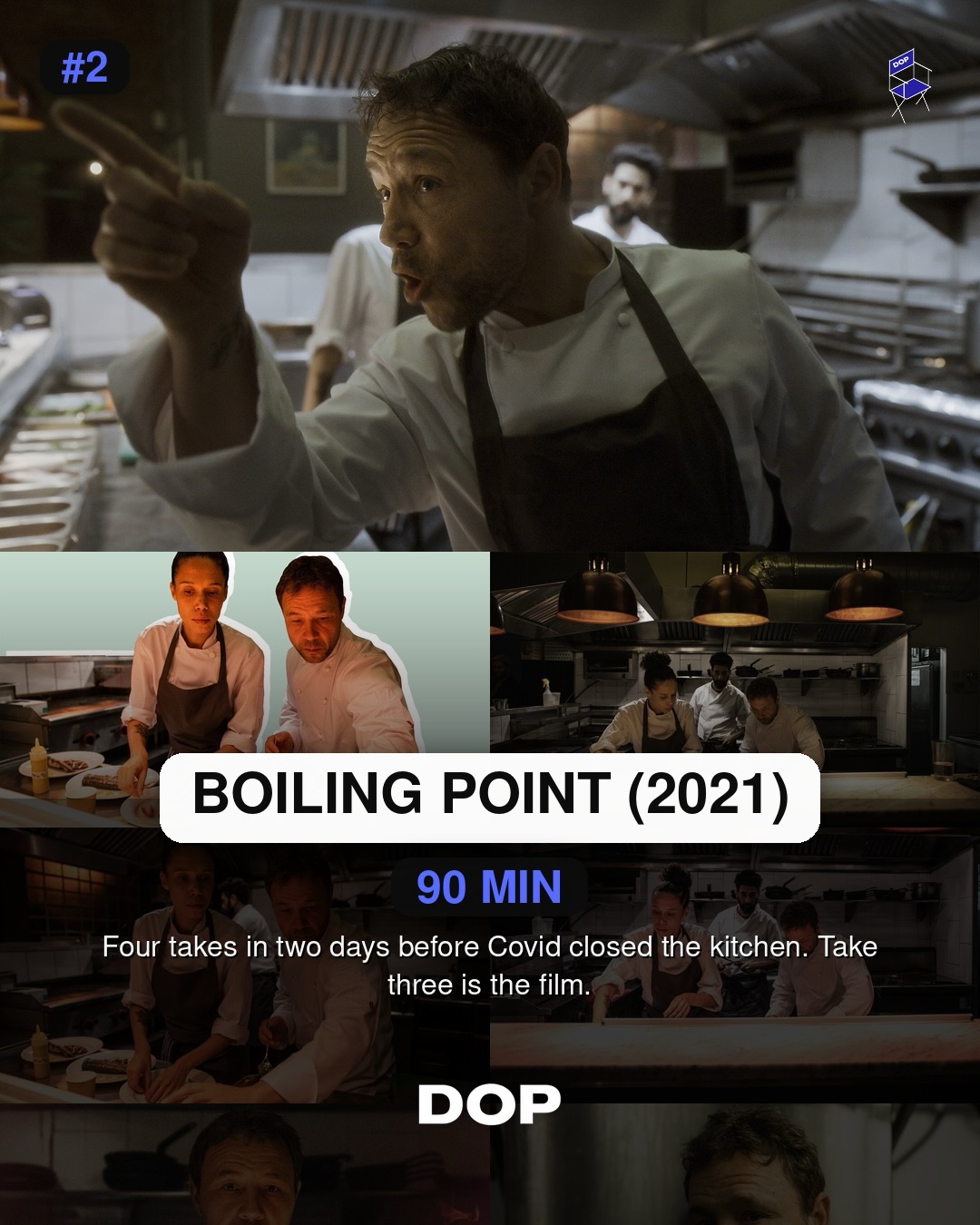
Consider Philip Barantini’s 2021 culinary pressure cooker Boiling Point, shot by cinematographer Matthew Lewis. Unfolding over 90 continuous minutes in a functional East London restaurant, Lewis utilized the Sony VENICE equipped with its Rialto Extension System. By detaching the sensor block from the camera body, Lewis could keep the rig's handheld payload negligible while weaving through tight prep lines and hot kitchen ranges. Paired with Cooke S7/i Full Frame Plus glass, the image maintains dimensional, creamy roll-off without sacrificing optical agility. Every heat lamp, recessed ceiling puck, and neon sign had to be rewired and patched into a wireless DMX board, enabling the gaffer to manually ramp levels as the camera spun between the claustrophobic line and the dimly lit front-of-house dining tables.
Mechanical Endurance and the Steadicam Legend
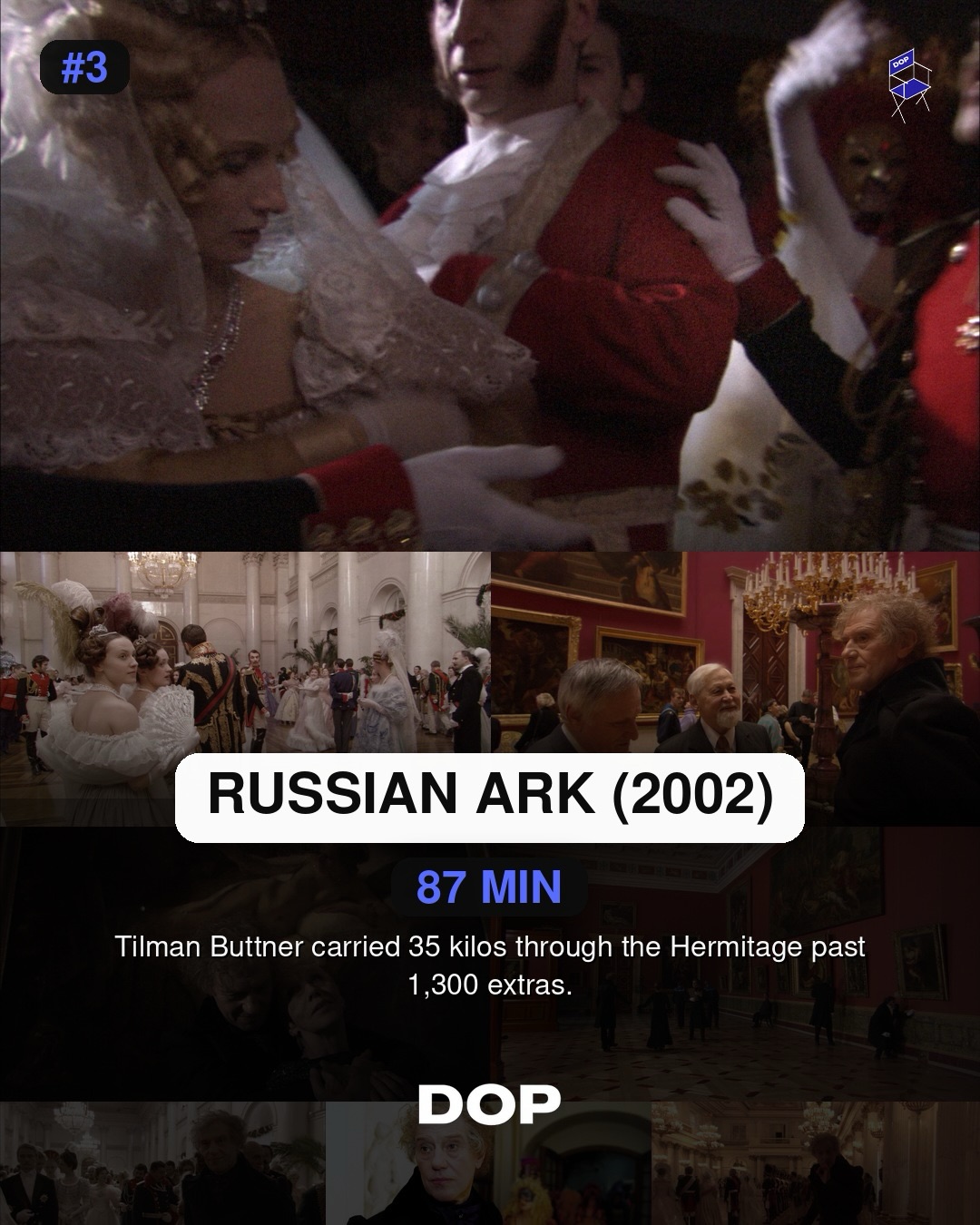
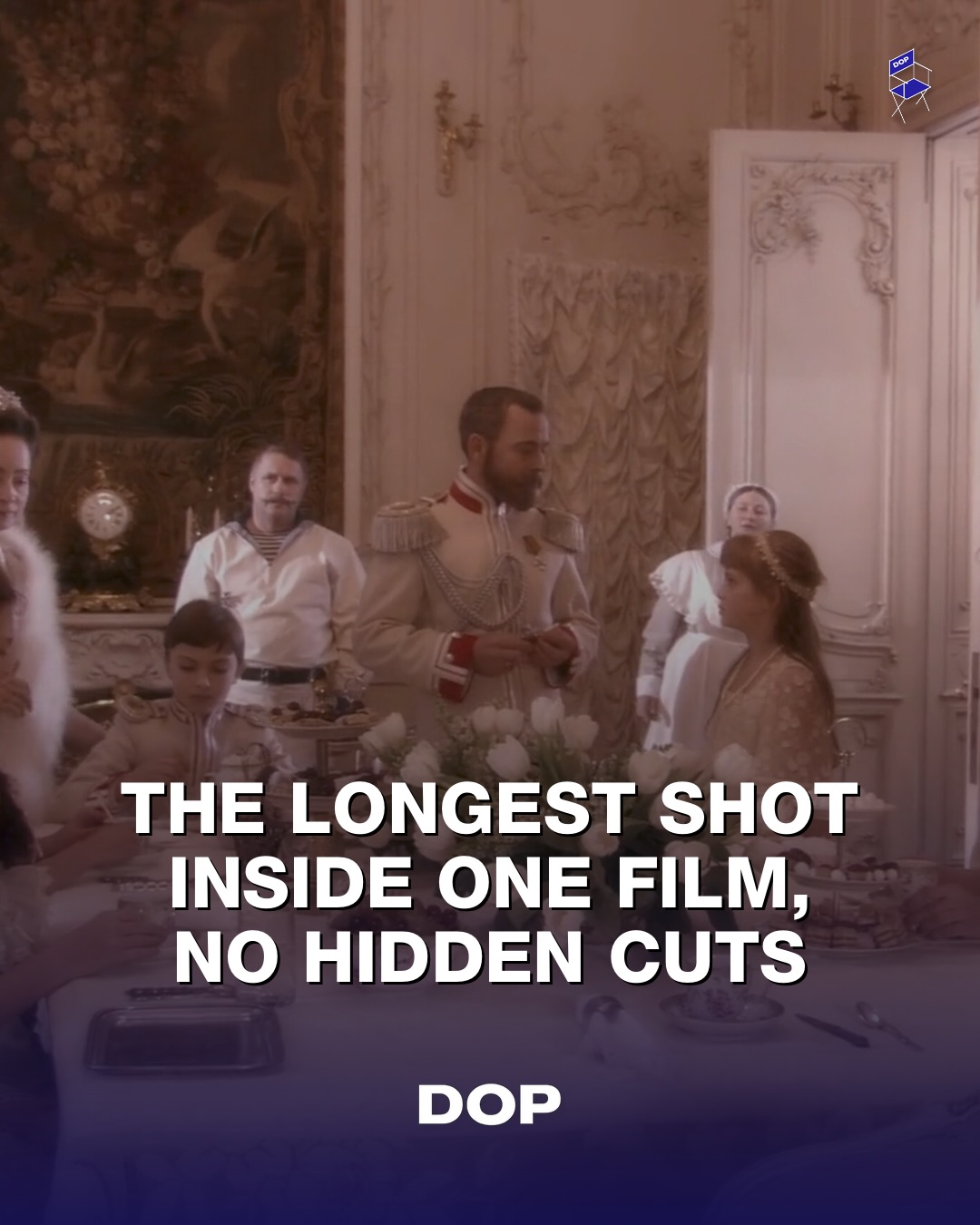
Before modern lightweight full-frame cine cameras existed, executing an unbroken feature film was bordering on operational insanity. In 2002, Alexander Sokurov and operator/DP Tilman Büttner pulled off Russian Ark. Navigating 33 rooms of the State Hermitage Museum across 87 minutes, Büttner carried a custom Steadicam rig flying an early Sony HDW-F900 CineAlta 24p HD camera. Because magnetic tape formats could not record that long without stopping, the signal was fed via a heavy umbilical cable to a tethered, uncompressed Director's Friend hard-drive system carried by an assistant trailing in his blind spot.
The physical toll on the operator in these continuous scenarios cannot be overstated. A Steadicam rig can easily weigh upwards of 70 to 80 pounds; sustaining dynamic balance, horizon stability, and framing for nearly an hour and a half pushes human physiology to catastrophic failure. Büttner’s technical feat remains one of the greatest athletic achievements in cinema history, transforming the camera into an ethereal, floating apparition drifting through three centuries of Russian history.
The Power of the Contained Set-Piece
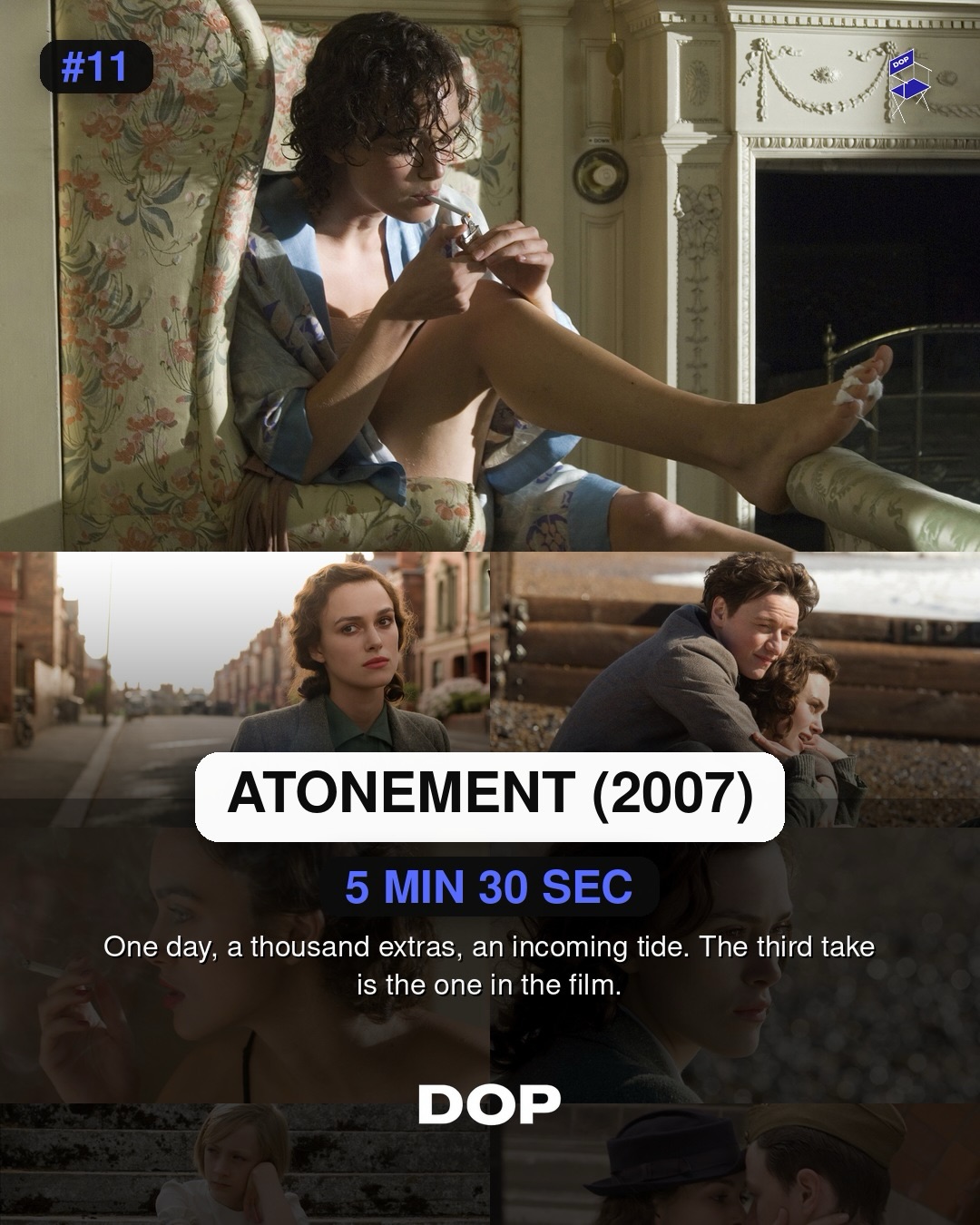
Yet, the unstitched long take does not need to consume an entire feature to burn itself into film history. When used surgically inside a classically edited picture, a true long take hits like a thunderbolt. Seamus McGarvey’s legendary five-and-a-half-minute Dunkirk beach sequence in Joe Wright’s Atonement is a masterclass in scale and patience. Operating on 35mm with a Panavision Millennium XL and Steadicam operated by Peter Robertson, the camera navigates a chaotic landscape of over 1,000 extras, singing choirs, Ferris wheels, and dead cavalry.
Shooting on Kodak Vision2 500T 5218 stock during a fleeting 45-minute window of evening golden hour, McGarvey had light for only three or four attempts. The third take is the iconic shot featured in the film. Because the camera shifts from low tracking shots to an elevated crane arm that mechanically latched onto the Steadicam rig, every department had to operate on military-grade precision. If one background artist miscalculated a cue, the entire five-minute spool of 35mm was lost.
These pure, unbroken achievements remind us what cinematography is at its absolute essence: the unmanipulated intersection of time, light, space, and physical courage. Without cuts to hide behind, the image possesses a terrifying, electric vitality that no amount of CGI stitching will ever replicate.
This article contains affiliate links. We may earn a small commission at no extra cost to you. Learn more.