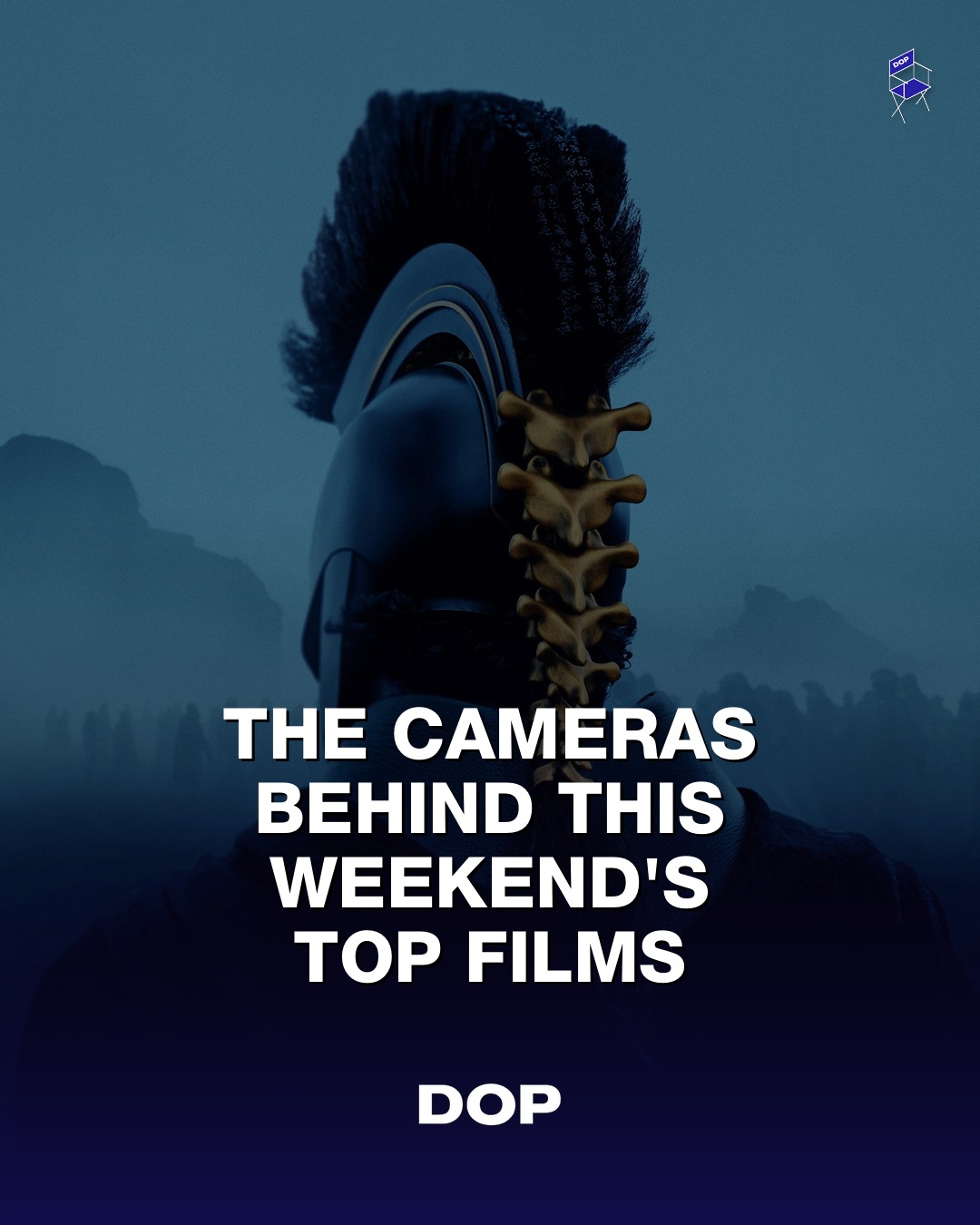
In an era increasingly dominated by digital acquisition, the persistent allure of celluloid remains a powerful testament to its unique aesthetic qualities. This past weekend's cinematic landscape offered a fascinating juxtaposition: the monumental undertaking of shooting The Odyssey on custom-built IMAX film cameras, Olivia Wilde's deliberate choice of 35mm for The Invite, and the guerrilla-style embrace of vintage glass on a micro-budget for Obsession. Each approach, while vastly different in scale and resources, underscores a shared, fundamental truth: the choice of camera and format is not merely technical, but an artistic declaration, a foundational stroke in the visual language of a film.
The sheer ambition behind The Odyssey is staggering. To capture its sweeping vistas and intimate human drama, IMAX, not content with existing technology, engineered an entirely new film camera: the Keighley. This bespoke 15/70mm behemoth speaks volumes about the commitment to an unparalleled visual experience. Four Keighley bodies were manufactured, and a total of seven IMAX film cameras were pressed into service on the production. This wasn't merely about resolution; it was about the intrinsic character of IMAX film, its unparalleled dynamic range, the subtle grain structure, and the immersive quality that 15/70mm projection delivers. It's a powerful statement in an industry often chasing the next digital advancement, demonstrating that for certain narratives, the analog pinnacle remains the gold standard.
The Tactile Embrace of Film: Wilde and the "Active Frame"
Contrast this with Olivia Wilde's approach to The Invite. Opting for Kodak 35mm film, Wilde articulated a desire for "texture" to ensure "every frame would feel active." This sentiment resonates deeply with cinematographers who understand that film isn't just a recording medium; it's a living canvas. The organic grain of 35mm, the way it renders highlights and shadows, and its inherent warmth contribute to a palpable sense of reality and emotional depth that can be challenging to replicate digitally. It's a choice that prioritizes the tactile, the imperfect, and the human, inviting the audience to not just observe, but to feel the fabric of the cinematic world.
"The organic grain of 35mm, the way it renders highlights and shadows, and its inherent warmth contribute to a palpable sense of reality and emotional depth that can be challenging to replicate digitally."
This pursuit of texture extends beyond the format itself into the realm of optics. The independent feature Obsession, produced on a shoestring budget under a million dollars, made a deliberate choice to shoot almost entirely wide open on vintage Panavision Ultra Speed primes. This is a masterclass in leveraging the unique characteristics of older glass. Vintage lenses, with their inherent aberrations, softer contrast, and often beautiful flaring, imbue images with a distinct personality. Shooting wide open further exaggerates these qualities, creating shallow depth of field that isolates subjects and a dreamlike bokeh that can be incredibly evocative. It's a testament to the idea that budgetary constraints can often foster immense creativity, pushing filmmakers to exploit the aesthetic nuances of their chosen tools.
The Unsung Heroes: Documenting the Craft
While these examples celebrate deliberate and impactful camera choices, the broader cinematic landscape reveals a concerning trend: the lack of accessible information regarding the technical specifics of many productions. Two of this past weekend's top ten films had no verifiable camera credit published anywhere. This absence is not just an oversight; it's a disservice to the craft and to the cinematographers whose artistry often goes uncredited or undocumented. For an industry built on visual storytelling, the tools and techniques that bring those stories to life should be celebrated and openly discussed, not shrouded in mystery.
Furthermore, the rise of animated features presents its own unique challenge to this documentation. While technically not employing physical cameras, the choice of rendering pipeline and virtual lensing decisions are equally critical to the final aesthetic. Listing an animated film by its rendering engine rather than its 'camera body' equivalent highlights a conceptual gap in how we categorize and credit visual creation in the digital age. The 'virtual DP' makes equally impactful choices regarding focal length, depth of field, and even sensor characteristics within their digital environment.
The conversation around camera and format choices is vital for the evolution of cinematography. It's about understanding the 'why' behind the 'what.' Whether it's the bespoke engineering for an IMAX epic, the textural embrace of 35mm for an intimate drama, or the resourceful use of vintage glass on an indie budget, every decision shapes the audience's experience. As practitioners and enthusiasts of cinematography, it is incumbent upon us to champion transparency and documentation, ensuring that the visual architects of our cinematic dreams receive the recognition and analysis they deserve. Which current release, we ask, most warrants a detailed camera credit for its undeniable visual impact?
This article contains affiliate links. We may earn a small commission at no extra cost to you. Learn more.