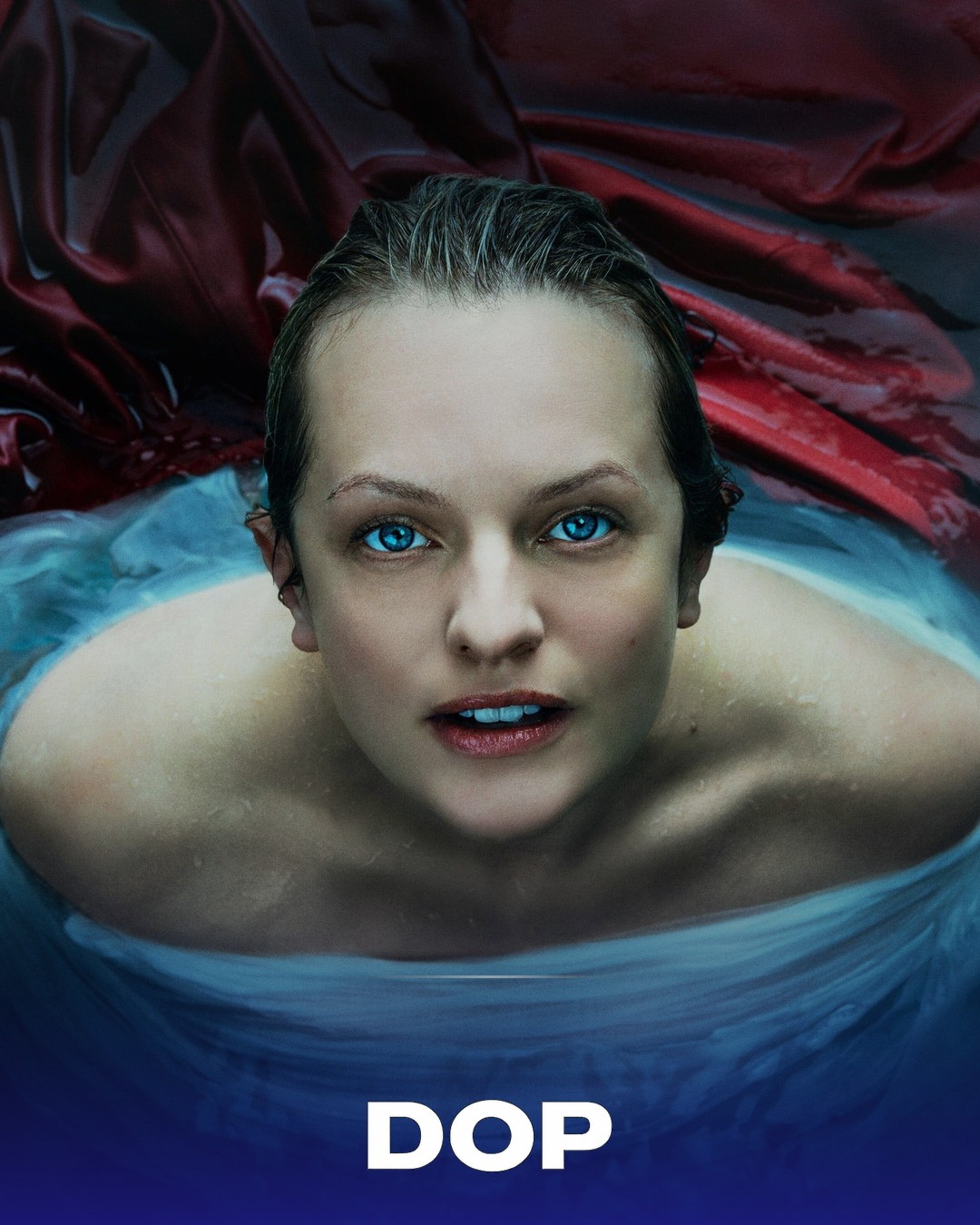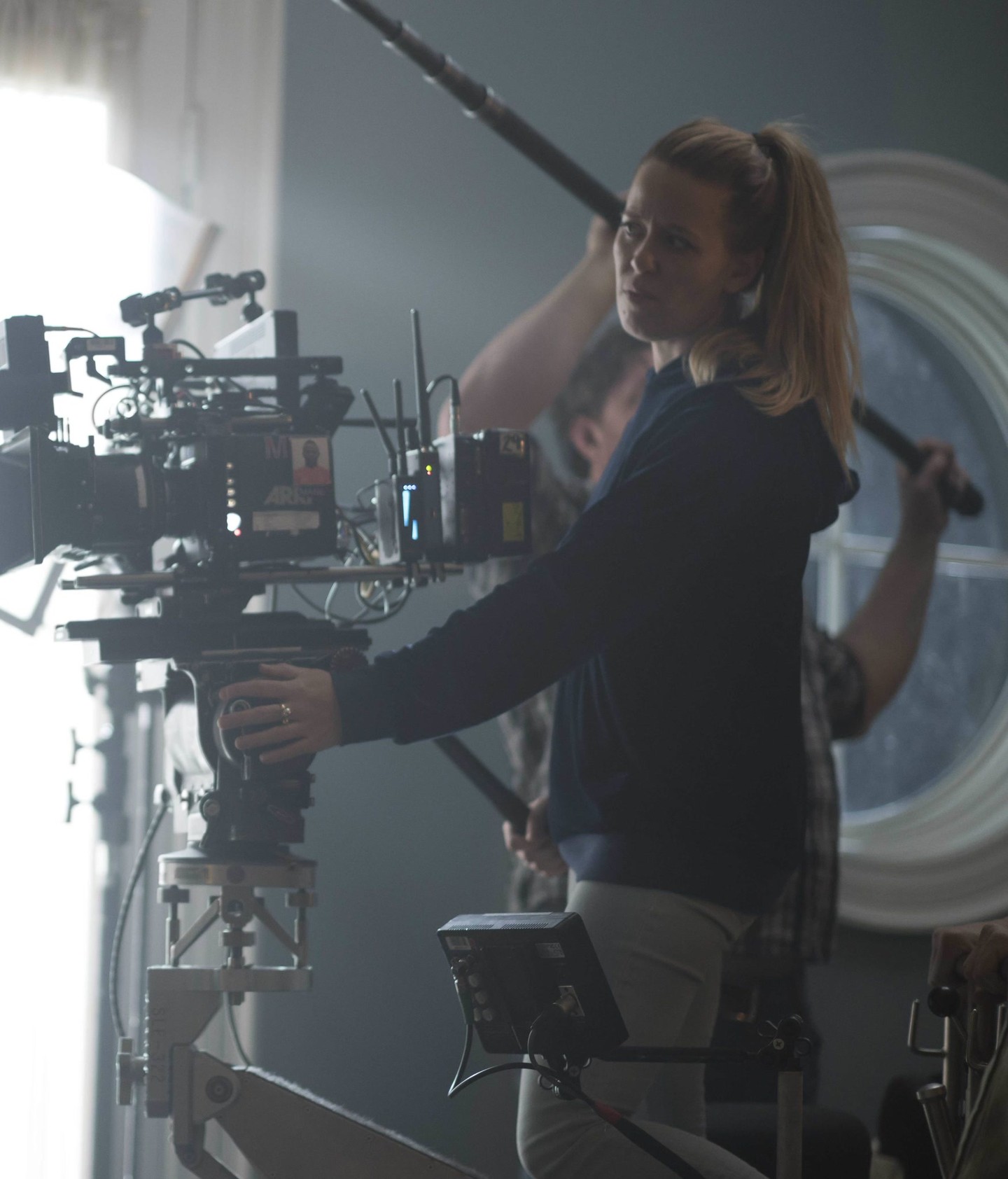
When The Handmaid's Tale first graced our screens in 2017, it wasn't just the chilling narrative and Margaret Atwood's prescient vision that captivated audiences; it was the unflinching, visceral visual language crafted by its cinematographers, most notably Zoe White ASC. White, who helmed multiple seasons as Director of Photography, played a pivotal role in forging an aesthetic template so powerful, so pervasive, that it reverberated throughout the landscape of prestige television, leaving an indelible mark on how stories of psychological depth and societal oppression are told visually.
The series' visual grammar is largely predicated on two foundational pillars: intimate handheld camerawork and close-range portraiture. This wasn't merely a stylistic choice; it was a profound philosophical approach to storytelling. By employing close-up, often raw, handheld shots, White and her team plunged viewers into the suffocating, subjective experience of June Osborne (Elisabeth Moss) and her fellow Handmaids. The camera became an extension of their tormented gaze, a conduit for their fear, defiance, and resilience. This technique, while seemingly straightforward, demands extraordinary control and a keen understanding of performance, ensuring that the camera's movement enhances rather than detracts from the emotional core of the scene.
The Power of Proximity: Lenses and Lighting
The close-range portraiture of The Handmaid's Tale is where its visual power truly crystallizes. White, working across various camera systems (often ARRI ALEXA LF or Mini LF, paired with a range of lenses from vintage Cooke S4s to ARRI Signature Primes), understood that the choice of glass profoundly impacts character. The use of slightly longer focal lengths for these close-ups, while maintaining a sense of proximity, can subtly compress features, drawing the viewer's eye directly to the emotional landscape etched on an actor's face. Lighting, too, was meticulously crafted to serve this intimacy. Often, a single, soft source, carefully positioned, would sculpt faces, highlighting the internal turmoil and inner strength of the characters, creating a painterly quality even in the most brutal of circumstances. This wasn't about glamour; it was about truth, often harsh and unvarnished.
“The camera became an extension of their tormented gaze, a conduit for their fear, defiance, and resilience.”
White's cinematography transcends mere technical execution; it's a masterclass in visual empathy. The often desaturated yet rich color palette, punctuated by the striking scarlet of the Handmaids' cloaks, is not just aesthetically pleasing but narratively potent. It creates a world that feels simultaneously familiar and terrifyingly alien, mirroring the psychological imprisonment of the protagonists. The use of natural light, augmented and shaped, further grounds the narrative in a stark reality, making the fantastical elements of Gilead feel chillingly plausible.
Breaking Barriers Behind the Lens
Beyond her undeniable talent behind the camera, Zoe White ASC stands as a crucial voice in the ongoing discourse surrounding gender disparity within the cinematography community. Her consistent advocacy, highlighting the structural barriers women face in camera unions, particularly at the DP level, is as vital as her artistry. White has rightly pointed out that the problem isn't just at the top; it's rooted in the historical, often informal, hiring practices within camera departments that have inadvertently, or sometimes overtly, excluded women from gaining the experience necessary to ascend the ranks. This isn't just an issue of fairness; it's an issue of diverse perspectives enriching the visual language of cinema and television.
The craft of cinematography thrives on diverse voices and varied life experiences. When the visual storytellers behind the lens reflect a broader spectrum of humanity, the stories themselves become richer, more nuanced, and more universally resonant. White's journey, from her early work to her Emmy-nominated contributions on The Handmaid's Tale, serves as an inspiration, not just for aspiring cinematographers but for the entire industry to critically examine and dismantle the systemic barriers that limit talent and perspective. Her work on the series is a powerful testament to the fact that exceptional cinematography is not merely about technical prowess, but about a profound understanding of human emotion and the courage to tell stories with the deepest possible impact.