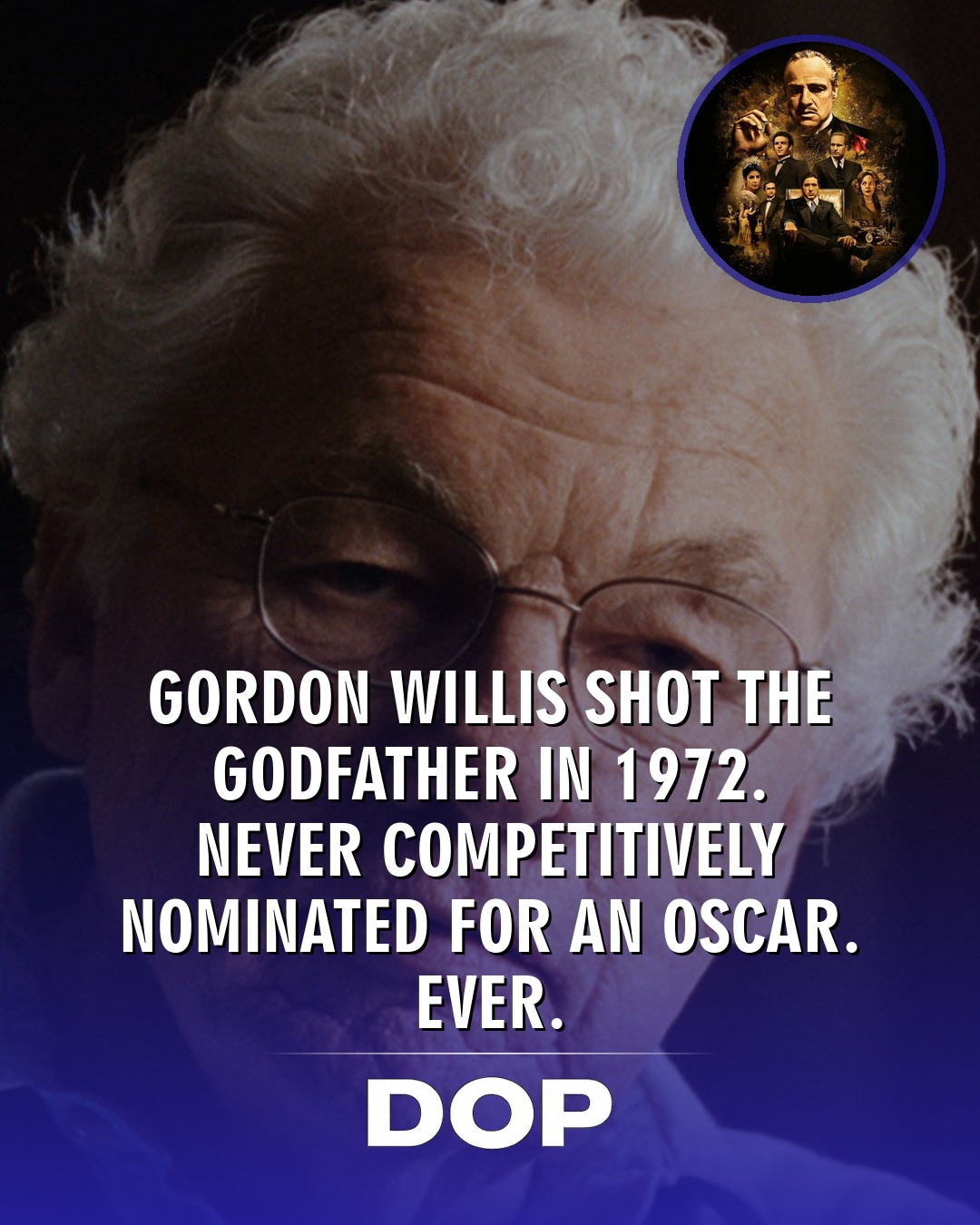
In the annals of cinematic history, few films command the reverence and analytical scrutiny of Francis Ford Coppola's The Godfather. Yet, beneath the operatic drama and iconic performances lies a visual language so revolutionary, so audacious, that it fundamentally altered the course of cinematography. This language was conceived and painstakingly executed by Gordon Willis, ASC, a master whose deliberate underexposure and radical top-lighting choices were initially deemed anathema by a studio accustomed to well-lit, clearly visible faces. Willis didn't just light a film; he sculpted shadows, creating a visual metaphor for the moral murkiness at the heart of the Corleone empire.
Willis's approach to The Godfather was a direct rebellion against the prevailing studio aesthetic of the era. The standard practice involved flattering, frontal illumination designed to reveal every detail of an actor's face. Willis, however, understood that storytelling wasn't just about what was seen, but what was concealed. He famously placed light sources high above his subjects, often using a single key light positioned directly overhead. This technique, dubbed 'top-lighting,' plunged eyes into deep shadow, rendering faces partially obscured and imbuing characters with an enigmatic, almost predatory quality. The effect was immediate and profound: Marlon Brando's Don Vito Corleone, emerging from the gloom, became a figure of immense power and veiled menace, his eyes, the traditional windows to the soul, hidden from the audience's full gaze.
The Aesthetic of Ambiguity: Willis's Technical Prowess
The technical execution of Willis's vision was as precise as it was daring. Working with Arriflex cameras and a range of Cooke and Zeiss lenses, Willis pushed the boundaries of film stock capabilities. He intentionally underexposed the film, often shooting at 50% or even 25% of the recommended exposure. This decision had a dual purpose: it enhanced the density of his shadows, making them truly impenetrable, and it contributed to the film's rich, desaturated color palette, leaning heavily into browns, golds, and deep reds. The result was a look that felt both classical and shockingly modern, evoking Renaissance portraiture while simultaneously stripping away Hollywood's glossy sheen.
"You're painting with light, and you're painting with shadow. And the absence of light is just as important as the presence of light." - Gordon Willis, ASC
This commitment to underexposure and theatrical lighting was not without its battles. Paramount executives were reportedly horrified by the dailies, deeming them 'too dark' and technically incorrect. Coppola, however, staunchly defended Willis, recognizing the genius behind the apparent 'mistakes.' It was this synergy between director and cinematographer, this shared understanding of visual storytelling, that allowed Willis's radical approach to not only survive but thrive, ultimately becoming synonymous with the film's iconic status. His philosophy was simple yet profound: light should serve the story, not merely illuminate the scene.
A Legacy Forged in Shadow, Later Recognized
The irony of Willis's career is a poignant one. Despite crafting the visual lexicon for some of the most critically acclaimed and influential films of the 1970s—including Klute, The Parallax View, All the President's Men, and of course, The Godfather and The Godfather Part II—he remained famously overlooked by the Academy during this golden era. This period saw six of his films garner a staggering 39 Oscar nominations, yet not a single competitive nod for Willis himself. It speaks volumes about an industry sometimes slow to recognize true innovation when it deviates too far from established norms.
While the myth persists that Willis was 'never' nominated, it's important to clarify his eventual recognition. He did receive competitive Best Cinematography nominations for his work on Woody Allen's visually inventive Zelig (1983), shot in striking black and white, and again for The Godfather Part III (1990), where he masterfully revisited and evolved the visual themes established nearly two decades prior. Finally, in 2009, Willis received an Honorary Academy Award, a long-overdue acknowledgment of his monumental contributions to the art form. This belated recognition, presented at the 2010 ceremony, served as a testament to a career that not only defied convention but ultimately redefined it, proving that sometimes, the most powerful images are found not in the light, but in the profound depths of shadow.