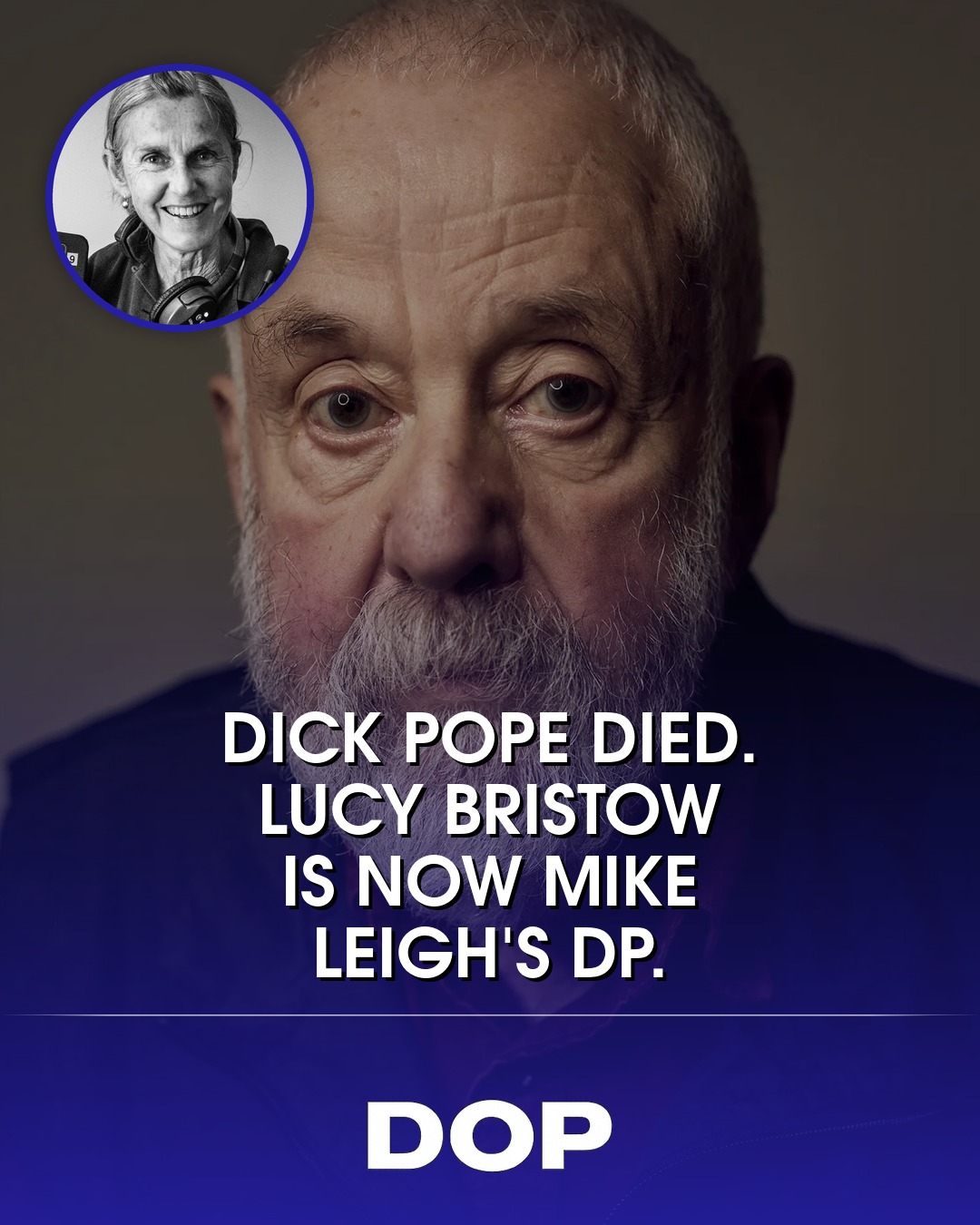
The news of Dick Pope, BSC's passing on October 21, 2024, at the age of 77, left a profound void in the world of cinematography. For over three decades, Pope was the visual architect behind Mike Leigh's distinctive cinematic universe, a partnership that yielded some of British cinema's most nuanced and emotionally resonant works. From the raw intimacy of Secrets & Lies to the vibrant exuberance of Happy-Go-Lucky and the painterly grandeur of Mr. Turner, Pope's lens consistently found the humanity and truth within Leigh's improvisational narratives, cementing his status as a true master of light and shadow.
Pope's approach was never about flashy technique for its own sake. Instead, it was an organic extension of Leigh's storytelling, deeply rooted in character and environment. He possessed an uncanny ability to capture the lived-in texture of working-class homes, the ethereal glow of a London afternoon, or the harsh realities of a period setting, all while maintaining an unwavering commitment to naturalism. His work often showcased a preference for available light augmented by meticulously placed practicals, a philosophy that contributed significantly to the authentic feel of Leigh's films. This wasn't merely a stylistic choice; it was a profound understanding that the most effective cinematography serves the narrative by disappearing into it, allowing the audience to feel present, unmediated by overt visual flourishes.
A Legacy Forged in Collaboration
The partnership between Pope and Leigh was a rare and beautiful thing in an industry often characterized by fleeting collaborations. Leigh's unique improvisational process, where scenes evolve through extensive actor workshops before a script is ever finalized, demands a cinematographer who is not only technically brilliant but also intuitively attuned to the unfolding drama. Pope demonstrated this attunement time and again. He was present from the earliest stages of pre-production, absorbing the characters and their world, allowing him to anticipate and capture moments of profound emotional truth with a seemingly effortless grace.
“Dick Pope understood that the most effective cinematography serves the narrative by disappearing into it, allowing the audience to feel present, unmediated by overt visual flourishes.”
Consider Vera Drake, a film shot on 16mm film, likely using an Arriflex SR3 with Fujifilm stock, where Pope’s cinematography lent a grainy, almost documentary-like authenticity to the period setting. The muted color palette and soft, often overcast lighting perfectly mirrored the somber yet deeply empathetic tone of the narrative. In contrast, Mr. Turner, shot on the ARRI Alexa, showcased Pope's remarkable versatility, employing a much richer, more painterly aesthetic. Here, he meticulously crafted light to evoke the works of J.M.W. Turner himself, playing with dramatic shafts of light and deep, velvety shadows to create compositions that were both historically accurate and emotionally resonant. His ability to adapt his technical choices—from film stock to digital sensor, from intimate close-ups to expansive landscapes—while retaining a consistent visual intelligence, was a hallmark of his genius.
The Torch Passes: Lucy Bristow
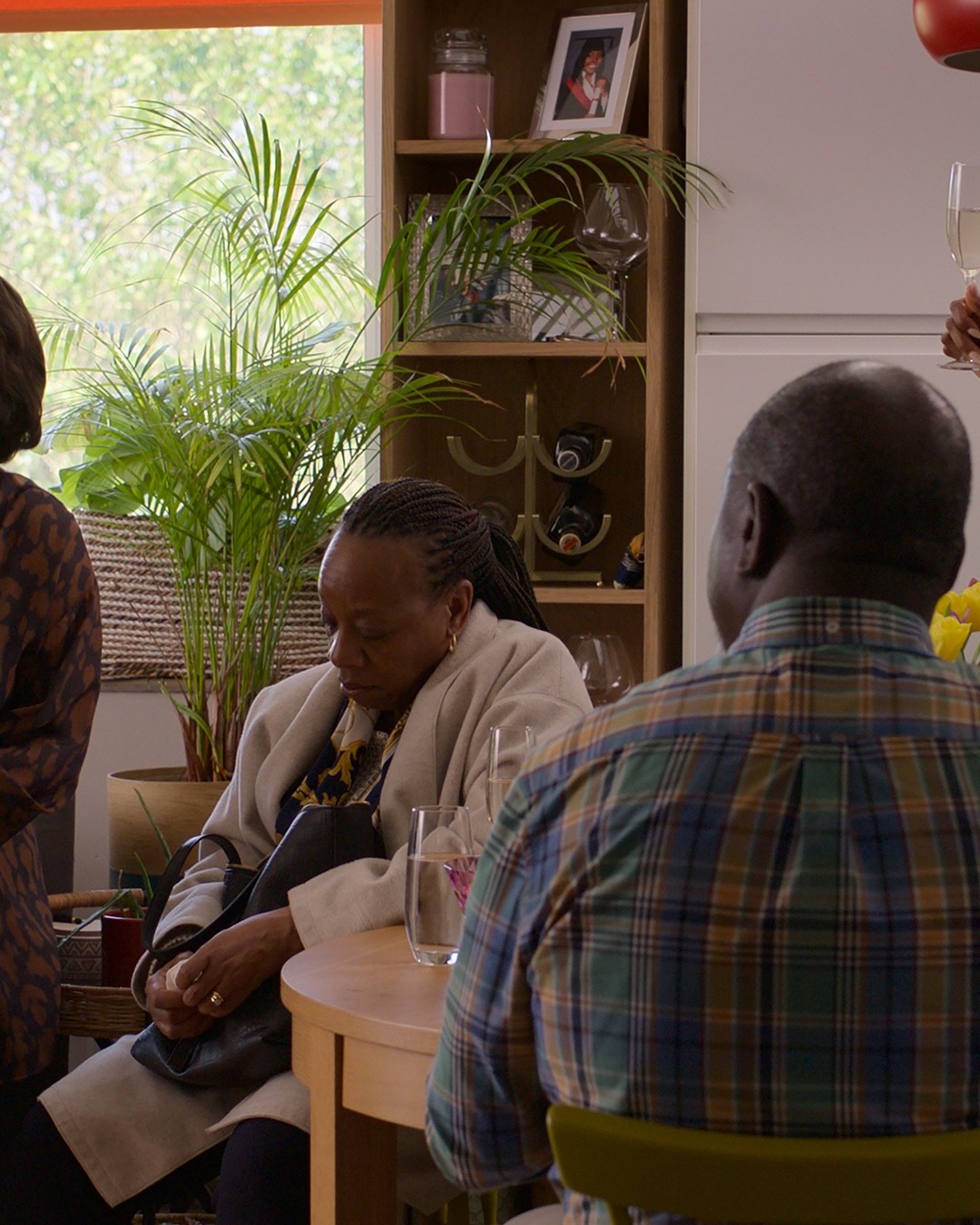
The circumstances surrounding Pope's final collaboration with Leigh on 2024's Hard Truths are poignant. Battling illness, Pope's physical presence on set was limited, with Lucy Bristow stepping in as camera operator. This transition, born out of necessity, speaks volumes about the trust and mentorship that must have existed between Pope and his team. For Leigh to subsequently select Bristow as his Director of Photography for his next untitled feature is not just a pragmatic decision; it is a profound endorsement, a recognition that the visual language established over decades will continue to evolve under a new, yet deeply informed, vision.
Bristow's experience operating for Pope on Hard Truths, overseeing proceedings from a monitor, provided an invaluable apprenticeship under the most challenging conditions. It allowed her to internalize Pope's philosophy, his rhythm, and his understanding of Leigh's creative process. This passing of the torch, from a revered master to a talented successor, is a testament to Pope's lasting impact not just as a cinematographer, but as a mentor. It ensures that the legacy of nuanced, character-driven cinematography, deeply embedded in the fabric of Mike Leigh's films, will continue to thrive. While Dick Pope's physical presence will be sorely missed, his visual artistry and his profound influence on the craft will undoubtedly endure, inspiring generations of cinematographers to come.