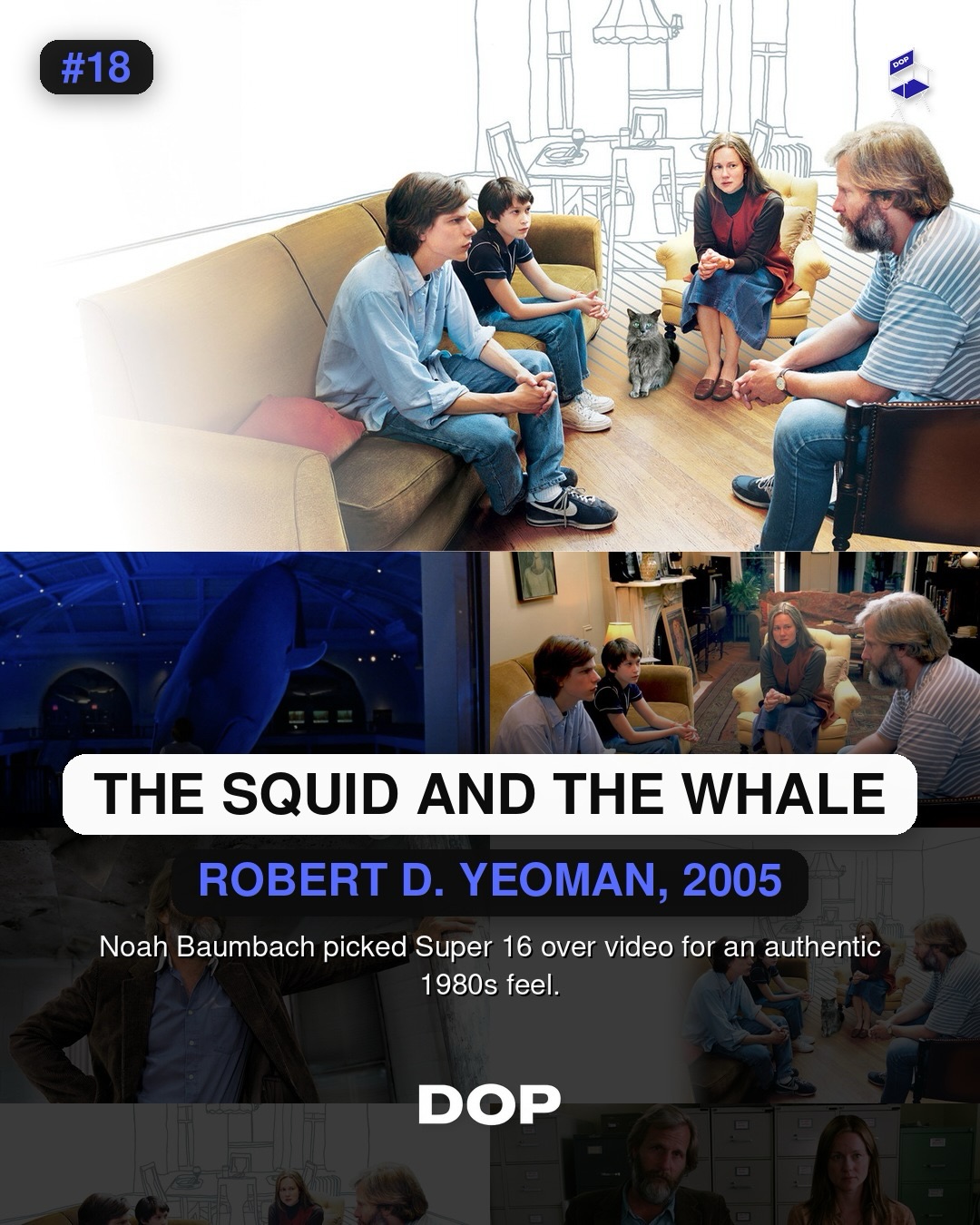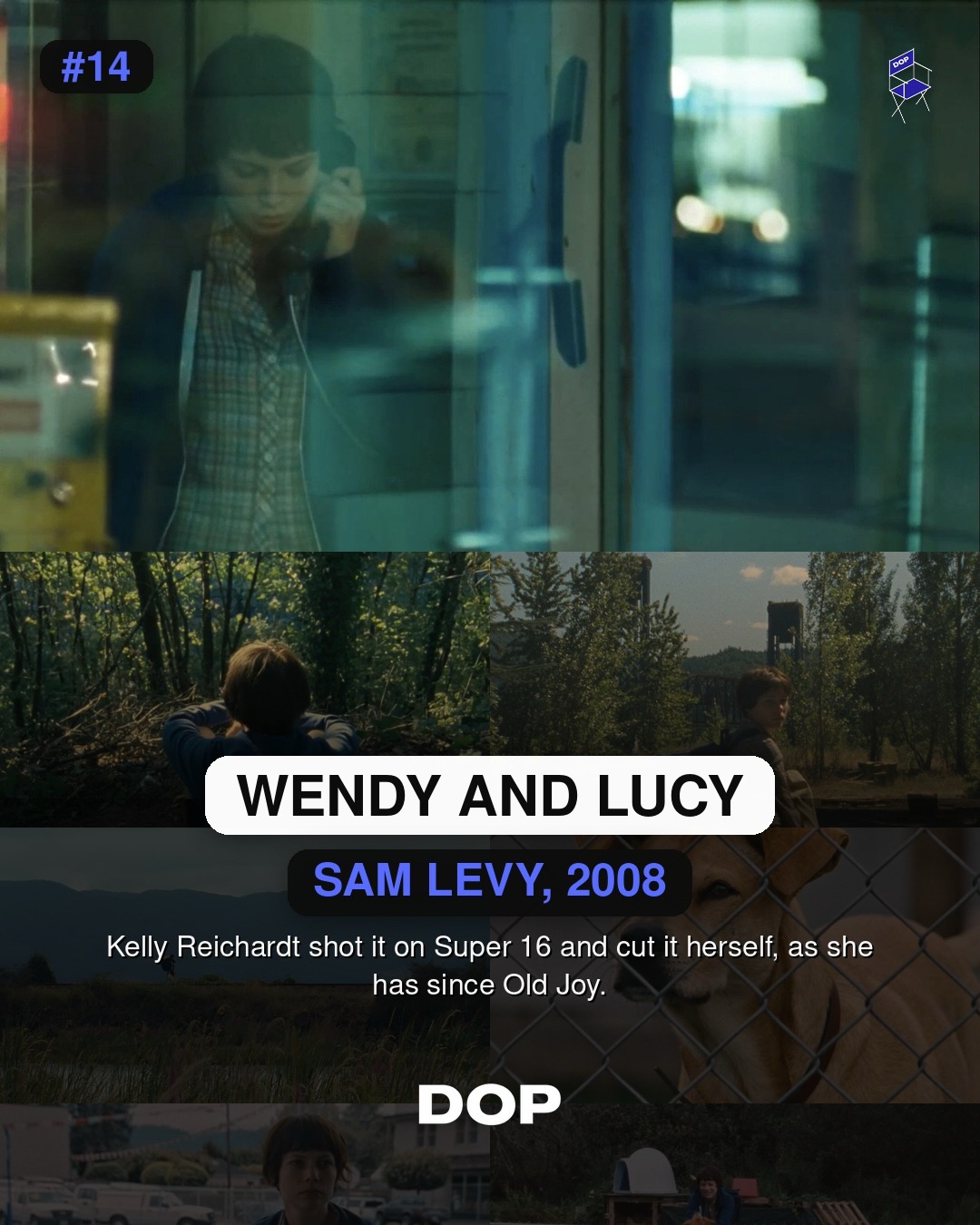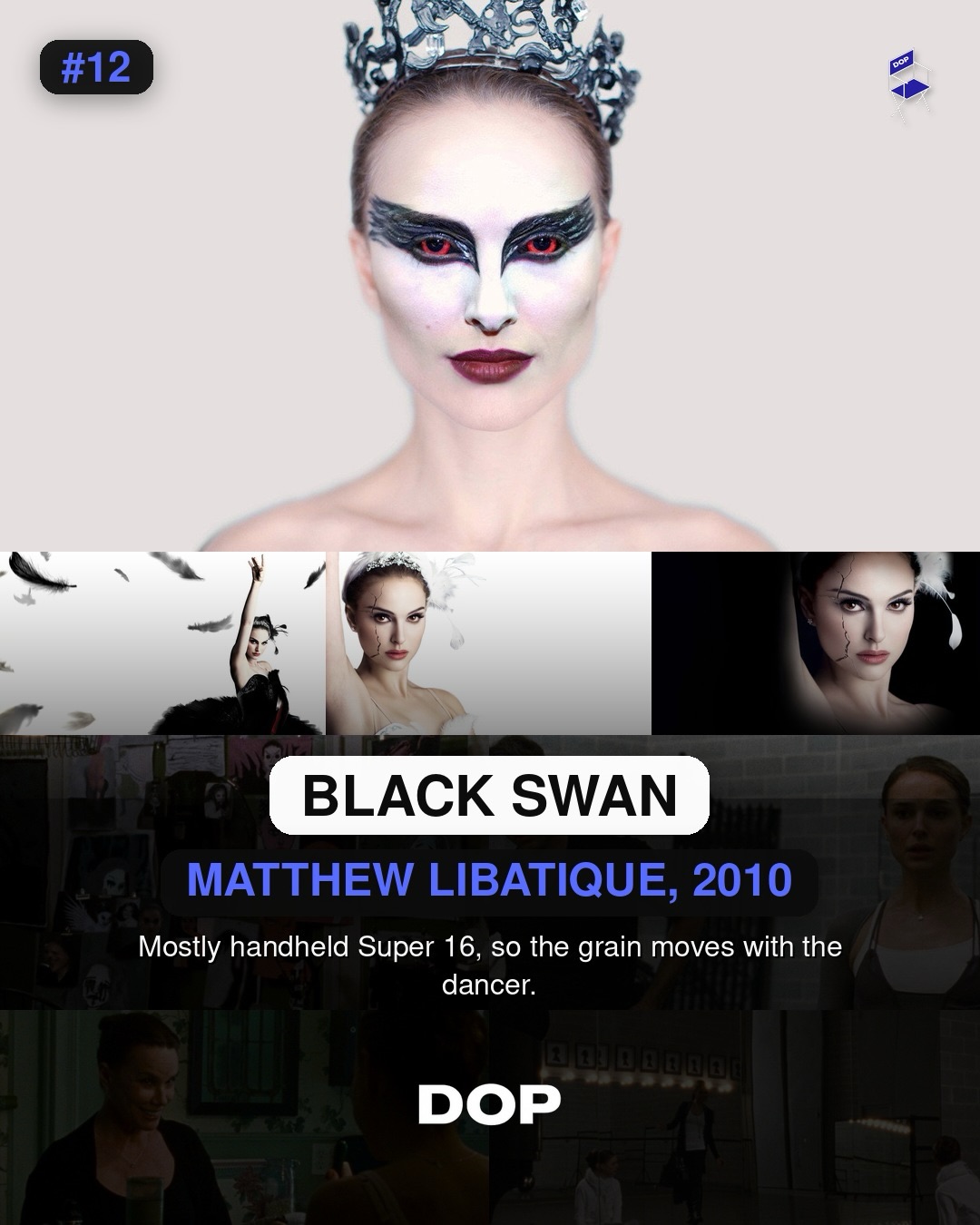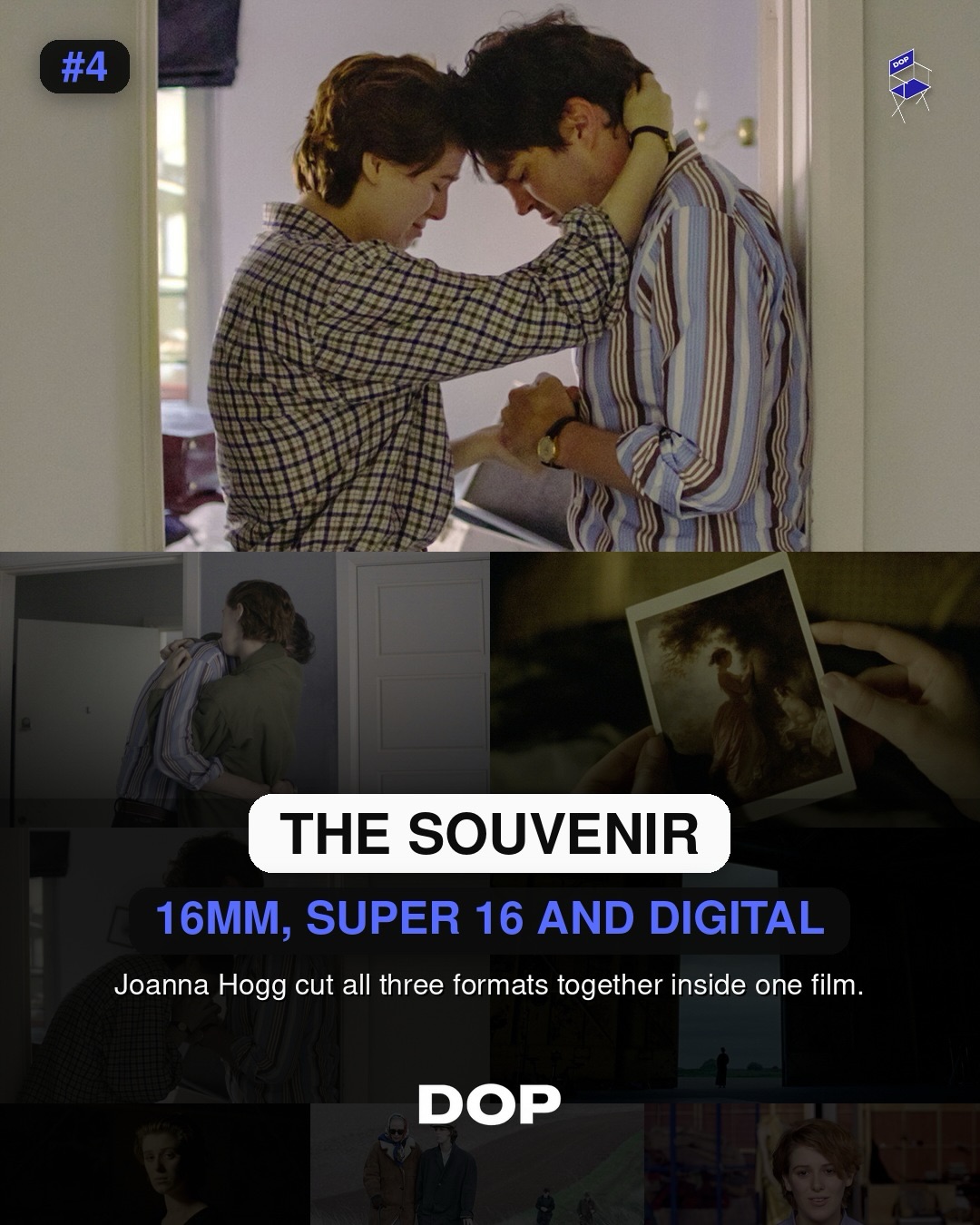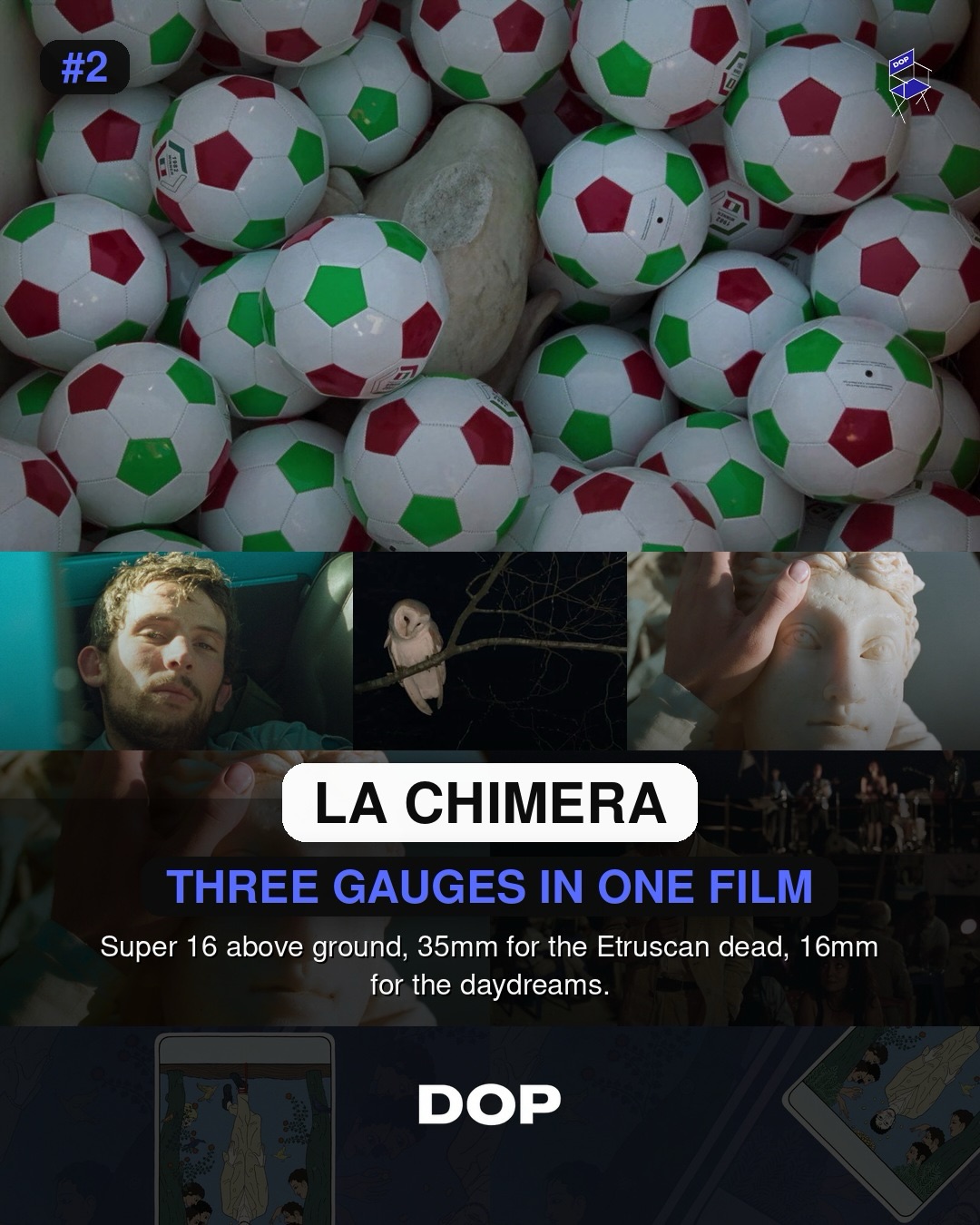
In an industry increasingly driven by the relentless march of technological advancement, where 8K sensors and AI-powered post-production promise ever-greater fidelity, there remains a curious, defiant undercurrent. A movement, if you will, where some of the most celebrated cinematographers deliberately turn their backs on digital perfection, opting instead for the rich, imperfect allure of Super 16mm film. This isn't mere nostalgia; it's a profound artistic choice, a recognition that certain stories demand a specific visual language that only film, with its inherent grain, organic color rendition, and unique optical qualities, can truly articulate.
Consider the visceral immediacy of Kathryn Bigelow’s The Hurt Locker. Cinematographer Barry Ackroyd BSC, renowned for his vérité style, deployed no fewer than four Super 16mm cameras, primarily Arri SR3s, to plunge audiences into the chaos and tension of bomb disposal in Iraq. The choice was deliberate and impactful. The smaller, lighter 16mm cameras allowed for unparalleled agility, enabling operators to move with the soldiers, capturing the raw, unpolished reality of combat. The coarser grain structure inherent to the format, especially when pushed, imbued the imagery with a documentary-like grittiness, a sense of lived experience that a clean, high-resolution digital image might have sanitized. It wasn't about pristine clarity; it was about palpable authenticity.
The Emotional Resonance of Format
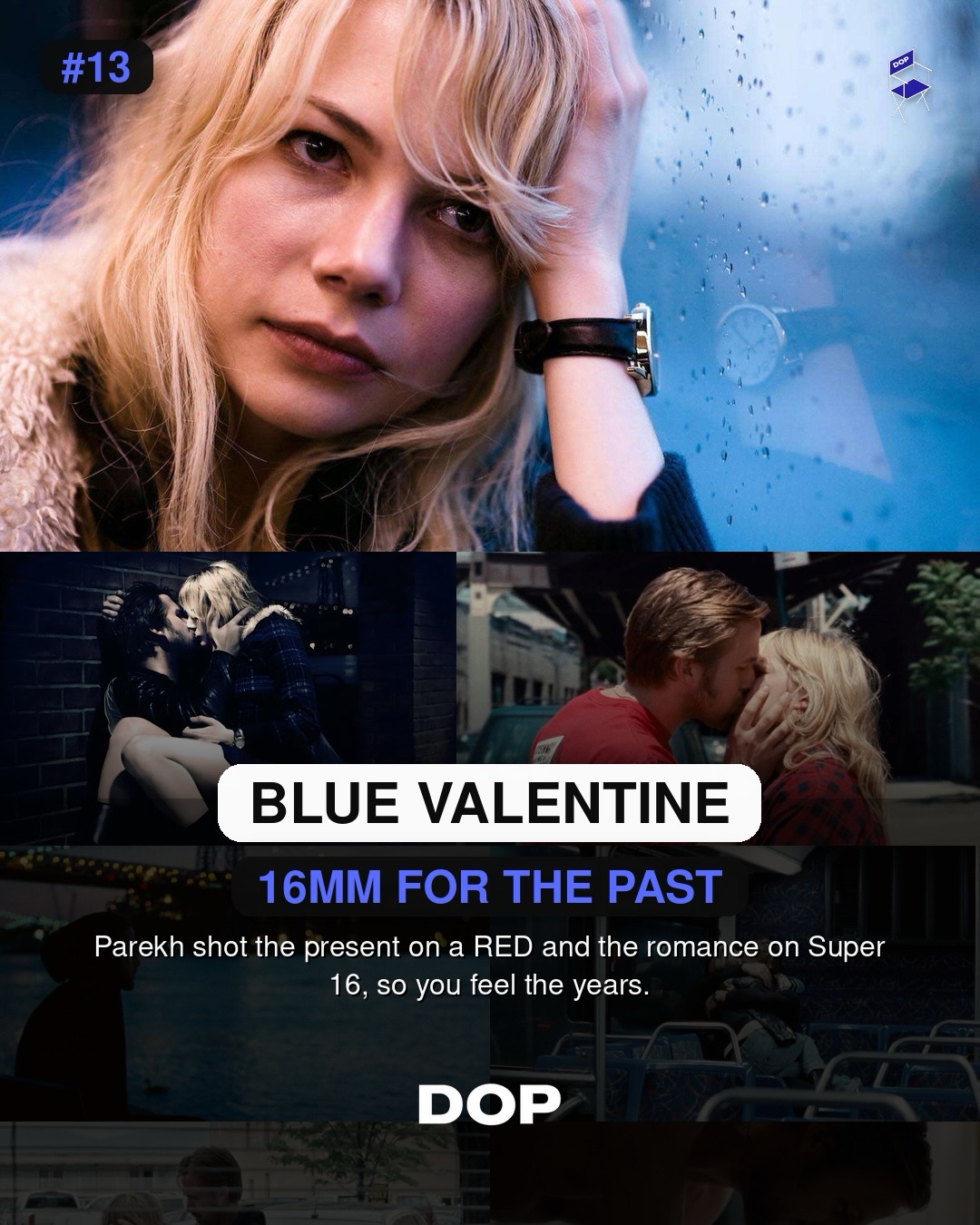
The power of film, particularly 16mm, often lies in its ability to evoke emotional states and temporal shifts. Andrij Parekh ASC, in Derek Cianfrance's heart-wrenching Blue Valentine, masterfully leveraged this. For the film’s present-day narrative, Parekh opted for the RED ONE, capturing the stark, often painful realities of a dissolving marriage with digital precision. But for the tender, romantic flashbacks depicting the couple's idyllic beginnings, he switched to Super 16mm, primarily using an Arri 416. This wasn't a casual choice; it was a narrative device. The softer contrast, the subtle color shifts, and the inherent grain of 16mm lent these past moments a dreamlike, almost nostalgic quality. It created a visual distinction that allowed the audience to feel the passage of time, the bittersweet ache of what was lost, far more effectively than a mere color grade could achieve.
“16mm isn't just a format; it's a texture, a feeling, a direct connection to the tactile nature of filmmaking that digital often struggles to replicate.”
This deliberate contrast in formats is a profound statement on how the medium itself can shape perception and emotional response. The 'imperfections' of film, the grain, the slight light fall-off, the organic way colors bloom, become virtues, serving the story rather than detracting from it. It's a testament to a cinematographer's understanding that the choice of capture medium is as critical as the choice of lens or lighting instrument.
The Artisanal Touch: Bolex and Beyond
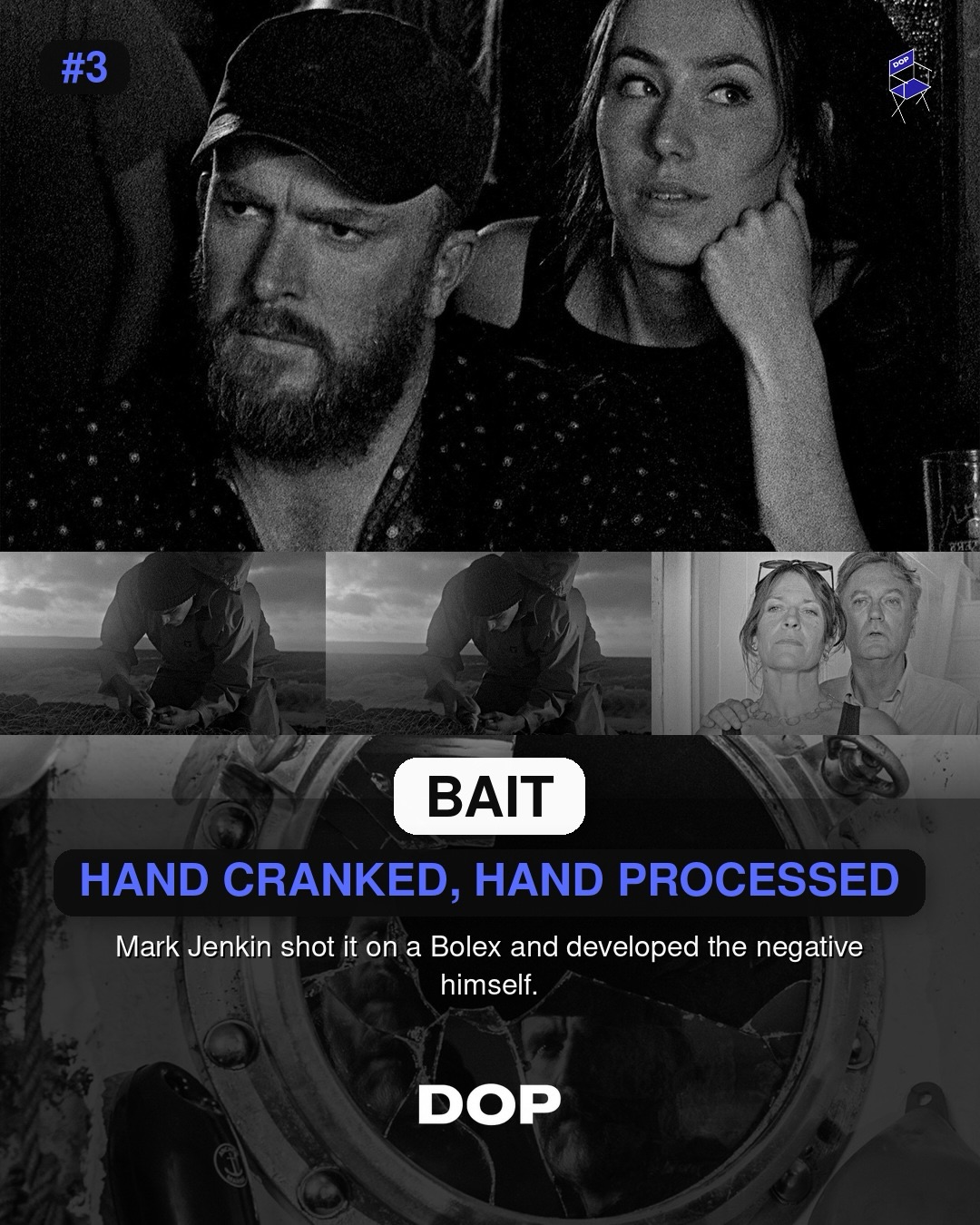
Perhaps no recent film embodies the artisanal spirit of 16mm more completely than Mark Jenkin's Bait. Shot on a hand-cranked Bolex H16 camera, the film is a masterclass in embracing the limitations and unique characteristics of a medium. Jenkin, who also developed the black-and-white negative himself, allowed the inherent scratches, dust, and imperfections to become an integral part of the film's aesthetic. This wasn't a happy accident; it was a deliberate artistic choice that mirrored the rugged, unpolished lives of his characters and the harsh Cornish landscape. The Bolex, with its clockwork mechanism and tactile operation, forced a slower, more deliberate pace of shooting, imbuing each frame with a sense of handcrafted authenticity. It’s a powerful counter-narrative to the idea that technological advancement always equates to artistic progress.
What, then, does 16mm offer that a sensor still cannot fully replicate? It's multifaceted. Firstly, the organic grain structure of film is fundamentally different from digital noise. Grain has a living quality, a random yet pleasing aesthetic that shifts and breathes. Digital noise, while improving, often appears more uniform and less organic. Secondly, film's dynamic range and highlight retention, particularly in overexposed areas, can still render a more pleasing, natural roll-off than many digital sensors. The way film handles color, too, with its inherent chemical properties, often results in a subtle, nuanced palette that feels distinct from digital's often more clinical rendition.
Furthermore, the physical act of shooting on film, the loading of magazines, the limited run times, the anticipation of dailies, fosters a different mindset on set. It encourages precision, intentionality, and a deeper connection to each frame. It's a reminder that cinematography is not just about capturing light; it's about making deliberate, artful choices at every stage of the process, from the initial exposure to the final print.
In a world saturated with hyper-real digital imagery, the embrace of 16mm film by these visionary DPs serves as a vital reminder. It demonstrates that the pursuit of artistic expression sometimes requires looking beyond the latest technical specifications and instead, finding power in the tactile, the imperfect, and the profoundly human qualities of a medium that continues to defy obsolescence.