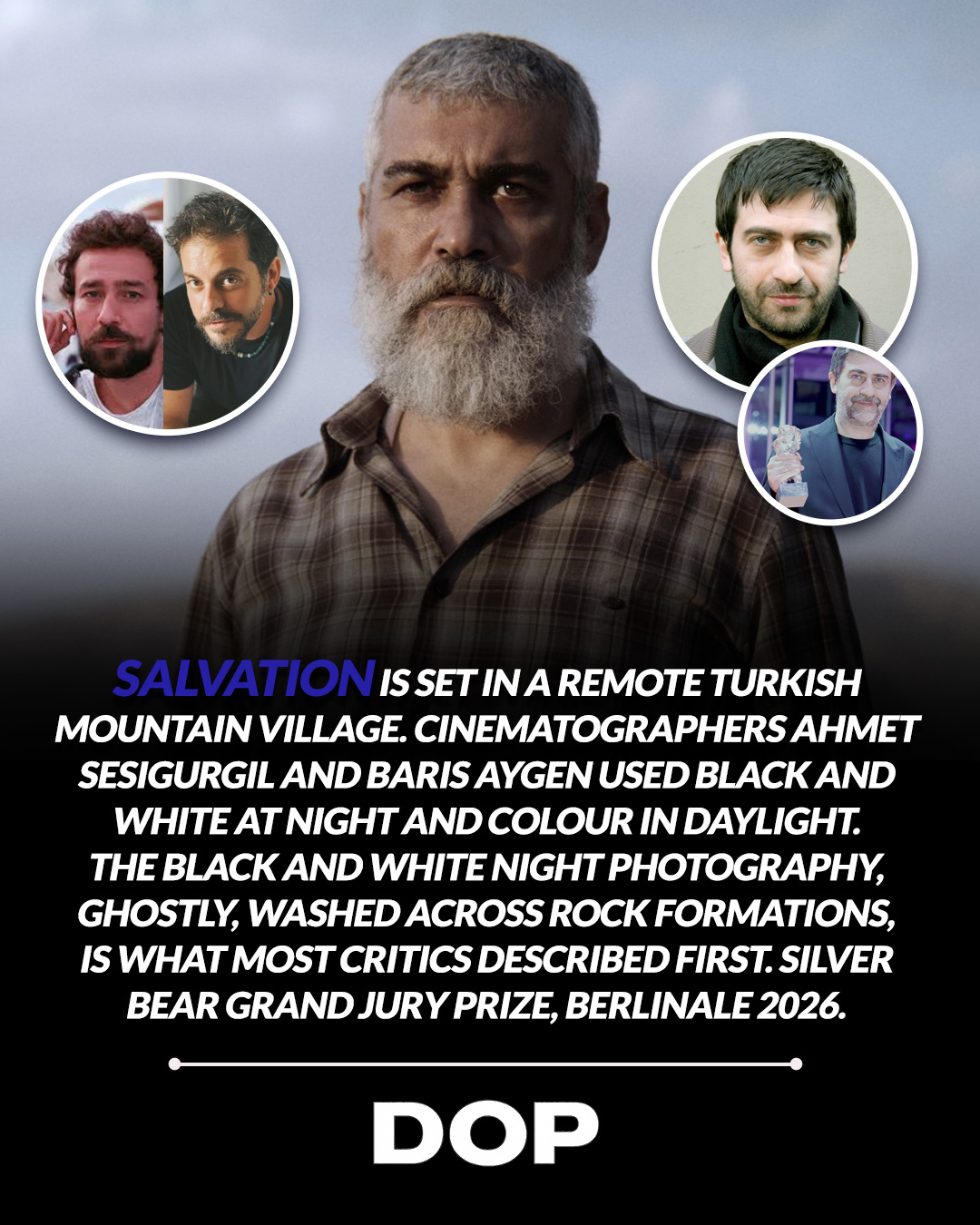
Emin Alper’s Salvation (Kurtulus), a haunting narrative set in a remote Anatolian mountain village, captivated critics and juries alike, culminating in the prestigious Silver Bear Grand Jury Prize at Berlinale 2026. While the film’s narrative depth and Alper’s direction are undeniable, it was the audacious and meticulously executed cinematography by Ahmet Sesigurgil and Baris Aygen that truly set it apart. Their decision to bifurcate the visual language, embracing black and white for night sequences and vibrant color for daylight, wasn't merely a stylistic flourish; it was a profound thematic choice that elevated the film's emotional and narrative impact.
The immediate critical response, particularly from outlets like The Film Verdict, honed in on the 'ghostly black-and-white night photography.' This isn't surprising. In an era often dominated by hyper-realistic digital imagery, the return to monochromatic expression, especially for nocturnal scenes, carries an inherent weight. Sesigurgil and Aygen utilized this to masterful effect, transforming the 'endless rock formations of an Anatolian valley' into a landscape of stark contrasts and unsettling shadows. The absence of color at night strips away the comforting familiarity of the everyday, plunging the audience into a primal, almost mythical realm where ancient feuds and tribal tensions fester under the moonlit expanse. This choice is particularly potent given the film's exploration of two Kurdish tribal clans, whose conflicts often feel rooted in a timeless, almost pre-modern struggle.
Crafting a Cohesive Dual Aesthetic
The logistics of two cinematographers sharing a credit on a project of this ambition demand an extraordinary level of collaboration and pre-visualization. Sesigurgil and Aygen’s visual grammar for Salvation is a testament to this discipline. The B&W-at-night, color-in-daylight system wasn't a suggestion; it was a rigid, unyielding rule. This required extensive pre-production discussions, not just about the aesthetic intent, but about the practicalities of implementation. Imagine the detailed planning required for exposure targets, ensuring that the black and white sequences maintained a consistent, evocative mood, regardless of the specific lighting conditions or the operating DP. The development path for the black and white negative, whether digital emulation or actual film stock, would have been rigorously tested to achieve that 'ghostly' quality.
“The dual visual language of Salvation is more than a stylistic choice; it's a narrative engine, pushing the audience into the psychological depths of its characters and the ancient rhythms of its setting.”
For the daylight sequences, the challenge shifted to color temperature management and the overall color science. The transition from the stark monochrome to the rich, earthy tones of the Anatolian landscape needed to feel organic, not jarring. THR's praise for the camerawork as 'fluid, snaking with grace and agility through the paths that break up the village' speaks to the seamless execution of this transition. This fluidity suggests a consistent approach to camera movement, framing, and lens choices, regardless of the time of day or the DP behind the camera. The choice of lenses, for instance, would have been critical, perhaps opting for optics that offer a certain character in color, yet translate beautifully into nuanced grayscale for the night scenes, avoiding harshness or overly clinical representations.
Thematic Resonance Through Visual Division
Beyond the technical prowess, the genius of Sesigurgil and Aygen’s approach lies in its profound thematic resonance. The division between black and white and color mirrors the internal and external conflicts within the narrative. Night, often a time of secrecy, fear, and unresolved tensions, is perfectly encapsulated by the stark, unforgiving nature of monochrome. It emphasizes the moral ambiguities, the shadows lurking within human hearts, and the ancient, unchanging aspects of the tribal conflict. Daylight, conversely, brings with it a sense of exposure, perhaps even a fleeting hope, and the vibrant reality of the natural world, even as it remains entangled in human drama. The color palette during the day likely leaned towards the naturalistic, allowing the textures of the landscape and the faces of the characters to speak volumes.
This bold cinematographic choice positions Salvation not just as a film with striking visuals, but as a masterclass in how visual grammar can profoundly inform storytelling. It forces the audience to actively engage with the film's changing moods and perspectives, making the viewing experience deeply immersive. Sesigurgil and Aygen have not only delivered an award-winning piece of cinematography but have also provided a compelling case study for DPs on the power of cohesive visual strategy, even when executed by multiple hands, and the enduring impact of thoughtful stylistic choices.
This article contains affiliate links. We may earn a small commission at no extra cost to you. Learn more.