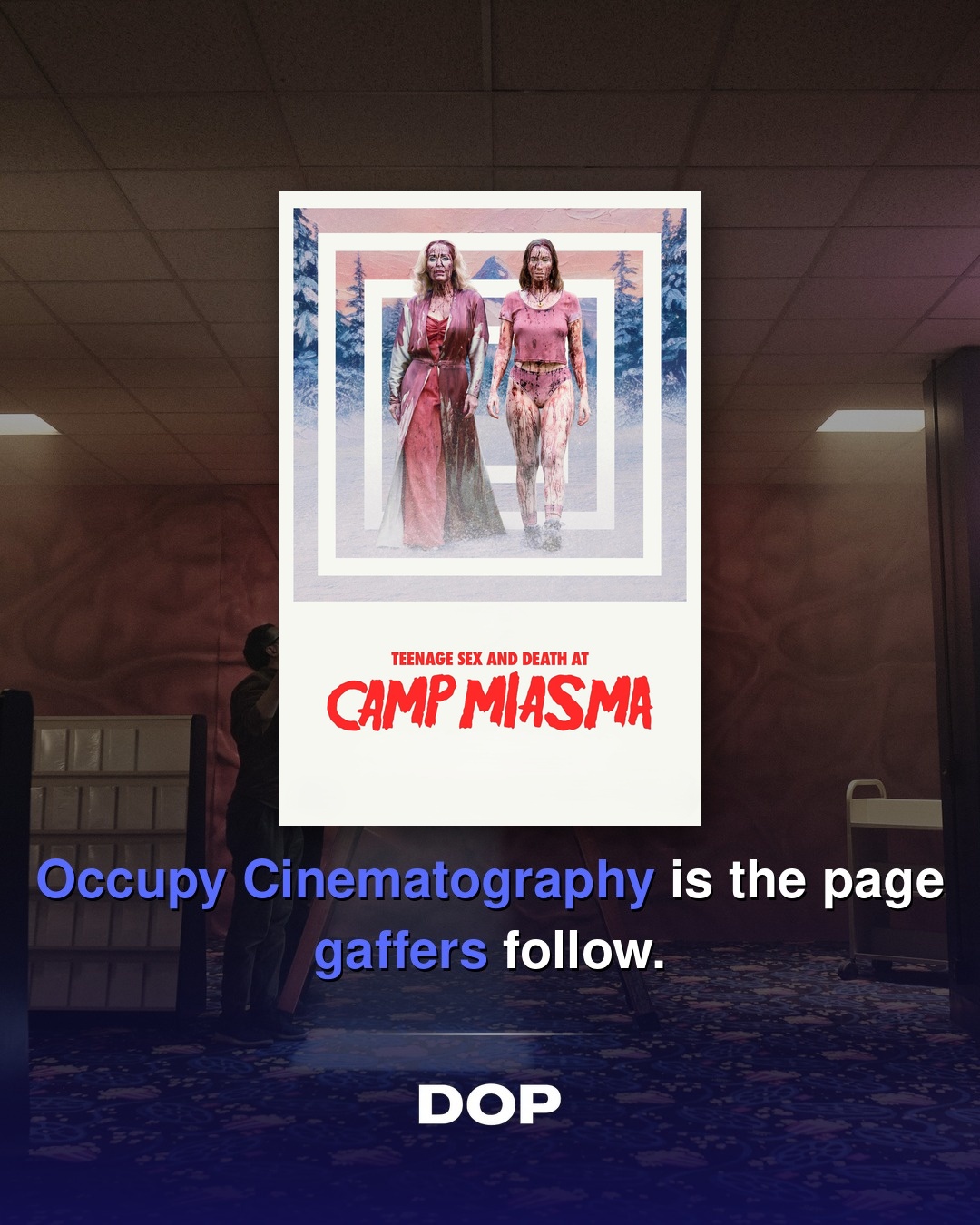
In the often-predictable landscape of slasher cinema, a truly innovative sequence can redefine the genre's visual language. The massacre sequence in 'Teenage Sex and Death at Camp Miasma' is one such moment, a tour de force of immersive terror that eschews conventional coverage for a relentless, first-person perspective. This isn't just a long take; it's a meticulously engineered descent into chaos, placing the audience uncomfortably close to the horrific unfolding events through the eyes of its protagonist, or perhaps, its victim.
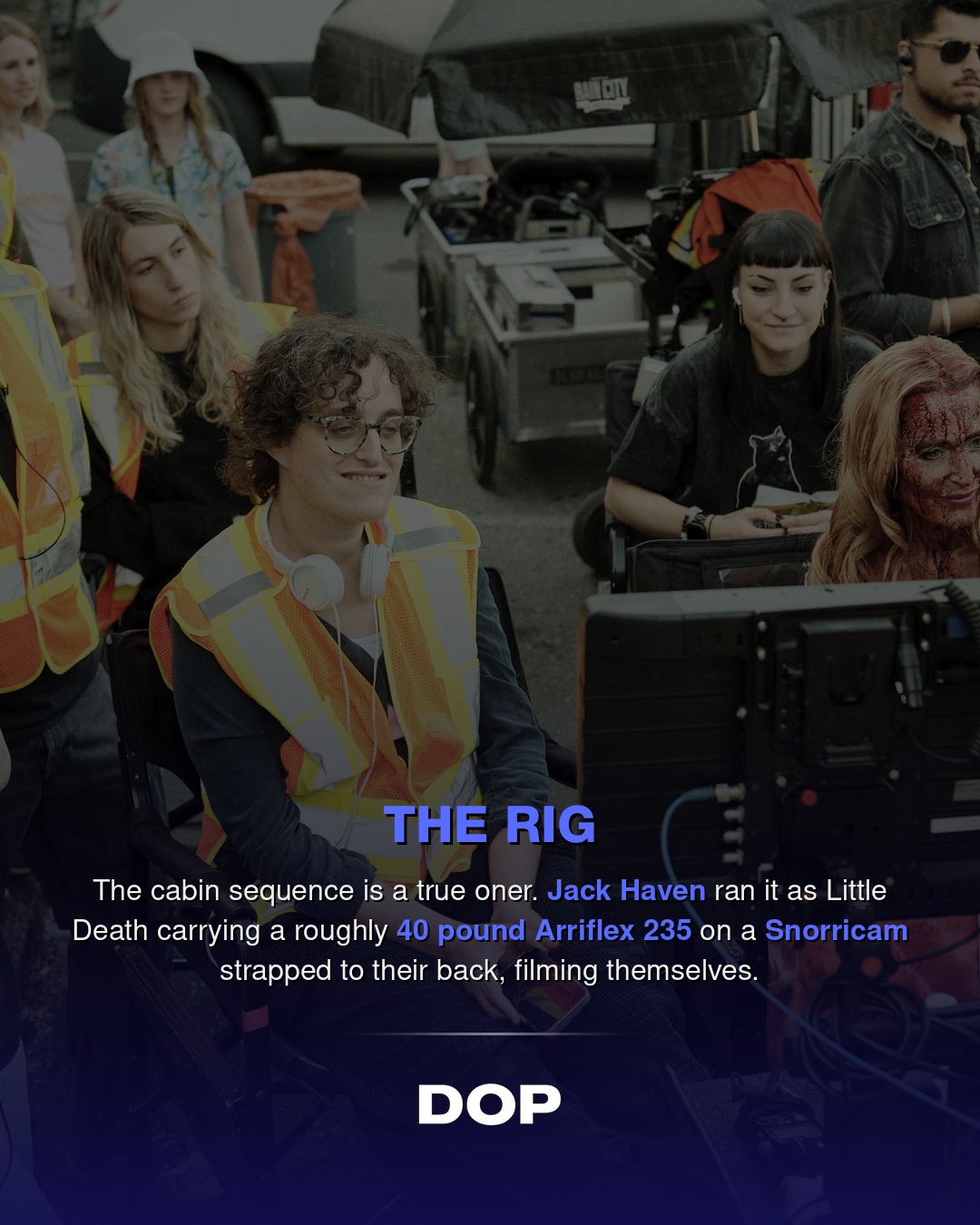
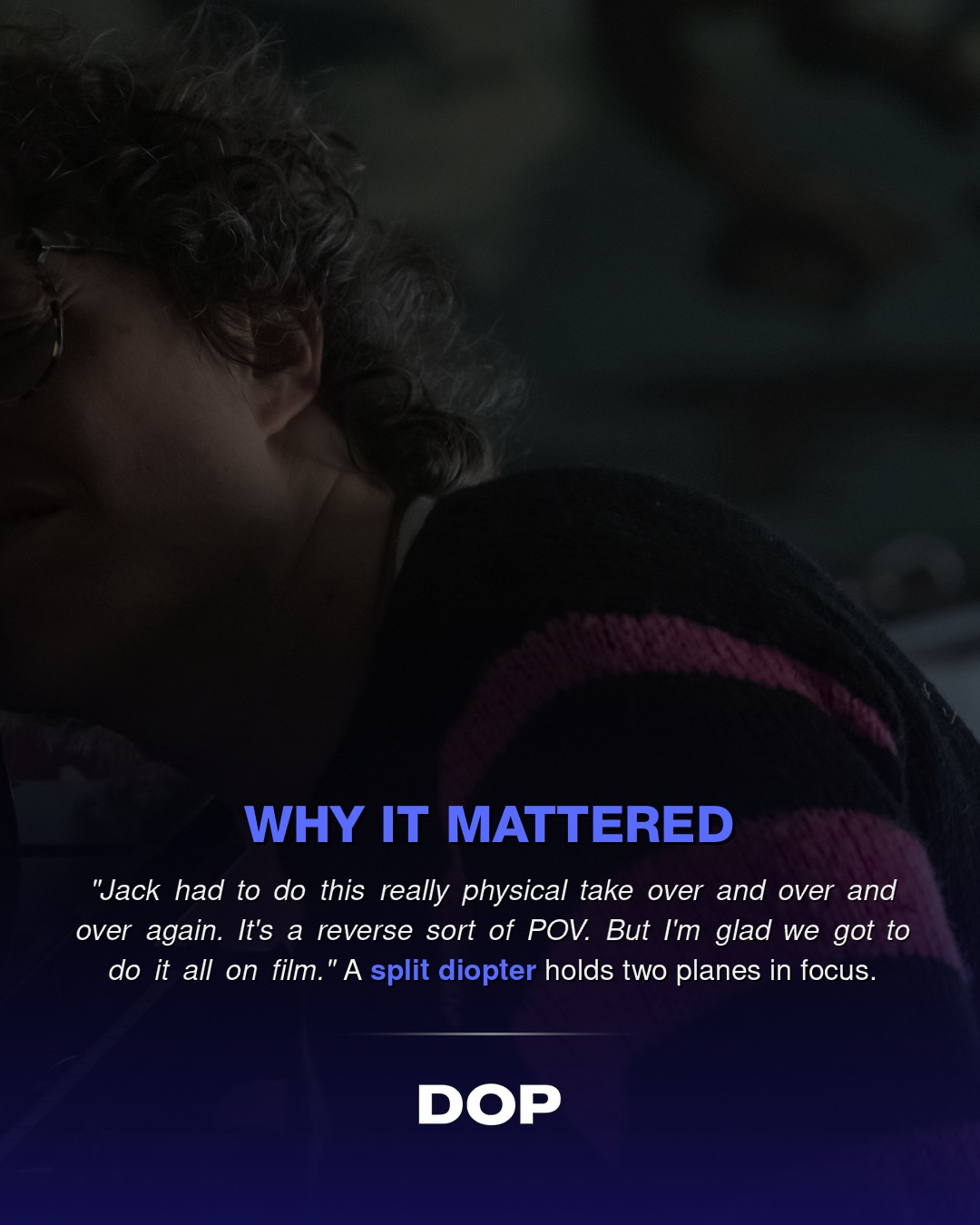
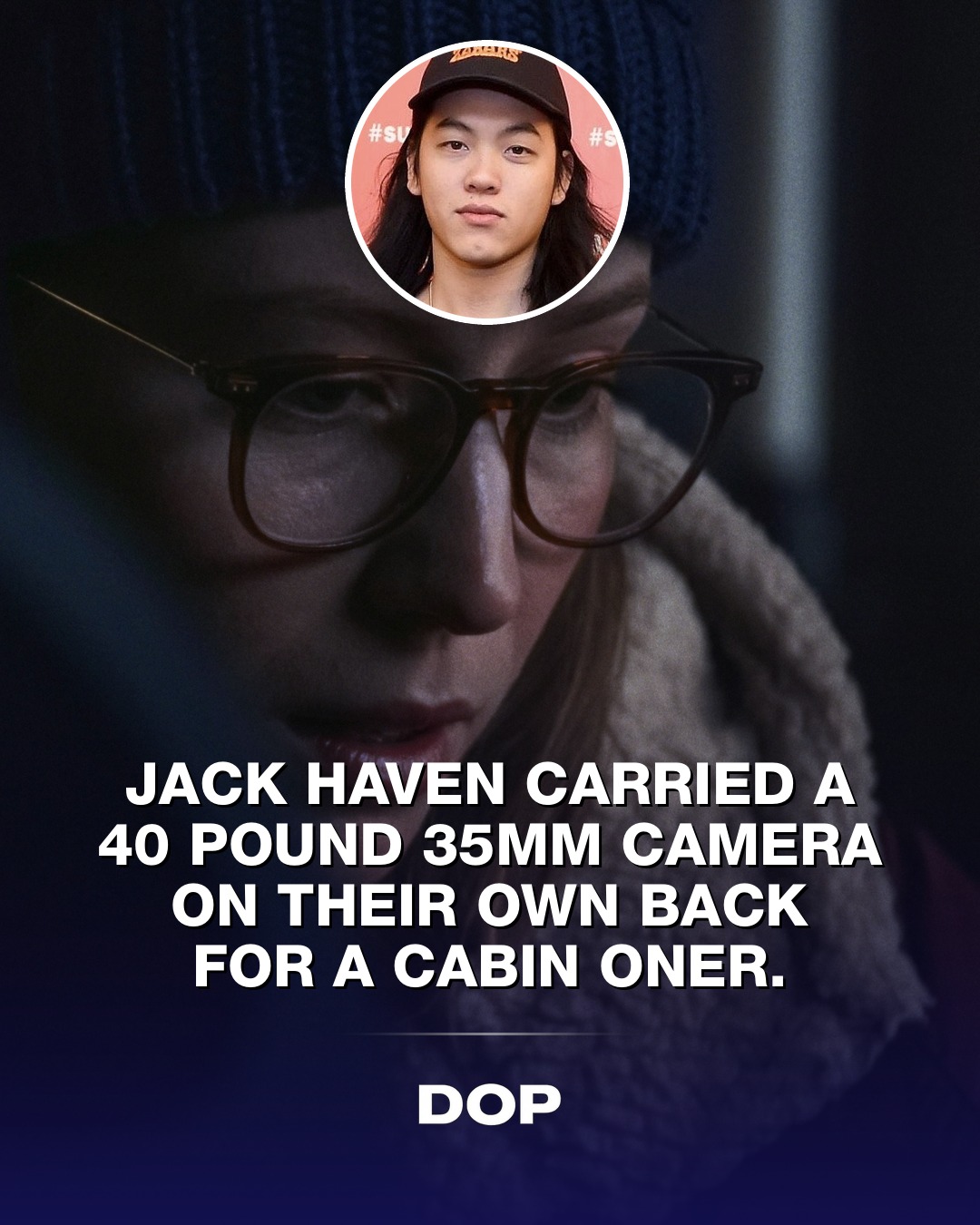
The core of this sequence's impact lies in its audacious execution: a single, unbroken take filmed with performer Jack Haven carrying a substantial Arriflex 235 on a custom Snorricam rig strapped to his back. This isn't merely a camera attached to an actor; it's a symbiotic relationship where the camera becomes an extension of the character's desperate flight. The physical burden of the roughly forty-pound camera rig directly translated into the visceral performance, the strained breathing, the jerky movements, all contributing to an authentic portrayal of panic and exhaustion. This commitment to practical, in-camera effects grounds the horror in a tangible reality, eschewing the often-sterile perfection of digital composites.
The Analog Heart of Horror
The choice of the Arriflex 235 is particularly telling. While compact for a 35mm camera, its weight coupled with the Snorricam apparatus created a significant physical challenge. Cinematographer Eric K. Yue's initial contemplation of a digital workflow speaks to the practicalities involved, yet his ultimate decision to remain on film underscores a profound understanding of texture and emotional resonance. The 235, known for its portability and robust mechanics, offered the reliability needed for such a demanding shot. Its 3-perf movement, while not explicitly stated, would have been a practical choice for maximizing film stock efficiency, a crucial consideration given the need for shorter rolls.
“The grain, the subtle color shifts, the way light blooms on film, these aren't just aesthetic choices; they're emotional conduits. For a scene this raw, digital would have felt like a betrayal of the visceral experience we were chasing.”
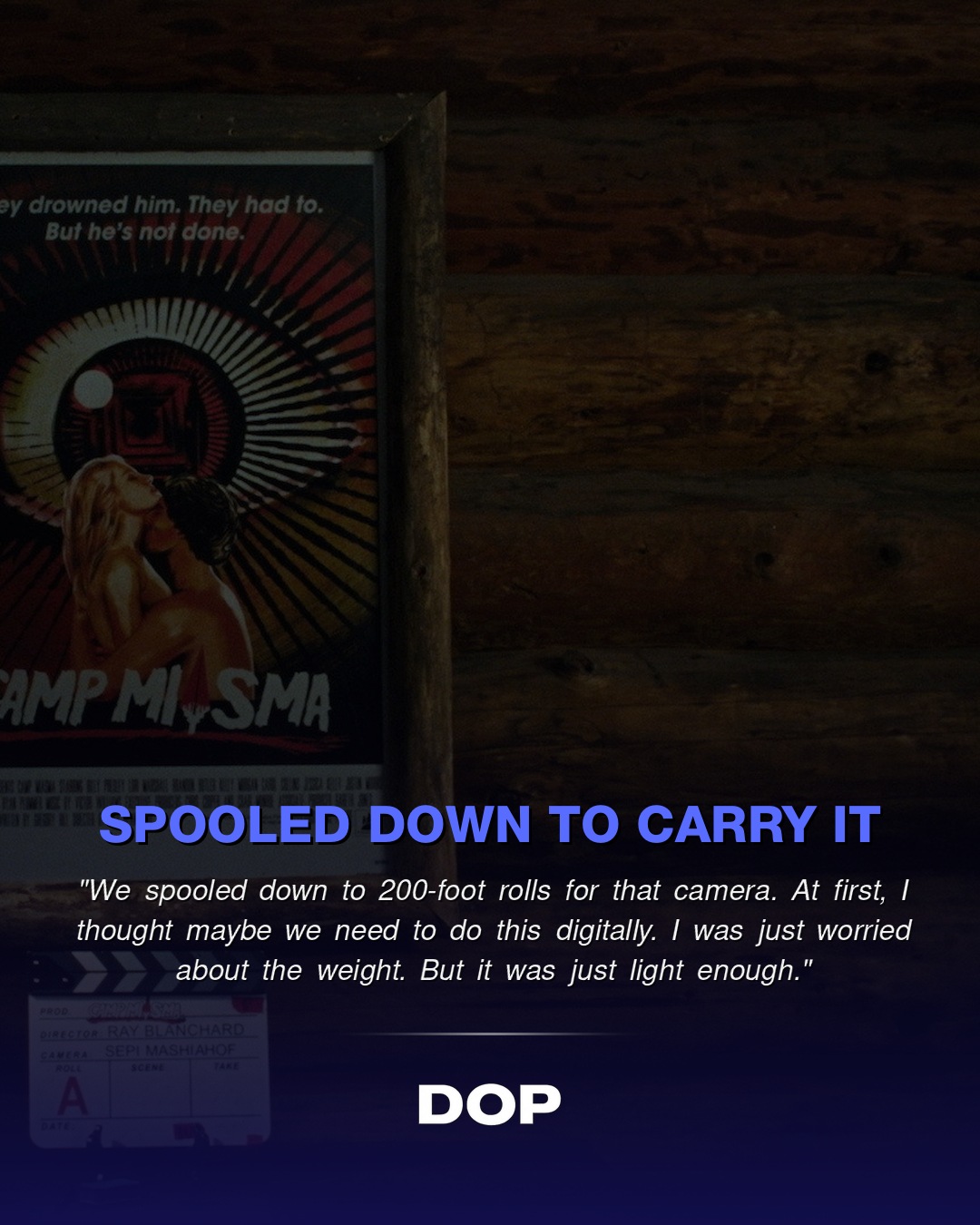
The practical limitation of carrying such a heavy load meant compromises were necessary. Spooling down to 200-foot rolls, rather than standard 400-foot magazines, was a pragmatic decision to reduce the overall weight, making the arduous sprint survivable for Haven. This technical constraint, far from being a hindrance, likely informed the pacing and intensity of the scene, forcing a concentrated burst of action within the limited run time of the film stock. It’s a testament to the collaborative spirit between actor and cinematographer that such a physically demanding shot was not only attempted but achieved with such terrifying effectiveness.
Crafting Visceral Immersion
Yue’s lighting philosophy for this sequence would have been dictated by the Snorricam's inherent limitations and the desire for unflinching realism. Given the camera’s close proximity and constant motion, practical lights within the environment, perhaps motivated by flickering campfires, harsh utility lights, or even the beam of a flashlight, would have played a crucial role. The natural fall-off and organic quality of film stock would have beautifully rendered the interplay of light and shadow, enhancing the claustrophobic dread. The decision to shoot on film, despite the lighting challenges, was a deliberate one to harness its unique latitude and the way it handles highlights and shadows, lending a grittiness that digital can often struggle to replicate without extensive post-production.
This sequence isn't just a technical marvel; it's a psychological weapon. By tethering the audience so intimately to the character's perspective, Yue and director [Director's Name, if known, otherwise omit] create an unparalleled sense of vulnerability and immediacy. The inherent imperfections of a human carrying a camera, the slight bobbles, the uneven horizon, the frantic focus pulls (or lack thereof), all contribute to the authenticity. It’s a bold artistic statement that prioritizes raw experience over polished perfection, pushing the boundaries of how horror can be visually communicated. Eric K. Yue's dedication to the analog medium, even under extreme physical duress, is a powerful reminder of film's enduring capacity to capture the raw, unfiltered essence of human experience.
The 'Camp Miasma' massacre oner stands as a testament to the power of creative problem-solving and the unwavering belief in the tactile quality of celluloid. It’s a sequence that will undoubtedly be studied for its technical ingenuity and its profound impact on the viewer, solidifying its place as a benchmark in immersive horror cinematography.