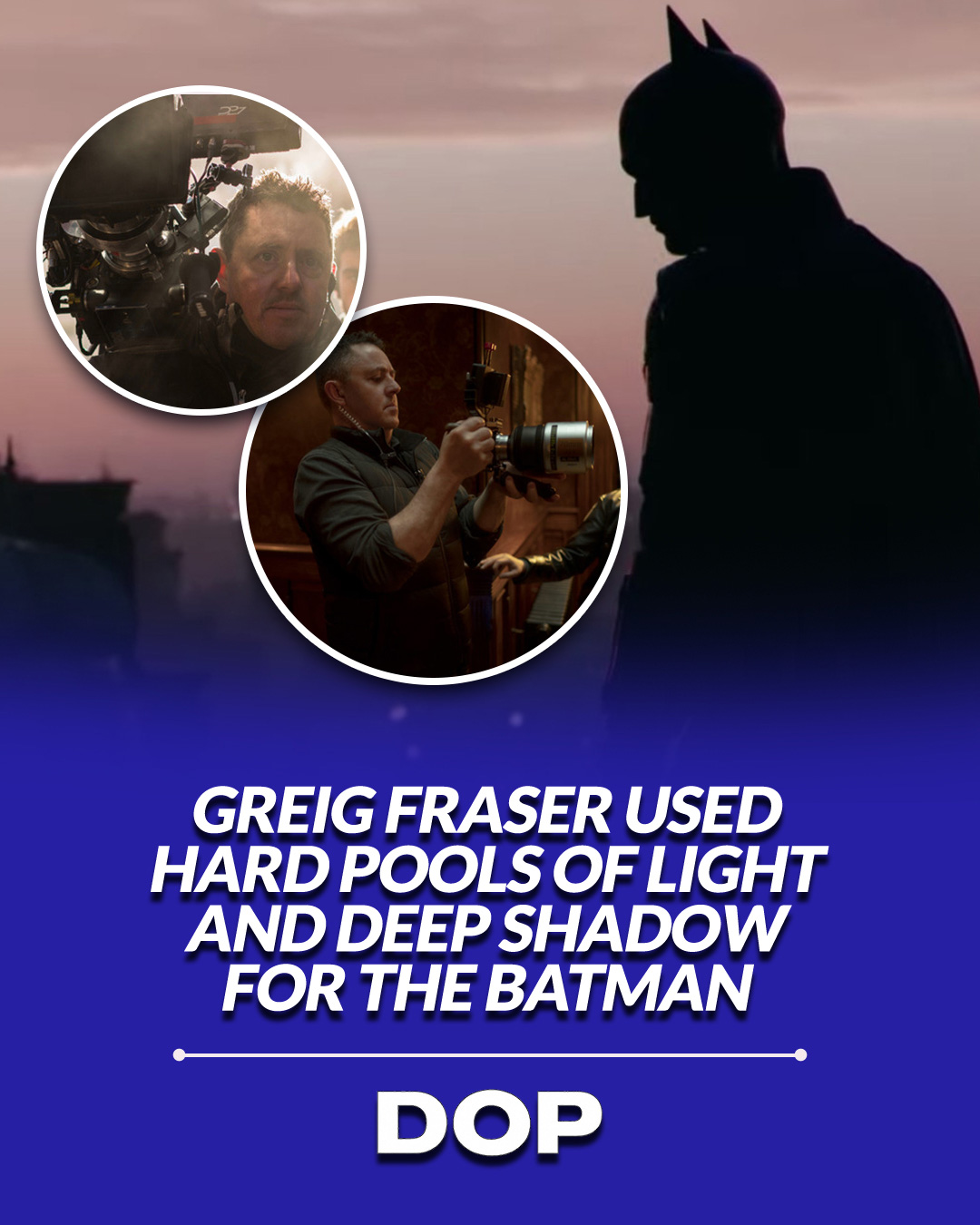
Greig Fraser ASC, ACS, is a cinematographer who understands the profound power of darkness. In Matt Reeves' The Batman, Fraser didn't just light a movie; he sculpted a world out of shadow and motivated illumination, transforming Gotham City into a character as brooding and complex as its caped crusader. This isn't your typical brightly lit superhero romp; it's a masterclass in chiaroscuro, where every pool of light is hard-won and every expanse of darkness holds both menace and mystery.
Fraser's approach to Gotham is a deliberate rejection of the often-overlit aesthetic that has permeated many modern blockbusters. Instead, he embraces a philosophy of 'motivated darkness.' Streetlights, neon signs, flickering headlights, the harsh glow of computer screens, these are not merely practical sources but integral narrative tools. They serve as the primary illuminators, carving out figures and environments from an almost oppressive gloom. This commitment to realism, even within a fantastical setting, grounds The Batman in a tactile, almost tangible reality, making the stakes feel higher and the world more immediate.
The Art of Negative Space
One of the most striking aspects of Fraser's cinematography in The Batman is his fearless embrace of negative space. He actively resists the urge to 'fill in' every corner of the frame, a common practice designed to ensure audience comprehension. If a character steps out of a motivated light source, they are often plunged into absolute darkness, their presence implied rather than explicitly shown. This isn't a deficiency in lighting; it's a deliberate artistic choice that heightens tension and amplifies the impact of every fleeting moment of illumination.
"If a character steps out of the light, they're gone. That makes every flare of a flashlight or burst of gunfire feel like a violent act of illumination."
Consider the scene where Batman navigates a dark corridor, his flashlight beam cutting through the inky blackness. Each sweep of light isn't just revealing information; it's an aggressive act, a momentary defiance of the pervasive gloom. Similarly, the explosive muzzle flash of a gun isn't just a visual cue for violence; it's a blinding, momentary burst that rips through the darkness, leaving an afterimage of chaos. This technique elevates mundane actions into cinematic events, making the audience acutely aware of the preciousness and vulnerability of light in this version of Gotham.
Technical Mastery and Noir Sensibility
Achieving this level of controlled darkness requires immense technical precision and a deep understanding of light ratios. Fraser and his team, including gaffer Adam Chambers, utilized a range of cutting-edge tools and classic techniques. The film was primarily shot on ARRI Alexa LF and Mini LF cameras, known for their exceptional dynamic range and low-light performance. This choice allowed Fraser to capture rich detail in the highlights while retaining information in the deep shadows, providing ample latitude for grading.
Lenses played a crucial role in shaping the film's aesthetic. Fraser often opted for vintage anamorphic glass, such as the rehoused Canon K35s and ARRI/Zeiss Master Anamorphics, to achieve a slightly softer, more organic look with characteristic flares and fall-off that further accentuated the motivated light sources. The subtle imperfections of these lenses contribute to the film's gritty, lived-in feel, eschewing the pristine clarity often associated with digital cinematography.
The lighting philosophy leaned heavily on practicals and large, soft sources that could be shaped and controlled with precision. LED technology, particularly units like ARRI SkyPanels and LiteGear LiteMat Spectrum, allowed for fine-tuning of color temperature and intensity, ensuring that every motivated source felt authentic to the environment. The result is a palette dominated by steely blues, deep greens, and amber streetlights, punctuated by the occasional vibrant neon, all contributing to a distinctly neo-noir atmosphere.
A Grounded Superhero Narrative
Fraser's masterful use of light and shadow gives The Batman a distinct noir edge without ever veering into caricature. It’s a sophisticated interpretation that understands the inherent drama of concealment and revelation. By resisting the urge to over-light, he grounds the fantastical elements of the superhero genre in a tangible, almost suffocating reality. This isn't just a stylistic choice; it's a narrative one. The darkness becomes a metaphor for the city's corruption, Batman's internal struggles, and the moral ambiguities that permeate Gotham.
For cinematographers, The Batman serves as a powerful reminder: restraint can be a potent weapon. The judicious application of fill light, the careful planning of key directions, and a deep understanding of contrast ratios can elevate a film from merely informative to profoundly evocative. Fraser proves that even in a comic book movie, allowing the audience to occasionally get lost in the shadows can ultimately lead them to a deeper understanding of the story and its characters. It's a bold, uncompromising vision that reaffirms the power of cinematography as a primary storytelling tool.
This article contains affiliate links. We may earn a small commission at no extra cost to you. Learn more.