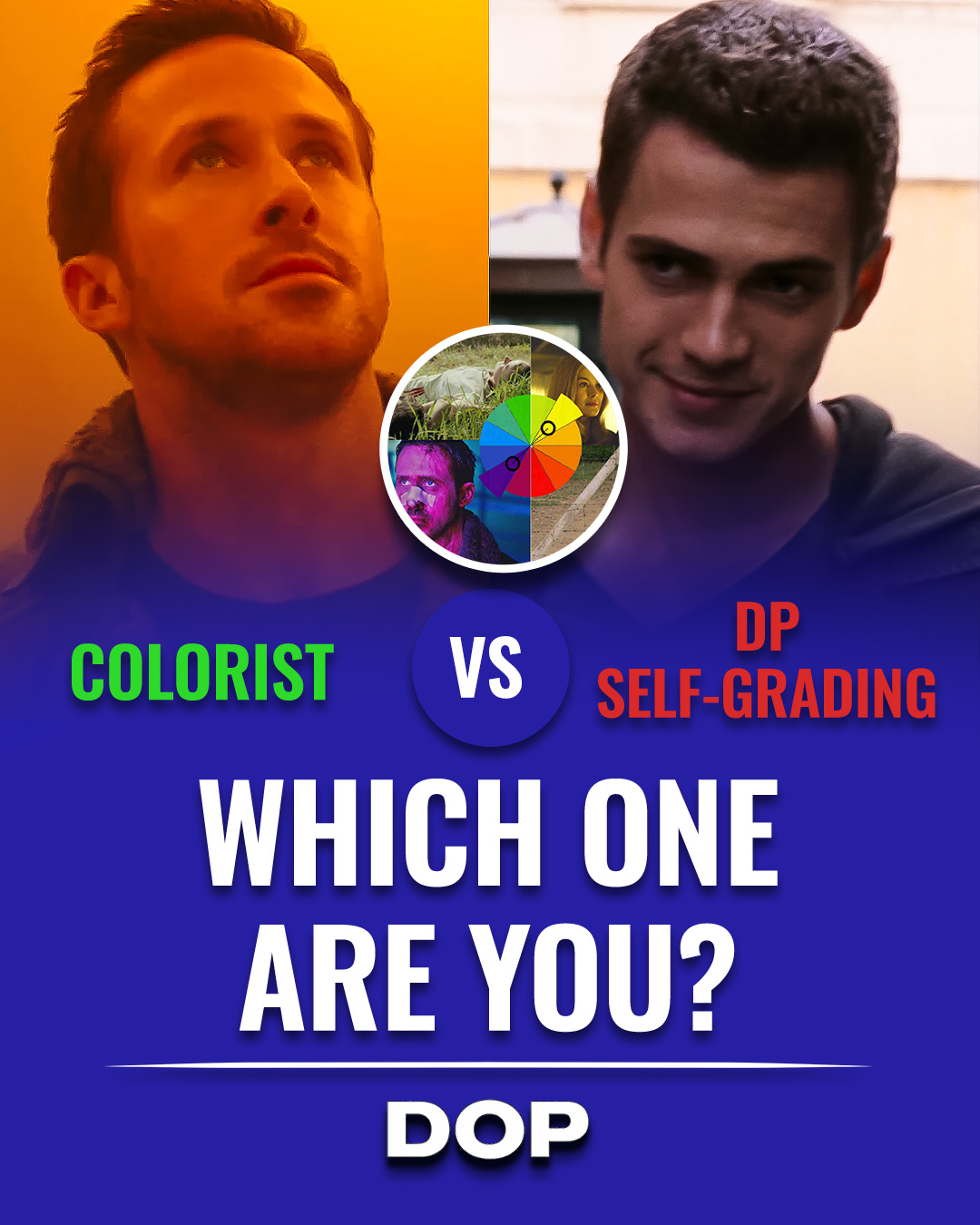
In the intricate ballet of filmmaking, the final image is a delicate tapestry woven by many hands. While the cinematographer is rightfully lauded for their on-set artistry, laying the very foundation of the visual language, the role of the colorist often remains a mysterious, almost alchemical process to those outside the post-production suite. The question of who should grade the footage – the DP themselves, or a dedicated colorist – is a perennial debate within our craft, and one that deserves a nuanced exploration.
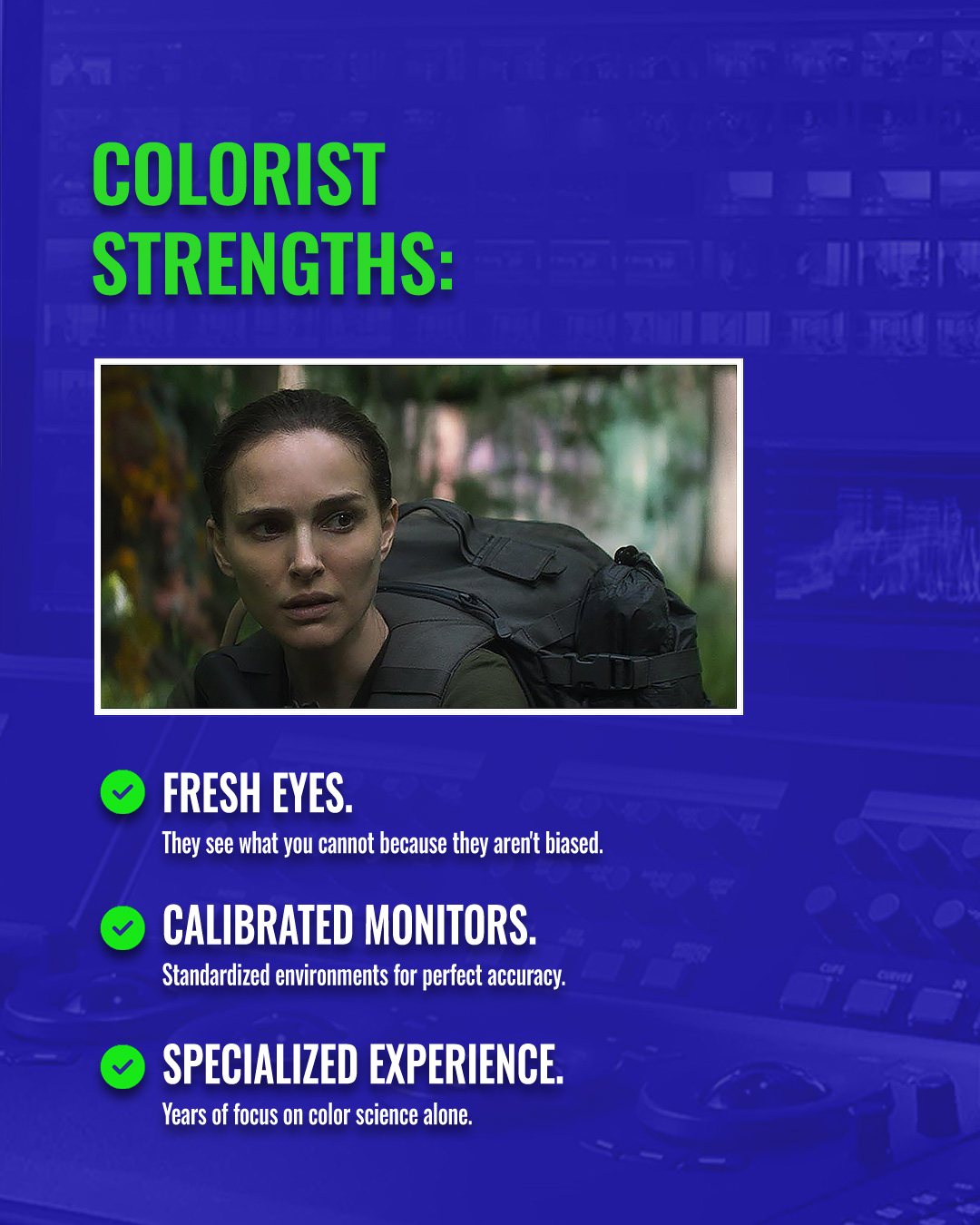
A dedicated colorist brings an invaluable, fresh perceptual perspective to footage. They encounter the material for the first time in a meticulously controlled environment, often a darkened room where calibrated reference monitors meet exacting DCI-P3 or Rec.2020 standards. This sterile, optimized viewing condition is a far cry from the often chaotic, imperfect monitoring solutions available on set. Furthermore, a professional colorist possesses years of specialized experience in sophisticated grading platforms like DaVinci Resolve, Baselight, or Lustre. Their expertise lies not just in technical proficiency, but in a refined understanding of color theory, emotional impact, and the subtle art of guiding the viewer's eye through light and shadow.
The DP's Intention vs. The Colorist's Objectivity
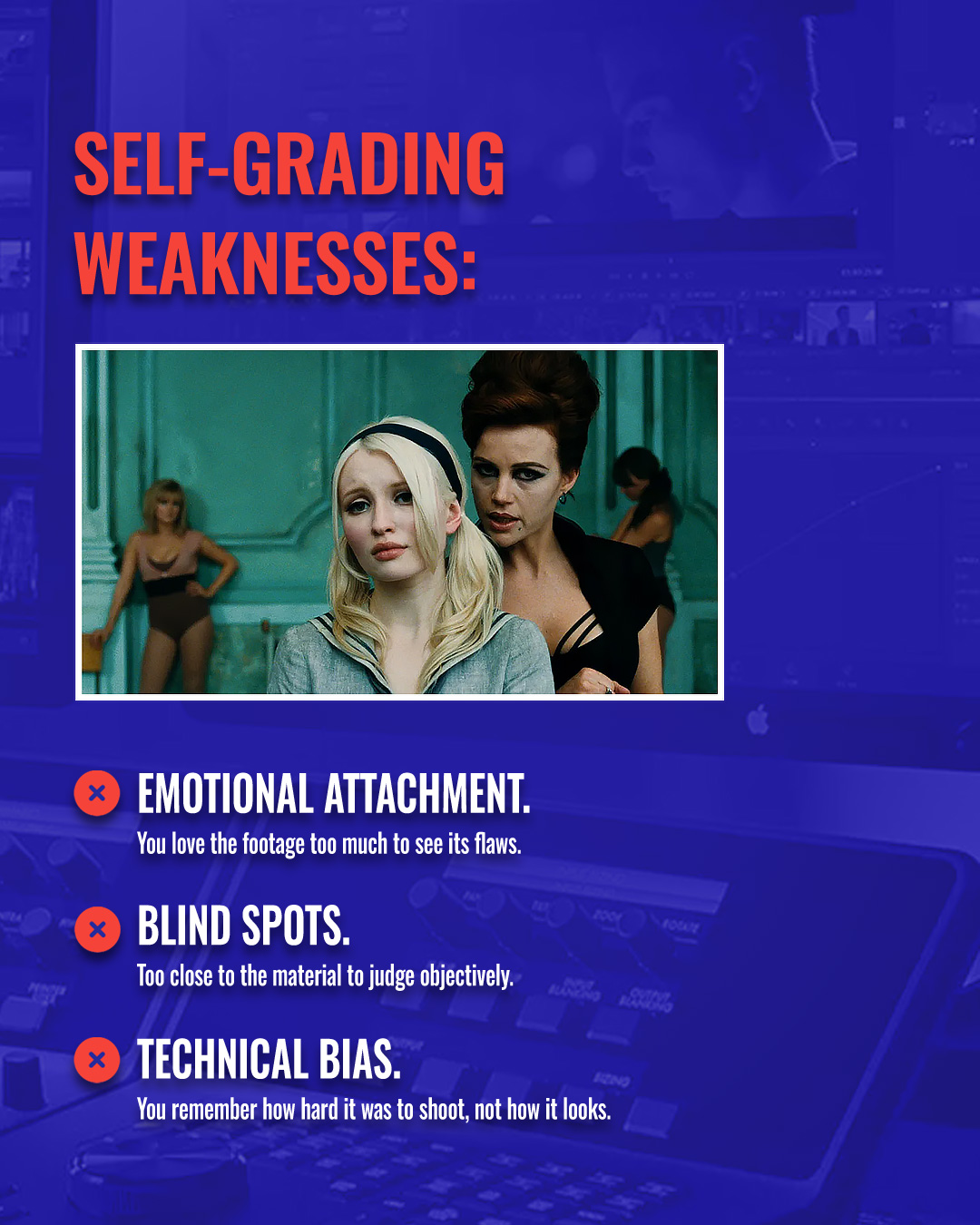
Conversely, a cinematographer grading their own footage brings an intimate, unparalleled knowledge of their intentions during the shoot. They understand the nuances of every lighting setup, the rationale behind each filter choice, and the specific mood they aimed to evoke at the moment of capture. This deep connection to the material can be a powerful asset, ensuring the final grade aligns perfectly with the original vision. However, this very intimacy can also be a double-edged sword. The emotional attachment and perceptual blind spots that arise from having been present during every moment of production can make objective evaluation incredibly difficult. It's akin to an author editing their own magnum opus without a proofreader – possible, yes, but the outcome is almost invariably improved by introducing a skilled professional with fresh eyes into the final stage.
"The most effective workflow is collaborative: the DP establishes visual direction through on-set lighting, filtration, and LUT design, and the colorist refines in a controlled environment using monitoring equipment the production set cannot replicate."
Consider the technical specifics: a DP on set might be shooting on an ARRI Alexa Mini LF with Signature Primes, meticulously crafting naturalistic skin tones and deep, rich blacks. They might have developed a custom LUT with their DIT to guide the on-set monitoring. This foundational work – the lighting philosophy, the lens choices that imbue a certain character, the sensor's inherent color science – is the DP's domain. The colorist then takes this meticulously captured raw data and, within the controlled environment of the grading suite, finesses it. They might push the boundaries of saturation in a specific hue, subtly lift shadows to reveal crucial detail, or craft a nuanced power window to draw attention to a character's eyes, all while maintaining the integrity of the original photographic intent.
A Collaborative Symphony
The most effective workflow, therefore, is inherently collaborative. The cinematographer establishes the visual direction through their on-set lighting, filtration choices, and initial LUT design. They are the architects of the image's raw potential. The colorist, then, acts as the master sculptor, refining and enhancing this potential in a controlled, calibrated environment using monitoring equipment that simply cannot be replicated on a bustling production set. This synergy ensures that the film's visual identity is not only technically impeccable but also emotionally resonant and perfectly aligned with the narrative.
For instance, a DP might choose anamorphic lenses like the Panavision C-series for their distinctive flares and oval bokeh on a period piece, aiming for a classic cinematic feel. The colorist then works to enhance these characteristics, perhaps by subtly desaturating certain color channels to evoke a vintage aesthetic, or by manipulating contrast to emphasize the dreamlike quality of the anamorphic glass. They understand how to push the boundaries of the RAW sensor data – whether it's Sony VENICE or RED MONSTRO – to achieve the desired look without introducing noise or artifacts, a skill honed over countless hours in the grading suite.
Ultimately, on any production with a real budget and a commitment to visual excellence, a dedicated colorist is not a luxury; they are a fundamental quality standard. Their specialized expertise and objective perspective elevate the cinematographer's work, ensuring that the film's visual storytelling achieves its fullest potential. To forgo a professional colorist is to leave an essential part of the cinematic lexicon unwritten, a crucial stroke of the brush unpainted. The collaboration between DP and colorist is not merely a technical hand-off, but a creative partnership that truly brings the moving image to life.
This article contains affiliate links. We may earn a small commission at no extra cost to you. Learn more.