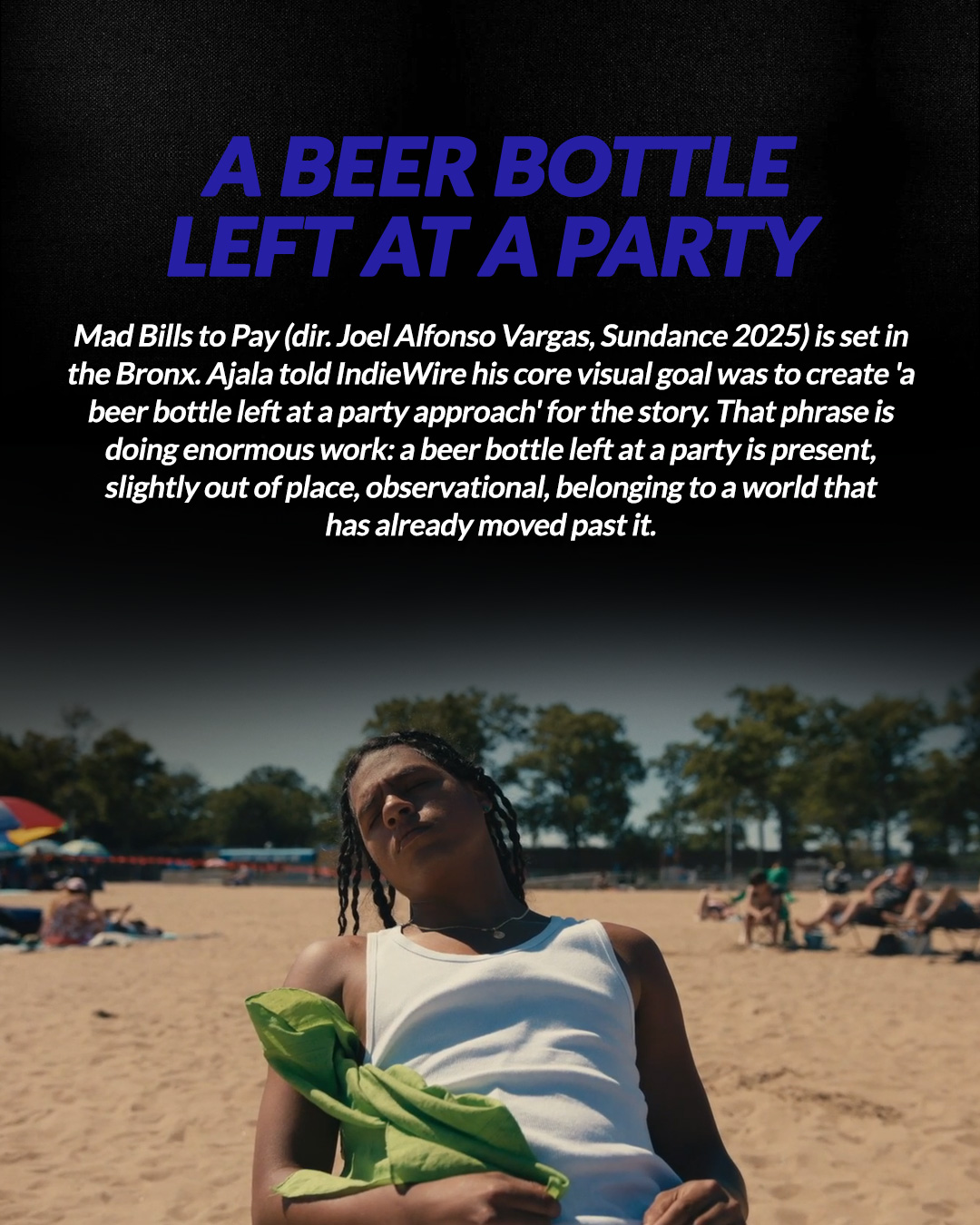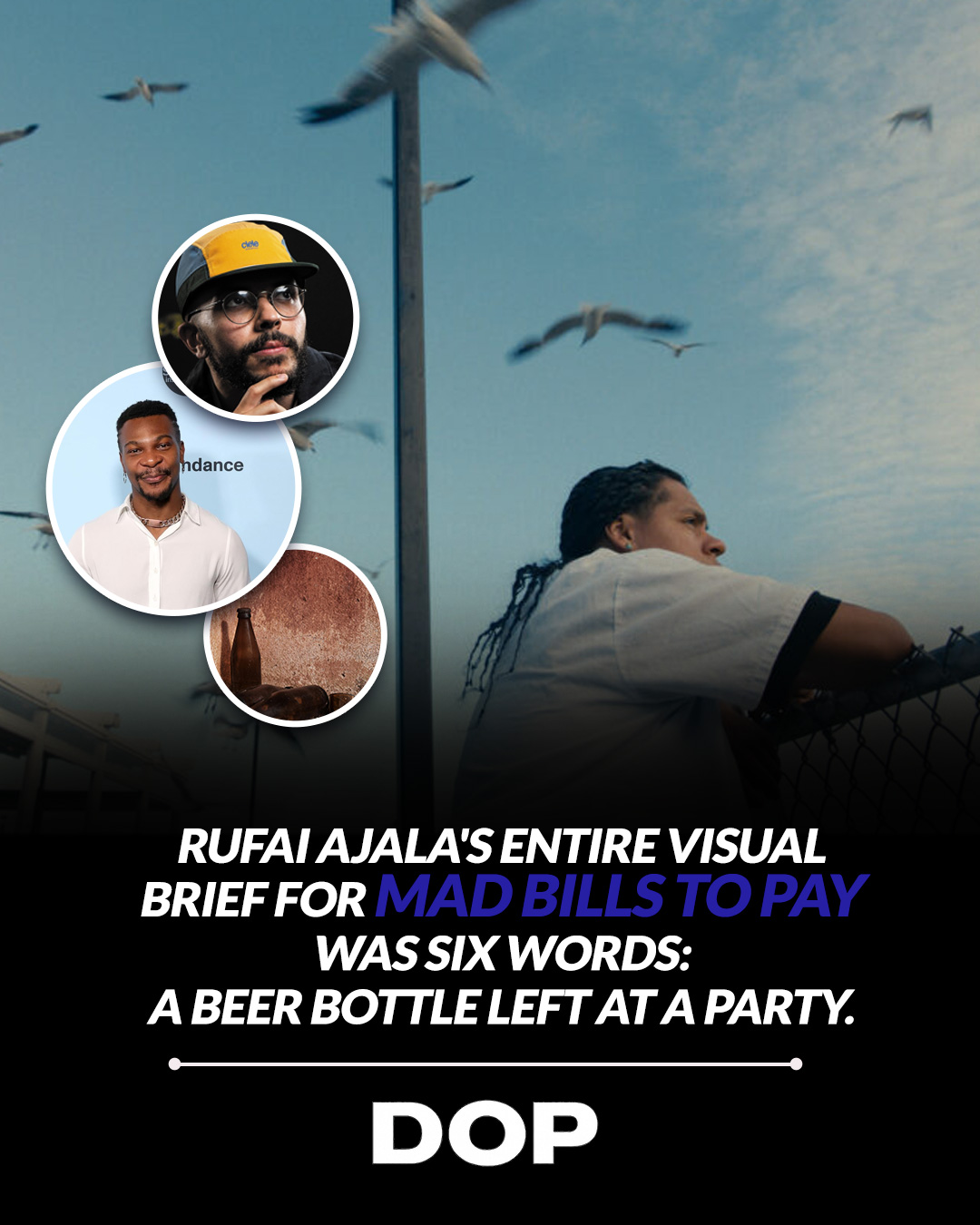
In the cacophony of film festival debuts, certain projects resonate not just for their narrative prowess, but for a singular, arresting visual philosophy. Rufai Ajala’s cinematography for Joel Alfonso Vargas’s Mad Bills to Pay, which premiered to critical acclaim at Sundance 2025, is one such triumph. His entire visual brief, distilled into six deceptively simple words – “a beer bottle left at a party” – speaks volumes about a nuanced, observational aesthetic that challenges conventional approaches to realism.
This isn't merely about capturing a scene; it's about imbuing it with a sense of history, a lingering presence that suggests a world in constant motion, oblivious to the camera's gaze. Ajala, in a conversation with IndieWire, elaborated on this core concept: to be present yet slightly out of place, observational, belonging to a world that has already moved past it. It’s a profound metaphor for the transient nature of human experience, rendered with a cinematographer’s eye for detail and emotional resonance.
Embracing the Unruly Light
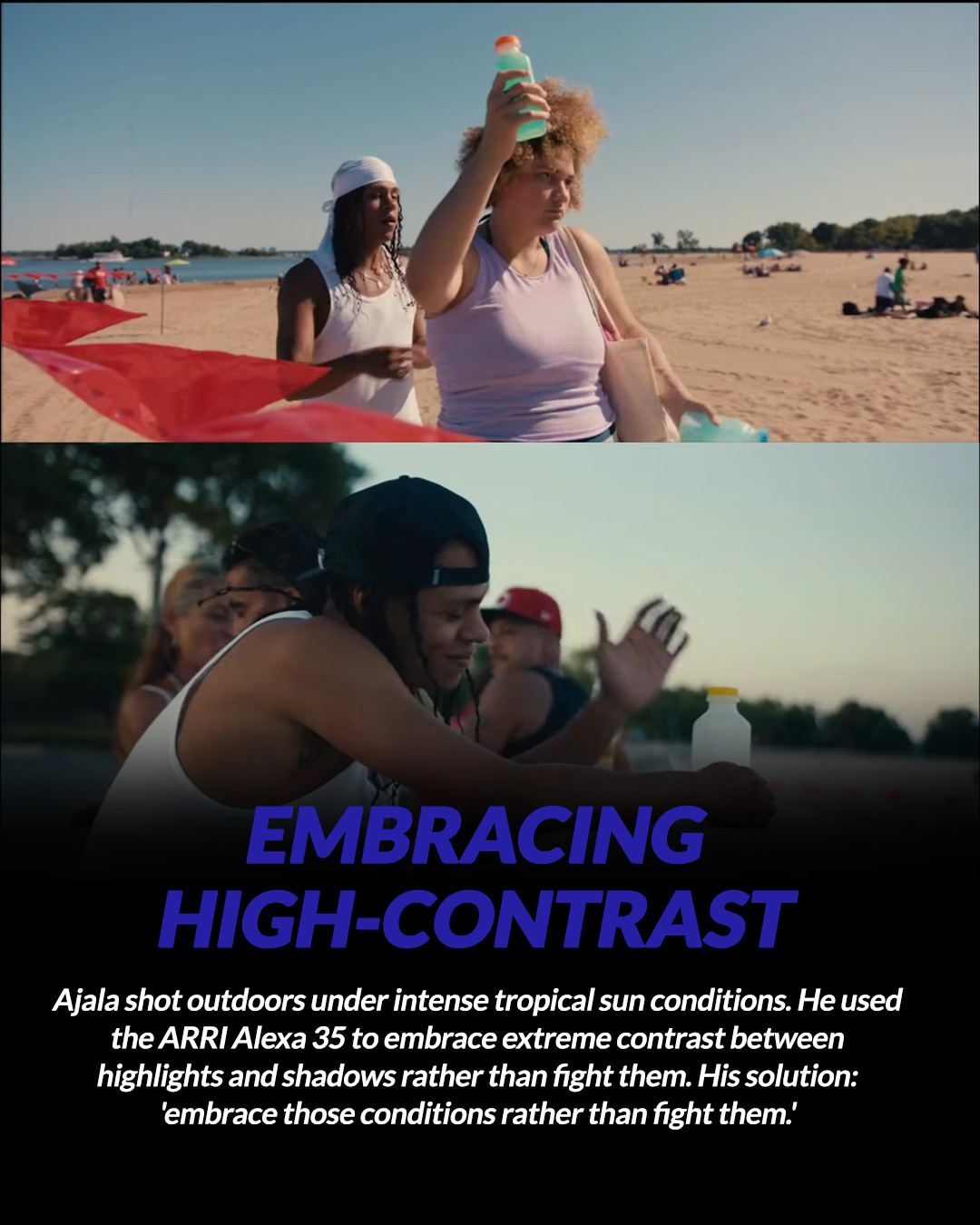
The technical hurdles Ajala faced on Mad Bills to Pay were formidable, particularly given its setting in the Bronx under intense tropical sun conditions. The primary challenge, as he described it, was the 'extreme contrast between highlights and shadows.' For many DPs, such conditions would necessitate a battle, a meticulous effort to tame the sun, to fill shadows, to flatten the dynamic range into something more 'manageable.' Ajala, however, chose a different path – one of radical acceptance: 'embrace those conditions rather than fight them.'
“The ‘beer bottle left at a party’ approach isn't just a visual directive; it’s a philosophical stance on observation, on capturing life as it is, with all its inherent imperfections and transient beauty.”
This philosophy speaks to a deep understanding of light and its inherent character. Rather than imposing a pre-conceived aesthetic, Ajala allowed the environment to dictate the visual texture. This isn't laziness; it's a profound artistic choice that requires immense confidence and technical acumen. By leaning into the harsh realities of natural light, he created a visual language that felt authentic, visceral, and unvarnished. The ARRI Alexa 35, with its unparalleled dynamic range and exquisite color science, was undoubtedly a critical tool in this endeavor. Its ability to hold detail in both extreme highlights and deep shadows, even under such aggressive conditions, would have been instrumental in allowing Ajala to 'embrace' rather than 'fight' the light, preserving the integrity of the scene's natural contrast.
Beauty in the Brutal
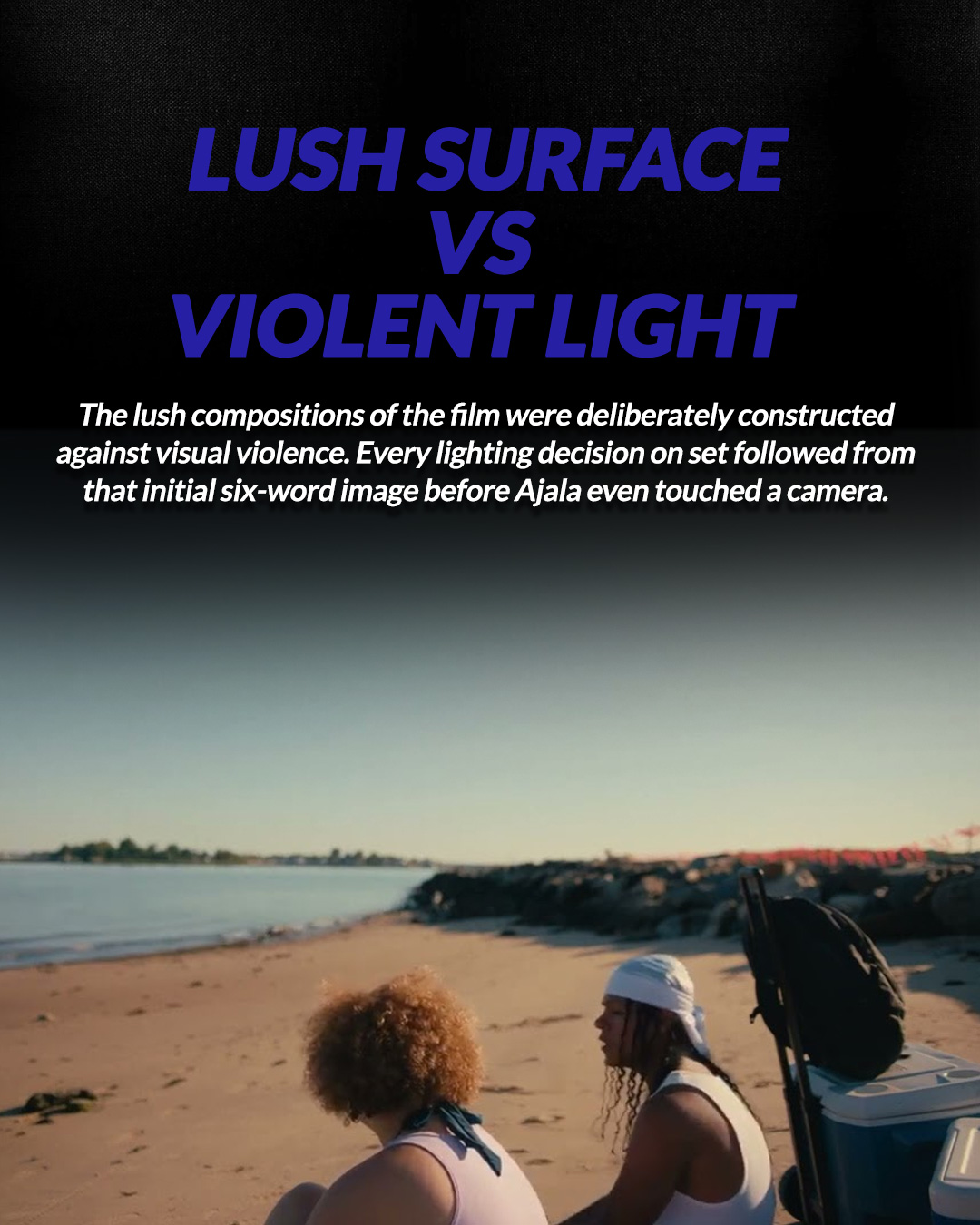
The Bronx, with its vibrant life and often stark urban landscape, provided a compelling backdrop for this approach. Ajala’s lush compositions, far from being diminished by the brutal sun, were deliberately constructed against this visual violence. There's a certain defiant beauty in this method – finding grace and narrative depth in conditions that, by conventional wisdom, should have made it impossible. This is where the artistry truly shines: to extract an almost painterly quality from what could easily become a blown-out, visually chaotic mess.
Reflecting on Ajala's broader filmography, one can trace a consistent thread of visual integrity and a willingness to push boundaries. His work often exhibits a keen eye for lived-in spaces and an ability to translate complex emotional states into striking visual metaphors. For Mad Bills to Pay, the choice of the Alexa 35, known for its naturalistic skin tones and organic fall-off, would have perfectly complemented his desire for an observational, unvarnished look. Paired with lenses that might exhibit a certain character – perhaps vintage glass or modern optics with a softer, less clinical rendition – the overall aesthetic would lean into a rich, textural image that feels both immediate and deeply atmospheric.
The 'beer bottle' metaphor extends beyond mere lighting and composition; it informs the entire visual psychology of the film. It suggests a certain distance, a respectful observation that allows the audience to become a silent witness, piecing together the narrative from fragments, from the echoes of what has transpired. This is not about spoon-feeding information but about inviting contemplation, about the power of suggestion over explicit declaration. It's a masterclass in how a singular, poetic visual brief can permeate every aspect of a film's aesthetic, transforming technical challenges into profound artistic opportunities.
This article contains affiliate links. We may earn a small commission at no extra cost to you. Learn more.