In the intricate tapestry of filmmaking, where every frame is meticulously crafted and every element serves a purpose, there are moments of pure, unadulterated serendipity that elevate the art form. We often focus on the deliberate choices of cinematographers: the sensor choice, the lens character, the lighting philosophy. Yet, sometimes, the most iconic cinematic moments, those indelible images burned into our collective consciousness, are born from pure, beautiful accident. This is particularly true when we consider the often-underestimated power of costume design, and how a single, unexpected garment can profoundly influence a character's visual language and, by extension, the cinematographer's approach.
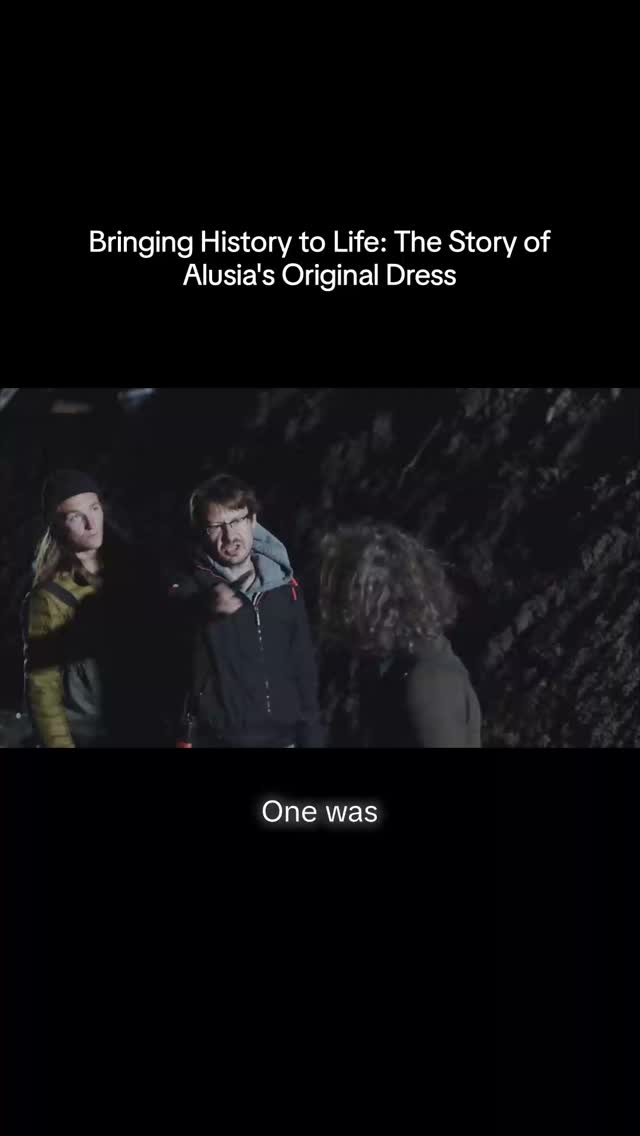
Consider the tale of Olusia, a character whose visual identity was profoundly shaped not by a meticulously designed sketch or a bespoke fitting, but by a forgotten vintage dress from the 1940s. This wasn't a garment fresh from a costume department's workshop; it was a relic, broken and discarded, yet holding within its faded fabric the potential for cinematic magic. The decision to salvage and transform it speaks volumes about the resourcefulness and artistic vision that permeates the best film productions. It’s a powerful reminder that the most impactful wardrobe choices don’t always originate from a pre-conceived notion, but rather, are often waiting to be rediscovered, imbued with their own history and silent narratives.
The Visual Language of Found Objects
For a cinematographer, a costume like this isn't merely a piece of clothing; it's a critical element within the frame. The texture of the fabric, the way it catches the light, its inherent patina – all contribute to the overall visual storytelling. A dress with a genuine history, like a salvaged 1940s piece, brings an authenticity that a newly manufactured garment often struggles to replicate. Its worn edges, subtle imperfections, and perhaps even its faded color palette immediately inform the lighting design. A DP might choose to light it with softer, more diffused sources to emphasize its delicate nature, or employ harder light to highlight its texture and the subtle shadows it creates, adding depth to the character's form. The very age of the fabric can dictate how it drapes, how it moves, and how it interacts with the ambient light, all factors a skilled cinematographer must consider.
"The best wardrobe choices don't always come from a sketch; sometimes they're waiting to be rediscovered."
This serendipitous find also impacts the wider visual palette. If the dress possesses a muted, earthy tone, the colorist might lean into a more desaturated look for the entire scene, or conversely, use it as a grounding element against more vibrant backdrops. The character of Olusia, adorned in this rediscovered piece, immediately gains a layer of history and vulnerability. This isn't just about aesthetics; it's about character development through visual cues. The cinematographer, collaborating closely with the costume designer, works to ensure that the lighting and framing amplify these inherent qualities, making the dress an extension of Olusia's persona rather than just an outfit.
Craft Beyond the Camera
The story behind this dress underscores a fundamental truth about filmmaking: it is a collaborative art form where every department's contribution is vital. While the cinematographer is responsible for capturing the image, the quality of that image is profoundly influenced by what is placed in front of the lens. The meticulous work of the costume department – in this case, salvaging, repairing, and adapting a vintage piece – directly impacts the visual narrative. Imagine a scene where Olusia moves through a set; the way her dress flows, the subtle rustle of the fabric, the way light catches its folds, all contribute to the sensory experience of the audience. A DP might choose specific lenses, perhaps a vintage anamorphic or a softer spherical prime, to complement the aged quality of the dress, further enhancing its character on screen.
This incident also serves as a potent reminder for cinematographers to remain open to unexpected sources of inspiration and to foster strong relationships with their fellow department heads. A conversation with a costume designer about a 'found' item could spark a completely new lighting approach or a different way of framing a scene. It encourages a more organic, less prescriptive approach to image-making, where the environment and its elements are allowed to inform and inspire the visual strategy. The craftsmanship behind the screen, in this instance, wasn't just about stitching fabric; it was about uncovering a piece of history and breathing new life into it, ultimately enriching the visual storytelling and contributing to a truly iconic cinematic moment.
In an industry often driven by cutting-edge technology and pristine new creations, the story of Olusia's dress champions the beauty of the imperfect, the power of the rediscovered, and the profound impact that such 'accidents' can have on the visual soul of a film. It’s a testament to the fact that sometimes, the most profound cinematic artistry lies not in what is meticulously planned, but in what is lovingly found, restored, and brought to light.