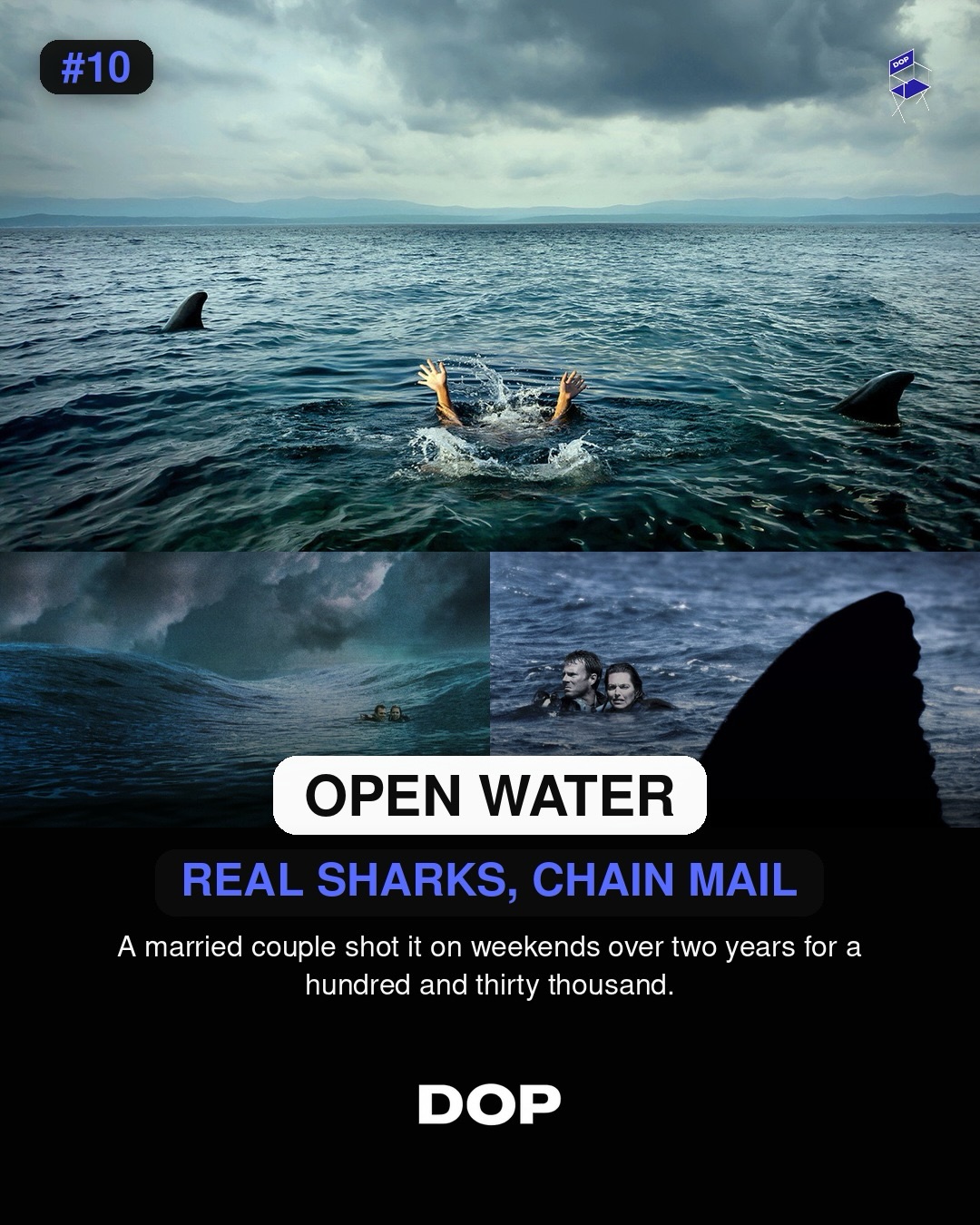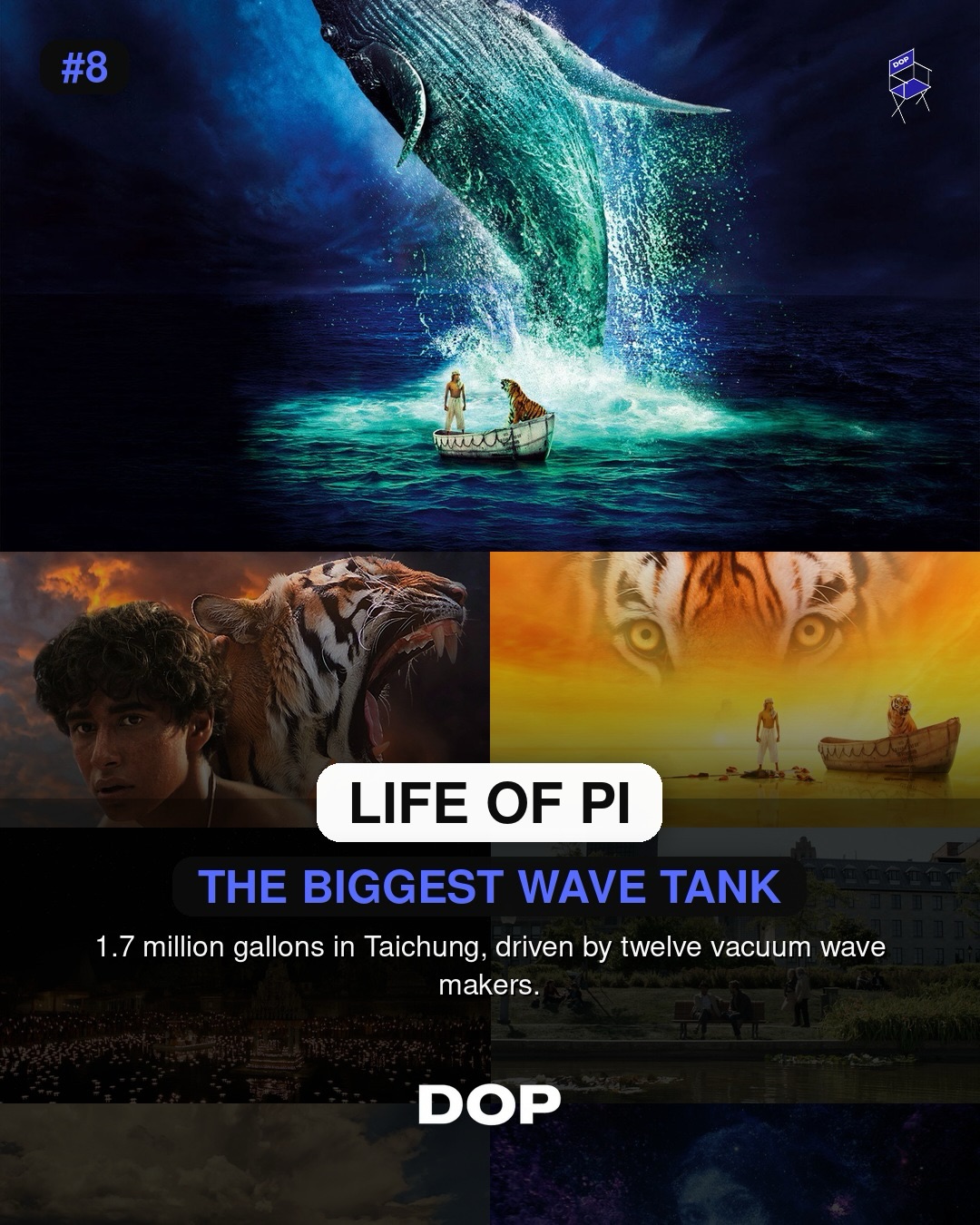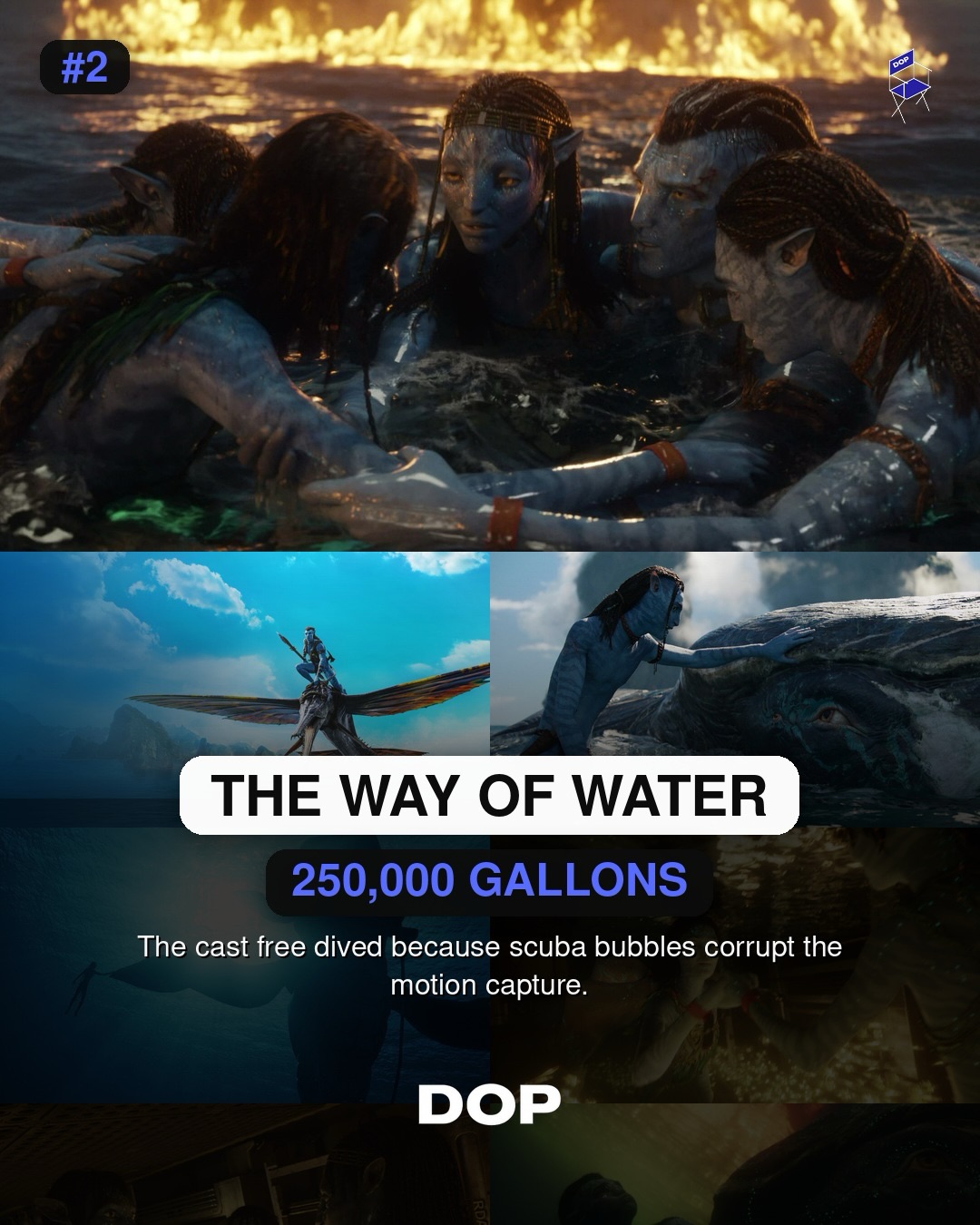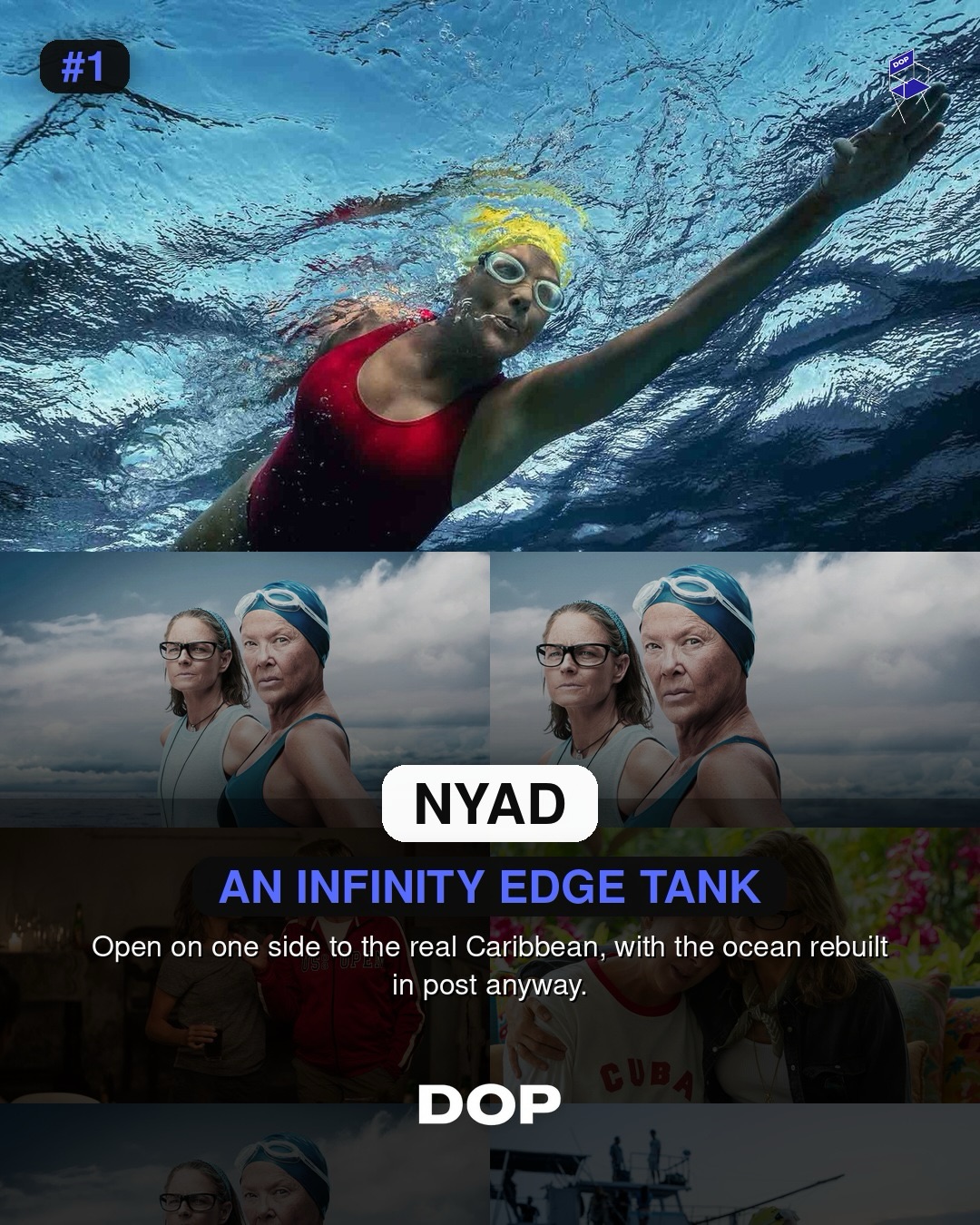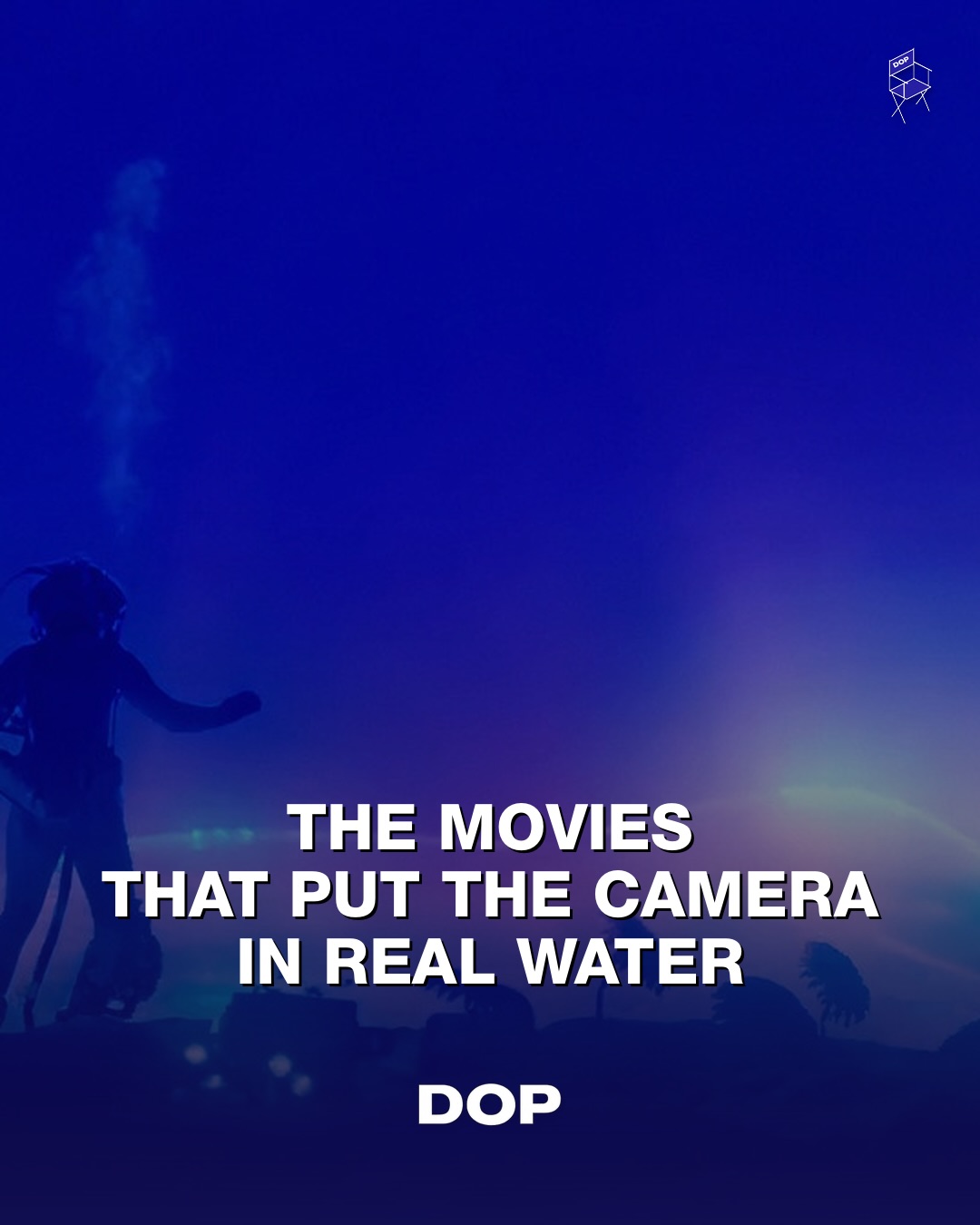
The allure of the deep has captivated filmmakers for generations, pushing the boundaries of technology and artistry to bring the mysterious underwater world to the screen. What began as a logistical nightmare, demanding unprecedented engineering and daring practical effects, has evolved into a sophisticated blend of on-set ingenuity and cutting-edge visual effects. Yet, the fundamental challenge remains: how do you convincingly immerse an audience in a world so alien, so visually distinct, and so inherently difficult to capture?
James Cameron’s 1989 epic, The Abyss, stands as a monumental testament to practical underwater filmmaking. Faced with the daunting task of creating a believable deep-sea environment, Cameron, a notorious perfectionist, elected to flood an unfinished nuclear containment vessel with seven and a half million gallons of water. This wasn't merely a large tank; it was a fully controlled, massive aquatic stage, allowing for unprecedented camera movement and lighting control. To execute this vision, Cameron brought in legendary underwater cinematographer Al Giddings, fresh off his groundbreaking work on The Deep (1977). Giddings, a pioneer in the field, understood the unique physics of light and motion underwater, translating the murky, pressure-laden environment into a cinematic language that felt both authentic and terrifyingly beautiful.
The Practical Depths: Crafting Reality Underwater
Giddings's expertise on The Abyss was invaluable. Shooting in such a vast, controlled environment allowed for complex choreography of actors, submersibles, and specialized camera rigs. The film famously utilized atmospheric diving suits (ADS) and miniature submersible models, all captured with a tangible sense of weight and scale. The choice of anamorphic lenses, even underwater, contributed to the film's epic scope, though it presented significant optical challenges due to water's refractive index. Lighting was key; the containment vessel allowed for massive top-down sources to simulate natural light penetration, while on-board submersible lights provided dramatic, directional illumination, carving out characters and objects from the inky blackness. This commitment to practical immersion created a benchmark that few films have dared to replicate.
"The true magic of underwater cinematography isn't just seeing beneath the surface; it's feeling the immense pressure, the silent vastness, and the alien beauty of a world not meant for us."
Giddings's connection to the ocean extended far beyond narrative filmmaking. His later work, filming the actual wreck of the RMS Titanic from Russian Mir submersibles for Cameron's 1997 blockbuster, blurred the lines between documentary and dramatic recreation. This endeavor demanded specialized, pressure-resistant camera housings and lighting arrays capable of illuminating the abyssal plains, capturing haunting images that lent an unparalleled authenticity to the film's visual narrative. The technical challenges of operating high-definition cameras at crushing depths, managing power, and maintaining optical clarity were immense, showcasing a different facet of underwater cinematography, one driven by exploration and scientific rigor.
The Digital Tide: Crafting Oceans in the Air
Fast forward to the 21st century, and the approach to depicting the ocean has diversified dramatically. While practical underwater photography still holds immense value, the advent of sophisticated visual effects has opened new avenues. Films like James Wan’s Aquaman (2018) represent the zenith of this digital paradigm. Rather than submerging actors, the production opted for extensive dry-for-wet techniques. Actors were suspended on complex motion-control rigs, often dubbed 'tuning forks' or 'tuning fork rigs,' which allowed for precise, fluid movements through the air. These movements were then meticulously rotoscoped and composited into fully CGI environments, complete with digital water, marine life, and dynamic volumetric lighting.
This dry-for-wet methodology offers unparalleled control over performance, lighting, and camera movement, circumventing the inherent limitations and dangers of actual underwater shoots. Directors of photography on such projects, like Don Burgess ASC for Aquaman, often work in a virtual space, pre-visualizing shots and then translating those decisions to the dry stage. The challenge shifts from battling water resistance and refraction to meticulously matching on-set lighting to the planned digital environment, ensuring that the actors appear convincingly submerged. This often involves complex interactive lighting setups that simulate caustics and light scattering through water, projected onto the performers.
The debate over which approach 'holds up' is less about superiority and more about artistic intent and technological evolution. The Abyss’s practical sequences exude a tangible, almost claustrophobic realism, a testament to the immense physical effort involved. The water itself, with its natural particulate and unpredictable movements, becomes a character. In contrast, Aquaman’s digital oceans allow for breathtaking scale, fantastical creatures, and hyper-stylized action sequences that would be impossible to achieve practically, offering a different kind of immersive spectacle.
Ultimately, both methodologies contribute to the rich tapestry of cinematic storytelling. Whether it’s the raw, visceral experience of practical submersion or the boundless imagination unlocked by digital wizardry, the goal remains the same: to transport the audience to the mysterious, beautiful, and often terrifying world beneath the waves. The evolution of underwater cinematography continues, pushing the boundaries of what’s possible, one frame at a time.