Sundance has always been a bellwether, not just for narrative trends, but for the evolving language of visual storytelling. While the industry often fixates on the latest high-end camera bodies and exotic glass, the 2026 lineup offered a profound, almost defiant, counter-narrative. The most compelling cinematography on display wasn't born from lavish packages or sprawling crews. Instead, it was forged in the fires of constraint, a testament to ingenuity, resourcefulness, and a deep understanding of light and composition.
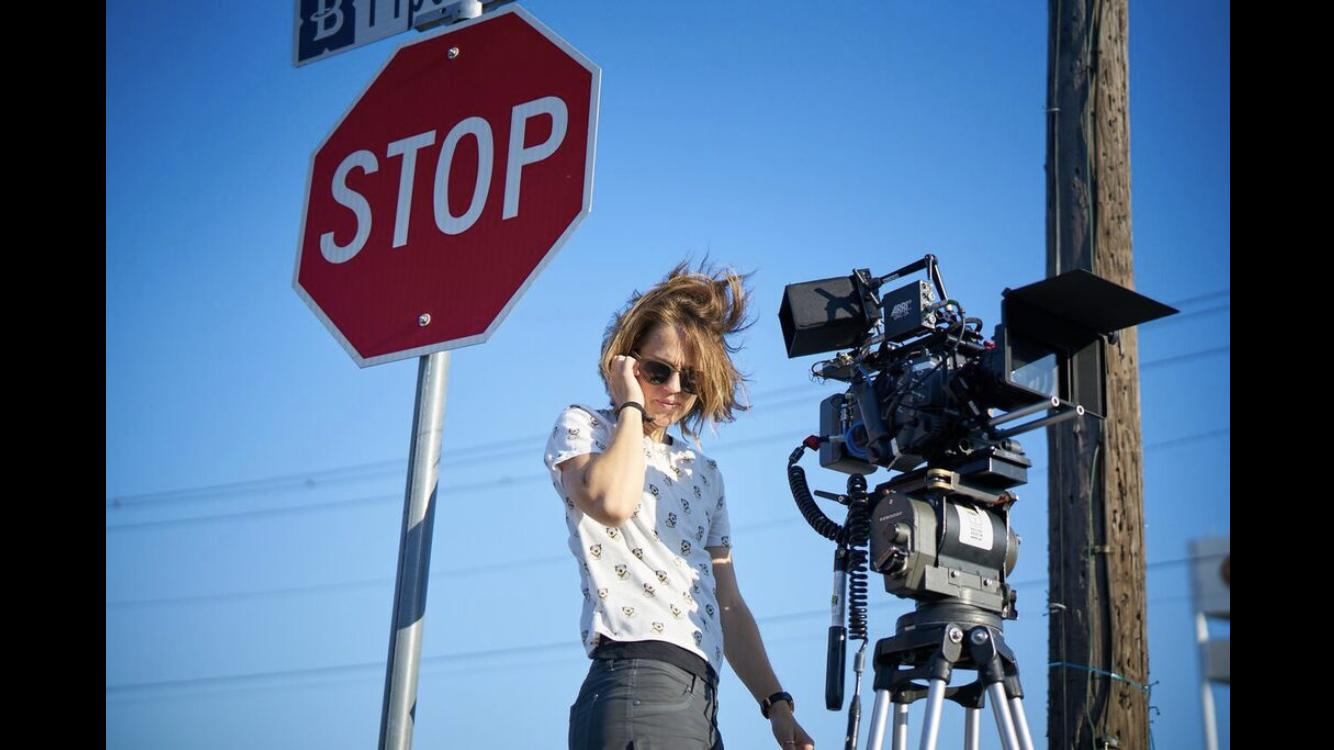
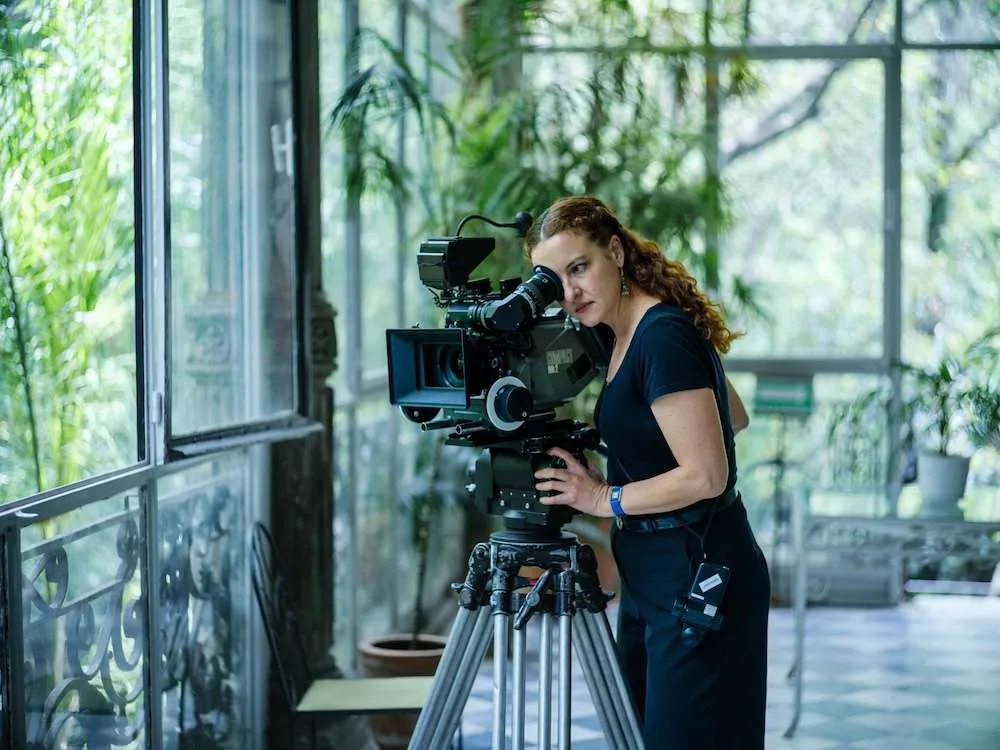
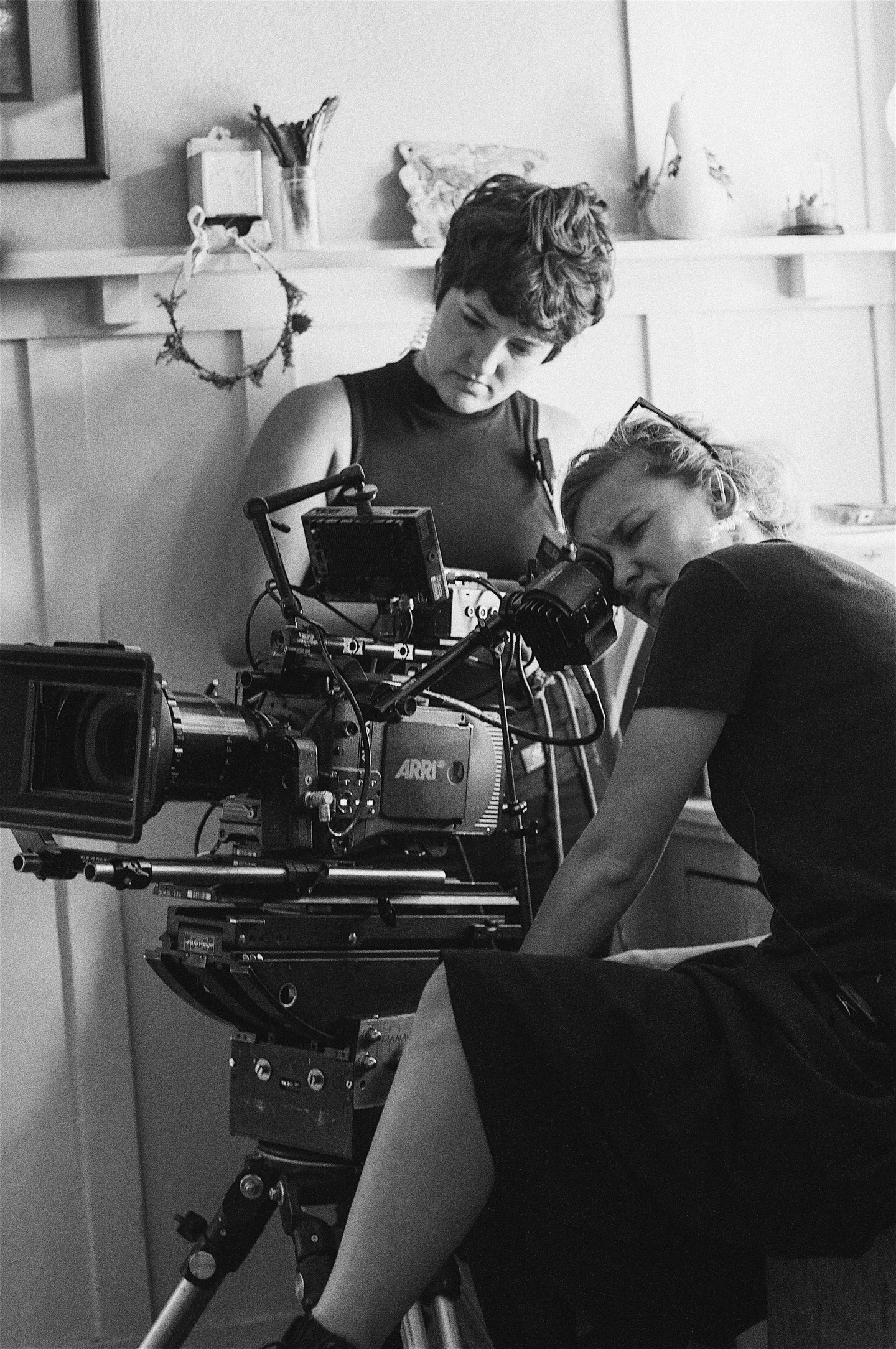
The names that resonated through the festival's darkened theaters – Greta Zozula, Lidia Nikonova, and Maria Sarasvati Herrera – are not yet household names, but they are about to be. These are cinematographers, largely making their feature debuts, who have demonstrated an uncanny ability to craft indelible images with what many would consider next to nothing. This isn't just about making do; it's about making breakthroughs. It's about understanding that the core of cinematography isn't the gear, but the eye, the intention, and the meticulous application of fundamental principles.
The Art of the Essential: Micro-Budget, Macro-Impact
What sets these DPs apart? It's a profound commitment to the essential. When you lack the luxury of extensive lighting grids, complex dollies, or a fleet of grip trucks, every decision becomes magnified. Zozula, for instance, in her debut feature, showcased an exceptional mastery of available light, often pushing consumer-grade sensors to their limits to capture a raw, almost verité texture that felt entirely deliberate. Her use of practicals and motivated light sources wasn't merely economical; it was deeply psychological, shaping character and mood with an understated power that belied the film's modest budget. We saw sequences lit by single bulbs, by the spill from a distant streetlamp, or even just the ambient glow of a laptop screen – each choice elevating the narrative.
Nikonova, on the other hand, demonstrated a striking confidence in composition and blocking. Without the ability to execute elaborate camera moves, she found dynamism in static frames, in the precise placement of actors within the frame, and in the interplay of light and shadow. Her lens choices, often favoring vintage primes or even adapted stills lenses, created a unique character – a subtle fall-off, a hint of aberration – that imbued her images with a distinctive, almost tactile quality. This wasn't about achieving clinical perfection; it was about embracing the imperfections that give an image soul.
“The true test of a cinematographer isn't what they can do with everything, but what they can achieve with almost nothing.”
Beyond the Gear: A Philosophy of Light and Story
Maria Sarasvati Herrera’s work, in particular, highlighted a sophisticated understanding of color science, even within constrained pipelines. Her film, shot primarily on a Blackmagic Pocket Cinema Camera with a minimal lighting package, managed to achieve a rich, nuanced palette that felt organic and emotionally resonant. She didn't rely on aggressive grading in post; instead, her approach seemed to bake the desired look into the capture itself, through careful white balancing, filtration, and an intuitive grasp of how different light sources render color. This speaks to a deeper philosophical approach: that cinematography is not just about recording an image, but about shaping light and color from the moment it enters the lens.
These cinematographers are not just technically proficient; they are visual storytellers of the highest order. They have learned, through necessity, to distill the craft to its purest form. They understand that a compelling image isn't contingent on the latest ARRI or RED package, but on the thoughtful application of light, shadow, composition, and movement to serve the narrative. Their filmographies, though nascent, already reveal a consistent pattern: those who master the art of creating impactful visuals under severe limitations are often the ones who go on to do truly extraordinary things when given the resources.
The Path Forward: Study the Light, Watch the Names
For aspiring DPs, and indeed for anyone passionate about the craft, the Sundance 2026 lineup offers an invaluable masterclass. It's a powerful reminder that budget is not a prerequisite for brilliance. We urge you to seek out these films, to study their light, their framing, their subtle yet profound visual choices. Pay attention to how they utilize available light, how they create depth with minimal sets, and how they extract maximum emotional impact from every single frame.
Greta Zozula, Lidia Nikonova, and Maria Sarasvati Herrera are not just names to watch; they are the architects of the next wave of cinematic vision. Their work today, born from constraint, is a blueprint for the future of cinematography. Before Hollywood inevitably comes calling with larger budgets and more elaborate toys, take the time to appreciate the raw, unadulterated talent on display. This is where the true innovation is happening, and it's happening right now.