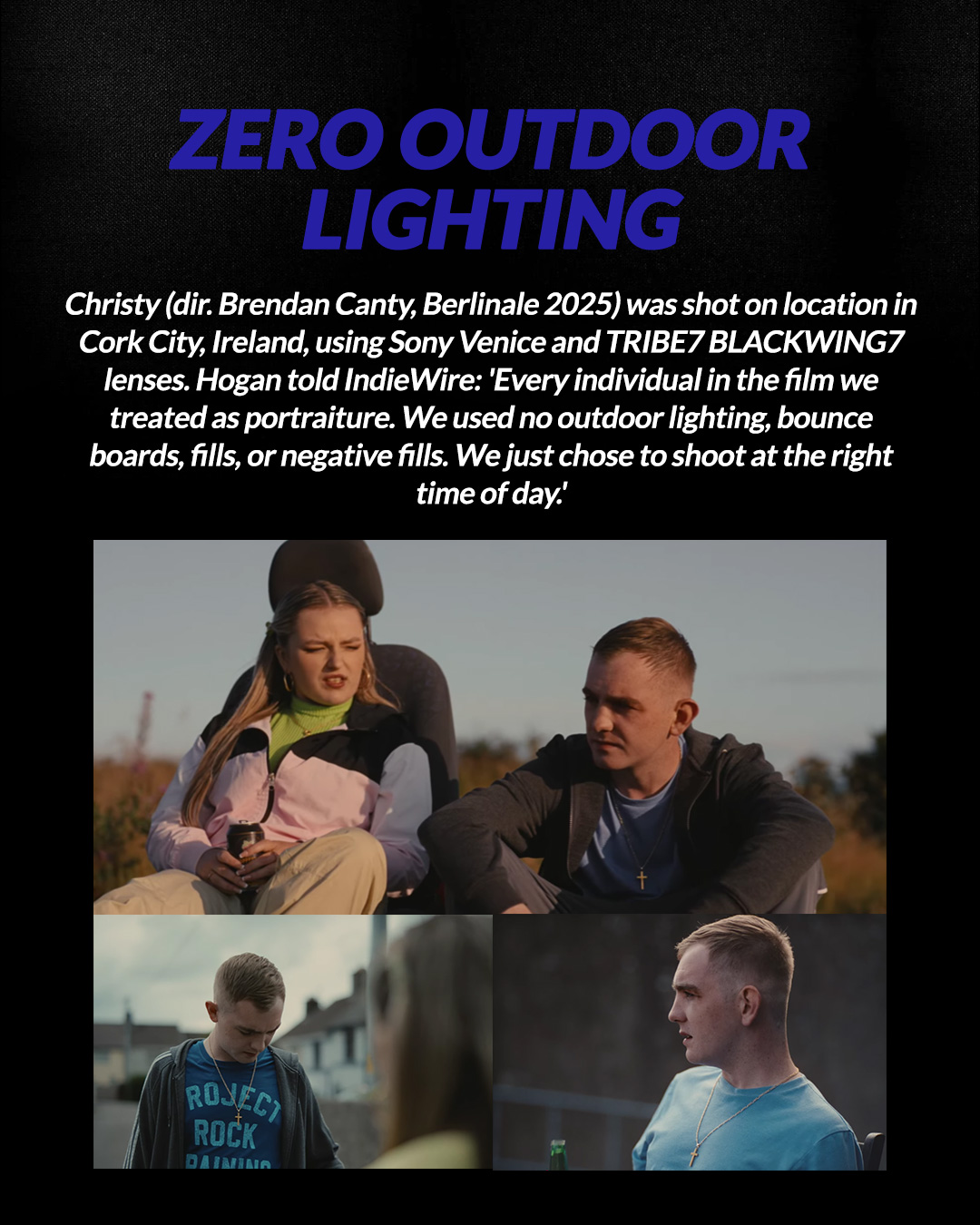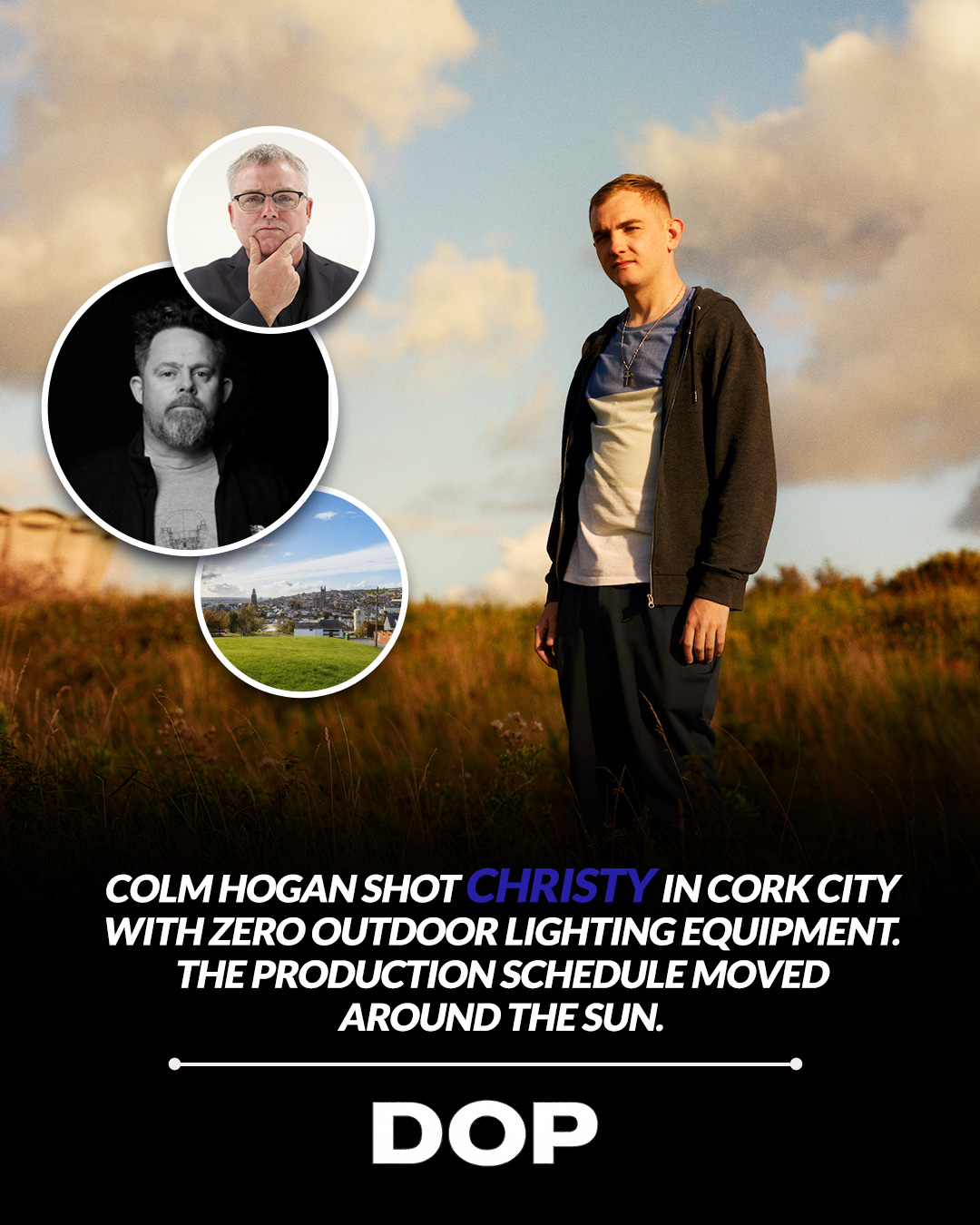
In an era where cinematographers often wield a formidable arsenal of lighting equipment, the news that Colm Hogan shot Christy in Cork City with absolutely zero outdoor lighting equipment sends a ripple of excitement through the industry. Premiering at Berlinale 2025, this collaboration with director Brendan Canty, lensed on the Sony VENICE and TRIBE7 BLACKWING7 lenses, isn't just a testament to creative constraint; it's a profound re-evaluation of what constitutes a 'lighting plan.'
Hogan's revelation to IndieWire – "We used no outdoor lighting, bounce boards, fills, or negative fills. We just chose to shoot at the right time of day when the sun was where we wanted it to be" – isn't merely a technical note; it's a philosophical declaration. It speaks to a deep trust in natural light and an intimate understanding of location. For Hogan, Cork City wasn't just a backdrop; it was an active participant, its inherent cinematic quality providing the canvas. This isn't about compromise; it's about embracing the environment as the ultimate gaffer, a concept that resonates deeply with the core tenets of visual storytelling.
The Discipline of Natural Light
The decision to forgo artificial illumination outdoors is a bold one, demanding meticulous pre-production and an almost symbiotic relationship between the DP, director, and the sun's trajectory. This isn't a new concept, of course; masters like Nestor Almendros famously embraced natural and available light. But in a contemporary context, where the ability to sculpt and control light has become increasingly sophisticated, Hogan’s choice feels radical. It forces a different kind of discipline, where the production schedule itself becomes the lighting grid. Every shot, every scene, is dictated by the sun's position, its intensity, and the quality of light it casts.
"We just chose to shoot at the right time of day when the sun was where we wanted it to be. North Cork City is such a cinematic place so everywhere we pointed the camera gave us something new."
This approach inherently shapes the visual language of the film. Without the ability to fill shadows or soften harsh light, the raw, unadulterated character of natural illumination takes center stage. It implies a certain grittiness, a documentarian's honesty, that artificial light, however artfully applied, can sometimes obscure. It's a commitment to authenticity, allowing the environment to speak for itself, unfiltered.
Character Lenses and Aspect Ratio
The choice of the Sony VENICE, known for its exceptional low-light capabilities and beautiful color science, paired with TRIBE7 BLACKWING7 lenses, is particularly insightful given Hogan's lighting philosophy. The VENICE's dual native ISO at 2500 ISO would have been invaluable for extending shooting windows into the magic hour or for navigating challenging low-light scenarios indoors, even if outdoor setups were minimal. The BLACKWING7 lenses, celebrated for their unique character – their controlled flaring, gentle fall-off, and painterly aberrations – add another layer of artistic expression. These aren't clinical, sterile optics; they're designed to imbue images with soul and texture, perfectly complementing a naturalistic lighting scheme that thrives on organic imperfections.
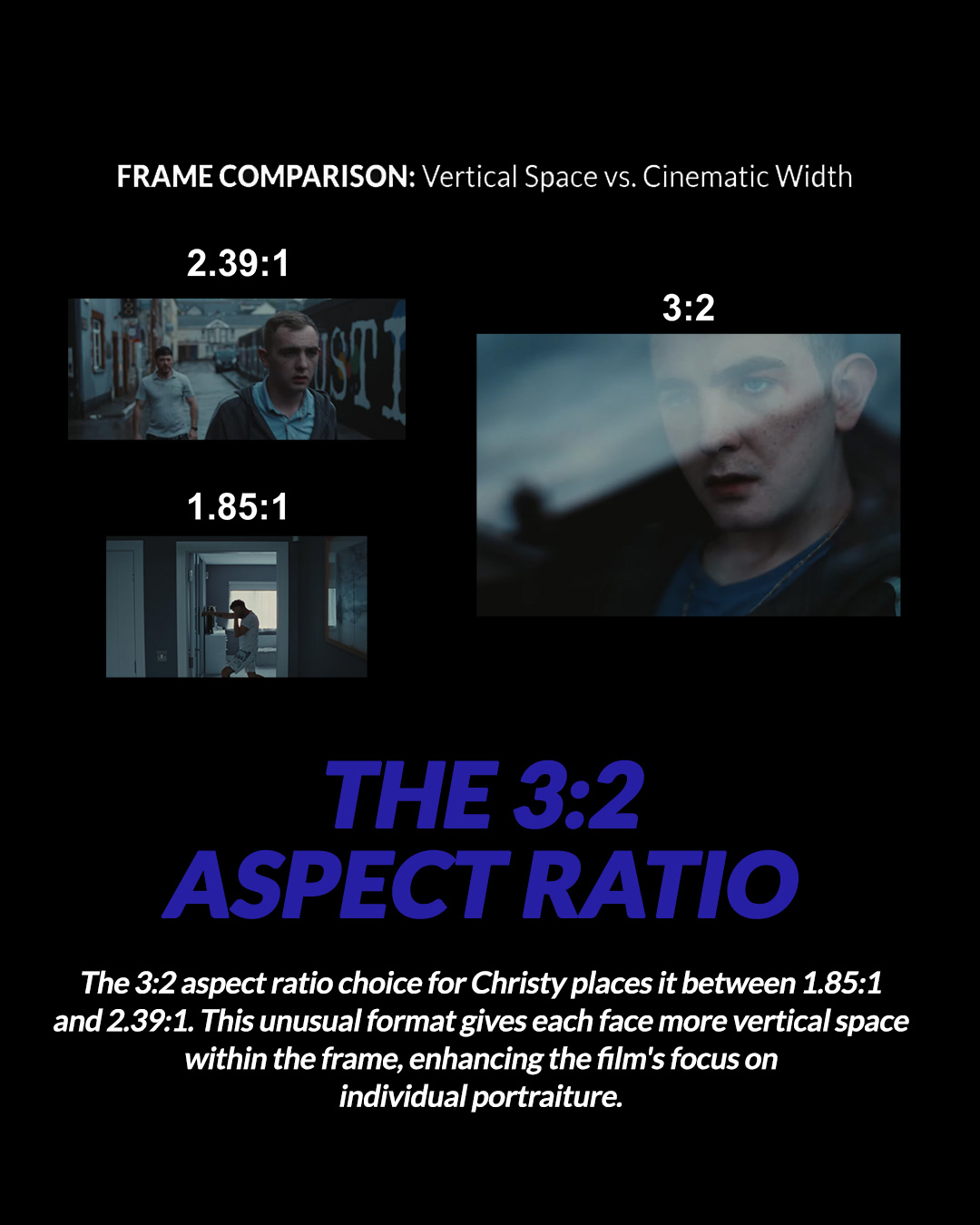
The 3:2 aspect ratio is another deliberate choice that profoundly impacts the visual experience. In a world saturated with widescreen formats, opting for 3:2, closer to the traditional photographic aspect, grants each face "more vertical space within the frame." This isn't just a technical detail; it's a compositional decision that emphasizes portraiture, allowing for more intimate, character-driven close-ups. When combined with the single-source outdoor approach, this aspect ratio likely creates a striking visual poetry, where faces are sculpted by the sun, their expressions given prominence within a frame that feels both expansive and personal. The description of the result as full of "characterful lenses and character" is apt; the technical choices are in perfect harmony with the narrative's human focus.
The Future of Resourceful Cinematography
Hogan's work on Christy serves as a powerful reminder that limitations can be a wellspring of creativity. It challenges the conventional wisdom that more equipment equals better results. Instead, it champions resourcefulness, observation, and a profound respect for the dynamics of natural light. For DPs, camera operators, and gaffers, it’s a masterclass in seeing the world, not just illuminating it. It underscores the idea that sometimes, the most sophisticated lighting plan is simply knowing where the sun is, and when. As the industry grapples with sustainability and the ever-present pressure of budget constraints, Hogan's approach on Christy might just be a harbinger of a more elegant, environmentally conscious, and ultimately, more authentic form of cinematography.
This article contains affiliate links. We may earn a small commission at no extra cost to you. Learn more.