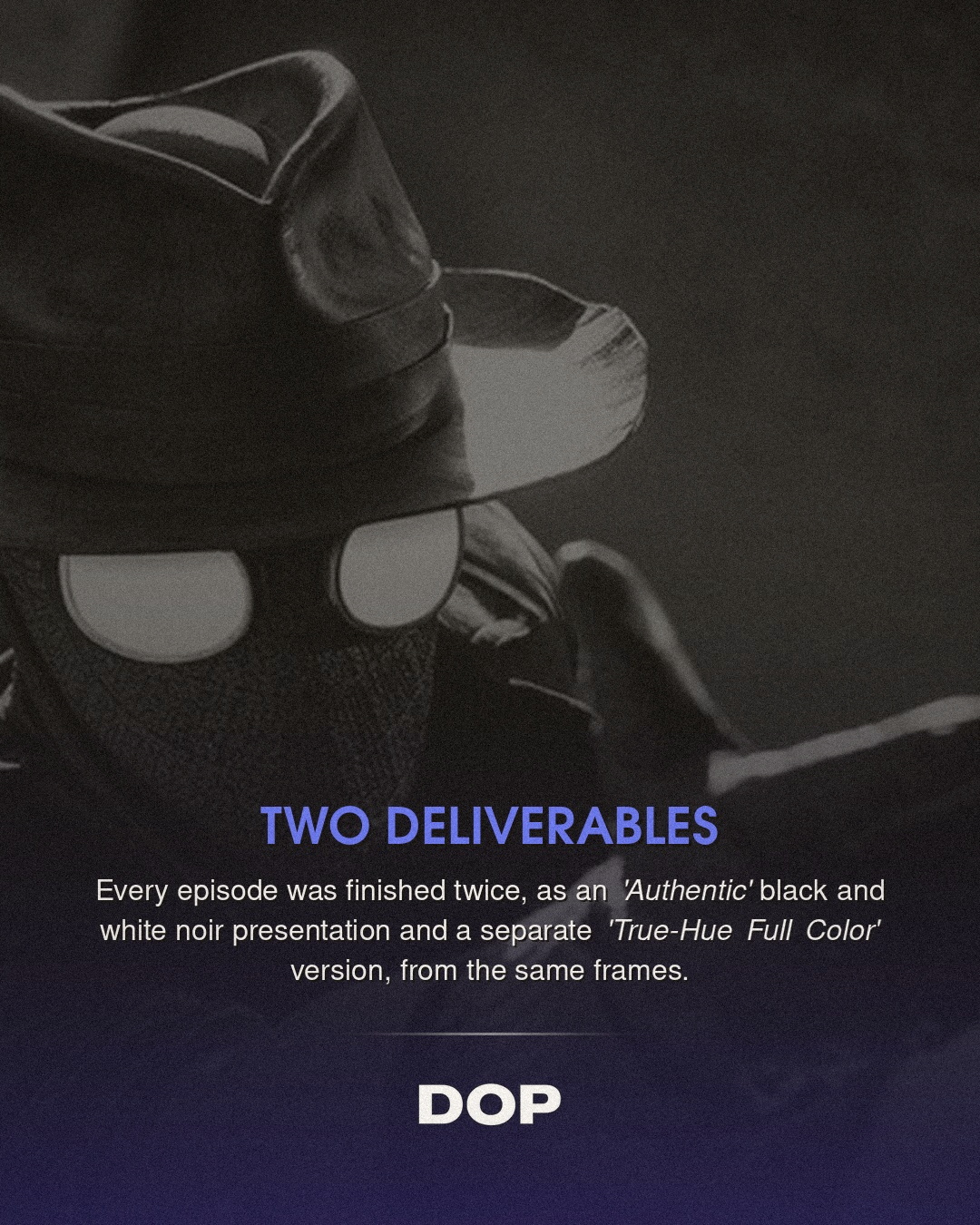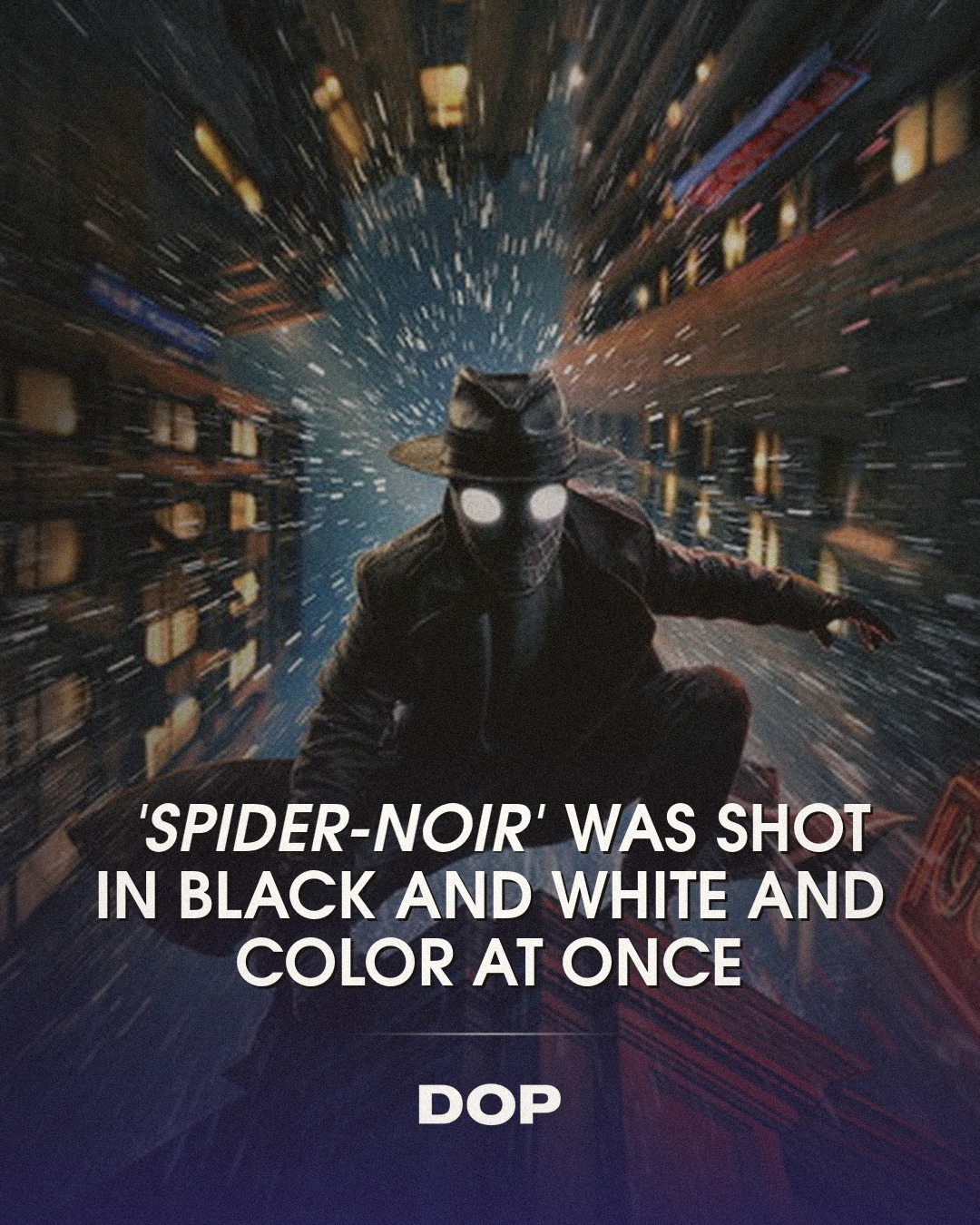
In an industry constantly pushing the boundaries of visual storytelling, a recent project has emerged that challenges the very foundation of how cinematographers approach their craft. The upcoming 'Spider-Noir' series, as revealed by an intriguing behind-the-scenes glimpse, presented its cinematographers with an extraordinary mandate: to deliver every episode in two distinct aesthetic forms, an 'Authentic' black and white noir presentation, and a separate 'True-Hue Full Color' version, all derived from the same original frames. This isn't merely a post-production color grade; it's a fundamental recalibration of on-set decision-making.
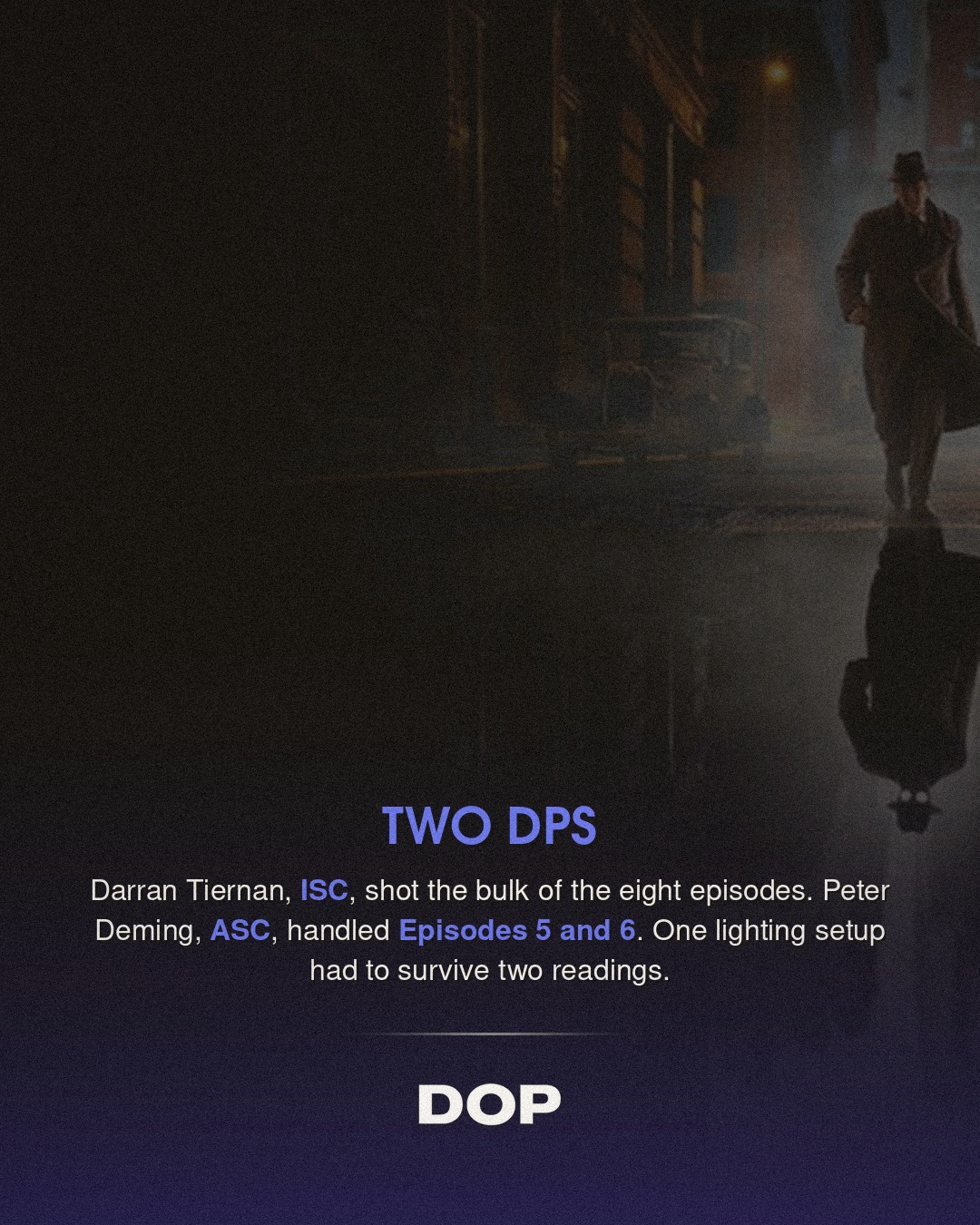
The sheer ambition of this approach immediately begs the question: how does one light, compose, and capture imagery that satisfies such diametrically opposed visual philosophies simultaneously? The answer lies in meticulous pre-production and a deep understanding of color science and its relationship to monochrome. Darran Tiernan, ISC, who shot the bulk of the eight episodes, and Peter Deming, ASC, responsible for episodes five and six, faced a truly unique puzzle. Their solution involved implementing two distinct lookup tables (LUTs) directly on the cameras, allowing for a real-time preview of both intended outcomes. This technical foresight is crucial, enabling the crew to assess the impact of every lighting choice, every costume hue, and every set design element under both interpretive lenses.
The Dual Challenge: Monochrome vs. Polychrome
The core difficulty here stems from the inherent differences in how light and color translate. In black and white, contrast and luminance become paramount. Colors that might be distinct in a full-color spectrum can merge into similar shades of grey, flattening the image. Conversely, a high-contrast lighting setup designed for dramatic noir might appear overly harsh or artificial in a full-color rendition, losing subtle tonal gradations. This is where the genius of the production truly shines. The Instagram caption explicitly states that serving both versions from one lighting setup was the driving force behind rigorous testing of every color in costume and production design before the shoot.
"Serving both versions from one lighting setup is why costume and production design tested every color before the shoot."
Imagine the wardrobe department meticulously testing a crimson tie against a navy suit. In color, the contrast is clear. In black and white, if both colors register as similar luminance values, the tie could disappear into the suit. The cinematographers and production designers would have had to identify colors that held distinct luminance values in monochrome while also maintaining their intended vibrancy and separation in color. This isn't just about avoiding a muddy grey scale; it's about finding chromatic harmony that works across two visual paradigms, a challenge that speaks volumes about the collaborative spirit and technical prowess demanded by such a project.
Technical Nuances and Creative Compromises
While specific camera and lens choices weren't detailed in the initial glimpse, one can infer the necessity for a sensor capable of capturing a wide dynamic range and robust color information. Cameras like the ARRI Alexa Mini LF or Sony VENICE, known for their exceptional latitude and color science, would be prime candidates, providing the flexibility needed for extensive grading in both directions. The choice of lenses would also be critical. Primes with controlled flaring and minimal chromatic aberration would help maintain image integrity across both versions. Lens character, whether vintage or modern, sharp or soft, would need to be carefully weighed against its impact on both the starkness of noir and the richness of color.
Darran Tiernan, known for his work on visually striking series like 'Westworld' and 'The Mandalorian,' brings a wealth of experience in creating complex, high-production-value worlds. His ability to blend practical and LED lighting, often leveraging the latter for precise color control and dynamic effects, would be invaluable here. Peter Deming, ASC, a master of atmospheric horror and dark comedies like 'Mulholland Drive' and 'Twin Peaks: The Return,' possesses an innate understanding of shaping light for dramatic effect and mood, making him perfectly suited for the noir elements. Their combined expertise would undoubtedly navigate the delicate balance required, perhaps leaning on lighting that offers strong directional emphasis for black and white, while simultaneously ensuring sufficient fill and color separation for the full-color version.
Ultimately, 'Spider-Noir' represents a fascinating case study in adaptive cinematography. It forces a holistic view of image creation, where every element, from costume to lighting to lensing, is considered for its dual impact. This approach elevates the cinematographer's role beyond merely capturing an image; it transforms them into architects of visual duality, crafting a singular reality that can be experienced in two profoundly different, yet equally compelling, ways. It's a testament to the evolving artistry and technical innovation within our field, proving that even with established genres like noir, there are always new frontiers to explore.
This article contains affiliate links. We may earn a small commission at no extra cost to you. Learn more.