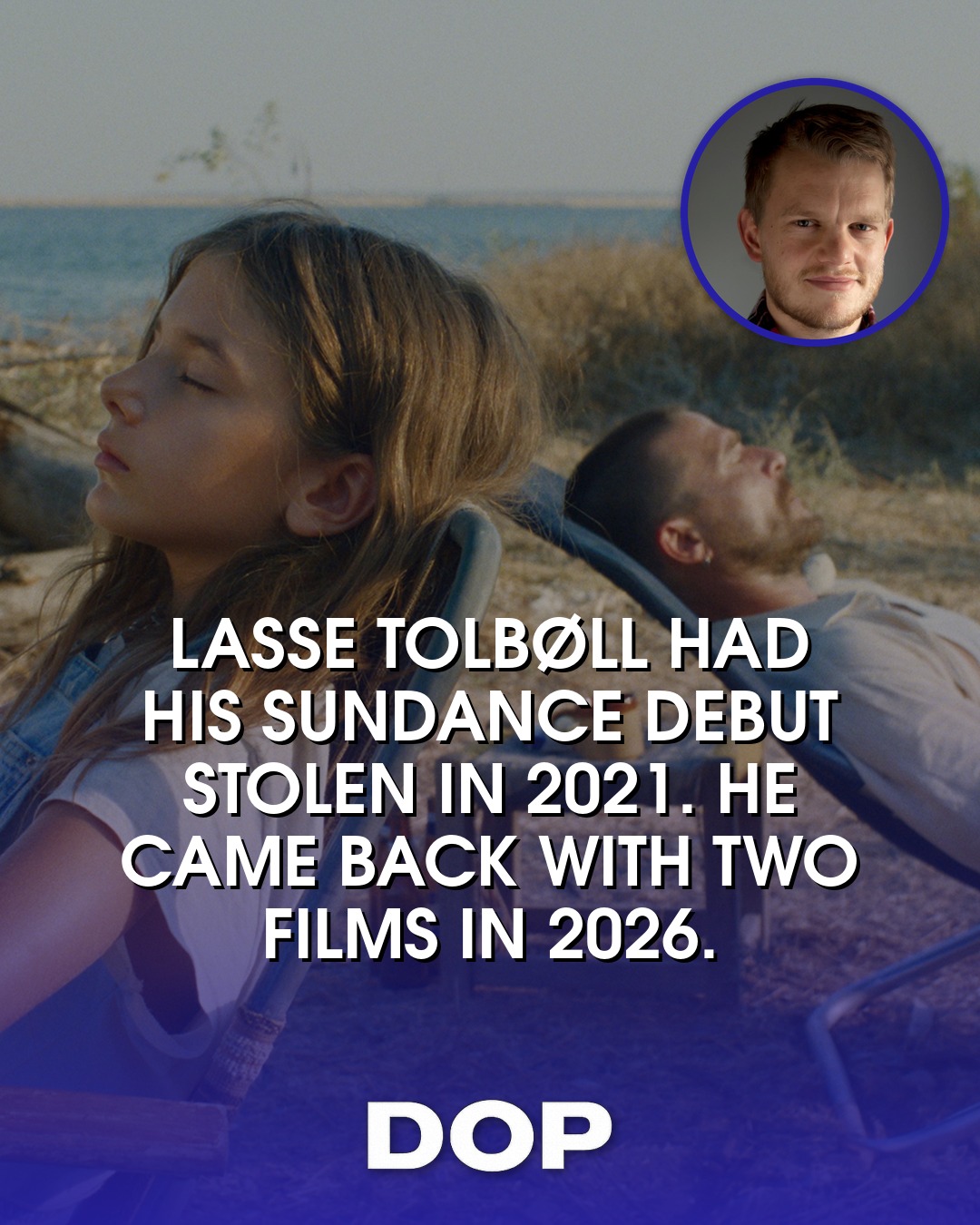
The 2026 Sundance Film Festival buzzed with a particular kind of awe surrounding Hold Onto Me, a debut feature that, for cinematographers and film enthusiasts alike, transcended mere storytelling. It was a masterclass in extreme filmmaking, a stark, visceral triumph that owed its very existence, and its profound visual character, to the audacious vision and sheer tenacity of its cinematographer, Lasse Ulvedal Tolbøll. Shot entirely across two brutal Siberian winters, the film is a monument to the craft, a testament to pushing boundaries not just artistically, but physically and technically.
Tolbøll's choice of 16mm wasn't merely an aesthetic preference; it was a defiant embrace of the medium's inherent challenges, amplified a hundredfold by the sub-minus 30 Celsius temperatures. This wasn't a choice for casual retro charm; it was a deliberate commitment to a texture, a grain, and a process that would intrinsically weave the harshness of the environment into the very fabric of the narrative. The logistical nightmare of maintaining film stock and cameras in such extreme cold is a familiar tale to those who've dared to shoot in similarly unforgiving climes, but Tolbøll's experience pushed those boundaries to a new extreme.
Battling the Elements: A DP's Ingenuity
The anecdote of storing cameras and film stock at temperatures below -30°C to prevent condensation is a chilling reminder of the daily battle against nature. Any cinematographer who has dealt with humidity and temperature differentials knows the terror of a fogged lens or, worse, a compromised emulsion. But Tolbøll's challenges were on an entirely different scale. The real crucible, however, was the film itself. Emulsion, a delicate chemical layer, becomes brittle in extreme cold, prone to cracking and flaking, rendering precious footage unusable. The initial losses, though undoubtedly devastating, spurred an ingenious solution: a custom chemical heating system for the film magazines.
“The initial losses, though undoubtedly devastating, spurred an ingenious solution: a custom chemical heating system for the film magazines.”
This wasn't an off-the-shelf gadget; it was a bespoke hack, a true embodiment of a DP's problem-solving ethos. Imagine the trial and error, the desperation, and ultimately, the triumph of developing a method to keep the film pliable enough to run through the camera without shattering. This level of dedication moves beyond mere technical proficiency; it speaks to an almost alchemical understanding of the medium, a willingness to get hands-on and invent solutions when none exist.
The Grain of Truth: Visual Storytelling in Extremis
The visual outcome of these extraordinary efforts is nothing short of breathtaking. Hold Onto Me is characterized by a unique, heavy grain structure that isn't just a byproduct of the 16mm format; it's an intentional, almost primal aesthetic. This isn't the clean, pristine grain of a carefully managed set; it's the raw, unvarnished texture born from the very edge of the film's physical limits. It speaks of the cold, the struggle, the inherent fragility of life in such an environment. The grain becomes a character in itself, an ever-present, almost tactile layer that immerses the viewer in the stark, unforgiving landscape. It's a testament to how technical constraints, when embraced and understood, can elevate the artistic impact of a film.
Tolbøll’s filmography, while not yet extensive, hints at a developing visual language rooted in authenticity and a deep respect for natural light and environment. His previous short-form work, often shot in similarly challenging locations, has consistently showcased a preference for textured imagery over polished perfection. This approach, combined with a discerning eye for composition and a masterful control of available light, positions him as a cinematographer who understands that the 'look' of a film is not merely a stylistic choice, but an intrinsic part of its narrative and emotional core.
The camera choice itself, likely an Aaton A-Minima or Arri SR3 – workhorse 16mm cameras known for their reliability even in challenging conditions – would have been critical. But even the best camera is only as good as the hands operating it and the ingenuity protecting its delicate cargo. The specific film stock used, perhaps a KODAK VISION3 500T 7219 for its low-light sensitivity and inherent grain, would have been pushed to its limits, likely force-processed to enhance contrast and further exaggerate that defining grain. This isn't just cinematography; it's a form of visual anthropology, capturing the essence of a place and its impact on the human spirit through the very medium itself.
Hold Onto Me stands as a powerful reminder that true cinematographic artistry often emerges from the crucible of challenge. Lasse Ulvedal Tolbøll didn't just capture images; he wrestled them from the grip of a Siberian winter, imbuing every frame with the raw, unyielding spirit of his endeavor. It's a film that demands to be seen, not just for its story, but for the profound, almost tactile experience of its imagery, a direct result of a cinematographer's unwavering dedication to his craft.
This article contains affiliate links. We may earn a small commission at no extra cost to you. Learn more.