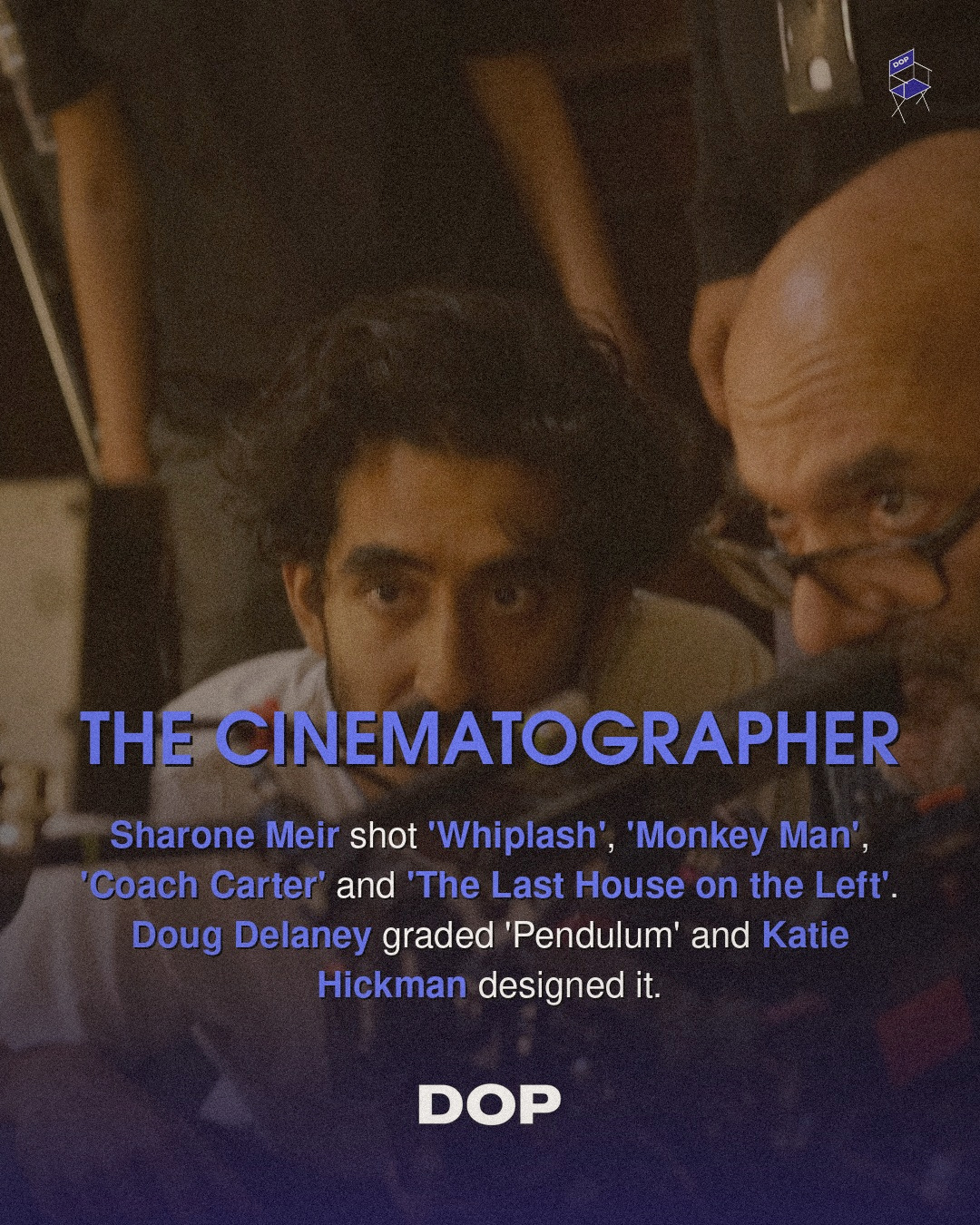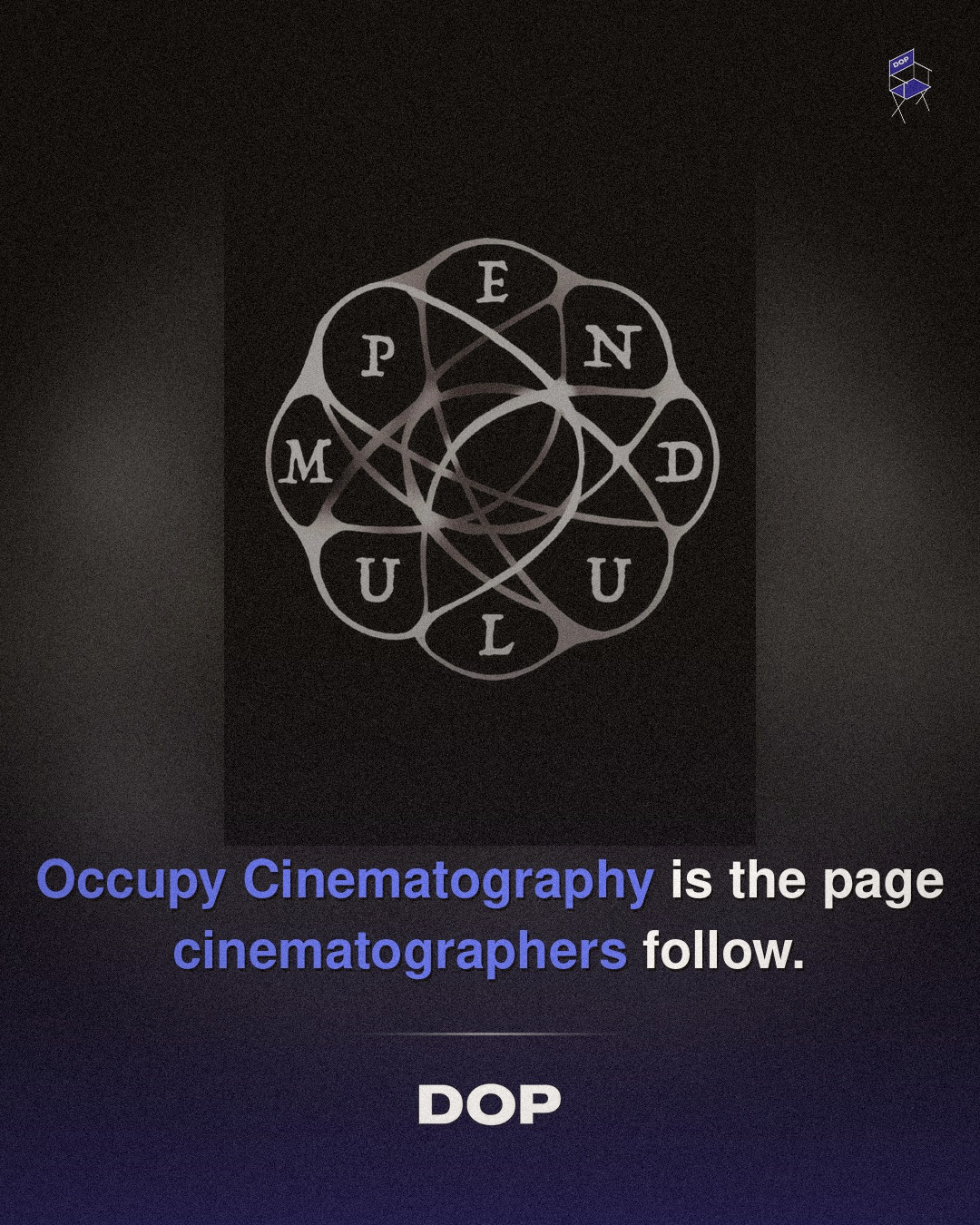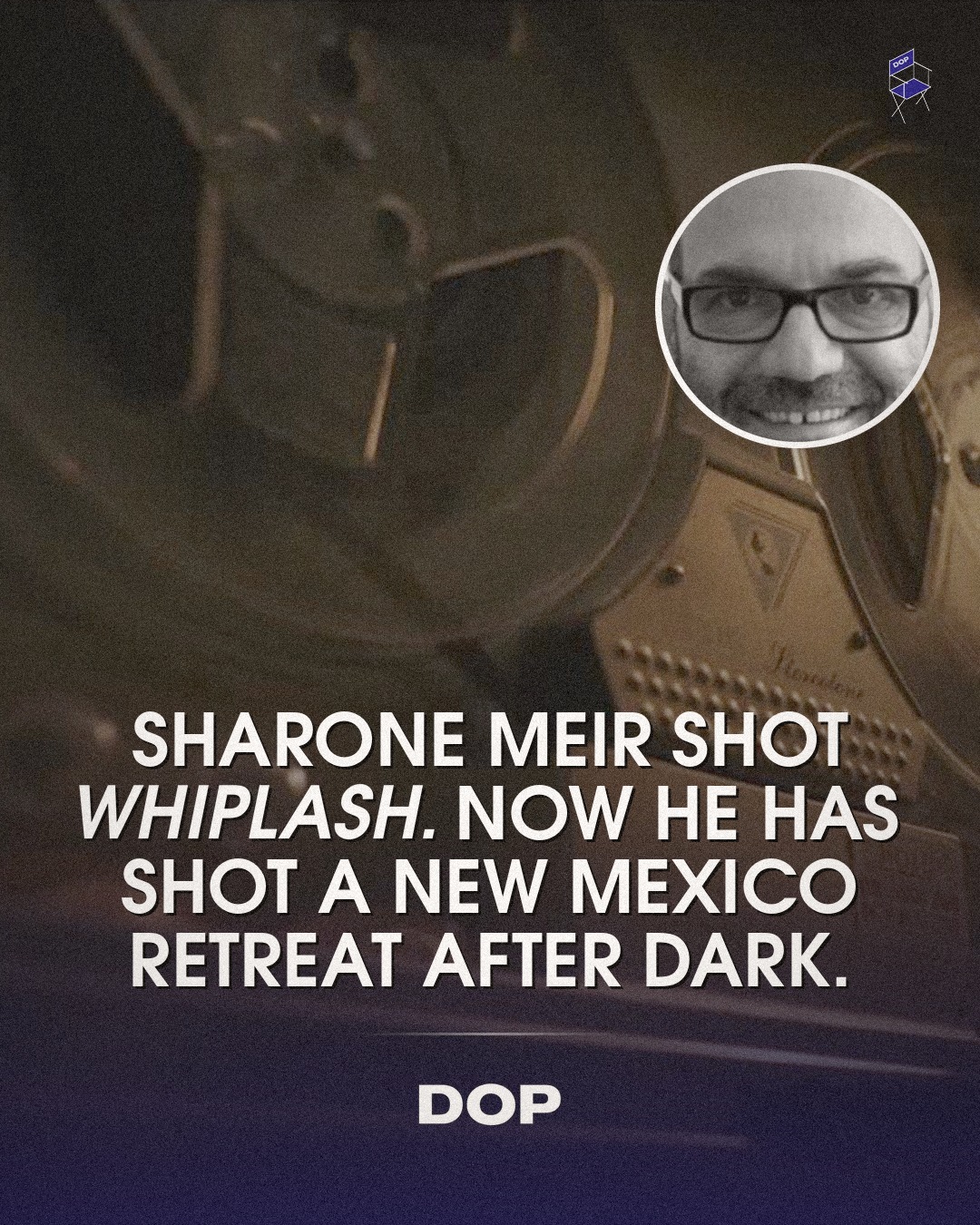
Sharone Meir is a cinematographer whose work consistently delves into the psychological landscape of his characters, often through a visual language of confinement and escalating tension. From the percussive, high-stakes world of Whiplash to the visceral grit of Monkey Man, Meir has carved out a unique niche, masterfully employing framing and light to reflect internal turmoil. His latest venture, Mark Heyman's directorial debut Pendulum, appears to be a direct extension, perhaps even a distillation, of this signature style, promising a deeply unsettling cinematic experience.
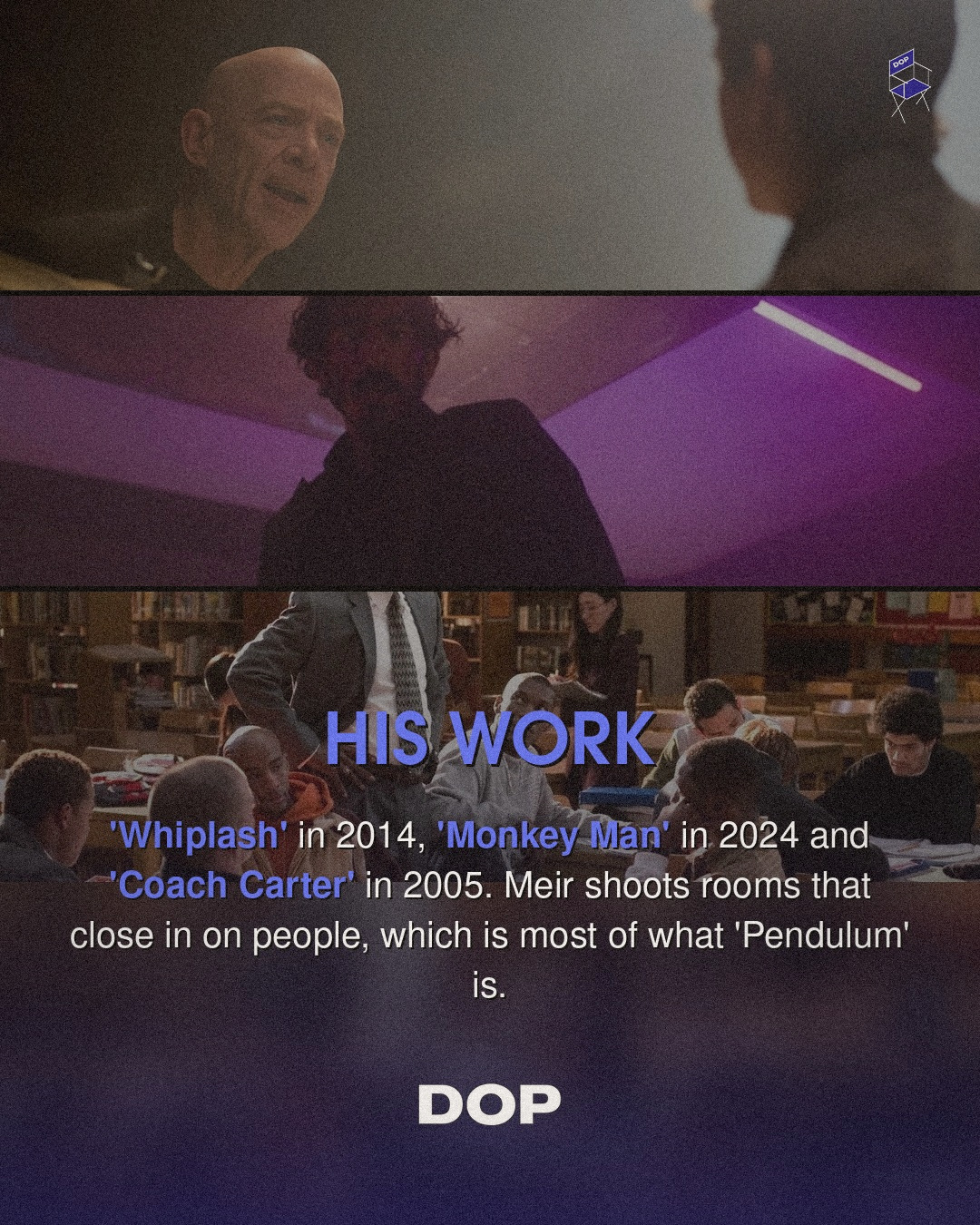
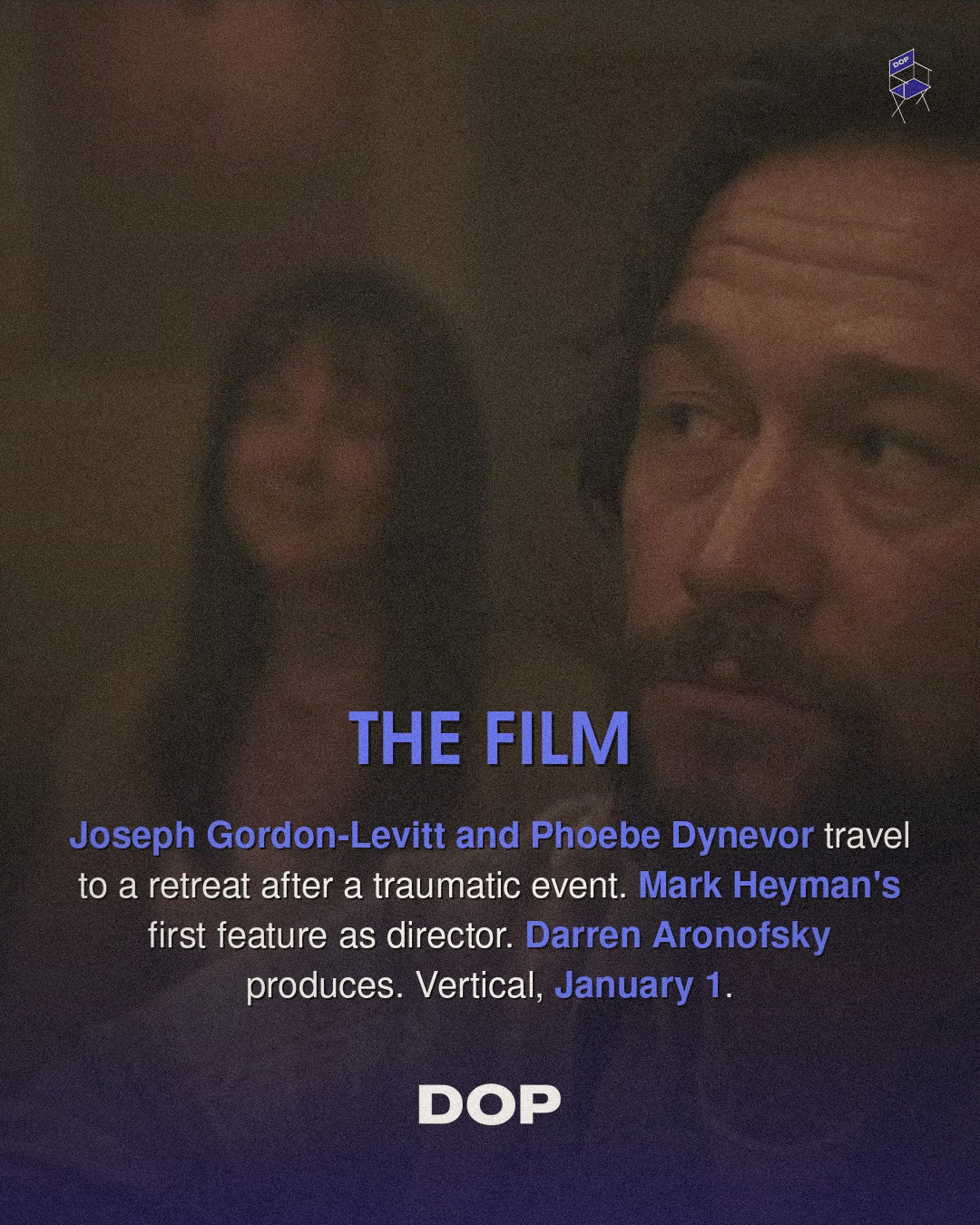
The Instagram caption's insightful observation, that Meir 'shoots rooms that close in on people', is an astute summary of his approach. In Pendulum, this technique is poised to be front and center, given the narrative of a couple, Joseph Gordon-Levitt and Phoebe Dynevor, at a new-age retreat following a traumatic event. As one character grows suspicious and the other falls deeper under the retreat leader's sway, Meir's lens will undoubtedly become a crucial tool in externalizing their diverging realities and mounting paranoia. The retreat setting itself provides a fertile ground for this visual strategy, transforming what should be a sanctuary into a psychological cage.
The Art of Enclosure: Meir's Visual Philosophy
Meir’s filmography showcases a remarkable consistency in using space as a character. In Whiplash, the practice room became a pressure cooker, with tight close-ups and low-angle shots emphasizing Andrew Neiman's isolation and Fletcher's looming presence. The cinematography often felt like another instrument, beating out the rhythm of Neiman's anxiety. Similarly, in The Last House on the Left, the sense of dread was palpable, achieved through stark compositions and a pervasive gloom that mirrored the narrative's bleakness. This isn't merely about tight framing; it's about a deliberate choice to restrict the audience's visual field, forcing them to confront the characters' internal struggles head-on.
“Sharone Meir doesn't just shoot scenes; he sculpts environments that breathe with the characters' anxieties, turning physical spaces into psychological battlegrounds.”
For Pendulum, the collaboration with production designer Katie Hickman will be pivotal. Hickman's work in crafting the 'new-age retreat' environment will provide the canvas upon which Meir paints his claustrophobic vision. One can anticipate a visual progression: perhaps initially, the retreat appears open and inviting, only for Meir's framing to gradually tighten, for shadows to lengthen, and for the once-comforting décor to begin feeling oppressive. This slow, insidious visual shift is a hallmark of Meir's ability to build tension, making the audience feel the walls closing in alongside the characters.
Technical Craft: Lens Choices and Lighting for Psychological Depth
While specific technical details for Pendulum are yet to emerge, we can infer Meir's likely approach based on his past work. He often favors anamorphic lenses for their distinctive bokeh and ability to render environments with a certain cinematic grandeur, even when depicting squalor or confinement. Anamorphic lenses, with their wider aspect ratio, can paradoxically make a space feel both expansive and yet incredibly narrow when characters are framed tightly within it, emphasizing their isolation despite the perceived breadth of the image. The unique lens flare and fall-off can also contribute to a dreamlike or unsettling atmosphere, perfectly suited for a psychological thriller.
Lighting, for Meir, is never merely functional; it's an emotional cue. Expect a nuanced interplay of natural and motivated practical lighting, perhaps with a gradual shift towards more high-contrast, chiaroscuro lighting as the narrative darkens. Given the 'new-age retreat' setting, there might be an initial use of soft, diffused light, perhaps even a high-key look, which will then give way to harsher, more isolating pools of light and encroaching shadows. The color palette, too, will be critical. Doug Delaney's grading will be instrumental in translating Meir's vision, potentially moving from warm, inviting tones to colder, more desaturated hues as trust erodes and fear takes hold. This deliberate manipulation of light and color will be key to communicating the characters' descent into paranoia without explicit dialogue.
Meir's ability to shoot 'rooms that close in on people' is not just a stylistic choice; it's a profound narrative technique. It forces the audience to inhabit the characters' subjective experience, creating a visceral, empathetic connection to their fear and confusion. Pendulum, under the watchful eye of producer Darren Aronofsky and director Mark Heyman, seems perfectly poised to become another compelling entry in Sharone Meir's impressive career, showcasing his unparalleled skill in transforming space into a powerful psychological force. As the film opens on January 1, cinematographers and film enthusiasts alike will undoubtedly be dissecting Meir's visual artistry, seeking to understand the subtle alchemy that makes his work so uniquely impactful.