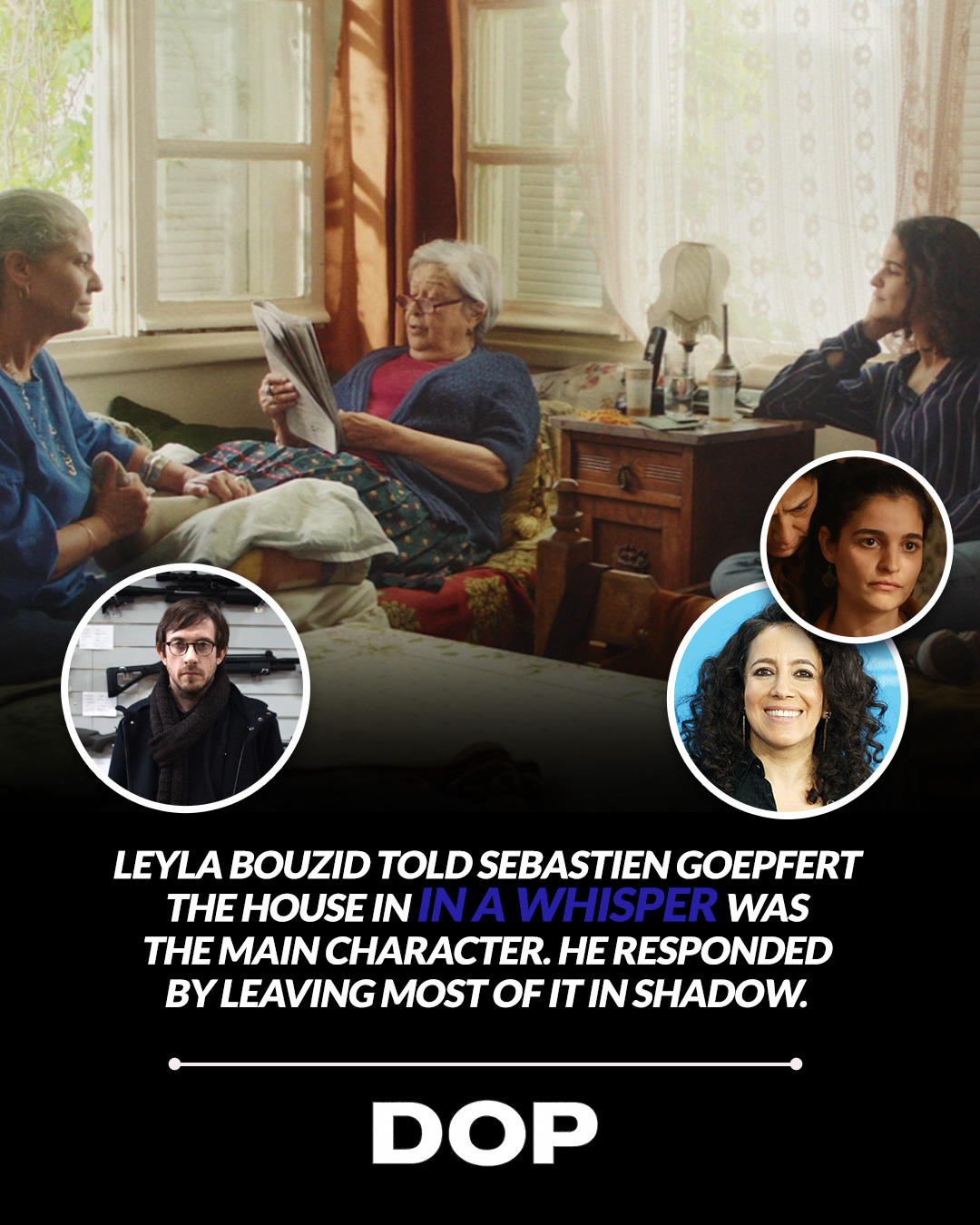
When director Leyla Bouzid declared the house in her upcoming film, In a Whisper, to be the main character, cinematographer Sebastien Goepfert didn't just acknowledge it; he sculpted it. His response, as evidenced by the early buzz from Berlinale 2026, was to plunge much of it into shadow, creating a visual language that speaks volumes about inherited silence, queer erasure, and the lingering weight of a family's past.
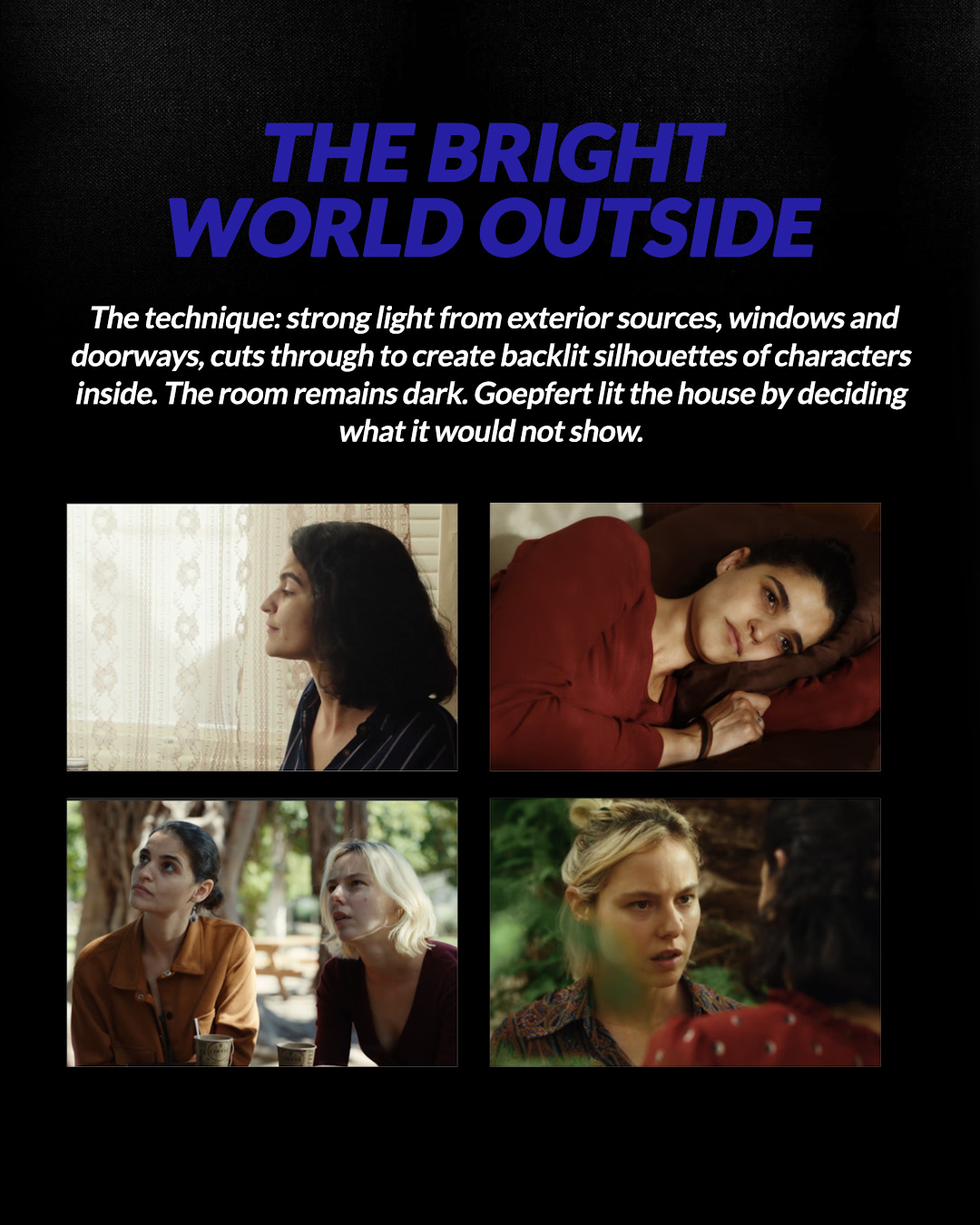
This isn't merely a stylistic choice; it's a profound act of visual storytelling. Goepfert, known for his nuanced approach to natural light and his ability to imbue spaces with emotional resonance—seen in films like A Tale of Three Sisters where he expertly navigated the stark beauty of rural landscapes—has taken Bouzid's thematic intent and translated it into a breathtaking exercise in chiaroscuro. The Film Fest Report's observation that the interiors are 'sculpted in chiaroscuro, with strong exterior light leaving the rooms in semi-darkness, so that characters often appear in backlight' perfectly encapsulates this approach.
The Architecture of Absence
The core of Goepfert's technique here appears to be a deliberate embrace of negative space and selective illumination. Imagine the strong Tunisian sun, a character in itself, streaming through windows and doorways. Instead of fighting this exterior intensity, Goepfert leverages it, allowing it to become the sole, often singular, source of light within the interior. This creates dramatic shafts of light that cut through the gloom, highlighting dust motes dancing in the air, or tracing the contours of architectural details, while leaving the majority of the room in profound shadow.
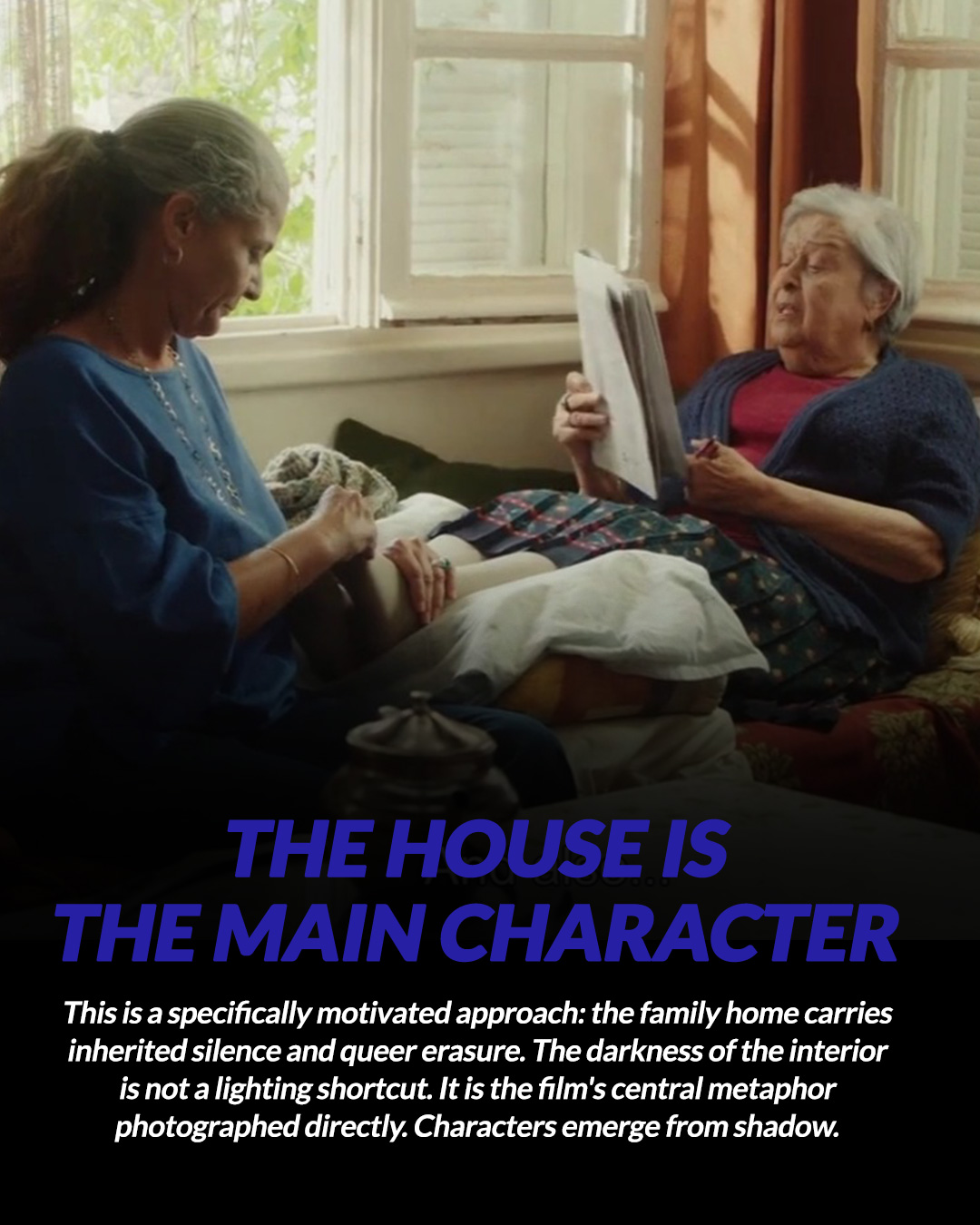
“The darkness of the interior is not a lighting shortcut - it is the film's central metaphor photographed directly.”
The result is a visually arresting, almost painterly quality. Characters emerge from or recede into the darkness, often silhouetted against the blinding exterior light. This choice isn't just about mood; it's a direct photographic representation of the film's central metaphor. The family home, inspired by Bouzid's grandmother's residence in Sousse, is laden with unspoken histories. The darkness within its walls is not a shortcut for a moody aesthetic; it is the physical manifestation of the 'inherited silence and queer erasure' that the narrative explores. The limited visibility forces the audience to strain, to lean in, mirroring the protagonist's own journey of uncovering buried truths.
Technical Mastery of Naturalism
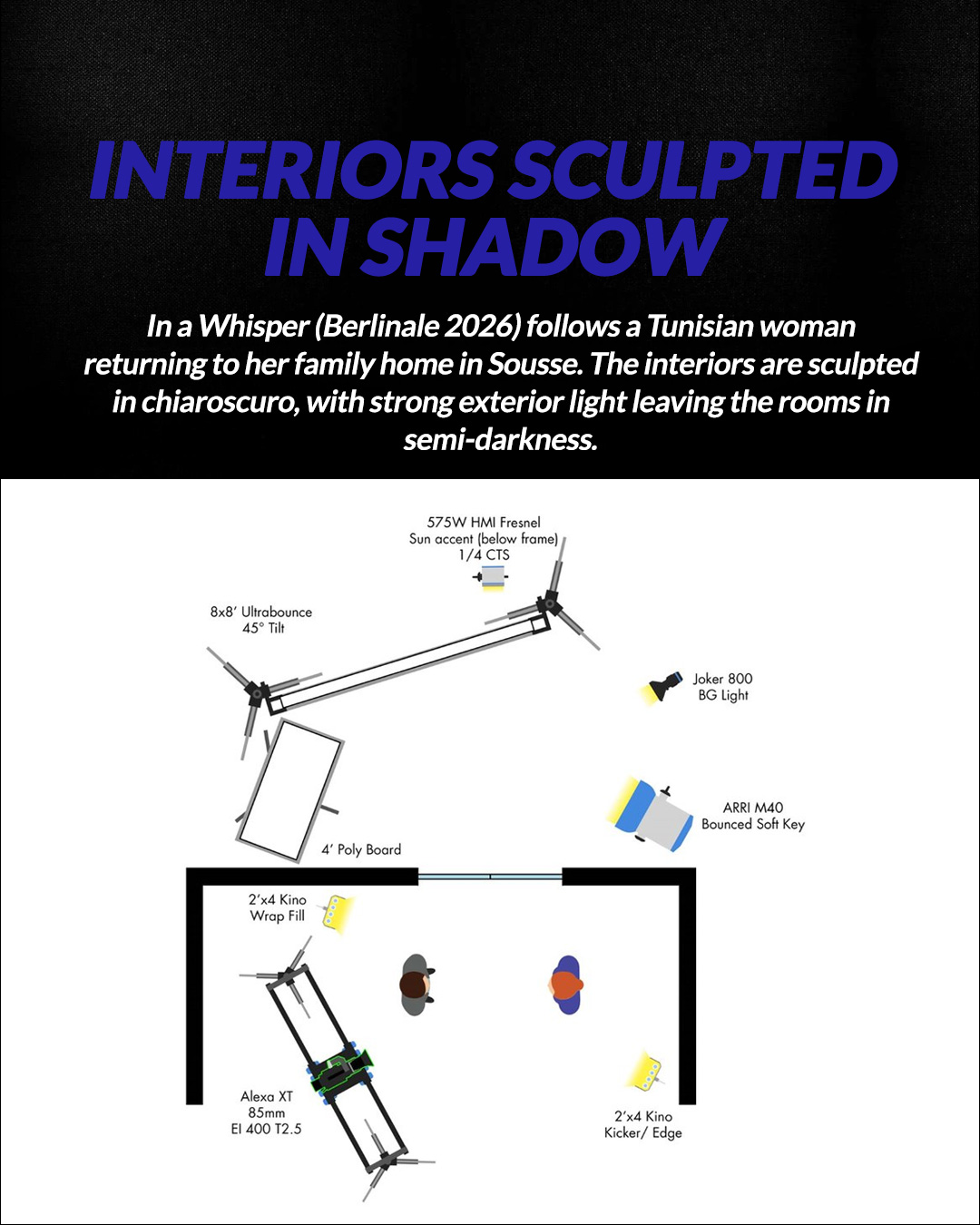
Achieving this level of controlled darkness with strong exterior light requires immense technical precision and a deep understanding of exposure. Goepfert likely relied on cameras with excellent dynamic range, perhaps an ARRI Alexa or Sony Venice, to hold detail in both the bright exteriors and the deep shadows without crushing blacks entirely or blowing out highlights. The choice of lenses would also be crucial. Perhaps vintage glass or modern lenses with a pronounced fall-off to help accentuate the contrast and render the shadows with a creamy, rich quality, rather than a muddy one. The use of negative fill would be paramount, ensuring that ambient light doesn't inadvertently lift the shadows where they are intended to be profound.
This approach is a masterclass in using existing light, or rather, the *absence* of it, as a primary storytelling tool. It speaks to a cinematographer who isn't afraid to let the frame breathe in darkness, trusting that the human eye, guided by the narrative, will find meaning in the scarcity of light. Bouzid's vision of the house as a 'main character' is fully realized through Goepfert's lens, not as a brightly lit stage, but as a cavernous repository of memory, where light only dares to intrude in stark, revealing beams. This is cinematography as excavation, digging into the heart of a story by strategically obscuring what's on the surface.
As DPs, we often chase light. Goepfert, in In a Whisper, reminds us of the profound power of shadow—not as an absence to be filled, but as a presence to be explored, a canvas upon which the most poignant narratives can be painted. It's a bold, confident statement that redefines how we perceive and utilize darkness in cinematic storytelling, cementing the film's visual identity as one of the most anticipated and discussed at Berlinale.
This article contains affiliate links. We may earn a small commission at no extra cost to you. Learn more.