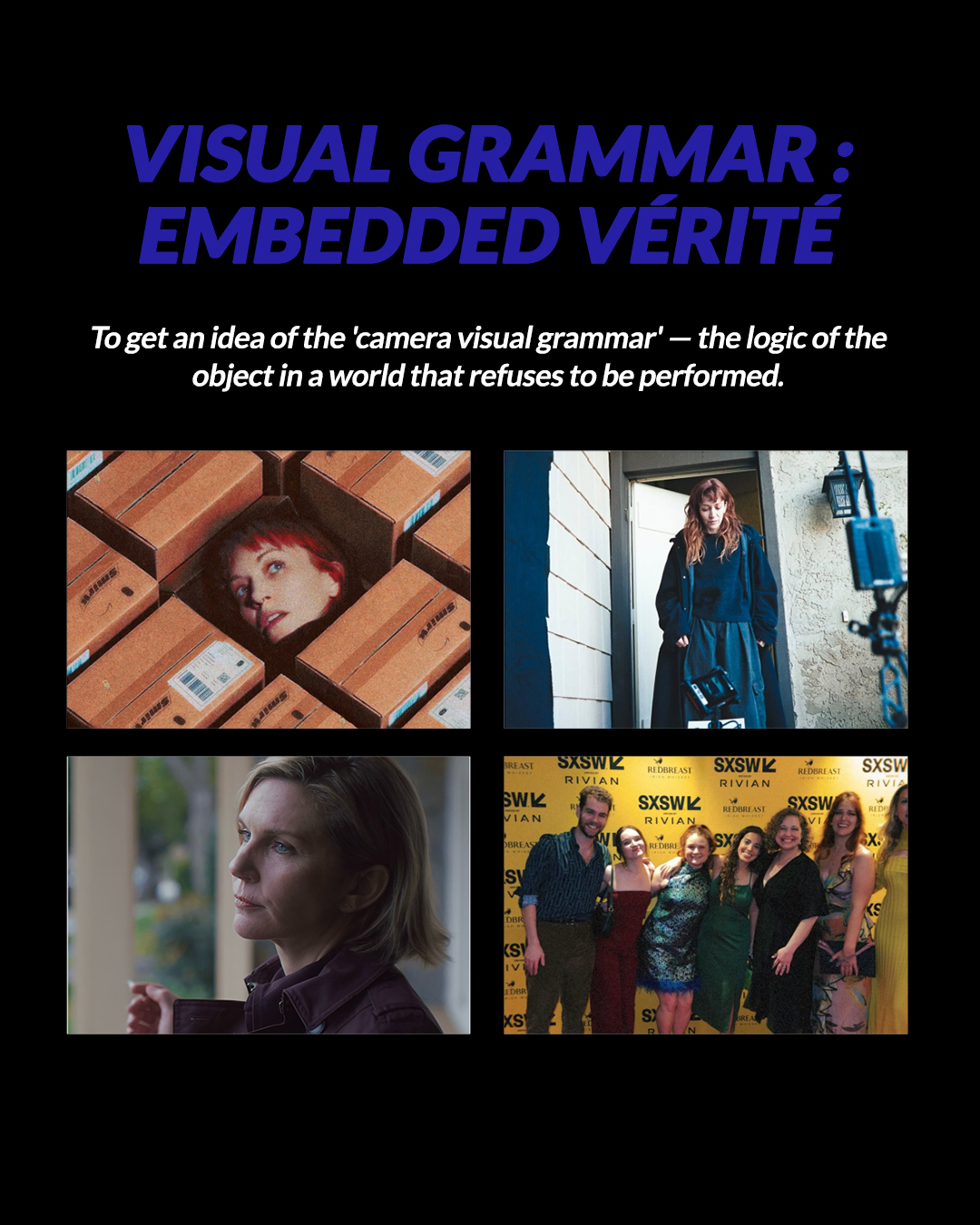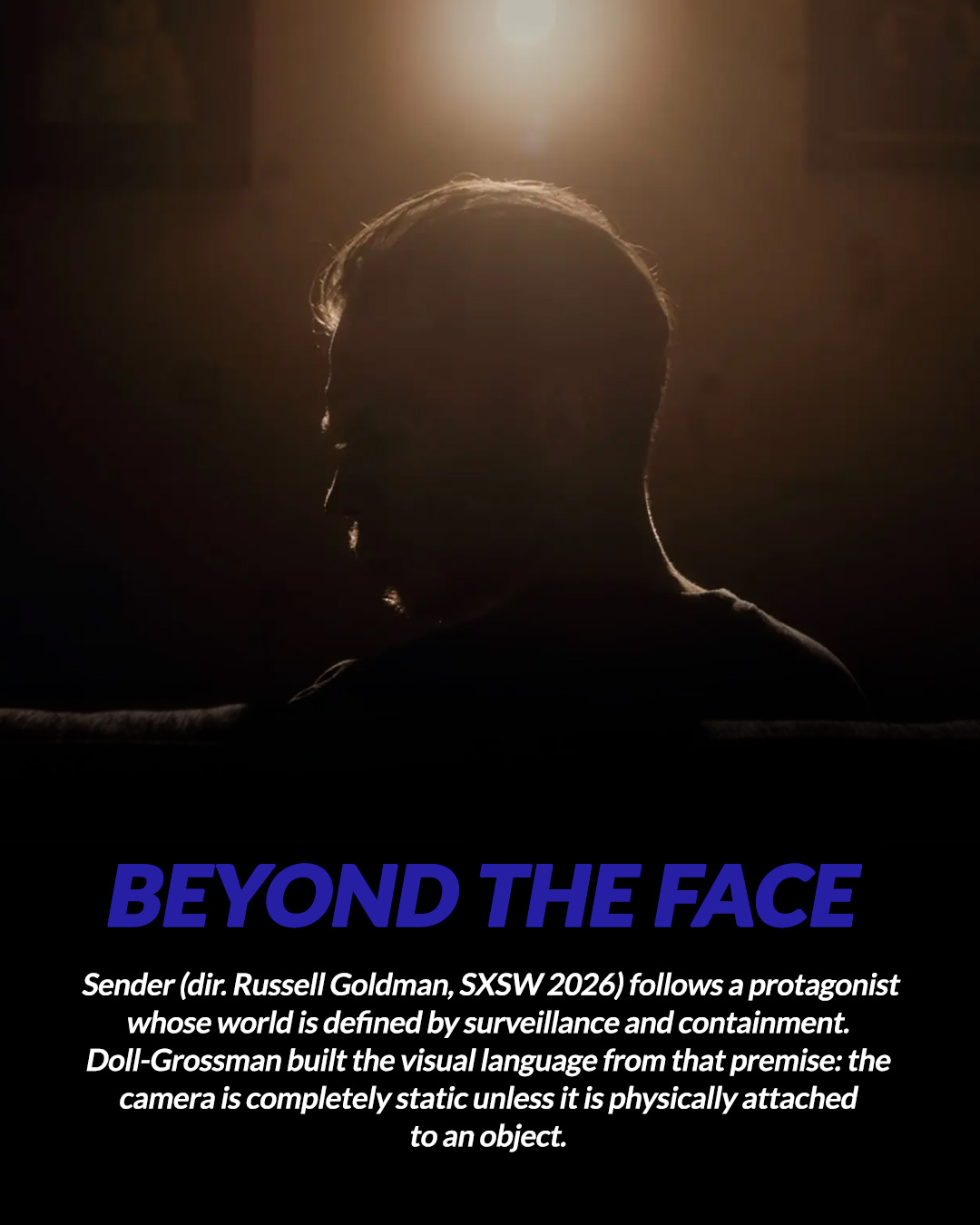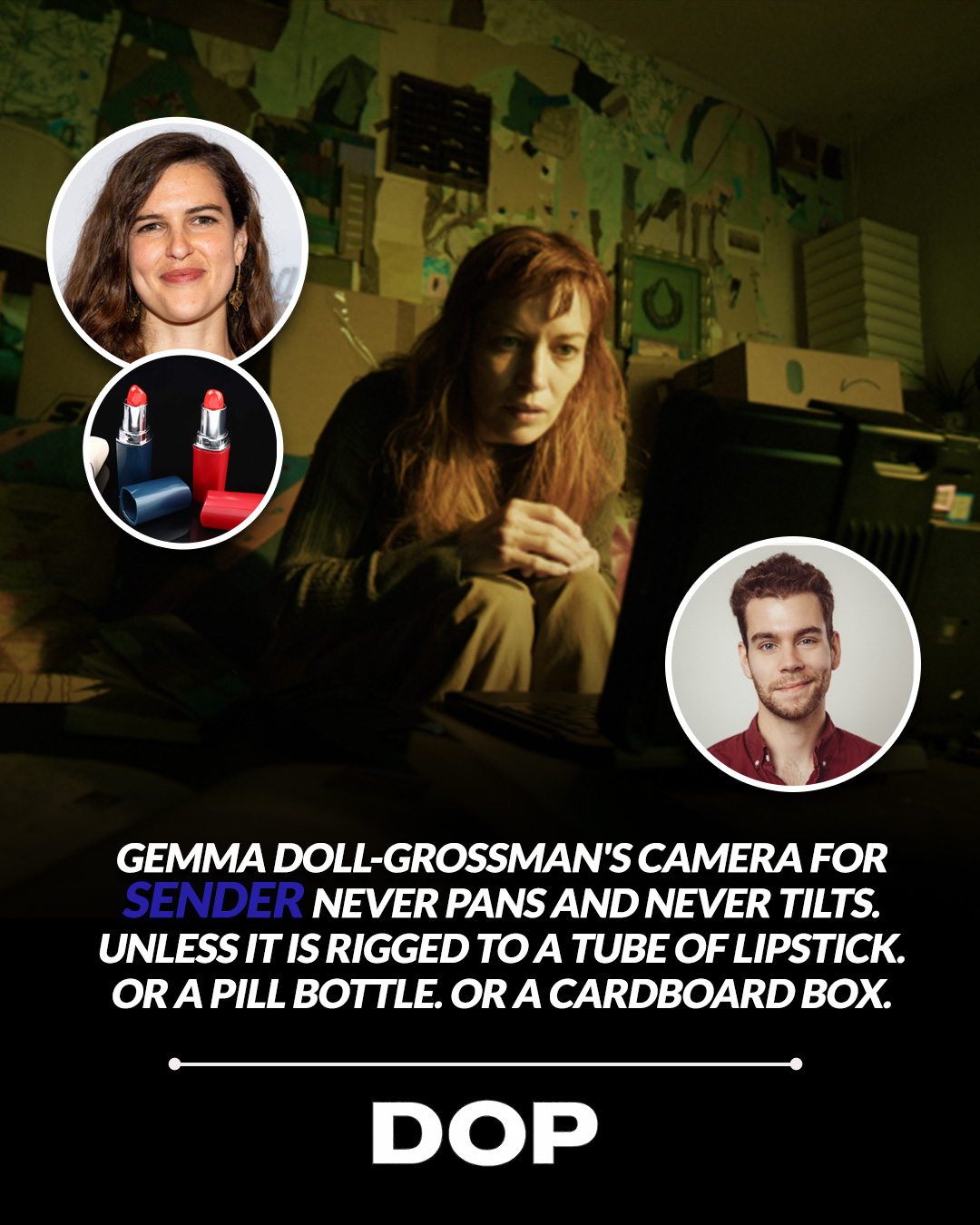
In an era where the pursuit of dynamic, fluid camera movement often dominates the visual conversation, Gemma Doll-Grossman's cinematography for Russell Goldman's Sender emerges as a defiant, brilliant counterpoint. Premiering to significant buzz at SXSW 2026, Sender isn't just a film; it's a meticulously crafted visual manifesto, a masterclass in how severe creative constraints can unlock profound expressive power. Doll-Grossman has weaponized the static frame, turning its immobility into a chilling reflection of the protagonist's contained existence.
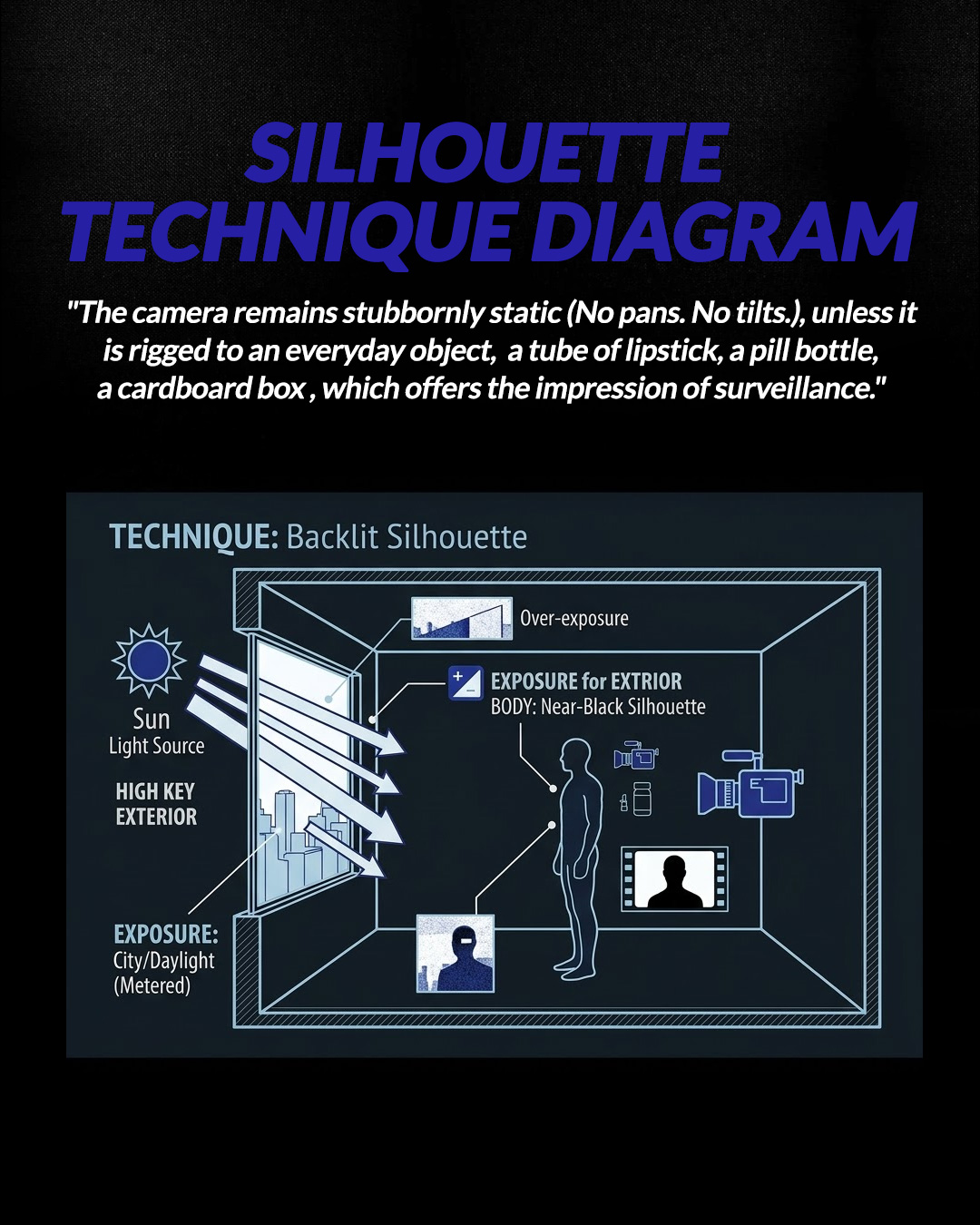
The core conceit is deceptively simple: the camera never pans, never tilts, unless physically affixed to an everyday object. This isn't merely a stylistic flourish; it's the very bedrock of the film's visual language, directly stemming from its narrative premise of surveillance and containment. As Doll-Grossman eloquently stated to IndieWire, "The camera remains stubbornly static - no pans, no tilts - unless it is rigged to an everyday object, which offers the impression of surveillance." This philosophy elevates mundane items like a tube of lipstick, a pill bottle, or a cardboard box from mere props to pivotal narrative devices, imbuing them with the agency to dictate the camera's perspective. The movement, when it occurs, feels earned, unsettling, and intrinsically tied to the world's oppressive logic.
The Technical Canvas: Venice, Rialto, and Wide Primes
To realize this audacious vision, Doll-Grossman opted for a robust and flexible technical package. Two Sony Venice 1 bodies, operating in Rialto mode, were the cameras of choice. The Venice's full-frame sensor and impressive dynamic range are well-documented, but it's the Rialto extension system that truly shines here. By detaching the sensor block from the camera body, Rialto allows for extreme miniaturization and rigging versatility – essential for mounting the camera to objects as small as a pill bottle. This technical decision underscores the meticulous planning required to execute such a precise visual strategy.
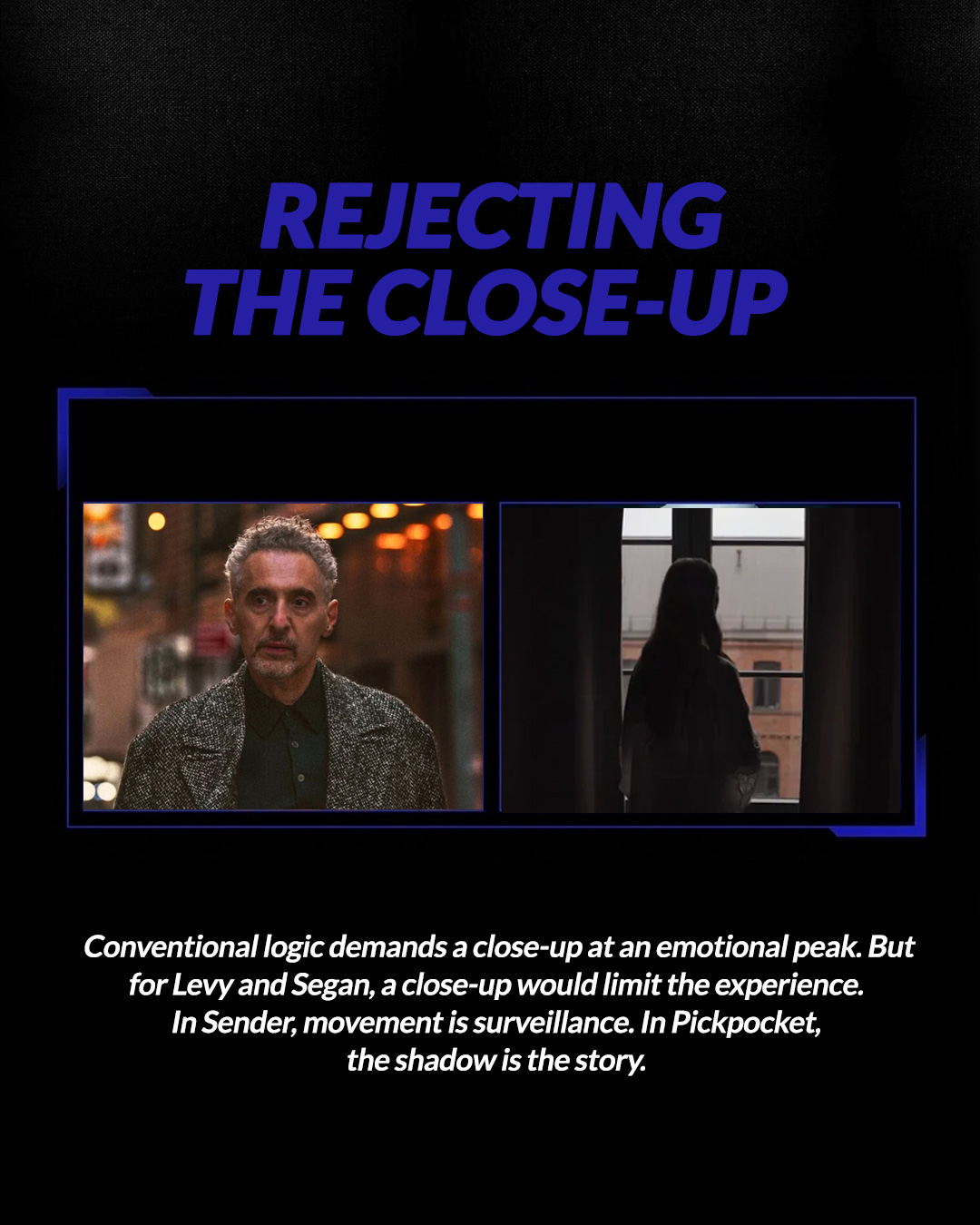
"Movement is not available to the camera by default. It must be earned by the logic of the world. In Sender, movement is surveillance."
Complementing the Venice were a pair of ultra-wide prime lenses: 12mm and 18.5mm. These focal lengths are critical. They emphasize the confined spaces and the protagonist's entrapment, while also exaggerating the scale of the small objects to which the camera is periodically attached. The inherent wide-angle distortion, rather than being avoided, becomes an expressive tool, subtly disorienting the viewer and reinforcing the surreal, surveilled reality. The choice of a 3:2 aspect ratio further enhances this sense of containment, offering a slightly taller, more claustrophobic frame than the standard widescreen formats, drawing the eye vertically as if trapped within a box.
A New Paradigm for Movement and Meaning
Doll-Grossman's filmography, though still burgeoning, has consistently shown a keen eye for visual storytelling that pushes boundaries. Her previous work on various short films and independent features has often explored psychological landscapes through unconventional framing and lighting. With Sender, she takes a significant leap, establishing a visual grammar that is both intellectually stimulating and viscerally impactful. The complete absence of operator-driven pans and tilts forces the audience to confront the static nature of the world, making the rare moments of object-induced movement profoundly significant.
Consider the psychological impact: when the camera moves with a lipstick tube, it's not a smooth, humanistic push-in. It's a jarring, almost mechanical shift, as if the object itself is an extension of an unseen monitoring entity. This dehumanized movement perfectly aligns with the theme of surveillance, where agency is stripped away, and even the most intimate moments are subject to observation. The lighting, too, would have been meticulously crafted to enhance this feeling of containment – perhaps employing hard, directional sources to create stark shadows, or utilizing practicals to mimic the cold, impartial glow of security cameras.
Sender is a powerful reminder that cinematography is not just about capturing images, but about constructing meaning. Doll-Grossman's audacious approach challenges conventional notions of camera movement, demonstrating that restraint, when wielded with purpose and technical mastery, can be far more potent than unbridled dynamism. It's a film that will undoubtedly spark extensive discussion among cinematographers and film theorists alike, solidifying Gemma Doll-Grossman's reputation as a visionary artist unafraid to dismantle and reassemble the very fabric of cinematic perception. This isn't just a film to watch; it's a film to study, dissect, and learn from.
This article contains affiliate links. We may earn a small commission at no extra cost to you. Learn more.