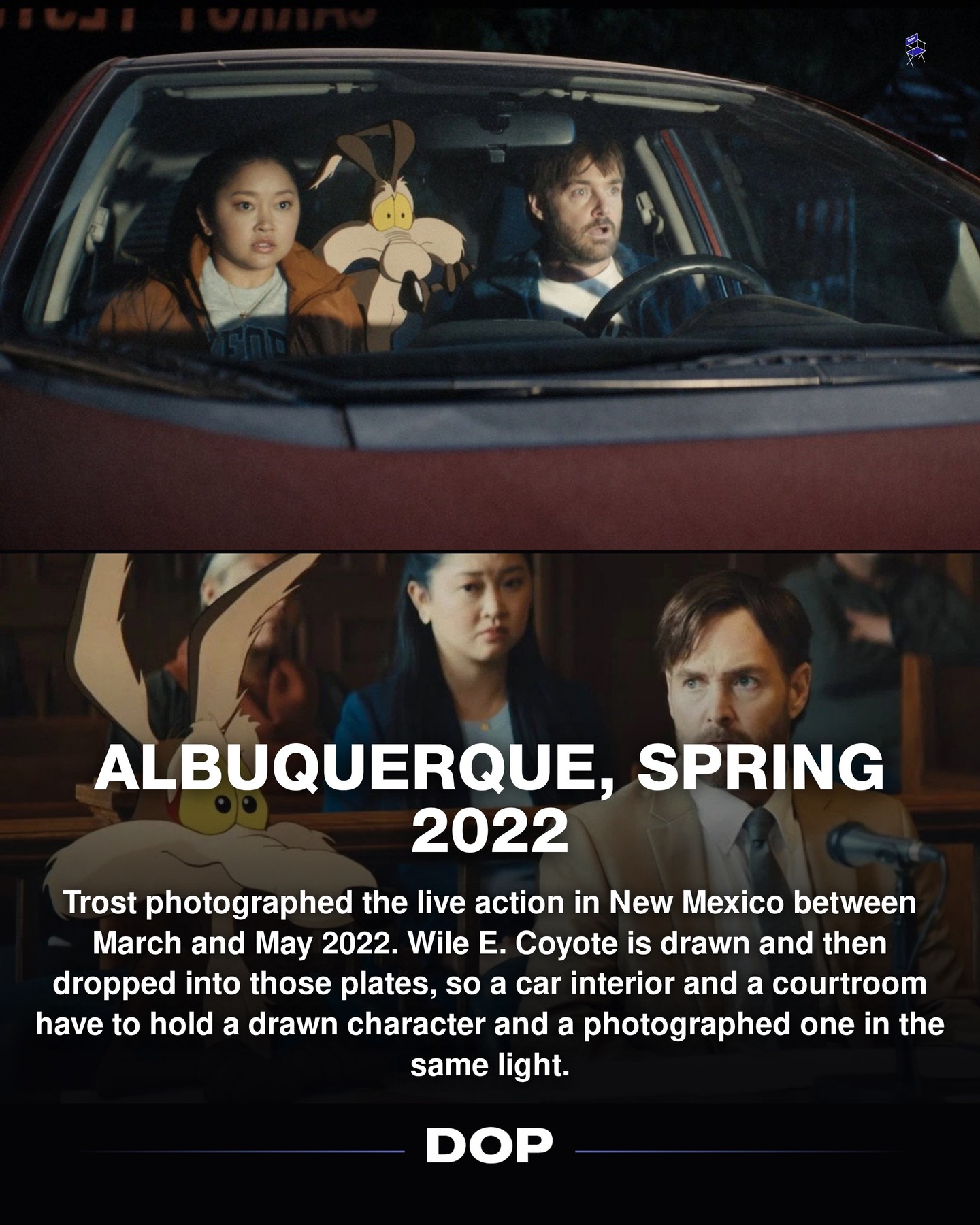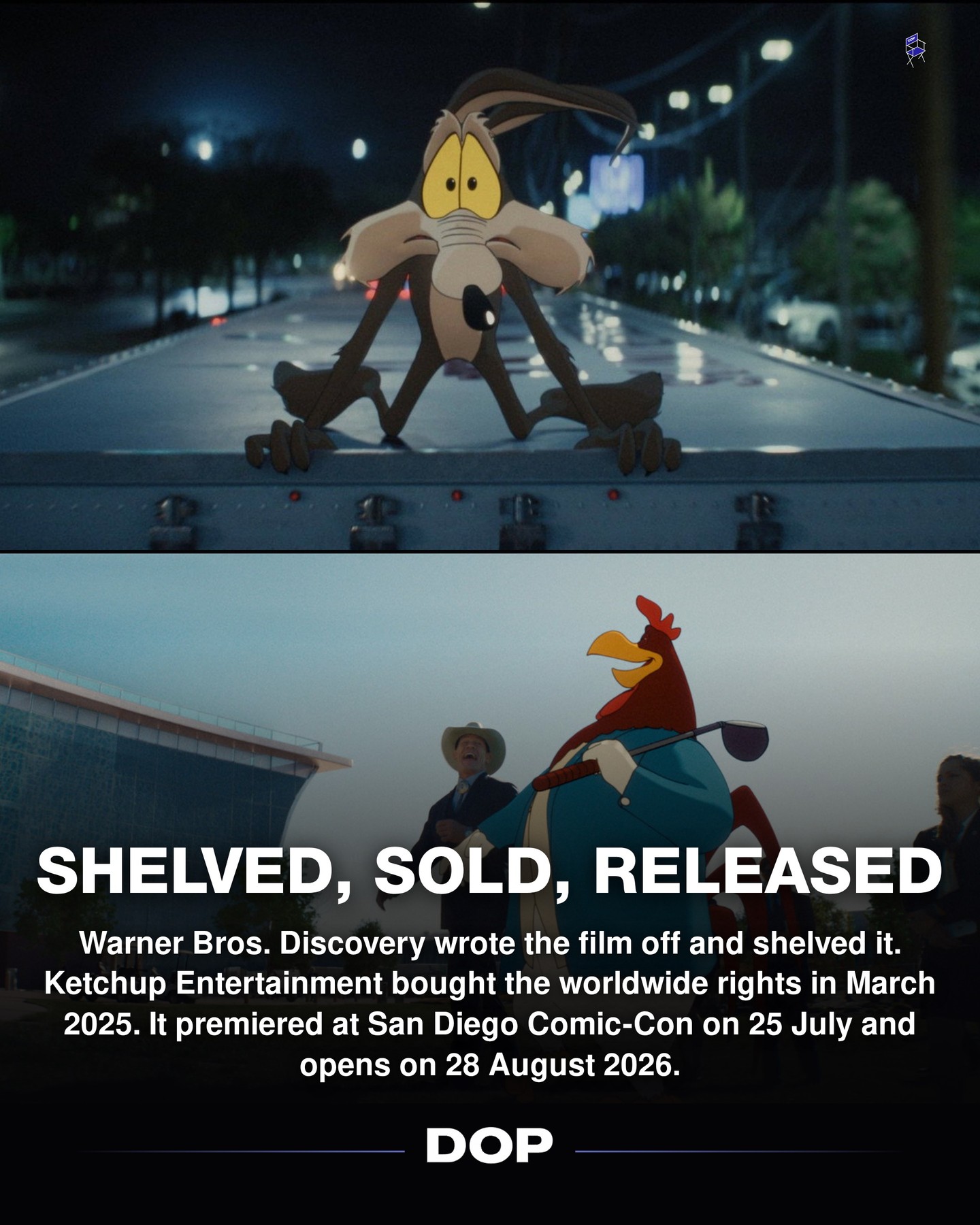
When news broke that Warner Bros. intended to shelve Coyote vs. Acme as a corporate tax write-off, a collective shudder ran through the cinematic lighting and camera community. Directors, cinematographers, and VFX artists had poured months of grueling, meticulous work into the $70 million hybrid project. To bury a completed film is an insult to the physical craft of filmmaking. Fortunately, following a prolonged acquisition period, Ketchup Entertainment stepped in to rescue the project, slating it for a theatrical release on August 28, 2026, four years after principal photography wrapped in May 2022.
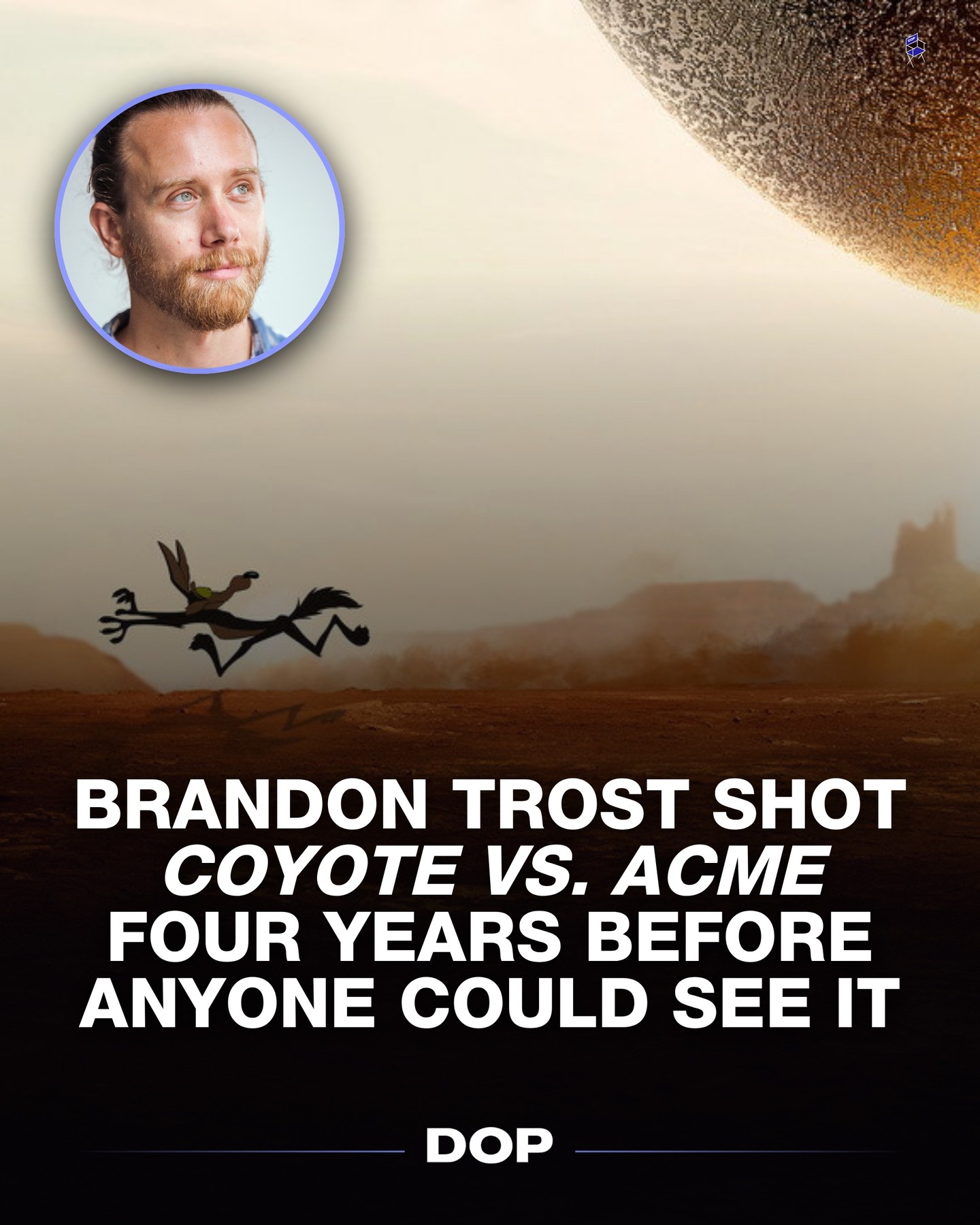
Directed by Dave Green and shot by veteran cinematographer Brandon Trost, the film represents an extraordinary technical challenge: integrating classic, high-energy 2D-style Looney Tunes animation seamlessly into physical 3D spaces. Trost, known for his versatile lens work on films like The Disaster Artist, Can You Ever Forgive Me?, and MacGruber, brings an acute understanding of how texture, light, and camera movement ground surreal comedy in real-world logic.
Grounding the Toon: Interactive Light and Dynamic Framing
In live-action/animation hybrids, the cinematographer’s primary responsibility is creating spatial credibility. Animated characters must occupy the same volume of air, cast the same shadow falloff, and catch the same key light as human actors like Will Forte, Lana Condor, and John Cena. Achieving this requires meticulous prep, rigorous lighting references, and real-time interaction on set.
For Coyote vs. Acme, Trost relied heavily on high-dynamic-range light capture setups, including mirror balls, diffuse gray spheres, and custom 3D-printed stand-in proxies for Wile E. Coyote. These proxies allowed key grip and gaffer teams to study shadow placement and light wrapping in real physical space. Crucially, interactive lighting, such as explosions, passing vehicle headlights, and sudden ACME rocket flare-ups, had to be captured practical on set using programmable LED rigs, giving the VFX team an authentic lighting foundation to compose the animated elements over.
nullThe framing philosophy presents another hurdle. Classic Chuck Jones and Tex Avery cartoons operated on strict, flat 2D geometry: rapid pan-and-scan camera moves, dramatic perspective shifts, and wide-angle character distortions. Translating those iconic animation beats into a live-action widescreen frame required Trost to select optics that balanced vintage character with spatial clarity.
Preserving Tactile Texture and Technicolor Flair
To honor the legacy of classic Warner Bros. shorts while maintaining modern theatrical scale, Trost opted for anamorphic glass paired with large-format digital sensors. The soft falloff and organic flare characteristics of vintage optics allowed the film to escape the clinical, overly sharp aesthetic that often plagues CGI-heavy studio productions. By dialing in deliberate depth of field, the camera naturally separates foreground physical actors from background plates, giving the VFX animators a structured Z-axis to drop in character elements.
Color science also plays a vital role in unifying the live-action photography with the graphic vibrancy of Looney Tunes visual grammar. Working closely with his colorist, Trost crafted a customized look-up table (LUT) inspired by classic Technicolor three-strip processes. Primary colors, the iconic yellows of desert cliffs, the rich blues of skies, and the bold red of ACME crates, were saturated while maintaining natural, organic skin tones for the live-action cast.
Ultimately, the release of Coyote vs. Acme is a triumph for film preservation and technical artistry. Cinema relies on the physical labor of camera crews, gaffers, and visual effects artists who spend years engineering visual tricks to make the impossible feel real. When Brandon Trost’s images finally light up the big screen in August 2026, audiences won’t just be watching a cartoon character file a lawsuit, they will be witnessing a masterclass in hybrid cinematography.