The cinematography of constraint is often the most interesting cinematography. When a film is set in a single location—a house, a car, a room—the cinematographer's job changes fundamentally. They can no longer solve visual problems by moving to a new location. They have to solve them by understanding light in deeper ways. Charlie Sarroff, the Australian cinematographer behind a Berlinale 2026 feature, understands this discipline.
Sarroff's approach to interior cinematography is built on a single principle: the contained space is not a limitation. It is an opportunity to discover what light can do when it is not required to show anything beyond the walls. In interviews, Sarroff has described his philosophy as building "visual density in compression"—the idea that when the frame is limited to an interior, the cinematographer's responsibility is to make every part of that interior carry maximum visual information and emotional weight.
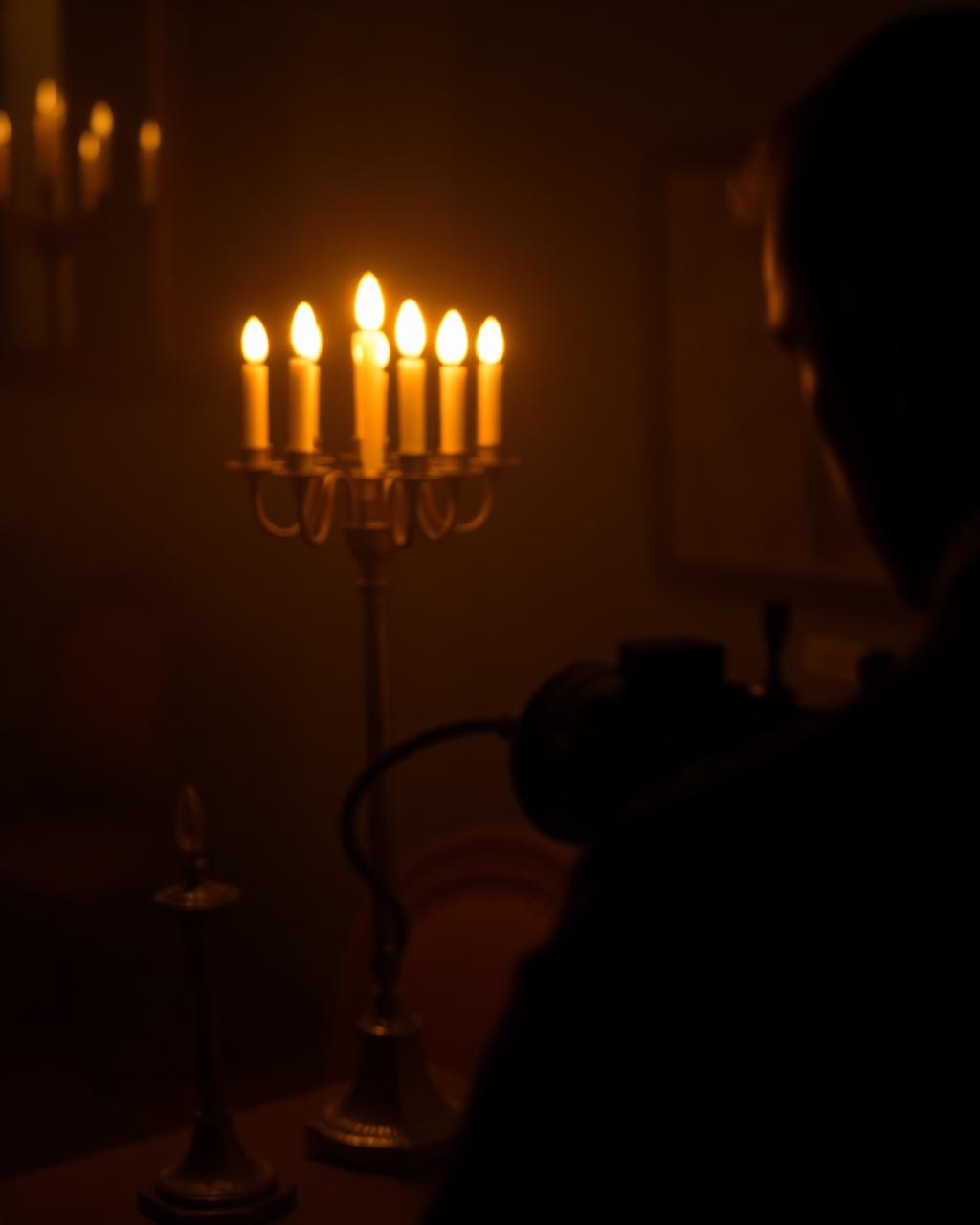
This requires a specific technical approach. Sarroff typically works with motivated light sources—windows, lamps, practical lights that exist in the room's logic. He does not use a traditional film lighting kit to illuminate the space with supplemental equipment. Instead, he positions practicals and uses them to create visual depth. The camera moves through the space, and as it moves, the light grammar changes slightly, revealing different relationships between surfaces and sources. The contained interior becomes almost architectural in its visual precision.
For cinematographers learning to work in constraint, Sarroff's approach demonstrates that limitation is not a problem to solve. It is a teacher. When you cannot move the location, you learn to move light and camera in relationship to each other. You learn to make the same room feel different through small shifts in position and angle. You learn that the most interesting cinematography often happens when you have the fewest options.
Sarroff's work across several Berlinale entries shows a cinematographer who has built a reputation on the specificity of place. His interior films are not interchangeable. Each location has its own light logic, its own visual personality. That comes from spending time in the space before shooting, understanding how light moves through it across hours and seasons, and then designing a camera language that reveals that specificity rather than imposing a predetermined style.
The lesson for emerging DPs is clear: constraint is where cinematography becomes strongest. The most technically sophisticated and emotionally resonant work often happens in contained spaces, with limited equipment, working with motivated light sources. That is where you learn to listen to the space rather than talk to it.
Contained interiors. Motivated light. Visual density in compression. That is the cinematography of constraint transformed into opportunity.
Gear Recommendations
- Blackmagic Pocket Cinema Camera 6K Pro | Adorama – B&H Photo
- Cooke miniS4/i Prime Set | Adorama – B&H Photo
- SmallHD Ultra 7 Monitor | Adorama – B&H Photo
- Tiffen Black Pro-Mist 1/4 Filter | Adorama – B&H Photo
Note: Links above are affiliate links. Occupy Cinematography may earn a commission on qualifying purchases at no additional cost to you.